Smart contracts are powerful. They run on blockchain. They move money, data, and digital assets without middlemen. But they can also break. And when they break, they can lose millions in seconds. That is why smart contract auditing software is such a big deal today.
TLDR: Smart contract auditing software helps find bugs and security risks in blockchain code before hackers do. It scans, tests, and analyzes contracts automatically and sometimes with human review. These tools reduce costly mistakes and improve trust. In short, they protect your crypto projects from disaster.
Let’s make this simple.
A smart contract is code stored on a blockchain. Once deployed, it usually cannot be changed. That is both its strength and its weakness. If there is a mistake, you cannot just “patch it” like normal software. The bug lives on the blockchain forever.
This is where smart contract auditing software steps in.
What Is Smart Contract Auditing Software?
It is a tool. But not just any tool.
It is software designed to:
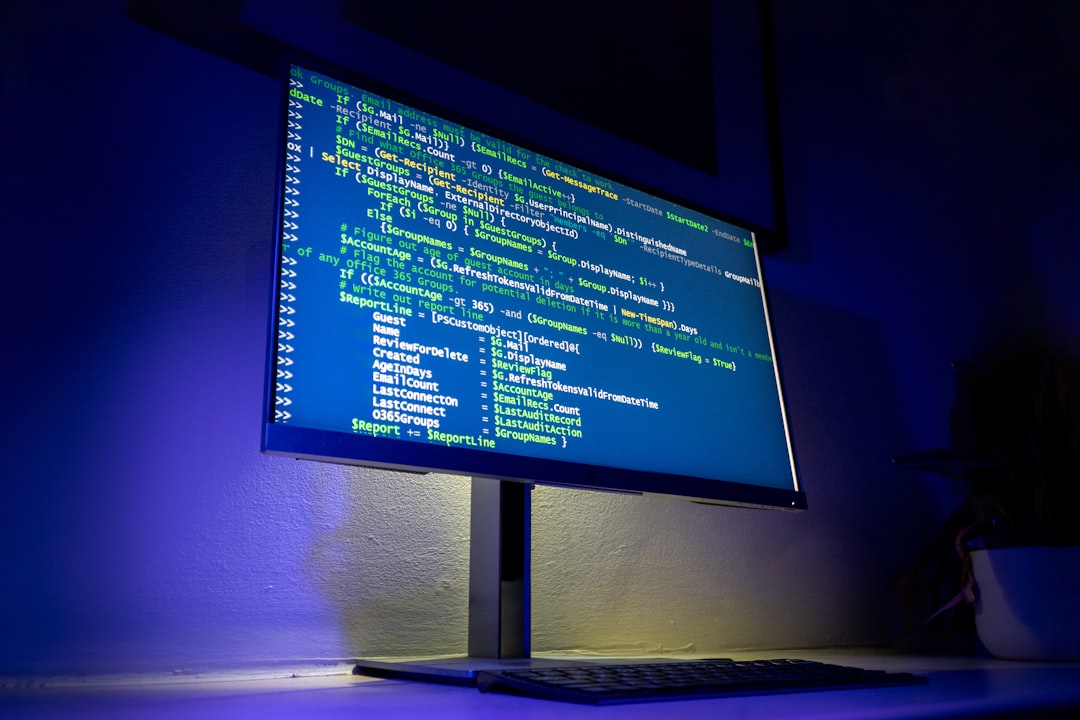
- Scan smart contract code
- Detect vulnerabilities
- Highlight logic errors
- Suggest improvements
- Simulate possible attacks
Think of it as a security guard for your blockchain code. It checks everything before you open the doors to the public.
Why Smart Contracts Need Security Checks
Smart contracts often manage:
- Large amounts of cryptocurrency
- NFT ownership
- DeFi lending systems
- Token exchanges
- Gaming rewards
If something goes wrong, the damage is instant.
Unlike banks, there is usually no support number to call. No refund desk. No easy rollback.
Hackers love weaknesses like:
- Reentrancy attacks
- Integer overflows
- Access control mistakes
- Logic flaws
- Front running vulnerabilities
Auditing software helps catch these before deployment.
How Smart Contract Auditing Software Works
Let’s break it down.
1. Static Analysis
This is like proofreading code without running it.
The software scans the contract line by line. It checks patterns. It compares structures. It looks for known risky behaviors.
It answers questions like:
- Are variables properly defined?
- Are permissions set correctly?
- Are arithmetic operations safe?
2. Dynamic Analysis
This method runs the contract in a test environment.
It simulates real-world scenarios. Sometimes it simulates attacks.
It asks:
- What happens if someone sends unexpected input?
- What if a user calls functions out of order?
- Can funds get locked?
3. Formal Verification
This is more advanced.
Here, the contract is mathematically tested against specific rules. If the rule says “Funds can never be stolen,” the tool tries hard to break that rule.
Not all projects use formal verification. But high-value systems often do.
Key Features to Look For
Not all auditing tools are equal. Some are basic scanners. Others are powerful security suites.
Here are features that matter:
- Automated vulnerability detection
- Custom rule creation
- Integration with development tools
- Clear security reports
- Severity level classification
- Gas optimization suggestions
Gas optimization is important too. Inefficient code costs more to run. Good tools help reduce those costs.
Common Vulnerabilities These Tools Detect
Let’s explore a few common problems.
Reentrancy Attacks
This happens when a contract is tricked into calling itself before finishing a task.
Imagine withdrawing money. Before the balance updates, the attacker withdraws again. And again.
Auditing tools check the order of operations. They flag risky call patterns.
Integer Overflow and Underflow
Numbers in computers have limits.
If not handled correctly, adding too much can reset a value to zero. That is bad in financial systems.
Modern auditing software checks all arithmetic functions.
Access Control Issues
Some functions should be restricted. Only the owner should mint new tokens. Only admins should change rules.
Auditing tools verify permission settings. They look for missing or incorrect modifiers.
Denial of Service Risks
If a function depends on one failing address, the whole contract might freeze.
Good software identifies loops and logic that could lock funds.
Manual Audits vs Automated Software
Important question.
Is software enough?
Usually, no.
Automated tools are fast. They scan thousands of lines quickly. They catch common issues.
But humans understand context better.
A professional auditor can:
- Spot complex logic errors
- Review economic game theory flaws
- Think creatively like an attacker
- Understand project goals
The best approach combines:
- Automated auditing software
- Expert human review
Software finds technical flaws. Humans find strategic weaknesses.
Benefits of Using Smart Contract Auditing Software
The advantages are clear.
1. Saves Money
Fixing problems before launch is cheaper than fixing disasters after launch.
2. Builds Trust
Investors want secure projects. A verified audit increases confidence.
3. Improves Code Quality
Even small warnings help developers write cleaner code.
4. Faster Development Cycles
Automated scans provide instant feedback.
5. Reduces Legal Risk
Security failures can lead to lawsuits. Prevention matters.

When Should You Run an Audit?
Short answer. Often.
Best practice includes:
- During early development
- Before testnet launch
- Before mainnet deployment
- After significant code changes
Auditing should not be a one-time event. It should be part of the workflow.
Many development teams integrate auditing software into their continuous integration pipeline. That means every code update triggers a scan automatically.
Popular Use Cases
Smart contract auditing software is used across many blockchain sectors.
DeFi Platforms
These handle lending, borrowing, staking, and swaps. They often move millions daily.
Security is critical.
NFT Marketplaces
NFTs represent digital ownership. Bugs can allow duplicate minting or broken transfers.
Token Launches
New projects create tokens with custom logic. Mistakes during launch can destroy reputation.
DAO Governance Systems
Voting contracts must be transparent and tamper proof. Auditing ensures fairness.
Challenges and Limitations
Even great software has limits.
- It may produce false positives
- It may miss new attack patterns
- It cannot fully understand business logic
- It depends on updated vulnerability databases
Blockchain evolves quickly. New attack methods appear every year.
Auditing tools must keep updating. Otherwise, they become outdated.
The Future of Smart Contract Auditing
The future looks exciting.
We are seeing:
- AI assisted vulnerability detection
- Real time on chain monitoring
- Automated patch suggestions
- Better visualization of attack paths
Machine learning models are starting to recognize unusual patterns in code. That means faster detection of zero day style bugs.
In the future, deploying unaudited contracts may become unacceptable. Just like launching software without testing sounds reckless today.
Final Thoughts
Smart contracts promise freedom. Automation. Transparency. Independence from central authorities.
But they also carry serious responsibility.
One small bug can cause massive losses.
Smart contract auditing software acts as an early warning system. It scans. It tests. It stress checks. It helps developers sleep better at night.
If you are building anything on blockchain, security cannot be optional.
Audit early. Audit often. Combine smart tools with smart people.
Because in the world of blockchain, code is law. And audited code is safer law.