College life in 2026 moves fast. One minute you are in biology class. Next, you are hunting for a PDF, a deadline, and the meaning of life. The right study app can save your brain from turning into soup.
TLDR: The best study apps for college students in 2026 are the ones that help you take clear notes, find them fast, and stay organized. Notion is great for all-in-one planning, OneNote is best for flexible notes, and Goodnotes is perfect for handwritten study work. If you want simple task control, try Todoist or Google Keep. Pick one main app, not ten, or your “study system” becomes another homework assignment.
Why Study Apps Matter in 2026
College is not just about studying anymore. It is about managing tabs, files, links, lectures, group chats, deadlines, AI tools, and your own tired brain. That is a lot.
A good study app helps you keep everything in one place. It can hold your class notes, to-do lists, flashcards, reading plans, and project ideas. Some apps even use AI to summarize notes, clean up messy writing, or help you find old information.
But here is the big secret. The best app is not always the app with the most features. The best app is the one you will actually use.
If opening the app feels like entering a spaceship control room, skip it. Your study app should feel like a helpful backpack. Not a puzzle box.
1. Notion: Best All-in-One Study Hub
Notion is like a digital dorm room for your brain. You can build pages for each class. You can add notes, checklists, calendars, databases, links, and files. It is powerful, clean, and very flexible.
In 2026, Notion is still one of the top picks for college students because it can do so many jobs. You can use it as a planner. You can use it as a notebook. You can use it as a project tracker. You can even make a personal dashboard with your weekly schedule, assignments, goals, and exam dates.
Best for: Students who want one app for almost everything.
Why students like it:
- It works well for class notes and planning.
- Templates make setup easier.
- You can organize pages by semester, class, or topic.
- Databases are great for tracking assignments.
- AI features can help summarize and rewrite notes.
Watch out for: Notion can become too fancy. You may spend three hours designing a dashboard and zero minutes studying chemistry. Keep it simple.
Fun tip: Make a page called “Panic Parking Lot.” Drop random tasks there when your brain is full. Sort them later.
2. Microsoft OneNote: Best for Flexible Notes
OneNote is a classic for a reason. It works like a giant digital binder. You can create notebooks, sections, and pages. You can type anywhere on the page. You can draw, highlight, add images, and record audio.
This makes it great for lectures. If your professor jumps from topic to topic like a squirrel with coffee, OneNote can keep up.
OneNote is also strong for students who use tablets or styluses. You can mix typed notes with handwritten notes. You can mark up slides. You can add diagrams. It feels natural.
Best for: Students who want a digital notebook that feels open and easy.
Why students like it:
- Great for typed and handwritten notes.
- Good for lecture slides and PDFs.
- Works across many devices.
- Strong search tools help you find old notes.
- Often included with school Microsoft accounts.
Watch out for: It can get messy if you do not name pages clearly. Use dates and topics. Your future self will clap.
3. Goodnotes: Best for Handwritten Notes
Goodnotes is a favorite for students who love writing by hand. It is especially popular with iPad users. If you enjoy colorful pens, neat headings, and pretending your notes belong in a study influencer video, this app is for you.
Goodnotes is excellent for annotating PDFs. You can write directly on lecture slides, textbook pages, worksheets, and study guides. It also recognizes handwriting, so you can search your notes later.
That is magic. Academic magic.
Best for: Students who use a tablet and stylus.
Why students like it:
- Handwriting feels smooth and natural.
- Great for math, science, and diagrams.
- Easy PDF markup.
- Nice digital notebooks and covers.
- Handwriting search is very helpful.
Watch out for: It is not the best choice if you mostly type. Also, beautiful notes do not always mean useful notes. Do not spend 20 minutes making one title look cute.
4. Apple Notes: Best Simple App for Apple Users
Apple Notes is simple. That is its superpower. If you use an iPhone, iPad, or Mac, it is already there. No drama. No big setup. No “onboarding journey.” Just open it and write.
Apple Notes is great for quick class notes, reading lists, scanned documents, and idea dumps. You can create folders for each class. You can add checklists, images, links, and sketches. You can also scan documents with your phone.
Best for: Apple users who want fast, simple notes.
Why students like it:
- Very easy to use.
- Syncs well with Apple devices.
- Good for quick notes and scans.
- No need to learn a complex system.
- Works well offline.
Watch out for: It is not as powerful for big school systems. If you want advanced databases or project boards, choose Notion or Trello.
5. Google Keep: Best for Quick Reminders
Google Keep is like sticky notes for your phone. It is fast, colorful, and simple. You can make notes, lists, voice memos, and reminders. You can also pin important notes so they stay at the top.
It is not a full notebook app. Do not use it to write your entire history lecture. That would be painful. Use it for small things.
For example:
- “Email professor about lab report.”
- “Buy index cards.”
- “Review chapter 6 before Friday.”
- “Group project meeting at 4.”
Best for: Fast notes, reminders, and tiny tasks.
Why students like it:
- Very quick to use.
- Great for checklists.
- Works well with Google accounts.
- Color labels help with sorting.
- Good for voice notes on the go.
Watch out for: It can get cluttered. Archive old notes often. Otherwise, it becomes a digital junk drawer.
6. Todoist: Best for Assignment Tracking
Todoist is one of the best apps for getting things done. It is built for tasks. That makes it perfect for college deadlines.
You can add assignments with due dates. You can sort tasks by class. You can create recurring tasks, like “review Spanish vocab every Tuesday.” You can also set priority levels.
The best part is how fast it is. Type “Finish essay Friday” and Todoist understands the date. That feels small. But during finals week, small things matter.
Best for: Students who miss deadlines or feel overwhelmed.
Why students like it:
- Fast task entry.
- Clean design.
- Great due date features.
- Useful labels and projects.
- Works well on phone and laptop.
Watch out for: Todoist is not a deep note-taking app. Use it with another app, like OneNote or Notion.
Fun tip: Make a project called “Tiny Wins.” Add small tasks, like “print worksheet” or “pack charger.” Checking them off feels amazing.
7. Trello: Best for Visual Project Planning
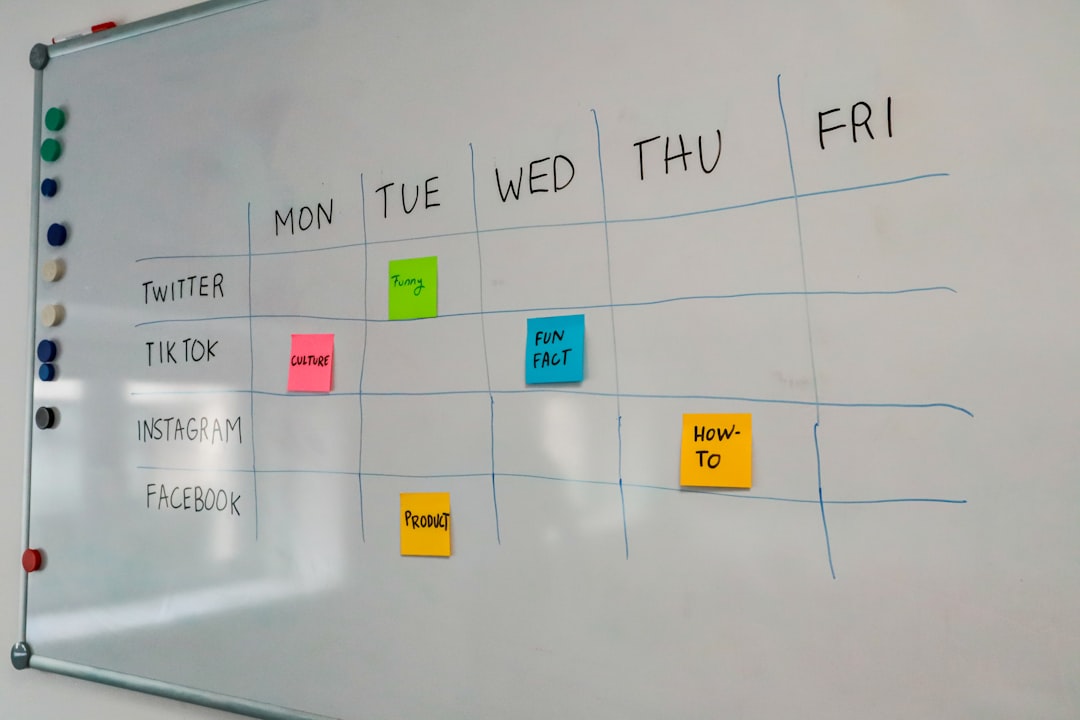
Trello uses boards, lists, and cards. It is very visual. Imagine sticky notes on a wall, but digital.
This makes Trello great for group projects. You can create columns like To Do, Doing, and Done. Each task becomes a card. You can assign people, add due dates, attach files, and leave comments.
Trello is also useful for tracking big semester goals. You can make a board for each class. Or you can make one big board for your whole semester.
Best for: Group work and visual planners.
Why students like it:
- Easy drag-and-drop boards.
- Great for teams.
- Clear progress tracking.
- Good for projects with many steps.
- Simple to understand.
Watch out for: It is not ideal for long notes. Use it for planning, not lecture writing.
8. Obsidian: Best for Deep Thinkers
Obsidian is for students who love connecting ideas. It uses linked notes. That means you can connect one note to another, like building a web of knowledge.
This is great for subjects with big ideas. Think philosophy, literature, psychology, history, or research writing. You can create a note for one concept and link it to related notes.
Over time, Obsidian helps you see patterns. It can turn your notes into a personal knowledge map. Very cool. Also slightly wizard-like.
Best for: Research, writing, and idea-heavy subjects.
Why students like it:
- Excellent for linked notes.
- Good for long-term learning.
- Works well with plain text files.
- Many plugins are available.
- Great for building a knowledge base.
Watch out for: It has a learning curve. If you just need simple class notes, it may feel like too much.
9. Evernote: Best for Collecting Research
Evernote has been around for a long time. It is still useful for collecting information. You can save notes, web clips, PDFs, images, and scanned documents.
It is especially handy for research papers. You can clip articles from the web and store them in notebooks. You can tag sources by topic. You can keep everything in one neat place.
Best for: Research, web clips, and file storage.
Why students like it:
- Strong web clipper.
- Good search features.
- Handles many types of content.
- Useful for research projects.
- Works across devices.
Watch out for: Some features may require a paid plan. Check what you need before you commit.
How to Choose the Right Study App
Do not choose an app because it looks cool on TikTok. Choose it because it solves your real problem.
Ask yourself these questions:
- Do I type or handwrite notes? Pick OneNote or Goodnotes.
- Do I forget deadlines? Pick Todoist.
- Do I want one big system? Pick Notion.
- Do I work in groups often? Pick Trello.
- Do I need quick reminders? Pick Google Keep.
- Do I research a lot? Pick Evernote or Obsidian.
The goal is not to build the perfect system. The goal is to make school easier.
A Simple 2026 Study App Setup
If you feel confused, try this simple combo:
- One note app: Notion, OneNote, Goodnotes, or Apple Notes.
- One task app: Todoist or Google Keep.
- One calendar: Google Calendar, Apple Calendar, or Outlook Calendar.
That is enough. Really. You do not need 14 apps. You need a clean place for notes, a clear place for tasks, and a calendar that tells you when your life is about to explode.
Final Thoughts
The best study apps for college students in 2026 are not magic. They will not write your essay, attend your 8 a.m. class, or stop you from watching “just one more” video. But they can help a lot.
Use Notion if you want a full study dashboard. Use OneNote if you want flexible notes. Use Goodnotes if you love handwriting. Use Todoist if deadlines scare you. Use Trello if your group project needs adult supervision.
Start small. Keep your system simple. Review it every week. Delete clutter. Rename messy files. Check your tasks. Then go study, take breaks, and drink water like a responsible academic goblin.
Your app should support your brain. It should not become your second major.