Uber Eats is usually the stronger pick for reach, app polish, and subscription value, while Grubhub often feels better for restaurants that want simpler ordering tools and access to office, campus, and local diner demand. For customers, the cheaper app changes by cart size, distance, promos, and service fees. For restaurants, the real comparison sits in commission tiers, delivery support, order controls, and how much visibility the platform can provide. Uber’s Delivery segment reported $18.1 billion in gross bookings in Q2 2024, which shows why Uber Eats has major scale in this category [source: Uber].
TLDR: Uber Eats tends to win for customers who order often from national chains or want one membership for food, rides, and grocery perks. Grubhub can be a better fit for local restaurants, college users, and diners who already get Grubhub+ through a partner program. For example, a customer placing four $25 orders per month could save more with either subscription if each order avoids a $3 to $5 delivery fee. The big annoyance is that both apps can show a low delivery fee, then raise the final total with service fees and small order charges.
Delivery Fees: Which App Costs Less?
There is no permanent winner on delivery fees. Uber Eats and Grubhub both use variable pricing. A diner may see one restaurant listed with a $0.49 delivery fee and another at $5.99, even if both are nearby. Distance, driver supply, restaurant demand, weather, basket size, and promotions can all change the final price.
Uber Eats often feels aggressive with promos. It may show limited-time discounts, free delivery offers, or percentage-off coupons inside the app. Grubhub also offers promo codes, but its value can be more tied to local restaurant deals and member benefits.
- Uber Eats fees may include: delivery fee, service fee, small order fee, priority delivery fee, local regulatory fees, and optional tip.
- Grubhub fees may include: delivery fee, service fee, small order fee, local fees, and optional tip.
- Customer impact: a $16 meal can become $24 to $30 after fees and tip, especially during peak hours.
Honestly, it feels like the checkout screen is where both apps stop being friendly. A customer can spend 90 seconds picking food, then another few minutes checking whether the “deal” survived fees. The best practice is simple: compare the same basket in both apps before paying.
Merchant Services and Commission Models
For restaurants, Uber Eats and Grubhub are not just delivery apps. They are sales channels, advertising systems, order management tools, and customer discovery platforms. The tradeoff is cost.
Uber Eats offers marketplace plans that commonly vary by visibility and delivery support. Restaurants may choose lower-cost options with less exposure or higher-cost plans that improve placement and access to courier delivery. Exact pricing depends on market, contract terms, and service type.
Grubhub generally separates marketing commission, delivery services, processing fees, and optional promotional spending. Restaurants may pay more when they use Grubhub’s driver network, but less if they handle delivery themselves. Grubhub also has a long history with independent restaurants and corporate meal programs, which can help certain merchants reach weekday lunch buyers.
- Uber Eats merchant strengths: large user base, strong courier network, national brand demand, ad products, grocery and convenience expansion.
- Grubhub merchant strengths: restaurant ordering heritage, campus dining ties, corporate ordering, local restaurant familiarity, self-delivery options.
- Shared weakness: commissions can eat into already thin margins.
Restaurants should not compare only commission percentages. A cheaper plan that brings fewer orders may not help. A higher commission plan can still work if it pushes enough profitable tickets. The better metric is net profit per order after food cost, packaging, labor, fees, refunds, and promos.
Subscription Options: Uber One vs Grubhub+
Uber One is the broader subscription. It covers eligible Uber Eats orders and can also provide Uber ride benefits. That makes it stronger for households that use Uber for more than dinner. Benefits usually include $0 delivery fees on eligible orders, reduced service fees, member offers, and ride perks. Eligibility rules still apply, such as minimum basket sizes and participating merchants.
Grubhub+ focuses more tightly on food ordering. It commonly offers $0 delivery fees on eligible orders, lower service fees in some cases, member-only deals, and donation or pickup-related perks that may vary. Grubhub+ also appears through partner offers, such as credit cards, student programs, and memberships.
The better subscription depends on ordering habits:
- Frequent Uber rider: Uber One usually makes more sense.
- Student or campus diner: Grubhub+ may be easier to justify.
- Family ordering twice a week: either plan can pay for itself if eligible restaurants are nearby.
- Occasional user: skipping the subscription may be cheaper.
The catch is that “$0 delivery fee” does not mean “no fees.” Service fees, taxes, tips, and small order rules can still apply. Customers should check two or three past receipts before subscribing.
Restaurant Ordering Features
Uber Eats has a clean ordering flow. Search is fast, filters are useful, and tracking looks polished. Customers can reorder past meals, schedule orders, customize items, and track couriers on a map. For many users, Uber Eats feels more modern.
Grubhub’s ordering system is practical and restaurant-centered. It often handles large menus well, supports scheduled orders, offers group orders in many cases, and works nicely for offices. Its restaurant pages can feel less flashy, but the core tools are solid.
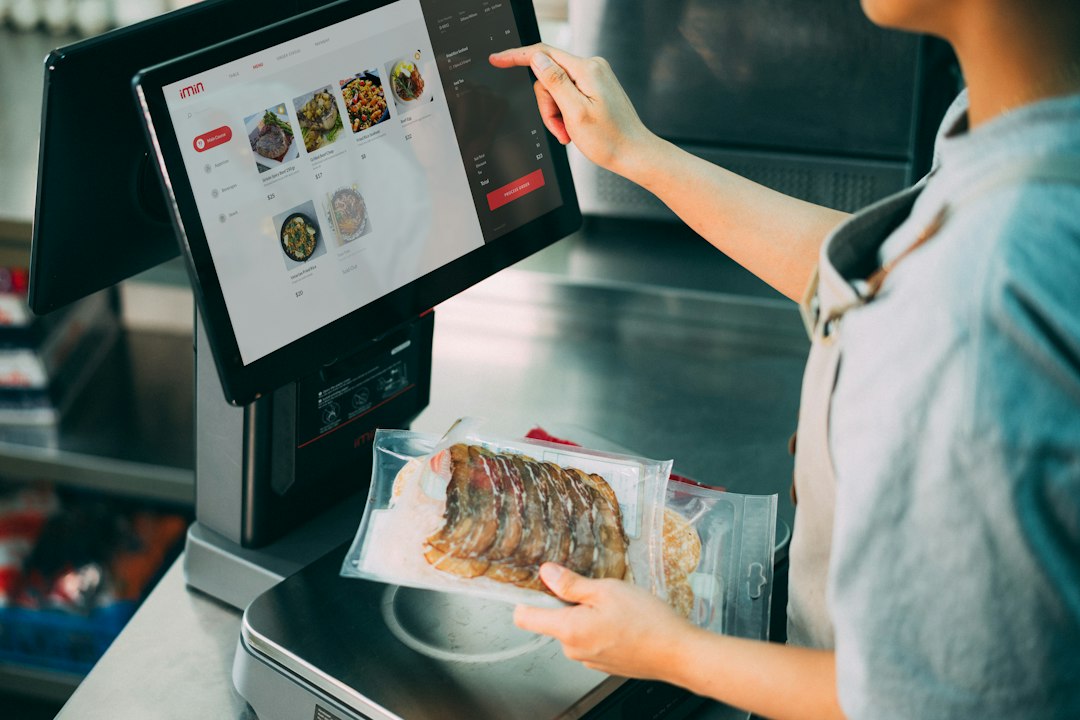
For restaurants, order accuracy matters more than app polish. Both platforms support modifiers, photos, menu edits, hours, item availability, and pause controls. Still, menu management can be tedious. A restaurant with 90 menu items and custom toppings may spend hours cleaning up modifiers so guests do not order impossible combinations.
- Uber Eats customer features: strong tracking, broad categories, cross-category ordering, polished mobile experience.
- Grubhub customer features: good local restaurant search, scheduled ordering, group ordering, campus and office use cases.
- Restaurant pain point: refunds and complaints can pile up when menu setup is messy.
Which Platform Is Better for Customers?
Uber Eats is better for customers who want selection and speed. It usually has broad coverage in major cities and suburbs. It also has strong coverage across chains, convenience shops, grocery options, and alcohol delivery where available.
Grubhub is better for customers loyal to local restaurants or partner perks. It may be especially useful near universities, dense downtown areas, and places where independent restaurants have used Grubhub for years.
A practical comparison is best. A customer should search the same restaurant, same meal, same delivery address, and same tip. If Uber Eats is $28.40 and Grubhub is $24.90, the answer is obvious for that order. Next week, promos may flip the result.
Which Platform Is Better for Restaurants?
Uber Eats is often better for restaurants chasing volume. Its scale can help new customers discover a restaurant. Paid placement and promotions may boost visibility, though costs can rise fast.
Grubhub may suit restaurants that want steady marketplace ordering without chasing every possible channel. It can be attractive for self-delivery restaurants and merchants with strong lunch traffic. It may also fit brands that care about office catering, scheduled meals, and repeat local buyers.
The smartest restaurants track each app separately. They should measure order count, average ticket, refund rate, prep time pressure, packaging cost, and profit. If an app produces high volume but weak margins, the restaurant may need higher menu prices, fewer discounts, or a lower-cost service plan.
Final Verdict
Uber Eats wins on scale, convenience, and multi-service membership value. It is a strong choice for customers who want more categories than restaurant meals and for merchants that want broad exposure.
Grubhub wins when local ordering, campus access, office meals, or simpler restaurant relationships matter more. It may not always feel as slick, but it can still be the better fit for the right diner or merchant.
The best answer is not universal. Customers should compare the final checkout total, not the advertised delivery fee. Restaurants should compare net profit, not gross sales. That single habit prevents expensive mistakes.
FAQ
Is Uber Eats cheaper than Grubhub?
Not always. Uber Eats may be cheaper on one order, while Grubhub may be cheaper on another. Fees, distance, promos, and subscription eligibility change the total.
Does Uber One remove all Uber Eats fees?
No. Uber One can remove delivery fees on eligible orders and may reduce some costs, but service fees, taxes, tips, and minimum order rules can still apply.
Is Grubhub+ worth it?
Grubhub+ can be worth it for frequent users, students, office workers, or anyone with many eligible restaurants nearby. Occasional users may not save enough.
Which app is better for restaurants?
Uber Eats is often stronger for reach and order volume. Grubhub can be better for local loyalty, self-delivery, campuses, and office ordering.
Should restaurants use both Uber Eats and Grubhub?
Many restaurants should test both. After 30 to 60 days, they should compare profit, refund rates, order volume, and staff strain before choosing where to invest more.