
Modern internet privacy depends on more than simply choosing a browser or installing a basic VPN. In many environments, organizations, remote workers, and privacy-conscious users need flexible tools that can route traffic, reduce exposure, and adapt to changing network conditions. A V2Ray server is one such tool: it provides a modular proxy platform designed for encrypted communication, traffic routing, and network resilience.
TLDR: A V2Ray server is a flexible proxy server used to route internet traffic through encrypted and configurable protocols. It is often discussed in relation to privacy, censorship resistance, secure remote access, and advanced network routing. Unlike simple proxy tools, V2Ray supports multiple protocols, routing rules, and transport layers. Deployment requires careful configuration, server hardening, and responsible, lawful use.
What Is a V2Ray Server?
A V2Ray server is a server-side component of the V2Ray platform, a network proxy framework that allows internet traffic to be forwarded through configurable channels. Instead of connecting directly to a destination website or service, a client can send traffic to the V2Ray server, which then forwards that traffic onward according to predefined rules.
V2Ray is not a single-purpose VPN. It is better described as a network routing and proxy toolkit. It supports multiple protocols, inbound and outbound connections, traffic rules, and transport methods. This flexibility allows administrators to build custom routing systems for privacy, testing, remote access, or network optimization.
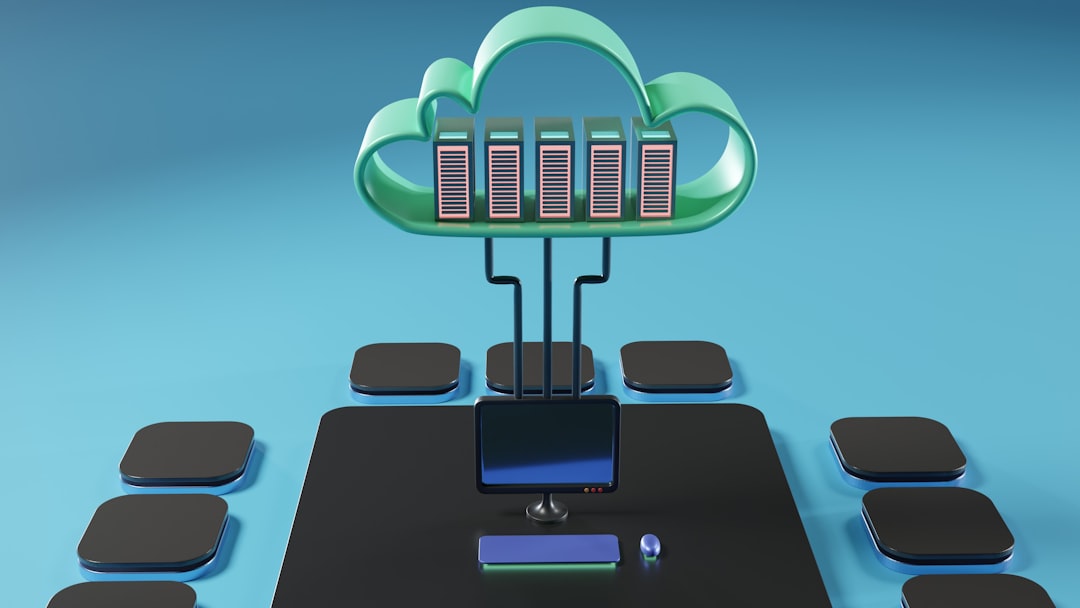
In a typical setup, the user runs a V2Ray client on a local device, while the V2Ray server runs on a remote machine such as a virtual private server. The client and server communicate using a supported protocol, and the server acts as an intermediary between the user and the wider internet.

How V2Ray Works at a Basic Level
V2Ray works through a combination of inbound and outbound connections. An inbound connection defines how traffic enters the V2Ray system, while an outbound connection defines how that traffic leaves. This structure makes V2Ray highly adaptable because traffic can be accepted, processed, routed, blocked, or forwarded based on configuration rules.
For example, a client application may accept traffic from a browser through a local SOCKS or HTTP proxy. That traffic is then encrypted and sent to a remote V2Ray server. The server receives it, decrypts or processes it according to the selected protocol, and sends it to the intended destination.
V2Ray can also apply routing logic. This means different categories of traffic can be handled differently. A configuration may send some traffic through a proxy, allow some traffic to connect directly, and block unwanted destinations. This is one reason V2Ray is popular among advanced users who need more control than a traditional VPN application provides.
Key Components of a V2Ray Setup
A standard V2Ray deployment includes several important components. Each plays a role in how traffic is managed and protected.
- Client: The software running on the user’s device. It receives local traffic and sends it to the server.
- Server: The remote system that receives traffic from the client and forwards it to the internet.
- Protocol: The method used for communication between client and server, such as VMess, VLESS, or other supported options.
- Transport: The underlying way traffic is carried, such as TCP, WebSocket, gRPC, or QUIC.
- Routing rules: Instructions that determine which traffic should be proxied, blocked, or sent directly.
- Encryption and authentication: Mechanisms that help protect communications and prevent unauthorized access.
These components allow V2Ray to behave differently depending on the needs of the administrator. A simple setup may only forward traffic through one server, while a more advanced deployment may include multiple outbound routes, domain-based rules, or integration with TLS certificates.
Privacy Benefits and Limitations
V2Ray can improve privacy by reducing direct exposure between a user’s device and the websites or services being accessed. When configured correctly, destination servers see traffic coming from the V2Ray server rather than the user’s original IP address. This can help limit profiling based on IP location and protect users on untrusted networks.
Encryption between the client and server can also help prevent local network observers from easily reading traffic contents. This is especially relevant on public Wi-Fi, shared networks, or environments where traffic inspection is common.
However, V2Ray should not be misunderstood as a complete anonymity solution. The V2Ray server operator may still be able to observe connection metadata, and the hosting provider may log server activity. Websites can also track users through cookies, browser fingerprints, account logins, and device identifiers. For that reason, V2Ray is best viewed as one layer in a broader privacy strategy.
Important privacy limits include:
- It does not automatically prevent browser fingerprinting.
- It does not erase account-based tracking by websites or apps.
- It depends heavily on correct configuration and secure server management.
- It may not hide the fact that a proxy-like connection is being used.
- It does not replace good operational security practices.
Common Protocols and Transports
One reason V2Ray is widely discussed is its support for different protocols and transport layers. Protocols define how the client and server authenticate and communicate, while transports define how that communication is carried over the network.
VMess was historically one of V2Ray’s widely known protocols. It includes authentication and encryption features, although many modern setups have moved toward newer options. VLESS is another protocol associated with the V2Ray ecosystem. It is designed to be lightweight and is often combined with TLS-based security.
Transport layers may include TCP, WebSocket, gRPC, HTTP based transports, or QUIC. Each has different operational characteristics. WebSocket, for instance, is often used when traffic needs to blend with ordinary web service patterns, while gRPC can be useful in modern infrastructure environments.
The best choice depends on the deployment goal. A private lab environment may prioritize simplicity and performance, while a production deployment may prioritize reliability, certificate management, monitoring, and compatibility with existing infrastructure.
Deployment Basics
Deploying a V2Ray server usually begins with choosing a suitable remote server. Many administrators use a virtual private server from a cloud provider. The server should have sufficient bandwidth, a stable network connection, and an operating system that the administrator knows how to secure.
The next step is installing the V2Ray software or a compatible implementation. After installation, the administrator defines a server configuration. This configuration typically includes listening ports, accepted protocols, client authentication details, transport settings, and outbound routing behavior.
On the client side, matching settings must be configured. The client must know the server address, port, protocol, authentication information, and transport options. If the server uses TLS, the client must also connect using the appropriate domain and certificate expectations.
A basic deployment process may include:
- Provisioning a server with a reliable provider and supported operating system.
- Securing the server by applying updates, configuring a firewall, and disabling unnecessary services.
- Installing V2Ray or a compatible core package from a trusted source.
- Creating a configuration that defines inbound protocols, ports, users, and outbound behavior.
- Adding TLS where appropriate, usually with a valid domain name and certificate.
- Configuring clients with matching connection details.
- Testing connectivity to confirm that traffic is routed as expected.
- Monitoring and maintaining the server over time.
Security Considerations
A V2Ray server is only as secure as its deployment. If the server is misconfigured, outdated, or poorly protected, it may create risks rather than reduce them. Administrators should treat a proxy server as internet-facing infrastructure that requires ongoing maintenance.
Strong authentication is essential. Exposed services should not allow unknown users to connect. Firewall rules should limit unnecessary ports, and administrative access should be protected with secure SSH practices. Regular software updates are also important because proxy software, operating systems, and TLS libraries can receive security patches over time.
Logging should be considered carefully. Some administrators minimize logs to improve privacy, while others retain limited logs for troubleshooting and abuse prevention. The right balance depends on legal requirements, organizational policy, and operational needs.
Recommended security practices include:
- Use trusted installation sources and verify project documentation.
- Keep the operating system and V2Ray components updated.
- Use strong authentication identifiers and avoid shared public configurations.
- Protect server administration with keys, restricted access, and firewall rules.
- Use TLS correctly when the deployment requires encrypted web-like transport.
- Review logs and resource usage for unexpected activity.
Performance and Reliability
Performance depends on server location, CPU capacity, network quality, encryption overhead, and the selected transport. A nearby server usually provides lower latency, while a distant server may increase delay. Heavy encryption or complex routing rules can also affect throughput on smaller virtual servers.
Reliability is equally important. A well-configured deployment should consider restart behavior, system monitoring, disk usage, and certificate renewal. If TLS certificates expire or firewall rules change unexpectedly, clients may lose connectivity. For long-term use, administrators often create a simple maintenance checklist.
In business settings, V2Ray should be integrated into a broader operational plan. That plan may include incident response, configuration backups, access control, and documentation. When multiple users depend on one server, administrators should also consider capacity planning and acceptable use policies.
Responsible and Legal Use
V2Ray is a neutral technology. Like many networking tools, it can be used for legitimate privacy, secure access, research, and routing purposes. It can also be misused if deployed to violate laws, bypass organizational rules, or hide harmful activity. Responsible use requires respect for local regulations, provider terms, and network ownership.
Organizations should ensure that V2Ray deployments align with their security policies. Individuals should understand the laws and rules that apply in their location. A privacy tool is most valuable when it is used ethically, transparently where required, and in combination with careful digital habits.
When V2Ray May Be Useful
A V2Ray server may be useful when a user or organization needs more routing flexibility than a standard VPN provides. It can support advanced traffic rules, multiple connection methods, and adaptable transport options. It may be especially relevant for developers, network engineers, privacy researchers, and administrators who understand server management.
However, V2Ray may be excessive for casual users who simply want basic encrypted browsing on public Wi-Fi. A reputable VPN, secure browser settings, and good account security may be simpler. V2Ray fits best when customization, self-hosting, and fine-grained control are important.
Conclusion
A V2Ray server is a powerful and flexible proxy platform for privacy-focused networking and custom traffic routing. It combines modular protocols, transport options, and routing rules to give administrators more control than many conventional proxy or VPN tools. At the same time, it requires responsible deployment, careful security practices, and realistic expectations about privacy.
For those who understand server administration, V2Ray can be a valuable part of a layered privacy and networking strategy. For others, it may serve as an introduction to how modern proxy systems work and why secure configuration matters. Its greatest strength is flexibility, but that flexibility must be matched with knowledge, maintenance, and lawful use.
FAQ
What is a V2Ray server used for?
A V2Ray server is used to route traffic through a configurable proxy system. It can support privacy, remote access, traffic management, and advanced network routing scenarios.
Is V2Ray the same as a VPN?
No. V2Ray can provide some VPN-like privacy benefits, but it is a proxy framework rather than a traditional full-device VPN. It offers more granular routing and protocol flexibility.
Does V2Ray make a user anonymous?
Not by itself. V2Ray can hide a user’s original IP address from destination services, but websites, accounts, cookies, and browser fingerprints can still identify users.
Is a domain name required for V2Ray?
Not always, but a domain name is commonly used when TLS certificates or web-based transports are part of the deployment.
What is the difference between VMess and VLESS?
VMess and VLESS are protocols associated with the V2Ray ecosystem. VMess includes built-in authentication and encryption concepts, while VLESS is designed to be lighter and is often paired with TLS-based security.
Can V2Ray improve security on public Wi-Fi?
It can help protect traffic between the client and the V2Ray server, especially when encryption is configured correctly. However, users should still rely on HTTPS, updated software, and safe browsing habits.
Is V2Ray difficult to deploy?
It can be more complex than installing a consumer VPN app. Deployment requires a server, configuration files, client setup, security hardening, and ongoing maintenance.
What should be considered before running a V2Ray server?
The administrator should consider legal requirements, hosting provider rules, server security, authentication, update management, logging policy, and expected bandwidth usage.