Choosing a construction ERP is less about buying “accounting software” and more about deciding how your company will manage projects, people, equipment, compliance, and cash flow in one connected system. Viewpoint Spectrum, part of Trimble Construction One, is a cloud-based ERP platform built for contractors that need stronger operational control than basic bookkeeping tools can provide.
TLDR: Viewpoint Spectrum is a strong construction ERP for mid-sized and larger contractors that want cloud accounting, job costing, project management, payroll, equipment tracking, and reporting in a single platform. Pricing is quote-based, so a 75-person specialty contractor may pay very differently from a multi-entity general contractor with hundreds of users. For example, a contractor managing 40 active jobs could use Spectrum dashboards to compare committed costs, labor productivity, and billing status without waiting for weekly spreadsheet updates. Its biggest competitors include Sage 300 Construction and Real Estate, Foundation Software, Procore, Acumatica Construction Edition, and CMiC.
What Is Viewpoint Spectrum?
Viewpoint Spectrum is a construction-focused enterprise resource planning system designed to help contractors manage the financial and operational side of their business. Unlike general accounting software, Spectrum is built around construction workflows such as job cost tracking, progress billing, certified payroll, subcontract management, work orders, and equipment utilization.
The platform is especially relevant for general contractors, specialty contractors, heavy civil firms, electrical contractors, mechanical contractors, and contractors with complex payroll or compliance requirements. Because it is cloud-based, teams can access financial and project information from the office, jobsite, or remote locations, depending on permissions and configuration.

Core Construction ERP Features
Spectrum’s main strength is its breadth. It is not just a project management app or an accounting package; it is designed to connect back-office accounting with field and project operations.
1. Construction Accounting and Financial Management
At its core, Spectrum includes robust construction accounting capabilities. Users can manage general ledger, accounts payable, accounts receivable, cash management, purchase orders, and financial reporting. The software is particularly useful for contractors that need detailed cost visibility by job, phase, cost code, cost type, or division.
Job costing is one of the most important features. Spectrum allows teams to track budgets, committed costs, actuals, change orders, and projected final costs. This helps managers identify margin erosion before a job is complete, rather than discovering losses after closeout.
2. Project Management
Spectrum includes tools for managing construction projects from an administrative and financial perspective. Users can handle contracts, subcontracts, change orders, RFIs, documents, logs, and billing workflows. The system helps bridge the gap between project managers and accounting teams, reducing duplicate entry and inconsistent data.
For companies that struggle with disconnected spreadsheets, this can be a major advantage. A project manager can review cost status and pending change orders while accounting can process invoices and billings from the same underlying data.
3. Payroll and Human Resources
Construction payroll is often complicated, especially for companies working across unions, states, local jurisdictions, prevailing wage jobs, or certified payroll requirements. Spectrum supports payroll processing, tax handling, direct deposit, deductions, and labor cost allocation.
Its payroll functionality is valuable for contractors that need labor costs posted accurately to jobs. Instead of payroll being treated as a separate administrative process, labor hours and costs can flow into job costing, helping project managers understand productivity and profitability.
4. Equipment Management
Contractors with owned or rented equipment can use Spectrum to manage equipment costs, maintenance, usage, and allocation. This is especially useful for heavy civil, excavation, utility, and infrastructure companies where machines represent a large share of operating costs.
By tracking fuel, repairs, depreciation, rental charges, and utilization, companies can make better decisions about whether to rent, repair, replace, or reassign equipment.
5. Reporting and Business Intelligence
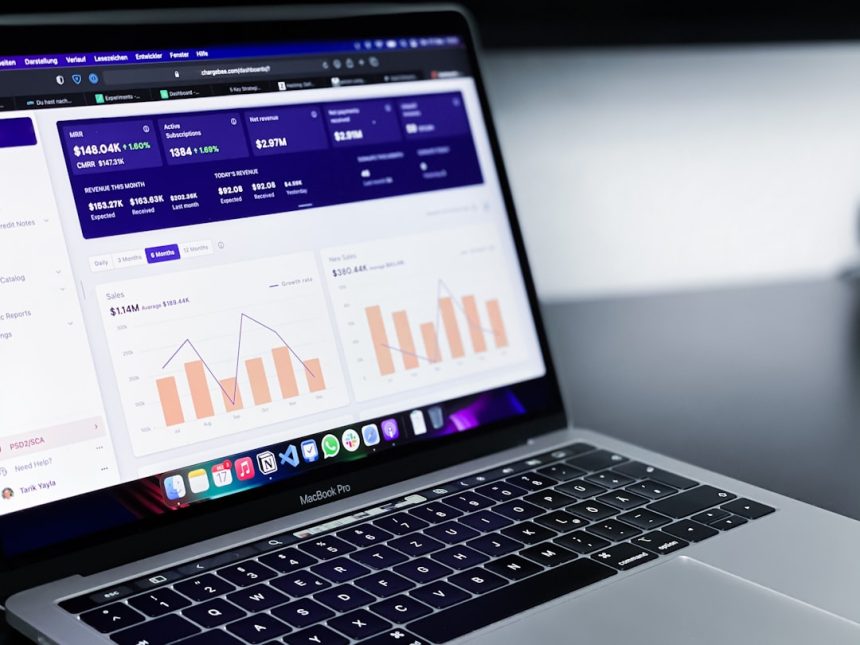
Viewpoint Spectrum offers dashboards and reports that help executives, controllers, and project leaders monitor performance. Common reporting areas include work in progress, cash flow, job profitability, open commitments, billing status, payroll, and equipment costs.
The real value is not just having reports, but having data that comes from one system. When estimates, budgets, change orders, invoices, and payroll are connected, reporting becomes more reliable and less dependent on manual reconciliation.

User Experience and Ease of Use
Spectrum’s interface is designed for business users, but it is still an ERP system, meaning implementation and training matter. Accounting teams and experienced construction administrators may adapt quickly, while field staff or project managers who are used to simple apps may need structured onboarding.
The advantage is that once workflows are configured properly, users can reduce repetitive entry and improve visibility. The challenge is that companies should not expect an ERP implementation to feel like installing a basic invoicing tool. Processes often need to be reviewed, cleaned up, and standardized.
Viewpoint Spectrum Pricing
Viewpoint Spectrum pricing is not publicly listed. Like many construction ERP systems, pricing is typically quote-based and depends on factors such as company size, number of users, modules selected, implementation scope, support needs, data migration, and integrations.
Prospective buyers should expect costs to include more than software licenses. A realistic budget may include:
- Subscription or licensing fees based on selected modules and users
- Implementation and configuration for accounting, payroll, job costing, and workflows
- Data migration from legacy systems or spreadsheets
- Training for accounting, project management, and executive users
- Ongoing support and possible integration costs
Because pricing can vary widely, contractors should request a detailed proposal and clarify what is included. Ask whether implementation, reporting setup, data conversion, mobile access, support, and future module additions are priced separately.
Best Fit: Who Should Consider Spectrum?
Viewpoint Spectrum is best suited for contractors that have outgrown entry-level accounting software and need a more integrated system. It is particularly attractive for companies with multiple active jobs, complex payroll, detailed job costing needs, and several departments relying on the same project data.
It may be a strong fit if your company:
- Needs construction-specific accounting rather than generic bookkeeping
- Manages many jobs, cost codes, change orders, and subcontractors
- Requires union, certified, or multi-state payroll support
- Owns or manages significant equipment assets
- Wants better executive reporting and job profitability visibility
However, smaller contractors with simple accounting needs may find Spectrum more powerful than necessary. If your company mainly needs estimating, scheduling, or field communication, a lighter project management platform may be easier to adopt.
Viewpoint Spectrum Competitors
The construction ERP market is competitive, and the best alternative depends on company size, trade, budget, and existing workflows.
Sage 300 Construction and Real Estate
Sage 300 CRE is a long-standing competitor known for construction accounting, property management, and financial control. It is often compared with Spectrum by contractors that need mature back-office functionality. Sage has deep accounting capabilities, though some companies may prefer Spectrum’s cloud-oriented environment and broader connection to Trimble’s construction ecosystem.
Foundation Software
Foundation Software is popular among contractors that want strong construction accounting and payroll, especially in specialty trades. It is often praised for job costing and certified payroll. Compared with Spectrum, Foundation may appeal to companies prioritizing accounting depth over full enterprise-wide ERP expansion.
Procore
Procore is best known for construction project management, field collaboration, documents, RFIs, submittals, and drawings. It is not a traditional accounting ERP in the same way Spectrum is, but many contractors compare the two when evaluating overall construction operations software. In some cases, companies use Procore for field and project collaboration while relying on an ERP like Spectrum for accounting and financial management.
Acumatica Construction Edition
Acumatica Construction Edition is a cloud ERP option with construction-specific capabilities. It offers financials, project accounting, mobile access, and flexible licensing. It may appeal to contractors looking for a modern cloud ERP with broad business management features beyond construction.
CMiC
CMiC is another enterprise-level construction platform used by larger contractors. It offers accounting, project controls, human capital management, asset management, and analytics. CMiC may be a better fit for very large firms with complex enterprise requirements, while Spectrum may be more approachable for mid-market contractors.

Pros and Cons
- Pros: Strong construction accounting, detailed job costing, payroll support, equipment management, integrated reporting, and cloud access.
- Pros: Useful for contractors that want to reduce spreadsheet reliance and centralize financial data.
- Cons: Pricing is not transparent, and implementation can require significant planning.
- Cons: Smaller contractors may find it more complex than necessary.
Final Verdict
Viewpoint Spectrum is a capable construction ERP for contractors that need financial discipline and operational visibility across jobs. Its strongest value lies in connecting accounting, payroll, job costing, project administration, equipment, and reporting in one environment. For companies managing dozens of active projects or struggling with disconnected tools, Spectrum can provide a clearer picture of profitability and risk.
The main caution is that Spectrum should be evaluated as a serious ERP investment, not a quick software swap. Buyers should compare demos, request detailed pricing, check implementation timelines, and involve accounting, project management, payroll, and executive stakeholders. For the right contractor, Viewpoint Spectrum can become the financial and operational backbone of the business.