For years, Unbounce has been one of the go-to landing page builders for marketers looking to launch campaigns quickly without relying on developers. However, as marketing teams evolve and growth strategies become more sophisticated, many organizations are searching for alternatives that better fit their budgets, workflows, and ambitions. Whether it’s pricing flexibility, deeper integrations, or advanced experimentation features, the market today offers a rich variety of tools designed to help teams capture, convert, and optimize traffic more effectively.
TLDR: While Unbounce remains a solid landing page builder, numerous alternatives now provide competitive or superior features depending on your needs. Tools like Webflow, Instapage, Leadpages, HubSpot, ClickFunnels, and Carrd cater to different budgets and growth stages. Some emphasize design freedom, others focus on conversion optimization, CRM integration, or funnel building. Choosing the right platform depends on your team size, technical skill level, and growth objectives.
Why Marketers Look Beyond Unbounce
Unbounce excels at quick page creation and A/B testing. But marketers and growth teams often expand their toolkits for several reasons:
- Cost scaling issues: As traffic grows, pricing can increase significantly.
- Design flexibility: Advanced teams may want deeper customization options.
- All-in-one functionality: Some teams prefer a unified CRM, email automation, and landing page solution.
- Funnel building capabilities: Modern growth strategies often go beyond standalone landing pages.
With those needs in mind, let’s explore some of the most powerful Unbounce alternatives and what makes them stand out.

1. Instapage – Advanced Optimization for Paid Media
Best for: Performance-driven marketing teams running large paid campaigns.
Instapage is often considered the closest direct competitor to Unbounce. It focuses heavily on post-click optimization and conversion rate improvement. With features like heatmaps, dynamic text replacement, and collaboration workflows, it’s particularly appealing to enterprise growth teams.
Key Advantages:
- Personalized post-click experiences
- Built-in heatmaps
- Ad-to-page matching
- Robust collaboration tools for teams
Potential downside: Pricing may be even higher than Unbounce for smaller businesses.
2. Leadpages – Budget-Friendly and Beginner-Friendly
Best for: Small businesses, startups, and solopreneurs.
If affordability and simplicity are priorities, Leadpages is a compelling alternative. It offers conversion-optimized templates and easy integrations without requiring advanced technical skills.
Key Advantages:
- Affordable plans
- High-converting templates
- Built-in popups and alert bars
- Simple drag-and-drop builder
For lean growth teams that need quick deployments without heavy customization, Leadpages strikes an effective balance between cost and functionality.
3. Webflow – Maximum Design Control
Best for: Design-focused teams and companies needing complete creative control.
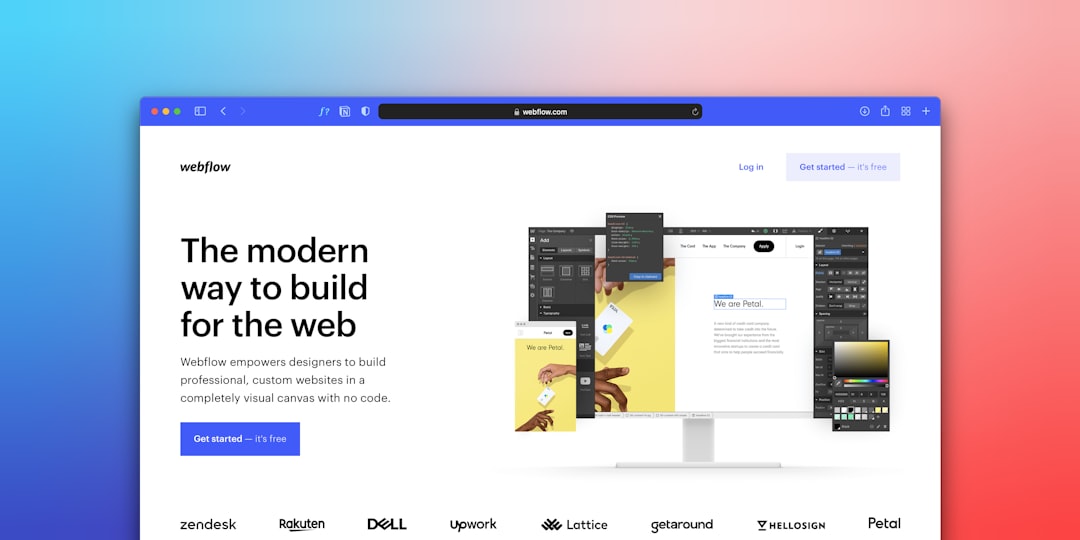
Webflow isn’t just a landing page builder; it’s a full visual development platform. Unlike Unbounce’s structured editor, Webflow offers near-total design freedom, allowing marketers to create sophisticated, highly branded experiences.
Key Advantages:
- Pixel-perfect customization
- CMS capabilities
- Hosting included
- Advanced animations and interactions
The trade-off is a steeper learning curve. Growth teams with access to designers or technical marketers tend to get the most from Webflow.
4. HubSpot – All-in-One Marketing Integration
Best for: Teams wanting landing pages deeply integrated with CRM and automation.
HubSpot’s landing page builder is part of its broader marketing automation ecosystem. For teams already using HubSpot CRM, this integration offers powerful advantages such as smart content personalization and seamless lead nurturing.
Key Advantages:
- Native CRM integration
- Smart personalization features
- Built-in email marketing
- Advanced reporting and attribution tracking
If your strategy relies heavily on lifecycle marketing and lead scoring, HubSpot can eliminate the need for multiple disconnected tools.
5. ClickFunnels – Funnel-First Growth Platform
Best for: Businesses focused on multi-step sales funnels.
Where Unbounce emphasizes standalone landing pages, ClickFunnels prioritizes complete sales journeys: opt-in pages, upsells, order forms, and membership areas. This is particularly valuable for digital products, coaches, and ecommerce brands.
Key Advantages:
- Pre-built funnel templates
- Order pages and upsells
- Built-in payment integration
- Email automation capabilities
For performance marketers who care about average order value and customer lifetime value, funnel optimization often matters more than individual page design.
6. Carrd – Minimalist and Extremely Affordable
Best for: Simple campaigns and one-page projects.
Carrd is surprisingly powerful for its price point. While it lacks enterprise features like deep testing tools or dynamic personalization, it works exceptionally well for:
- Product launches
- MVP validation
- Email list building
- Personal branding pages
For early-stage founders testing ideas rapidly, Carrd provides speed and affordability.
Comparison Chart of Leading Unbounce Alternatives
| Tool | Best For | Ease of Use | Customization Level | Pricing Tier | Notable Feature |
|---|---|---|---|---|---|
| Instapage | Enterprise paid media teams | High | High | Premium | Post-click personalization |
| Leadpages | Small businesses | Very High | Moderate | Affordable | Conversion-ready templates |
| Webflow | Design-driven brands | Moderate | Very High | Mid to Premium | Full visual development control |
| HubSpot | CRM-driven marketing teams | High | Moderate | Mid to Premium | All-in-one CRM integration |
| ClickFunnels | Sales funnel builders | High | Moderate | Mid | End-to-end funnel system |
| Carrd | Solopreneurs and MVPs | Very High | Basic | Low | Ultra-low pricing |
Key Factors to Consider When Choosing an Alternative
Selecting the right platform isn’t just about features. Growth teams should evaluate:
- Traffic expectations: Will pricing scale with your campaigns?
- Page speed: Faster load times directly impact conversions.
- Testing capabilities: Robust A/B or multivariate testing can dramatically improve performance.
- Integration stack: Does the tool integrate with your CRM, analytics, and ad platforms?
- Collaboration workflows: Larger teams need comment systems and approval flows.
Ultimately, the best choice aligns with your long-term growth strategy rather than your current needs alone.
Beyond Landing Pages: The Future of Conversion Platforms
The evolution of landing page software reflects broader changes in digital marketing. Today, growth teams expect:
- AI-assisted copy and design recommendations
- Predictive personalization
- Deeper analytics and attribution models
- Integrated funnel and lifecycle marketing tools
Standalone landing page builders are increasingly merging into comprehensive experience platforms. As paid acquisition costs rise, optimizing the entire customer journey—not just the first click—has become essential.
Final Thoughts
Unbounce remains a respected and capable platform, especially for straightforward campaign deployment and testing. However, marketers today have more specialized and flexible tools available than ever before.
If you want enterprise-grade optimization, Instapage may be the best fit. For affordable simplicity, Leadpages or Carrd shines. Design-focused teams gravitate toward Webflow, while CRM-centric organizations benefit from HubSpot. And if building complete conversion funnels is your goal, ClickFunnels provides a practical ecosystem.
In the end, your ideal alternative depends on how your growth strategy is structured. The smartest teams evaluate their full marketing stack, identify bottlenecks, and choose the tool that removes friction—not just for launching pages, but for scaling revenue.
The right platform doesn’t just help you build landing pages. It helps you build momentum.