Google Opinion Rewards has become one of the easiest ways to earn small amounts of Play Store credit or cash simply by sharing your opinion. While the concept is simple—answer short surveys and get rewarded—not everyone receives surveys at the same frequency. If you’ve ever wondered why some people seem to get them regularly while you’re stuck waiting, the answer often lies in understanding how the system works and how to position yourself as a valuable survey participant.
TLDR: To get more Google Opinion Surveys, you need to keep your profile accurate, enable location services, visit a variety of places, and respond quickly to notifications. Consistency, honesty, and engagement across Google services increase your chances of qualifying for more surveys. Small daily habits can significantly boost survey frequency over time. Treat it like building a strong digital footprint rather than chasing quick rewards.
Understanding How Google Opinion Rewards Works
Before trying to increase the number of surveys you receive, it’s important to understand what drives them. Google Opinion Rewards partners with market researchers who want feedback about specific experiences—such as visiting a store, watching a YouTube video, or using a particular service.
Surveys are typically triggered by:
- Location history (places you’ve recently visited)
- Search activity
- YouTube activity
- App usage patterns
- Demographic profile information
The more relevant data Google has (accurately provided), the more likely you are to match survey criteria.
Keep Your Profile Complete and Accurate
When you first install Google Opinion Rewards, you’re asked basic demographic questions. Many users rush through this step, but this information is critical. Market research surveys often target specific demographics, such as:
- Age groups
- Income brackets
- Education levels
- Parental status
- Employment status
Accuracy is essential. If your answers are inconsistent over time, Google may reduce the number of surveys you receive. The system checks for reliability, and inaccurate responses can flag your account as less trustworthy.
Take time to review and update your profile when life circumstances change. Consistency builds credibility.
Enable Location History (This Is Huge)
If there’s one strategy that consistently increases survey frequency, it’s enabling detailed location tracking. Many surveys are based on recent store visits.
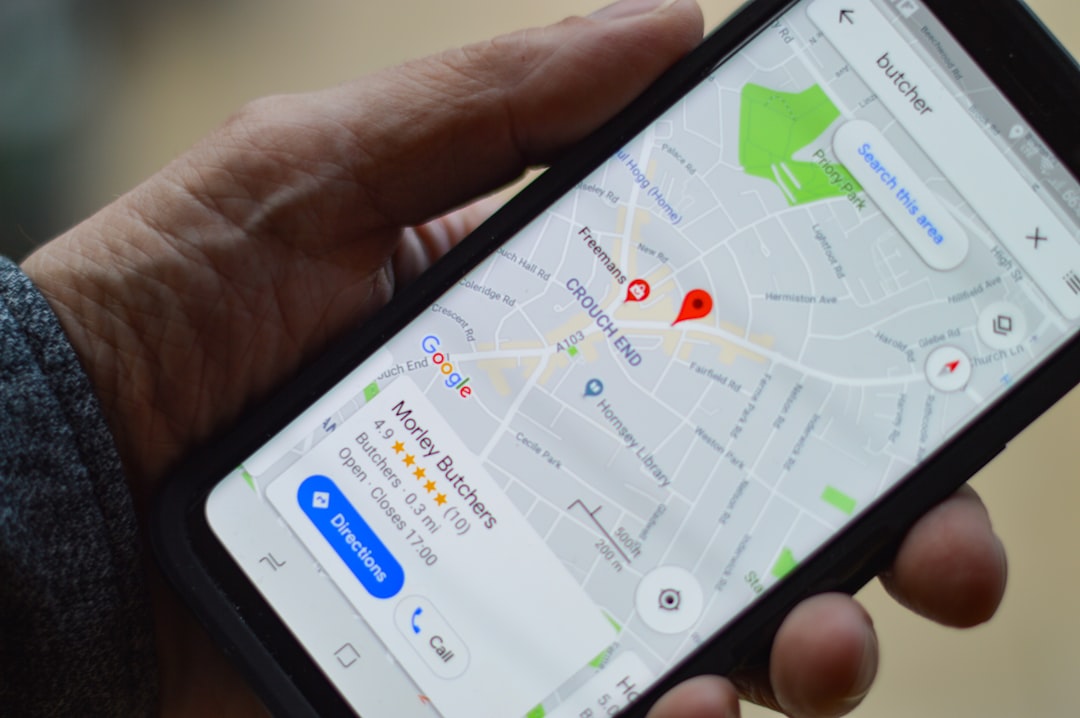
When your phone detects that you’ve visited a restaurant, supermarket, or retail store, you may receive a survey within 24–48 hours asking:
- Did you visit this store?
- How did you pay?
- Did you make a purchase?
- What department did you visit?
To maximize this opportunity:
- Turn on Location History
- Allow precise location permissions
- Keep Google Maps installed and updated
- Avoid disabling GPS when out shopping
The more places you physically visit, the more trigger events you create.
Visit a Variety of Stores and Places
Routine is comfortable, but variety brings surveys. If you only visit the same two places each week, you reduce the number of potential survey triggers.
Consider incorporating new locations into your routine:
- Different grocery chains
- Shopping malls
- Coffee shops
- Gas stations
- Movie theaters
- Fast food restaurants
Even small stops—like walking into a store briefly—can trigger a survey. The key is diversity. Google’s survey partners want data across brands and experiences.
Respond Quickly to Notifications
Surveys expire quickly, often within 24 hours. If you ignore notifications, you reduce your effective survey count.
To prevent missing opportunities:
- Enable push notifications
- Disable battery optimization for the app
- Check the app daily
- Keep background data enabled
A fast response increases the likelihood of consistent future surveys. Late responses may result in fewer invitations.
Answer Honestly Every Time
Many users attempt to “game” the system by claiming visits they didn’t make, hoping for higher rewards. This often backfires.
Google frequently includes location verification questions such as:
- Select the stores you visited recently (with wrong options included)
- Choose the payment method used
- Upload a receipt (in some regions)
If your answers contradict known data, you may receive fewer surveys in the future. Some users report dramatic decreases after inaccurate responses.
Consistency builds trust. Trust leads to more surveys.
Engage with Other Google Services
Activity across Google’s ecosystem can help you qualify for indirect surveys. While this doesn’t guarantee more invitations, it increases touchpoints.
Consider engaging with:
- YouTube (watch videos, like, comment)
- Google Assistant
- Google Search
- Google Maps reviews
- Google Play purchases
Occasionally, surveys ask about ads you’ve seen or products you’ve searched for. Active users tend to generate more research opportunities.
Travel (Even Short Distances)
Travel increases survey potential dramatically. New cities, airports, hotels, and tourist attractions all generate higher research interest.
Even short trips to nearby towns can trigger new survey campaigns. Airports in particular tend to produce frequent questionnaires, especially about:
- Shops visited
- Food purchases
- Airlines used
- Terminal facilities
The greater your movement radius, the more market data you naturally produce.
Use a Primary Device Consistently
Switching phones frequently or uninstalling the app can interrupt your survey flow. Google’s system benefits from continuous data tracking.
Best practices include:
- Keeping the app installed long-term
- Avoiding frequent device resets
- Logging in consistently with the same Google account
A stable digital footprint signals reliability.
Understand Survey Value Fluctuations
Not all surveys pay the same. Some may offer a few cents, while others offer more depending on complexity. Higher-value surveys often require more detailed answers.
Factors influencing reward size include:
- Length of survey
- Number of screening questions
- Target demographic scarcity
- Market demand
Even if individual rewards seem small, consistency adds up over time.
Common Mistakes That Reduce Survey Frequency
Avoid these pitfalls if you want to maximize earnings:
- Turning off location history
- Ignoring notifications
- Providing inconsistent answers
- Using VPNs that distort location
- Sharing your account with others
Using a VPN in particular can severely affect survey eligibility, since location accuracy is critical for trigger-based surveys.

Patience Is a Strategy
One of the most overlooked elements of getting more Google Opinion Surveys is time. The longer you use the app consistently and reliably, the better your profile becomes at matching survey opportunities.
New users may initially see fewer surveys until their account builds behavioral patterns. Stick with it, engage naturally, and avoid shortcuts.
Regional Availability Matters
Survey frequency varies widely based on country and urban density. Users in large metropolitan areas tend to receive more location-based surveys due to higher commercial activity.
If you live in a rural area, you may:
- Receive fewer store-based surveys
- See more digital activity surveys
- Experience longer gaps between invitations
While you can’t control geography entirely, increasing digital engagement can help offset lower in-person trigger rates.
Build Habits, Not Hacks
The secret to getting more Google Opinion Surveys isn’t about tricks—it’s about habits. Think of yourself as a consistent data contributor rather than someone chasing micro-payments.
Daily habit checklist:
- Keep GPS on when out
- Visit different stores occasionally
- Respond to surveys quickly
- Update profile information when needed
- Stay honest and consistent
When you approach it this way, surveys become a natural byproduct of your lifestyle rather than something you force.
Final Thoughts
Getting more Google Opinion Surveys isn’t complicated, but it does require awareness and consistency. By enabling location tracking, diversifying your visits, maintaining an accurate profile, and responding promptly, you significantly improve your chances of receiving steady survey invitations.
While you won’t get rich from Google Opinion Rewards, the earnings can steadily accumulate into useful credits for apps, movies, subscriptions, or small cash payouts. Treat the system as a long-term opportunity rather than a quick money hack, and you’ll likely see better—and more frequent—results.
In the end, the question isn’t just “How do I get more surveys?” but rather, “How can I become a more reliable and valuable participant?” When you focus on the latter, the surveys tend to follow.