
Modern product teams move fast, but speed without alignment often creates friction between designers and developers. Even the most detailed design files can lose clarity once they are handed off for implementation. This is where design handoff platforms like Zeplin have proven essential—acting as a structured bridge between creative intent and technical execution, ensuring that ideas are translated into production-ready interfaces with precision and efficiency.
TLDR: Design handoff platforms streamline collaboration between designers and developers by translating visual concepts into structured, developer-friendly specifications. They reduce communication gaps, minimize errors, and accelerate product delivery. By centralizing assets, specifications, and comments, these tools create a transparent workflow that supports consistent implementation. For teams building complex digital products, they are no longer optional—they are foundational.
As digital products grow in complexity, the gap between design mockups and coded interfaces can widen. Designers work in highly visual environments, while developers rely on structured code, measurements, variables, and repeatable systems. Without a shared operational layer between these disciplines, information is often misinterpreted, lost in translation, or reworked—costing time and eroding trust.
The Core Problem: Misaligned Workflows
Historically, handoff processes involved exporting static files, writing lengthy documentation, and holding multiple clarification meetings. Even with careful documentation, developers often had to guess:
- What exact spacing was intended?
- Which hex or RGBA value should be used?
- What happens in edge cases or hover states?
- Are typography scales consistent across screens?
This ambiguity slowed down development cycles and increased the likelihood of inconsistencies between design and production.
Design handoff platforms address this gap directly by transforming design files into structured, inspectable systems. Instead of static images, developers gain access to measurable components, downloadable assets, and auto-generated style guides that clarify intent.
How Design Handoff Platforms Work
At their core, these platforms integrate directly with popular design tools and convert mockups into developer-ready specifications. They automatically extract:
- Measurements: Padding, margins, spacing values
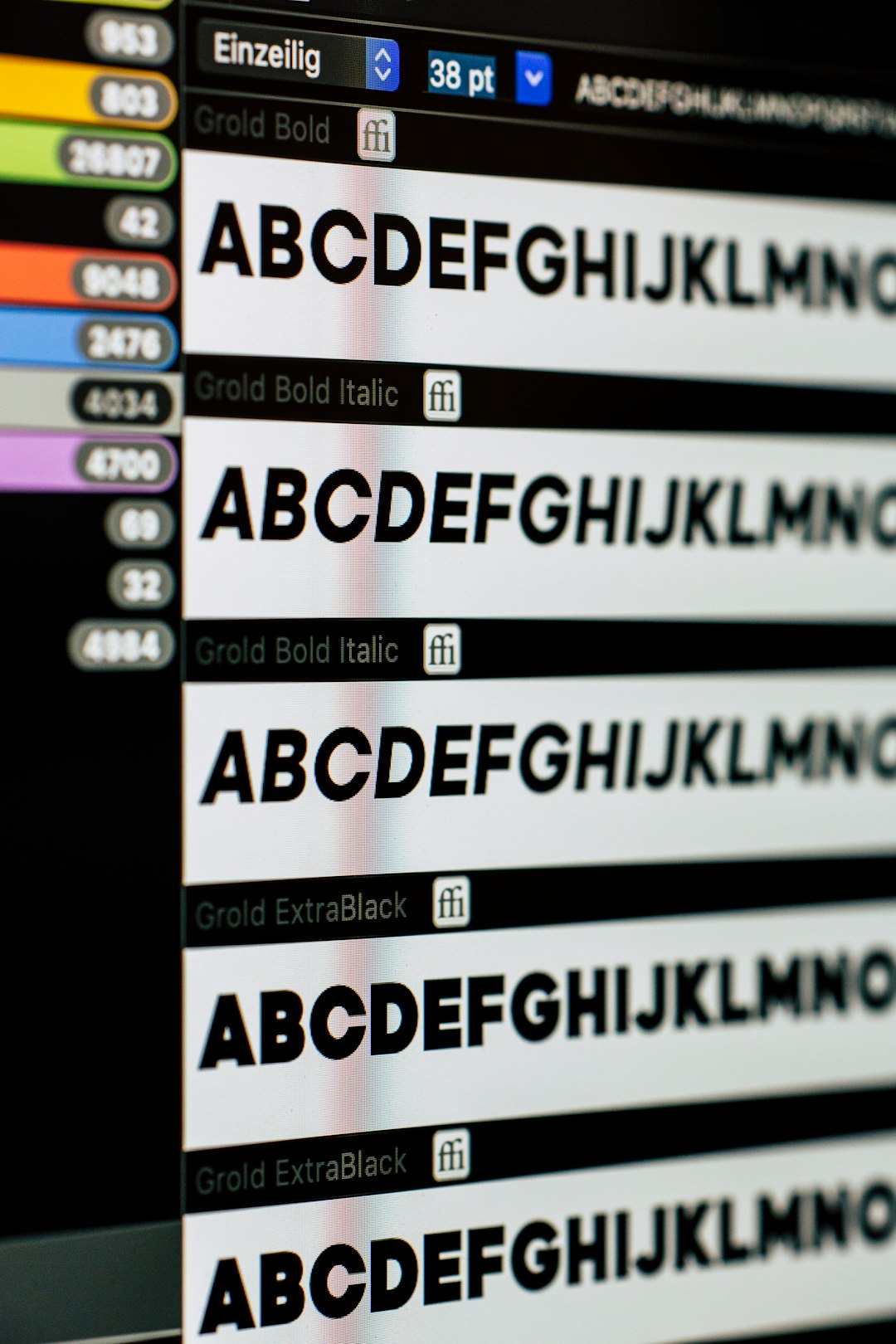
- Typography details: Font families, weights, sizes, line heights
- Color codes: HEX, RGB, HSL variables
- Assets: SVGs, PNGs, optimized image exports
- Component structures: Reusable elements and style references
Instead of asking designers for redlines or clarification screenshots, developers inspect the design directly within the platform. This reduces the need for repetitive questions and ensures everyone references the same source of truth.
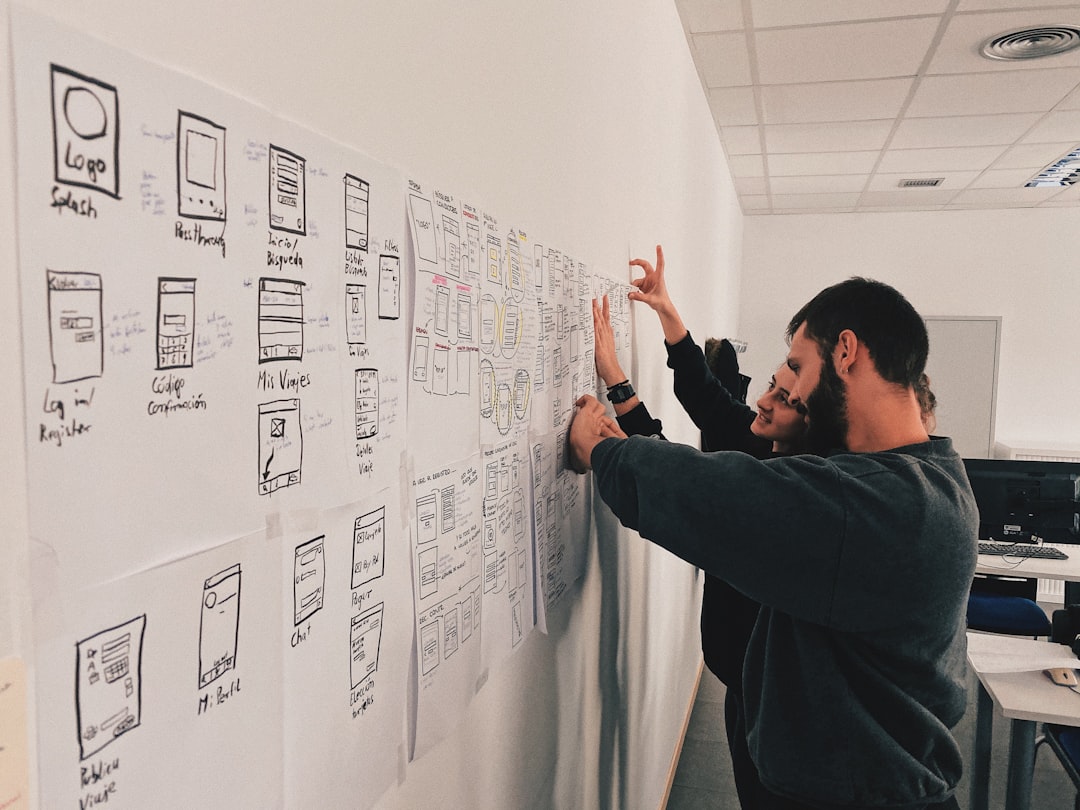
Bridging Communication Gaps
The real value of these platforms lies not just in automation but in communication clarity. Effective design handoff solutions:
- Create centralized project spaces
- Allow contextual commenting directly on design elements
- Document version history and updates
- Keep conversations tied to specific components
This eliminates fragmented discussions across emails or messaging apps. Designers can explain intent directly within the interface, while developers can flag technical constraints in context. The result is a shared workspace that fosters continuous collaboration instead of one-time file transfers.
Encouraging Design Systems Adoption
A significant benefit of handoff platforms is their alignment with design systems. Modern product teams rely on reusable components and standardized tokens to ensure consistency across features and releases.
Design handoff platforms support this by:
- Highlighting reusable components
- Mapping design tokens to code variables
- Documenting shared UI libraries
- Maintaining consistent version control
This structure enables developers to translate visual systems into scalable frontend architectures. Instead of recreating styles manually, teams can map typography, spacing, and color tokens directly into CSS variables, Tailwind configurations, or component libraries.
The outcome is not just pixel-perfect implementation—it is systematic implementation, which is far more valuable over time.
Reducing Errors and Rework
Rework is one of the most expensive hidden costs in digital product development. Minor inconsistencies—such as incorrect spacing or missed states—accumulate into noticeable fragmentation across the application.
Design handoff platforms reduce these risks by:
- Providing precise specifications rather than approximations
- Making edge states visible (hover, active, disabled)
- Allowing QA teams to reference original specs
- Ensuring assets are optimized and correctly exported
When implementation matches design from the start, teams avoid multiple back-and-forth revision cycles. This directly improves sprint predictability and stakeholder confidence.
Improving Speed Without Sacrificing Quality
Speed is often mistaken for working faster—but real speed comes from eliminating friction. By centralizing specifications and communication, handoff platforms reduce reliance on meetings and manual documentation.
Developers can self-serve information, which accelerates task execution. Designers spend less time answering redundant questions and more time refining user experience. Product managers gain clearer visibility into progress, since everyone operates from the same reference point.
This structured transparency promotes accountability. When disagreements arise, teams refer back to documented decisions within the platform rather than debating interpretations.
Enterprise-Level Benefits
For larger organizations, the advantages multiply. Distributed teams across multiple time zones particularly benefit from asynchronous clarity.
Enterprise teams use handoff platforms to:
- Maintain consistency across global product lines
- Onboard new developers quickly
- Control access permissions
- Track design evolution through version histories
This institutional memory is essential. When product teams scale, relying on informal communication channels is unsustainable. A documented, structured handoff process becomes critical infrastructure.
Security and Governance Considerations
Trustworthiness in enterprise environments also depends on governance. Mature handoff platforms address this through:
- Single sign-on (SSO) integration
- Role-based access controls
- Audit logs
- Encrypted asset storage
These features ensure sensitive product designs remain protected while still accessible to relevant stakeholders.
Common Challenges and Limitations
While powerful, design handoff platforms are not a cure-all solution. Teams still face challenges such as:
- Incomplete design states
- Lack of system documentation inside the design file
- Developers ignoring defined tokens
- Outdated files if version control is not maintained
The platform can expose inconsistencies, but it cannot create discipline on its own. Successful teams pair these tools with clearly defined workflows and shared accountability.
In practice, the most effective organizations treat design handoff as a continuous collaboration cycle rather than a final step before development.
Best Practices for Maximizing Value
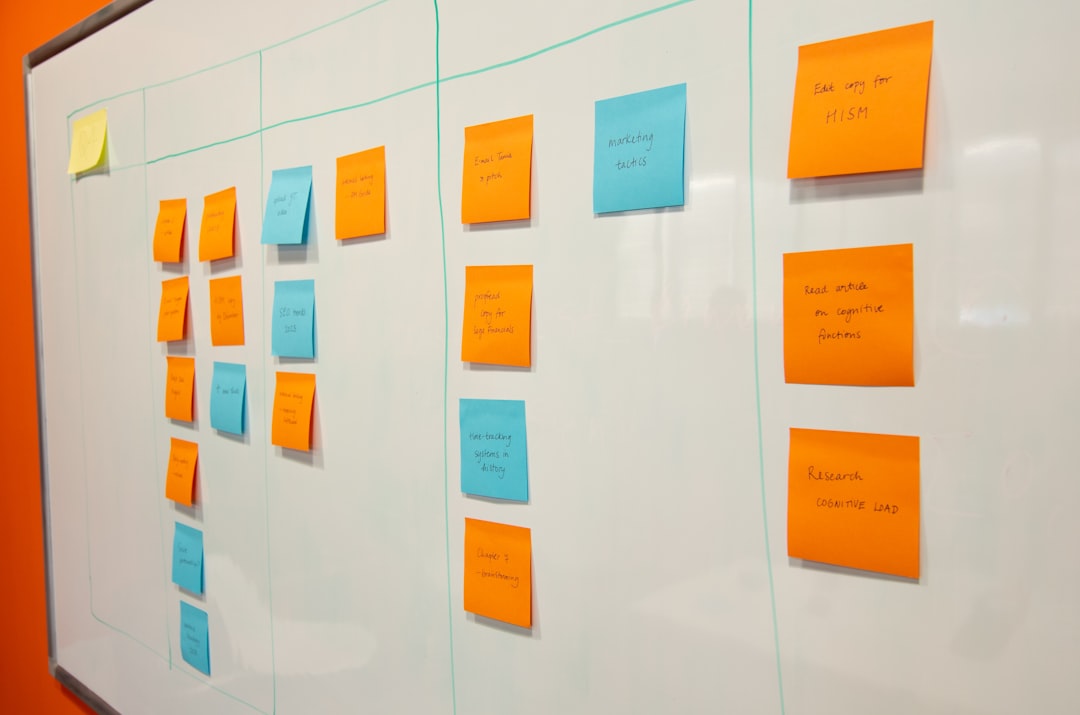
To fully leverage design handoff platforms, teams should adopt structured practices:
- Finalize design states before sharing: Include empty, error, hover, and loading variations.
- Use consistent naming conventions: Align layer and component names with code structures.
- Maintain a living design system: Keep tokens synchronized between design and development.
- Encourage developer input early: Involve developers during the design phase.
- Conduct implementation reviews: Compare coded screens against specifications.
These practices transform the platform from a passive repository into an active collaboration ecosystem.
The Strategic Impact on Product Quality
Ultimately, design handoff platforms influence more than workflow efficiency—they shape product quality. When designers and developers understand each other’s constraints and tools, they build mutual respect. This alignment strengthens UX consistency, performance considerations, and technical feasibility.
Products built on aligned workflows exhibit:
- Visual consistency across screens
- More predictable user interactions
- Reduced UI bugs
- Faster rollout of new features
Over time, this consistency builds user trust. And trust drives retention—an outcome far more valuable than minor process optimizations.
The Future of Design-to-Development Collaboration
As tools evolve, integration between design environments and development pipelines will deepen. Automation may extend further into code generation, token synchronization, and CI/CD validation. However, even as automation improves, structured human collaboration will remain essential.
Design is about intention; development is about execution. Design handoff platforms sit at the intersection of these disciplines, ensuring that intent survives the journey into code.
For teams serious about product quality, predictable workflows, and scalable systems, adopting a structured design handoff solution is not merely a convenience—it is a strategic decision. By formalizing the bridge between creativity and engineering, organizations create the conditions necessary for sustainable innovation.