
Choosing a lead scraping tool is not simply a question of which platform can collect the most names, emails, or company records. For serious sales and marketing teams, the real comparison is between data collection capability, legal and ethical compliance, and accuracy over time. A tool that produces thousands of contacts but exposes the business to regulatory risk, poor deliverability, or reputational damage is not a strong asset. The best choice is the one that supports targeted prospecting while respecting privacy rules, platform terms, and data quality standards.
TLDR: Lead scraping tools vary widely in how they collect data, verify contacts, and manage compliance obligations. Database-driven platforms are usually more stable and accurate, while open web scraping tools offer flexibility but require stronger governance. Compliance with privacy laws, website terms, and email outreach regulations should be treated as a core selection criterion, not an afterthought. The most reliable approach is to combine careful targeting, verified data sources, transparent processes, and regular data hygiene.
What Lead Scraping Tools Actually Do
Lead scraping tools are designed to gather prospect information from public websites, business directories, social networks, search results, job boards, review platforms, and other online sources. Depending on the tool, they may collect company names, employee titles, email addresses, phone numbers, LinkedIn profile URLs, technology usage, funding signals, hiring activity, or industry classifications.
However, the term lead scraping can refer to several different types of tools. Understanding these categories is essential before comparing features or pricing.
- Prospecting databases: Platforms such as ZoomInfo, Apollo, Cognism, and similar services maintain large proprietary databases of contacts and companies. Users search and filter rather than scrape websites directly.
- Email finding and enrichment tools: Tools such as Hunter, Snov.io, and enrichment APIs help identify or verify email addresses connected to a domain or person.
- Web scraping and automation platforms: Tools such as Apify, Octoparse, ParseHub, and browser automation systems can extract structured data from websites when configured correctly.
- Workflow and data orchestration tools: Platforms such as Clay combine enrichment, scraping, AI-assisted research, and integration with CRMs or outreach systems.
Each category has strengths and limitations. A prospecting database may provide cleaner, faster access to business contacts, but it may not cover niche markets or newly founded companies. A web scraper can be highly customized, but it also requires more technical oversight and compliance review.
Comparison Factor 1: Data Collection Capability
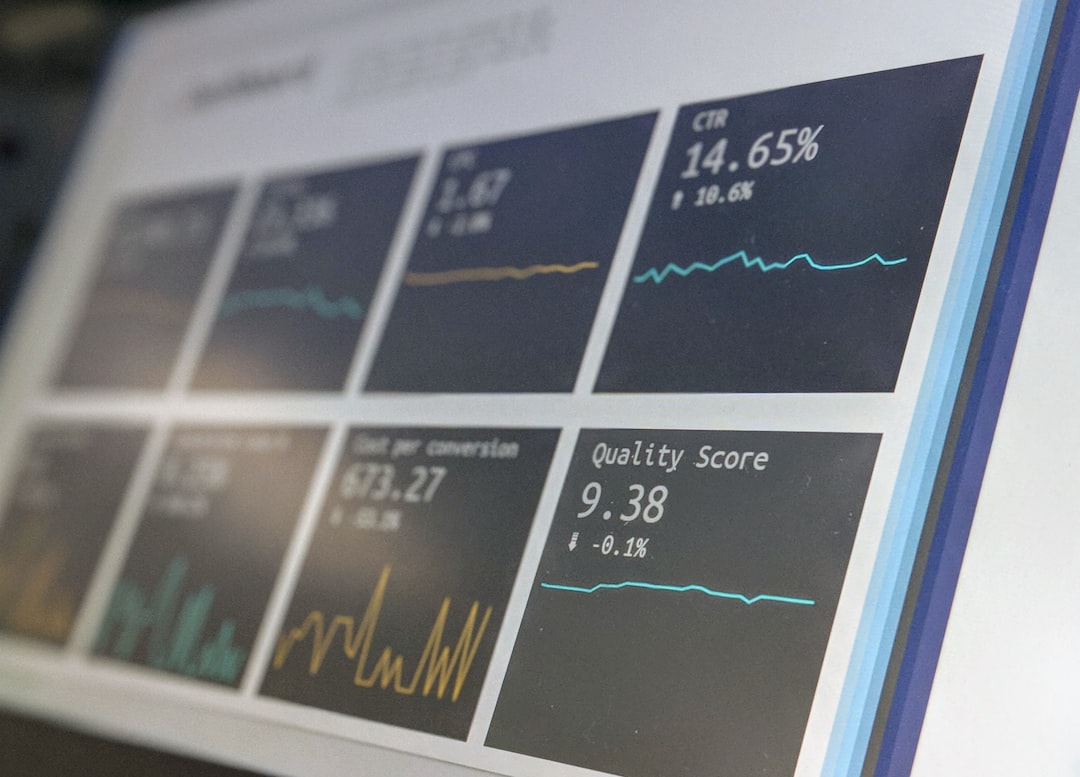
The first area to evaluate is how well a tool collects the data your team actually needs. Volume alone is not enough. A list of 50,000 loosely relevant contacts is often less valuable than 2,000 carefully matched prospects with accurate roles, current companies, and verified contact details.
Prospecting databases are usually strongest for broad business development. They often include filters for location, industry, company size, revenue, job title, seniority, and technology stack. This makes them useful for outbound sales teams that need repeatable lead generation at scale. Their drawback is that coverage may vary by region, industry, and company size. Some databases are stronger in North America and enterprise markets, while others perform better in Europe or specific B2B sectors.
Open web scraping tools are more flexible. They can gather information from niche directories, association websites, conference exhibitor pages, local business listings, review platforms, or publicly accessible search results. This flexibility is valuable when your ideal customer profile is not well represented in mainstream databases. The tradeoff is that extraction workflows can break when websites change their layouts, block automated traffic, or restrict access through their terms of service.
Enrichment tools work best when you already have partial data. For example, if you have a company domain and a decision maker’s name, an enrichment tool may help discover a likely email address, job title, company details, or social profile. These tools are useful for completing CRM records and improving segmentation, but they should not be treated as a substitute for proper verification.
When comparing data collection capability, ask the following questions:
- What sources does the tool rely on? Public web pages, partner data, user-contributed data, licensed datasets, or direct verification?
- How granular are the filters? Can you target by seniority, hiring signals, technology usage, geography, and company type?
- Can it export or integrate cleanly? Look for CRM integrations, CSV export, API access, and field mapping.
- How often is the data refreshed? Outdated contacts reduce campaign performance and increase bounce rates.
Comparison Factor 2: Compliance and Legal Risk
Compliance is the area where many companies underestimate risk. Lead scraping may involve personal data, even in a B2B context. A business email address, job title, direct phone number, or LinkedIn profile can be considered personal information under privacy frameworks such as the GDPR in Europe, UK GDPR, CCPA and CPRA in California, and other regional laws.
A trustworthy lead generation process should consider at least three layers of compliance: privacy law, website terms of service, and outreach regulations.
Privacy Law
Privacy regulations often require a lawful basis for processing personal data, transparency about how data is used, respect for opt-out rights, and secure handling of records. Under GDPR, for example, companies frequently rely on legitimate interest for B2B prospecting, but that basis must be assessed and documented. It is not a blanket permission to collect unlimited data.
Good tools support compliance by offering features such as:
- Data source transparency: Clear information about where records come from.
- Suppression lists: The ability to prevent outreach to people who opted out.
- Regional controls: Filters that help manage different requirements by country or state.
- Data retention settings: Options to remove or refresh old records.
- Audit trails: Records of exports, enrichment actions, and user activity.
Website Terms and Platform Rules
Even if information appears publicly accessible, automated collection may be restricted by a website’s terms of service. Social networks, marketplaces, directories, and professional platforms often place strict limits on scraping, automation, and data reuse. Violating these terms can lead to account bans, blocked IP addresses, legal disputes, or reputational harm.
This is especially important when tools advertise the ability to extract data from social media or professional networking sites. A responsible business should review whether the collection method is permitted and whether the vendor provides documentation about compliant use. The safest platforms do not simply say, “you can scrape anything.” They explain boundaries, acceptable use, and customer responsibilities.
Email and Outreach Regulations
Lead data is often used for email campaigns, so compliance does not end at collection. Regulations such as CAN-SPAM, CASL, GDPR electronic marketing rules, and local anti-spam laws can affect how contacts may be approached. Teams should provide accurate sender information, avoid deceptive subject lines, include unsubscribe mechanisms, and honor opt-out requests quickly.
Comparison Factor 3: Accuracy and Data Quality
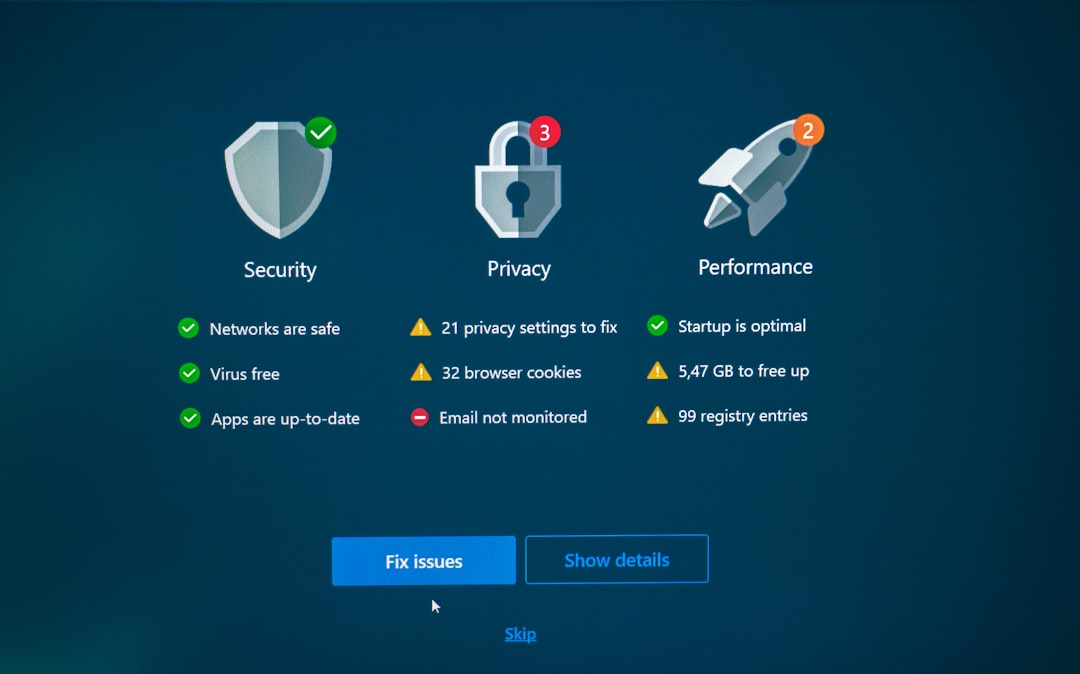
Accuracy is where the apparent value of a tool either holds up or collapses. Inaccurate lead data damages deliverability, wastes sales time, and creates poor customer experiences. A high bounce rate can harm email domain reputation, while wrong job titles or outdated employment records reduce trust immediately.
There are several dimensions of accuracy to measure:
- Email validity: Whether the email address exists and can receive messages.
- Employment accuracy: Whether the person still works at the listed company.
- Role accuracy: Whether the title, department, and seniority are current.
- Company data accuracy: Whether size, industry, location, and domain are correct.
- Duplicate control: Whether the tool prevents repeated contacts across lists or campaigns.
Database providers often claim high accuracy percentages, but buyers should treat these claims carefully. Ask how accuracy is measured, how often records are verified, and whether the vendor provides bounce protection or credits for invalid contacts. A serious vendor should be willing to explain its methodology rather than rely on vague assurances.
Web scraping tools can be accurate when the source is accurate and the extraction process is well configured. For example, scraping a current government business registry may produce reliable company data. Scraping an outdated directory or user-generated listing site may produce weak results. The quality of a scraper depends not only on the software but also on the source selection, parsing rules, deduplication logic, and validation steps applied afterward.
Practical Tool Comparison
Instead of choosing based on brand recognition alone, compare tools according to your operating model.
- For enterprise sales teams: A mature prospecting database with CRM integration, territory controls, user permissions, and compliance documentation is often the most practical choice.
- For niche market research: A configurable web scraping platform may be more useful, especially when leads are found in specialized directories, event pages, or public registries.
- For small teams: An email finder combined with manual review can be cost-effective, provided the team maintains strict quality standards.
- For advanced growth teams: A workflow automation platform that combines enrichment, scraping, AI research, and CRM updates may deliver the strongest productivity gains.
Cost should be assessed beyond subscription price. Consider the cost of bad data, legal review, technical maintenance, failed campaigns, and sales team time. A cheaper tool that requires constant cleanup may become more expensive than a premium platform with better verification and support.
Evaluation Checklist Before Buying
Before committing to a lead scraping or prospecting tool, run a controlled test. Select a representative market segment and compare the results across vendors. Do not rely solely on demos using ideal examples.
- Test a real target account list: Use companies and roles that reflect your actual ideal customer profile.
- Verify a sample manually: Check employment status, email validity, and company details.
- Review compliance documentation: Ask for data processing terms, source information, security practices, and privacy support.
- Measure CRM fit: Confirm that fields export cleanly and duplicates can be managed.
- Assess support quality: Ask specific technical and compliance questions before purchasing.

Best Practices for Responsible Lead Collection
A tool is only part of the system. Responsible lead generation depends on internal policies and disciplined execution. Teams should document approved data sources, define who may export contacts, maintain suppression lists, and establish review procedures for new scraping workflows.
It is also wise to limit collection to data that is genuinely relevant. Collecting unnecessary personal information increases risk without improving sales results. A principle of data minimization is not only good compliance practice; it also keeps campaigns focused.
Finally, accuracy should be treated as an ongoing process. People change jobs, companies rebrand, domains expire, and decision-making structures shift. Regular enrichment, bounce monitoring, and CRM hygiene are essential. The strongest organizations do not purchase lead data once and assume it remains reliable. They continuously validate and improve it.
Conclusion
The best lead scraping tool is not necessarily the one with the largest database or the most aggressive collection features. It is the one that helps your business identify relevant prospects, maintain accurate records, and operate within legal and ethical boundaries. Data collection, compliance, and accuracy must be evaluated together. If one of these pillars is weak, the entire lead generation process becomes less dependable.
For most organizations, the most trustworthy strategy is a blended one: use reputable databases for scalable prospecting, enrichment tools for verification, and carefully governed scraping only where it is appropriate and permitted. With the right controls, lead scraping tools can support efficient growth. Without those controls, they can quickly create operational, legal, and reputational problems that outweigh any short-term gains.