Data is the new fuel of the digital world. But raw data is messy. Images have no labels. Videos have no tags. Text has no context. Before artificial intelligence can learn, humans must organize the chaos. That is where data annotation apps come in. They help you label images, text, and video quickly and accurately.
TLDR: Data annotation apps make it easy to label images, text, and video so AI systems can learn faster. The best tools offer simple interfaces, automation features, and collaboration options. Some focus on computer vision, others on text or multimedia. Choosing the right one depends on your project size, budget, and goals.
Let’s break it down in a simple way. And yes, we will keep it fun.
What Is Data Annotation?
Data annotation is the process of tagging data with labels. These labels tell AI what it is looking at.
- You draw a box around a cat in an image.
- You highlight positive sentiment in a review.
- You mark a pedestrian in a video frame.
Each label becomes part of the training data. The AI studies it. Learns patterns. Then makes predictions.
Without annotation, machine learning models are blind. With annotation, they see clearly.
Why Good Annotation Apps Matter
You could label data manually in spreadsheets. But that would be painful. Slow. Error-prone.
Good annotation apps offer:
- Speed: Smart tools reduce repetitive work.
- Accuracy: Built-in quality checks improve precision.
- Collaboration: Teams can work together in real time.
- Automation: AI-assisted labeling saves hours.
This combination makes projects smoother. And more cost-effective.
Top Data Annotation Apps to Consider
Let’s explore some popular tools. Each has its own strengths.
1. Labelbox
Labelbox is great for large teams. It supports images, video, and text. Its interface is clean and modern.
Why people like it:
- AI-assisted labeling
- Custom workflows
- Cloud-based collaboration
It works well for companies training advanced AI models.
2. CVAT (Computer Vision Annotation Tool)
CVAT is popular in the computer vision world. It is open source. That means developers love it.
Best features:
- Frame-by-frame video annotation
- Bounding boxes and polygons
- Attribute tagging
If you work with video or object detection, CVAT is powerful.
3. Prodigy
Prodigy focuses on text annotation. It is lightweight. Flexible. Developer-friendly.
It shines in:
- Named entity recognition
- Text classification
- Active learning workflows
It helps you train NLP models faster by learning from your corrections.
4. Supervisely
Supervisely combines automation with collaboration. It works for image and video projects.
Cool features include:
- Smart segmentation tools
- Team management dashboards
- Model integration
It feels modern and scalable.
5. Doccano
Doccano is an open-source text annotation tool. Simple and clean.
It supports:
- Sentiment analysis labeling
- Sequence labeling
- Text classification
It is ideal for startups or research teams.
Quick Comparison Chart
| Tool | Best For | Data Types | Open Source | Collaboration Features |
|---|---|---|---|---|
| Labelbox | Enterprise AI Projects | Image, Video, Text | No | Yes |
| CVAT | Computer Vision | Image, Video | Yes | Limited |
| Prodigy | NLP Projects | Text | No | Limited |
| Supervisely | Advanced Vision Tasks | Image, Video | Partially | Yes |
| Doccano | Research and Startups | Text | Yes | Basic |
Image Annotation Made Easy
Image labeling is one of the most common tasks. You draw shapes. Add tags. Save.
Common techniques include:
- Bounding boxes: Rectangles around objects
- Polygons: Detailed outlines
- Semantic segmentation: Pixel-level labeling
Modern apps reduce manual effort. They use smart suggestions. You correct mistakes. The model improves.

This human-in-the-loop process makes annotation faster over time.
Text Annotation Without Tears
Text seems simple. But language is tricky.
Words can have multiple meanings. Tone can shift. Sarcasm exists. Humans must guide AI carefully.
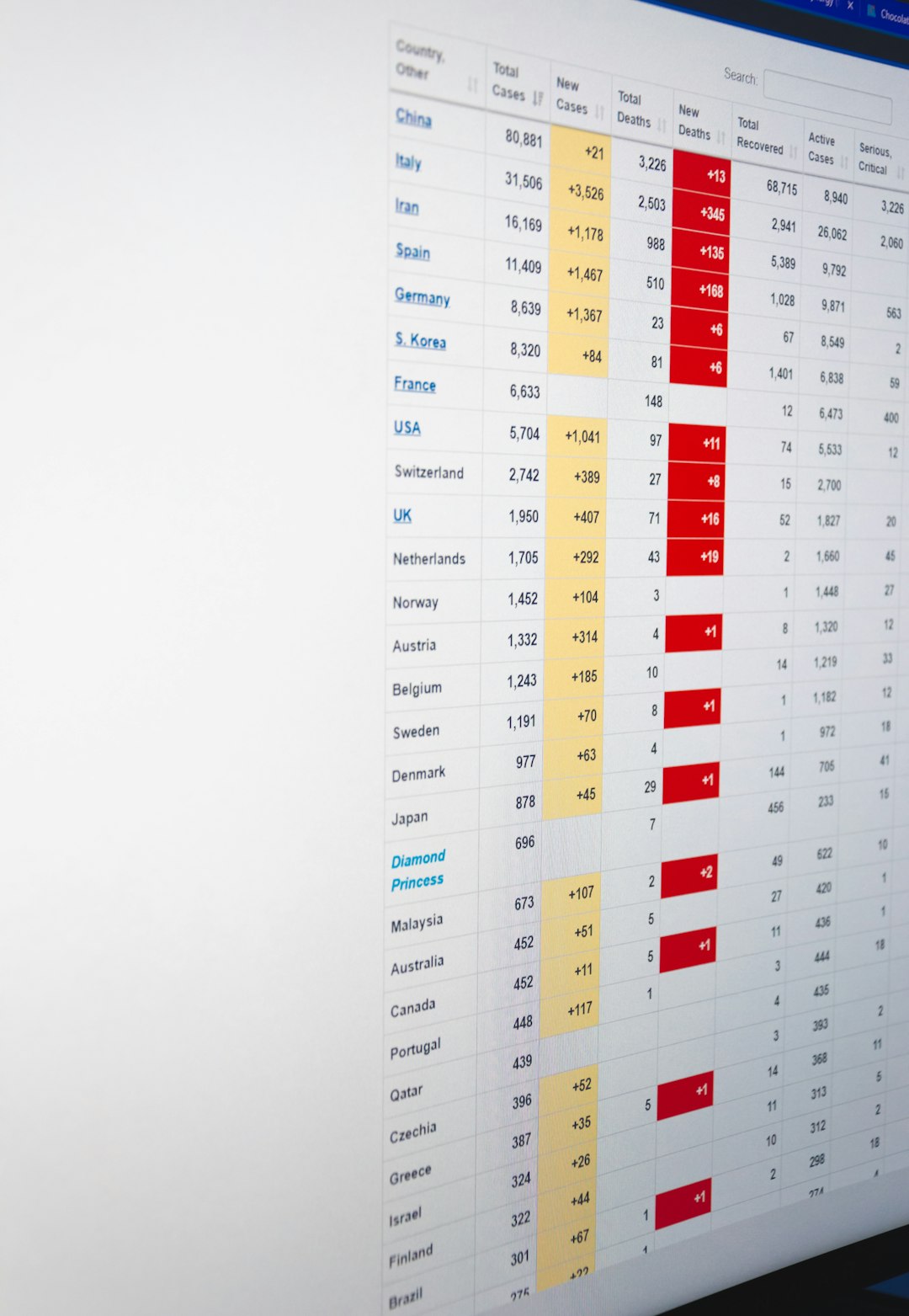
Text annotation apps usually let you:
- Highlight phrases
- Assign categories
- Tag entities like names or locations
Some tools suggest labels automatically. You click “accept” or “reject.” Easy.
This speeds up natural language processing projects dramatically.
Video Annotation Without Headaches
Video is just many images in sequence. But it feels much bigger.
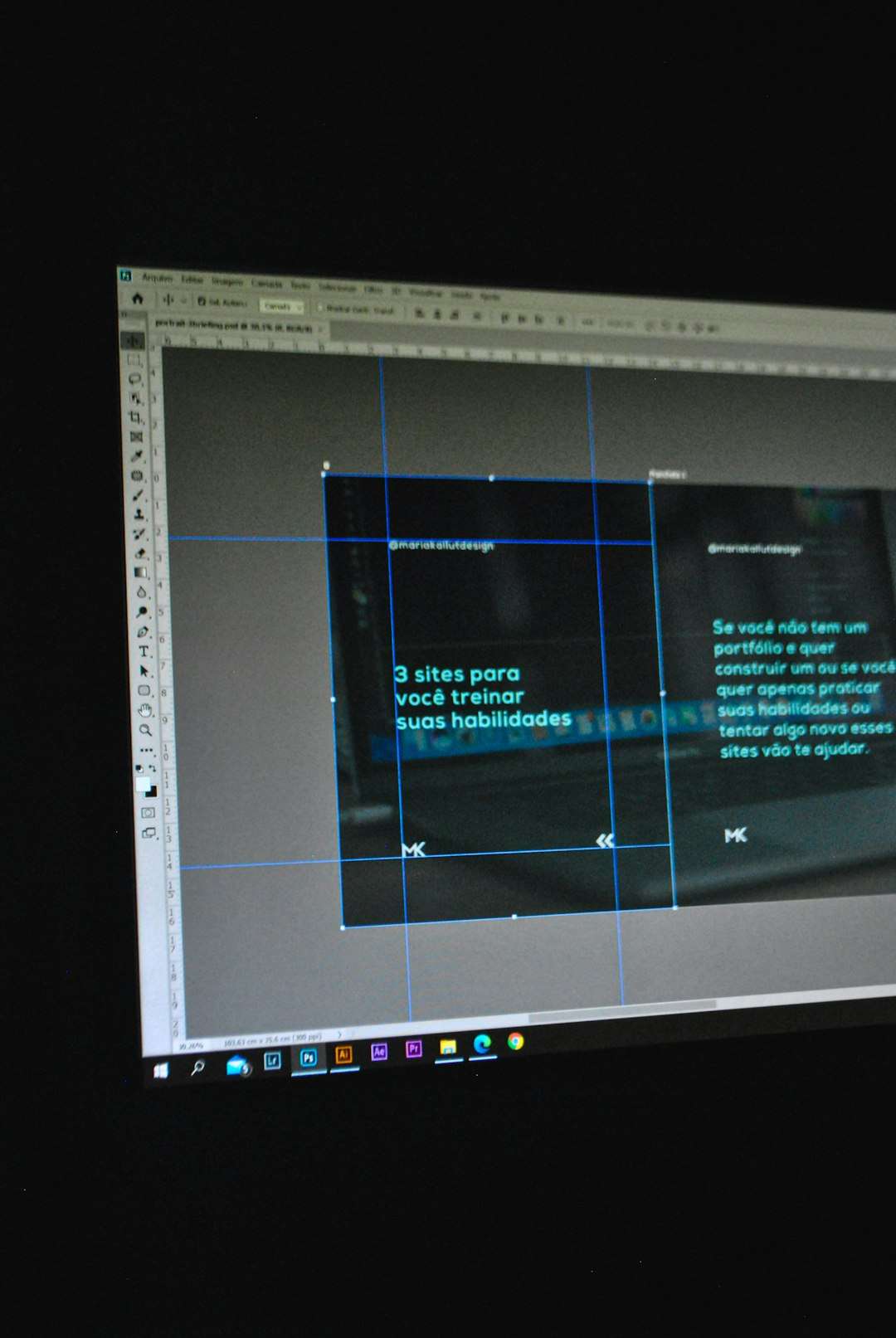
Annotating video frame by frame can take hours. Good tools make it bearable.
They offer:
- Object tracking across frames
- Interpolation between key points
- Automatic frame prediction
You label a few frames. The system predicts the rest. You adjust if needed.
This is crucial for self-driving cars. Security systems. Sports analytics. Robotics.
Features That Save Time
Not all annotation apps are equal. Look for these time-saving features:
- Keyboard shortcuts: Small things add up.
- Auto-labeling: AI helps you label faster.
- Data versioning: Track changes easily.
- Quality control workflows: Review and approval systems.
Time saved equals money saved.
Cloud vs. Local Tools
Some tools run in the cloud. Others run locally.
Cloud-based apps:
- Easy team collaboration
- No installation hassle
- Subscription pricing
Local or open-source tools:
- More control over data
- No recurring fees
- Technical setup required
If you handle sensitive data, local tools might feel safer.
How to Choose the Right App
Ask yourself a few questions:
- What type of data am I labeling?
- How large is my dataset?
- Do I need team collaboration?
- Is automation important?
- What is my budget?
If you work with thousands of video hours, choose strong automation.
If you label research text samples, open-source may be enough.
Tips for Efficient Annotation
Even the best app cannot fix poor workflow. Follow these tips:
- Start with clear labeling guidelines.
- Train annotators consistently.
- Run small test batches first.
- Use review systems to catch mistakes.
- Continuously improve with feedback.
Consistency is everything in machine learning.
The Future of Data Annotation
Annotation is becoming smarter.
AI is now assisting humans more than ever. Some call it auto-annotation. Others call it human-in-the-loop AI.
Instead of drawing every box manually, you now correct predictions.
It is faster. More scalable. Less boring.
But humans are still essential. Judgment matters. Context matters.
For now, at least, humans and AI are teammates.
Final Thoughts
Data annotation apps are the hidden heroes of artificial intelligence. Without them, AI models would have nothing to learn from.
The right tool depends on your needs. Vision projects need strong visual annotation features. NLP projects need text-focused tools. Video projects need tracking and timeline tools.
Choose wisely. Set clear guidelines. Use automation where possible.
Then watch your AI system learn. And improve. One label at a time.