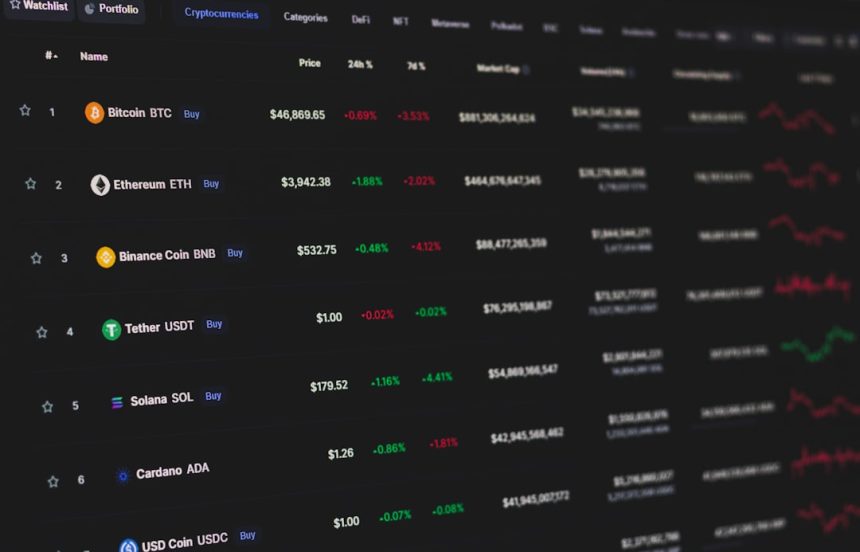
Blockchains are often called transparent. Every transaction is public. Every wallet address leaves a trace. But raw blockchain data is messy and hard to read. It looks like endless strings of numbers and letters. That is where blockchain analytics software comes in. It turns complex on-chain activity into clear, useful insights that anyone can understand.
TLDR: Blockchain analytics software helps people track and understand activity happening on public blockchains. It turns confusing transaction data into simple dashboards, charts, and alerts. Businesses use it for compliance, security, fraud detection, and market research. It makes the open world of crypto easier to see and safer to navigate.
What Is On-Chain Activity?
On-chain activity is everything that happens directly on a blockchain. This includes:
- Sending or receiving cryptocurrency
- Minting NFTs
- Interacting with smart contracts
- Staking tokens
- Swapping assets on decentralized exchanges
Each action creates a transaction. Each transaction is recorded forever. That is the power of blockchain. It is also the challenge. There is a lot of data. Millions of transactions happen every day.
Reading this data without tools is like trying to read the internet by looking at raw server logs. It is possible. But it is not fun.
What Is Blockchain Analytics Software?
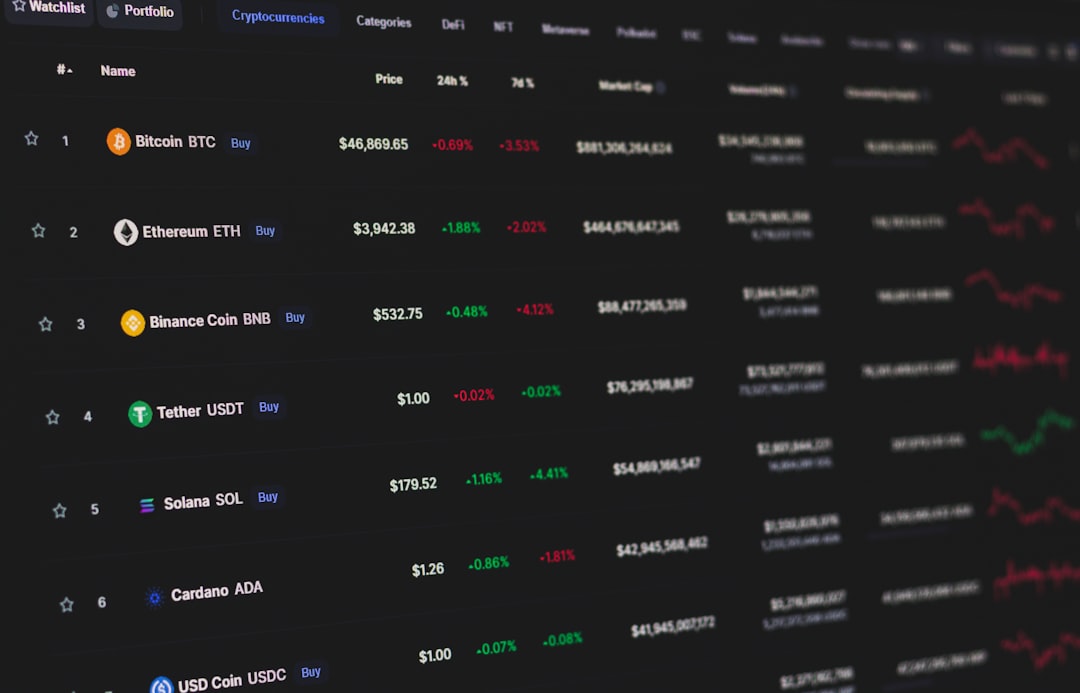
Blockchain analytics software collects blockchain data. Then it organizes and analyzes it. Finally, it shows the results in simple dashboards and reports.
Instead of showing a long wallet address, the software might label it as:
- “Crypto exchange”
- “Whale investor”
- “DeFi protocol”
- “Suspicious wallet”
This makes decision-making much easier.
Why Is Monitoring On-Chain Activity Important?
There are several big reasons.
1. Security
Crypto scams happen. Hacks happen. Stolen funds move quickly. Analytics tools help track stolen assets in real time. They can flag risky wallet addresses. They can send alerts when unusual activity happens.
2. Compliance
Many companies must follow financial laws. These include Anti-Money Laundering (AML) and Know Your Customer (KYC) regulations. Blockchain analytics tools help exchanges and financial institutions stay compliant.
3. Market Intelligence
Investors want to know what big players are doing. Are whales accumulating Bitcoin? Are tokens moving off exchanges? Are users adopting a new DeFi app?
On-chain data answers these questions.
4. Risk Management
If a business accepts crypto payments, it needs to know where funds come from. Analytics software can score wallets based on risk levels. That protects the business from dealing with illicit funds.
How Does Blockchain Analytics Software Work?
The process sounds technical. But we can break it down into simple steps.
Step 1: Data Collection
The software connects to blockchain nodes. It pulls transaction data. This data includes wallet addresses, timestamps, token types, amounts, and smart contract calls.
Step 2: Data Structuring
Raw blockchain data is not user-friendly. The software organizes it into structured databases. It categorizes transactions. It groups related wallets together.
Step 3: Attribution
This is where things get smart. The software links wallet addresses to real-world entities when possible. For example:
- A group of addresses may belong to one exchange.
- Another cluster may belong to a ransomware group.
- Some wallets may belong to DeFi protocols.
Step 4: Visualization
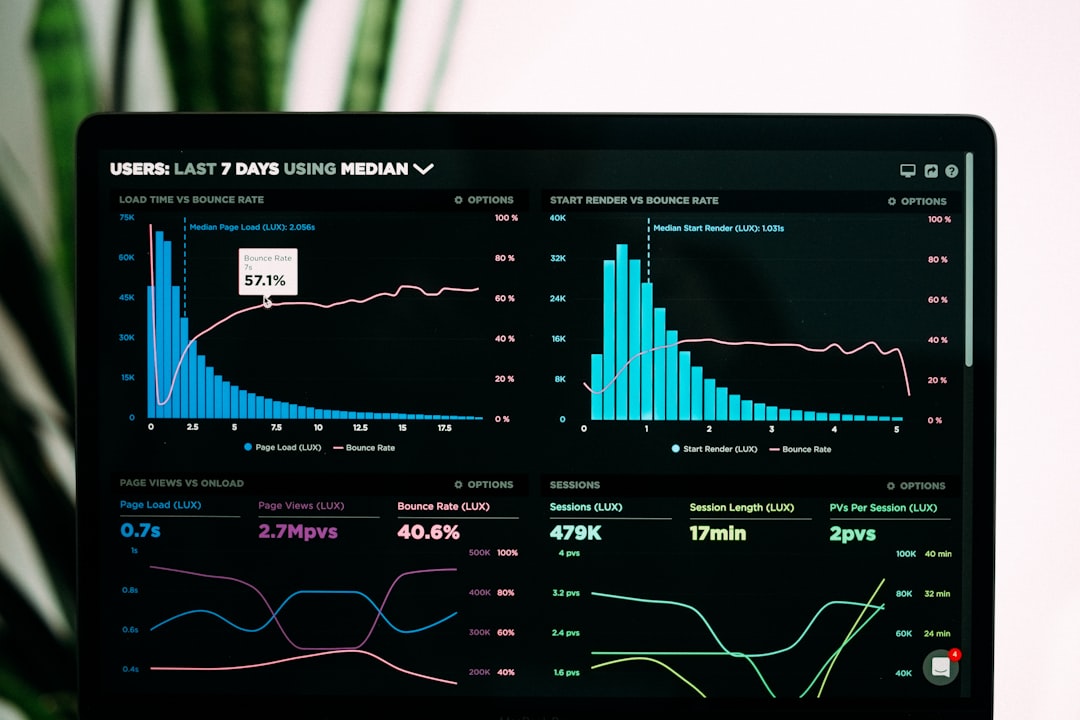
Finally, the software turns all that information into charts, graphs, heat maps, and alerts. Now humans can understand it quickly.
Key Features to Look For
Not all tools are the same. Here are important features to consider.
Real-Time Monitoring
Crypto moves fast. You need up-to-date data. Real-time alerts help you respond immediately.
Wallet Risk Scoring
This gives each wallet a rating. High risk. Medium risk. Low risk. Simple and clear.
Transaction Tracking
You should be able to follow funds from one wallet to another. Even across multiple hops.
Cross-Chain Support
There is not just one blockchain. There is Bitcoin. Ethereum. Solana. BNB Chain. And many more. Good software supports multiple chains.
Custom Dashboards
Different users want different views. A compliance team needs different metrics than a trader. Custom dashboards solve this problem.
API Access
Businesses often integrate blockchain data into their own systems. An API makes this easy.
Who Uses Blockchain Analytics Software?
You might think it is only for crypto experts. It is not.
Crypto Exchanges
They use analytics to prevent fraud. They monitor deposits and withdrawals. They flag suspicious activity.
Banks and Financial Institutions
Traditional banks entering crypto need risk analysis tools. Blockchain analytics bridges the gap between old finance and new finance.
Government Agencies
Law enforcement agencies use analytics tools to investigate cybercrime. Blockchain transparency actually helps track criminals.
Hedge Funds and Traders
Professional investors use on-chain metrics to guide strategy. They monitor whale movements. They track exchange inflows and outflows.
DeFi Projects
Decentralized finance projects monitor user behavior. They check liquidity flows. They measure growth.
Common On-Chain Metrics Explained Simply
You will often hear about specific blockchain metrics. Let’s break them down.
Transaction Volume
This shows how much value is being transferred over a certain period. High volume often means high activity.
Active Addresses
This counts unique wallets using the network. More active addresses usually mean growing adoption.
Exchange Inflows and Outflows
- Inflows: Crypto moving into exchanges. Often signals selling pressure.
- Outflows: Crypto leaving exchanges. Often signals holding or long-term storage.
Whale Activity
Whales are large holders of cryptocurrency. When they move funds, markets sometimes react. Analytics tools highlight these big movements.
Gas Fees
This measures how much users are paying to transact. High fees can signal heavy demand for block space.
Benefits of Using Blockchain Analytics Software
Transparency
Instead of guessing, you see real data.
Speed
Manual analysis takes hours. Software does it in seconds.
Better Decisions
Clear charts lead to clear thinking.
Fraud Prevention
Suspicious patterns are detected earlier.
Competitive Advantage
In fast-moving markets, better data wins.
Challenges and Limitations
No tool is perfect.
Pseudonymity
Blockchain addresses are not always linked to real names. Attribution takes effort and advanced analysis.
Cross-Chain Complexity
Funds can move between blockchains using bridges. This makes tracking harder.
Privacy Coins
Some cryptocurrencies are built for privacy. They limit visible data. Analytics tools may have reduced insight here.
Data Overload
Even cleaned-up dashboards can show too much information. Users must focus on relevant metrics.
The Future of Blockchain Analytics
The space is evolving fast.
Artificial Intelligence Integration
AI can detect unusual patterns automatically. It can predict risks before they explode.
More Automation
Expect smarter alerts. Expect fewer manual tasks. Expect instant compliance reporting.
Improved Visualization
Data will become even more interactive. Think 3D wallet maps. Think real-time animated fund flows.
Stronger Regulation Support
As governments design clearer crypto regulations, analytics software will play a central role in meeting those rules.
Final Thoughts
Blockchains are open books. But they are written in a language most people cannot read. Blockchain analytics software acts like a translator. It converts raw transaction history into simple insights.
It helps businesses stay safe. It helps investors stay informed. It helps regulators stay compliant. And it helps the entire crypto ecosystem grow with more trust.
In a world where billions of dollars move every day on-chain, clarity is power. Blockchain analytics software provides that clarity. And as crypto adoption grows, these tools will only become more essential.
Understanding on-chain activity does not have to be hard. With the right software, it becomes visual. Practical. Actionable. And maybe even fun.