
Artificial intelligence has moved from experimental novelty to operational necessity in modern marketing. Today’s content strategists and research teams face an overwhelming volume of data: search trends, audience behaviors, competitor activity, social signals, and performance metrics across dozens of channels. AI research assistant software tools have emerged as powerful allies, helping professionals extract actionable insights from this complexity with speed and precision. When used strategically, these platforms enable marketing teams to build evidence-based content strategies that are both creative and measurable.
TL;DR: AI research assistant tools are transforming content strategy and marketing research by automating data analysis, surfacing insights, and improving decision-making speed. Leading platforms like MarketMuse, SEMrush, SparkToro, Crayon, Clearscope, and Perplexity offer specialized strengths across SEO, competitive intelligence, and audience research. Choosing the right solution depends on your strategic goals, budget, and workflow integration. When implemented responsibly, these tools improve research depth while freeing marketers to focus on high-value strategic thinking.
Why AI Research Assistants Matter for Modern Marketing
Content marketing has become inseparable from data. Keyword performance, user intent analysis, competitor positioning, trend forecasting, and topic authority modeling are no longer optional—they are foundational. However, manual research consumes significant time and often produces fragmented insights.
AI-powered research assistants address this challenge by:
- Aggregating data from multiple sources into consolidated dashboards
- Identifying patterns that humans might overlook
- Predicting opportunities based on historical and real-time trends
- Reducing research time while improving analytical depth
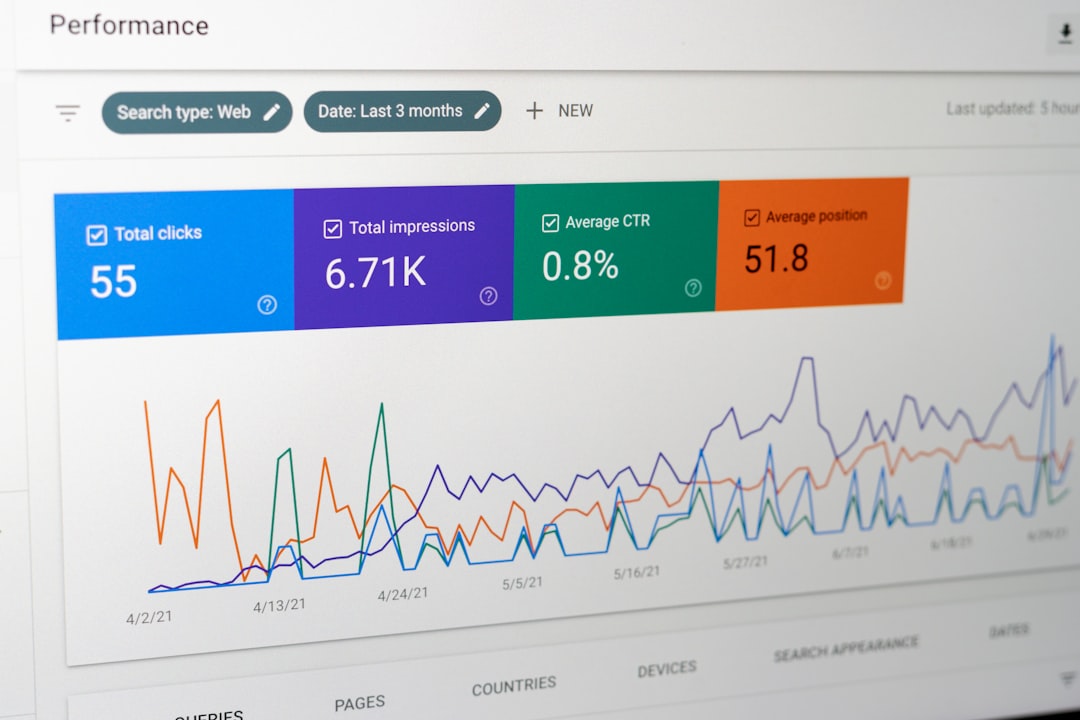
Importantly, these tools are not designed to replace human judgment. Instead, they elevate it. By automating repetitive research tasks, they allow strategists to dedicate more energy to positioning, brand voice development, and long-term growth planning.
1. MarketMuse
Best for: AI-driven content planning and topical authority analysis.
MarketMuse uses artificial intelligence to evaluate content quality, identify semantic gaps, and recommend topic clusters. It analyzes thousands of pages across a domain to determine content depth and authority, then suggests areas for expansion.
Key strengths include:
- Comprehensive topic modeling
- Personalized difficulty scoring
- Content brief automation
- Optimization recommendations during writing
For organizations aiming to build topical authority rather than produce isolated blog posts, MarketMuse offers a structured, data-backed roadmap. It is particularly valuable for enterprise teams managing large content libraries.
Limitation: The platform can be resource-intensive and may exceed the budget of smaller teams.
2. SEMrush
Best for: Comprehensive SEO and competitive research.
SEMrush integrates AI-enhanced analytics across keyword research, backlink audits, competitor tracking, and content gap analysis. It provides a wide-angle view of market competition and reveals where strategic opportunities exist.
Notable features:
- Keyword intent analysis
- Competitor domain comparisons
- Traffic estimation models
- Content optimization tools
What distinguishes SEMrush is the breadth of its dataset. Marketing teams can monitor both direct and emerging competitors while discovering new keyword clusters aligned with user intent.
Limitation: The interface can be overwhelming due to its extensive functionality.
3. SparkToro
Best for: Deep audience research and behavioral insights.
SparkToro moves beyond keywords and focuses on audience behavior. It identifies what specific audience segments read, watch, follow, and subscribe to online. Rather than guessing where your target customers spend time, SparkToro provides direct evidence.
Core advantages:
- Audience interest mapping
- Social and publication affinity analysis
- Influencer discovery
- Behavioral segmentation insights
This tool is particularly effective during the strategy development phase. It helps brands refine messaging, channel selection, and partnership opportunities based on verified audience data.

Limitation: It does not offer in-depth SEO optimization capabilities like some other platforms on this list.
4. Crayon
Best for: Competitive intelligence and market monitoring.
Crayon uses AI to track competitor activity across websites, product updates, pricing changes, messaging shifts, and digital campaigns. It automatically categorizes and prioritizes competitive insights.
Primary capabilities:
- Automated competitor alerts
- Battlecard creation for marketing and sales teams
- Messaging comparison analysis
- Trend tracking across markets
For companies operating in highly competitive industries, Crayon offers a measurable strategic advantage. It enables proactive positioning rather than reactive adjustments.
Limitation: Most beneficial for mid-sized to enterprise companies with clear competitive landscapes.
5. Clearscope
Best for: Content optimization and relevance scoring.
Clearscope focuses specifically on helping marketers create high-performing, search-optimized content. Using AI-driven analysis, it evaluates top-ranking pages and identifies semantic keywords and readability enhancements that improve ranking potential.
Notable features:
- Content grading system
- Readability scoring
- Term usage recommendations
- Google Docs and WordPress integrations
The platform is particularly useful for editorial teams seeking consistency and measurable SEO quality control. Writers receive structured feedback in real time.
Limitation: Its scope is narrower compared to full-suite research platforms.
6. Perplexity (AI Research Assistant Platform)
Best for: Rapid research synthesis and source-backed insights.
Perplexity functions as an AI-powered research assistant capable of synthesizing complex queries into summarized, source-cited answers. For marketing researchers, this allows faster exploration of emerging trends, industry reports, and strategic questions.
Key advantages:
- Real-time web sourcing
- Cited summaries
- Question refinement tools
- Conversational research workflow
It is especially valuable in early-stage strategy development when teams are exploring unfamiliar markets or industries.

Limitation: Outputs require human validation to ensure contextual accuracy and strategic alignment.
Comparison Chart
| Tool | Primary Focus | Best For | Strength Level | Ideal Company Size |
|---|---|---|---|---|
| MarketMuse | Topical authority modeling | Content strategy planning | Advanced AI analysis | Mid to Enterprise |
| SEMrush | SEO & competitor research | Full SEO management | Comprehensive dataset | Small to Enterprise |
| SparkToro | Audience intelligence | Persona refinement | Behavioral insight depth | Small to Mid |
| Crayon | Competitive monitoring | Market intelligence | Real-time alerts | Mid to Enterprise |
| Clearscope | Content optimization | SEO writing quality control | Precision grading | Small to Enterprise |
| Perplexity | Research synthesis | Rapid information gathering | Source citations | All sizes |
Strategic Considerations When Choosing a Tool
Selecting an AI research assistant should be guided by strategic priorities rather than industry trends. Consider the following evaluation criteria:
- Primary objective: SEO growth, audience refinement, competitor tracking, or research acceleration?
- Integration capacity: Does it fit within your existing CMS and analytics stack?
- Team workflow compatibility: Is it intuitive for writers, analysts, and strategists?
- Scalability: Can it support growth over the next 2–3 years?
It is also prudent to pilot a platform before enterprise-wide implementation. Controlled testing reduces risk and ensures measurable ROI.
The Future of AI in Marketing Research
AI research assistants are evolving rapidly. Over the next several years, we can expect deeper predictive analytics, improved personalization modeling, and tighter integration with content management systems. However, ethical considerations—including data transparency, bias mitigation, and source reliability—will become increasingly important.
Organizations that approach AI thoughtfully—combining machine efficiency with human discernment—will maintain a sustainable competitive advantage.
In conclusion, AI research assistant software tools are no longer optional luxuries for content strategists and marketing researchers. They represent a structural shift in how data is collected, interpreted, and translated into action. Platforms like MarketMuse, SEMrush, SparkToro, Crayon, Clearscope, and Perplexity each address different stages of the research lifecycle. The key is not adopting every tool available, but selecting those aligned with defined strategic outcomes and integrating them responsibly into a comprehensive marketing ecosystem.