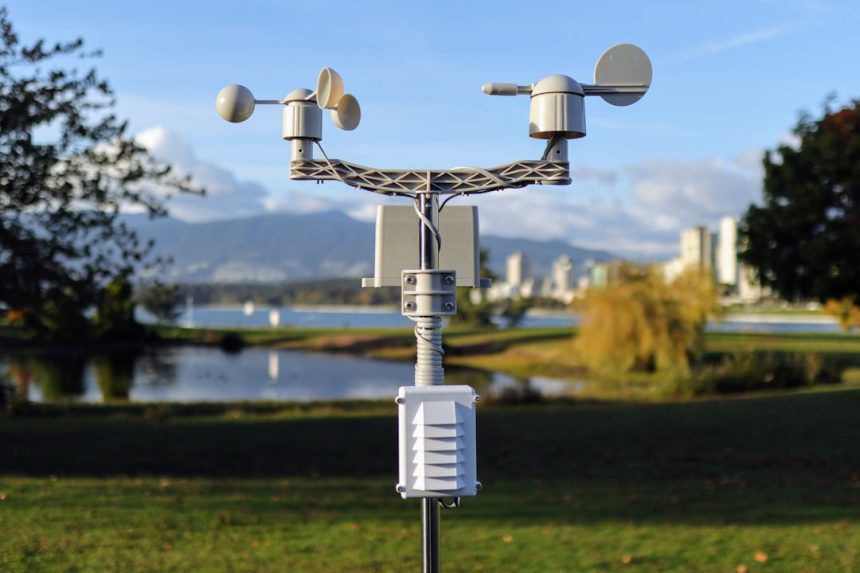
The rapid growth of the Internet of Things (IoT) has reshaped how industries monitor assets, automate processes, and collect data in real time. From smart meters in remote fields to connected medical devices in busy hospitals, IoT devices rely on one critical capability: dependable connectivity. Among the many technologies enabling this connectivity, SIM cards stand out as a simple yet powerful foundation that makes managing large fleets of devices practical and scalable.
TLDR: SIM cards make IoT connectivity easier by providing a standardized, secure, and globally compatible way for devices to connect to cellular networks. They reduce deployment complexity, support remote management, and scale well across borders and industries. Modern options like eSIM and multi-network SIMs further simplify operations while increasing reliability. In short, SIM cards quietly remove many of the hardest barriers in IoT connectivity.
Why Connectivity Is the Biggest IoT Challenge
At its core, IoT is about connecting physical objects to digital systems. While sensors, processors, and cloud platforms often get the spotlight, connectivity is frequently the hardest part to get right. Devices may be deployed in rural areas, underground facilities, or across multiple countries, each with different network conditions and regulations.
Traditional connectivity methods, such as Wi‑Fi or wired connections, often fall short in IoT scenarios because they require local infrastructure and ongoing maintenance. Cellular networks, on the other hand, already cover vast geographic areas and are designed for wide-scale mobility. SIM cards act as the bridge between IoT devices and these mobile networks, dramatically lowering the barrier to entry.
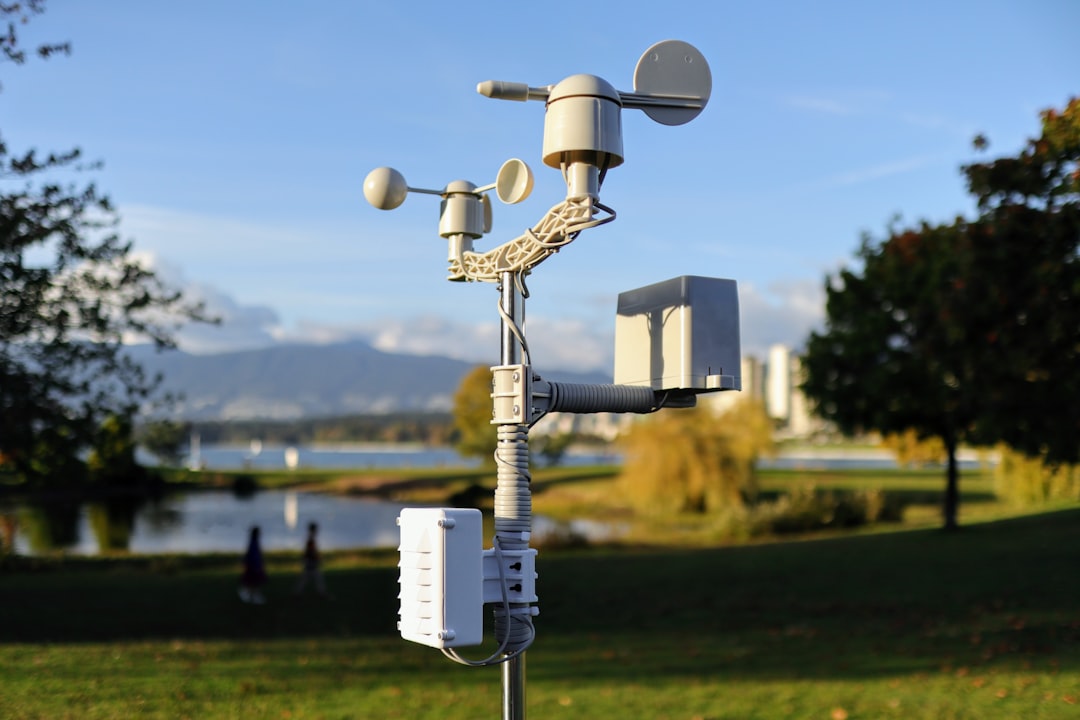
What a SIM Card Actually Does in an IoT Device
A SIM (Subscriber Identity Module) card stores key information that allows a device to authenticate itself on a cellular network. This includes subscriber identity, security keys, and network permissions. When an IoT device powers on, the SIM handles the “handshake” with the mobile operator, enabling secure data transmission.
For IoT, this functionality is invaluable. Instead of custom network credentials or manual configuration, a SIM provides a standardized and proven method for identification and encryption. This standardization means device manufacturers and solution providers can design hardware once and deploy it repeatedly across different projects.
Key functions of SIM cards in IoT include:
- Authenticating devices to cellular networks
- Encrypting data traffic for security
- Managing access to network services
- Supporting roaming and cross-border connectivity
Simplifying Deployment at Scale
One of the biggest advantages of using SIM cards in IoT is how much easier they make large-scale deployments. Installing thousands of devices can be daunting if each one requires on-site network setup. With SIM-based connectivity, devices can often be installed, powered on, and immediately start communicating.
This plug-and-play approach is especially valuable in industries such as logistics, utilities, and agriculture. Technicians do not need to configure local networks or troubleshoot compatibility issues. The SIM card already contains the necessary credentials to connect automatically, saving time and reducing installation costs.
For global companies, this simplicity translates directly into faster rollouts and quicker returns on investment.
Global Coverage and Roaming Made Easy
Many IoT use cases are inherently global. Shipping containers travel across continents, vehicles cross national borders, and environmental sensors are deployed worldwide. Managing connectivity in each region would be complex without SIM-based roaming.
IoT SIM cards can be provisioned with roaming agreements that allow devices to automatically connect to local networks in different countries. Some advanced SIMs even support multiple operator profiles, ensuring the device always chooses the strongest available signal.
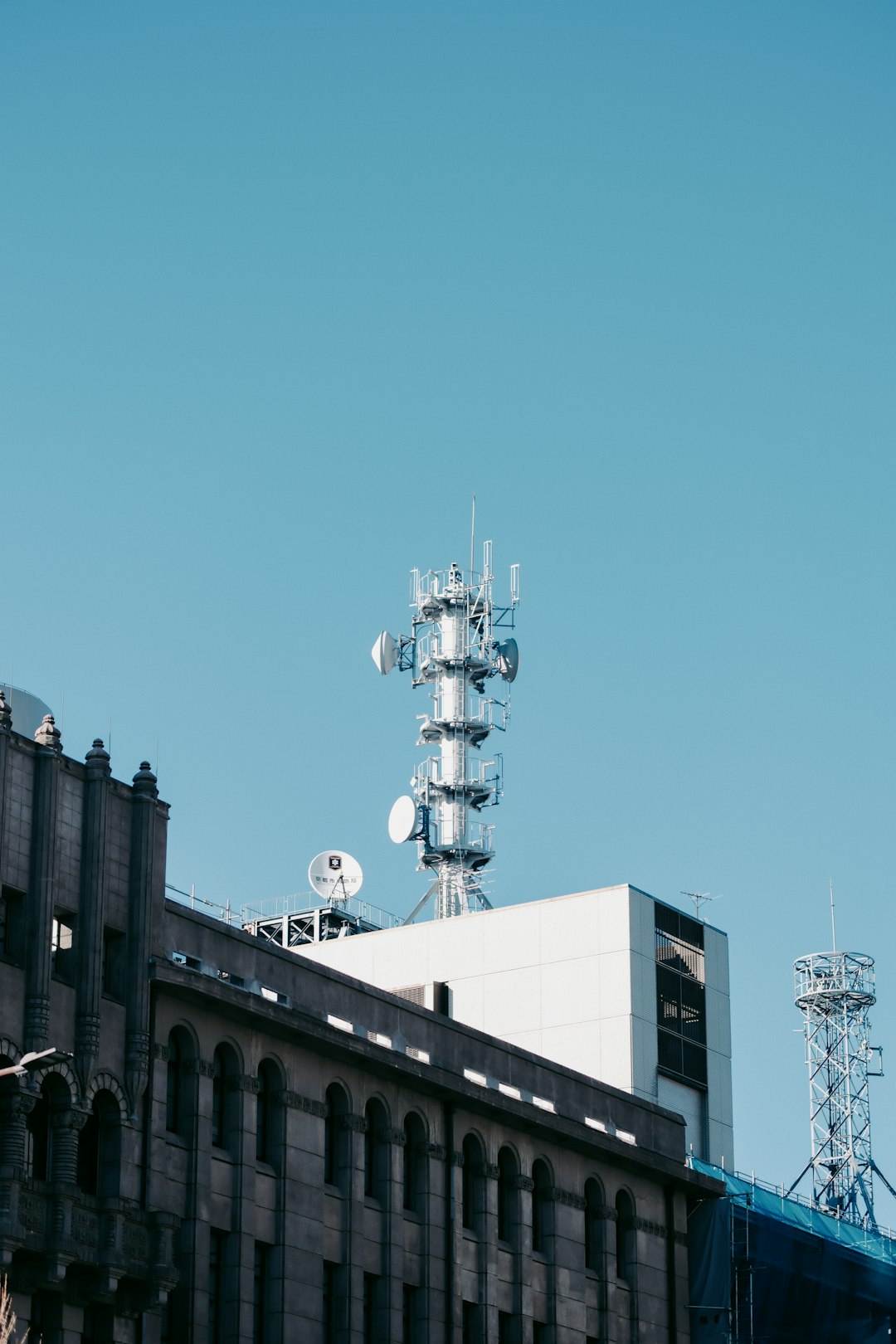
This global flexibility offers several benefits:
- No need to swap hardware when crossing borders
- Consistent connectivity management across regions
- Improved uptime through network redundancy
Security Advantages of SIM-Based Connectivity
Security is a top concern in IoT, especially as devices often collect sensitive data or control critical infrastructure. SIM cards bring built-in security mechanisms that have been refined over decades in the mobile telecom industry.
The authentication process between the SIM and the network uses strong cryptographic keys stored securely on the SIM itself. This makes it significantly harder for attackers to impersonate devices or intercept communications compared to many alternative connectivity methods.
SIM cards help improve IoT security by:
- Providing hardware-level identity protection
- Enabling encrypted data transmission
- Reducing exposure to local network attacks
Remote Management and Over-the-Air Control
Managing IoT devices manually is impractical once deployments scale into the hundreds or thousands. SIM cards support remote management capabilities that are essential for long-term operations.
Through centralized platforms, operators can activate, deactivate, or suspend SIMs, monitor data usage, and even change network profiles over the air. This is particularly useful when devices are deployed in hard-to-reach locations or embedded in equipment designed to last for years.
Remote SIM management reduces operational risk and gives organizations fine-grained control over connectivity costs and performance.
The Role of eSIM and iSIM in Modern IoT
While traditional removable SIM cards are still widely used, newer technologies like eSIM (embedded SIM) and iSIM (integrated SIM) are pushing IoT connectivity even further. An eSIM is soldered directly onto the device, making it more resistant to vibration, temperature extremes, and tampering.
eSIMs allow network profiles to be downloaded and switched remotely, eliminating the need for physical SIM replacement. This is especially important for devices with long lifespans or those deployed in sealed environments.
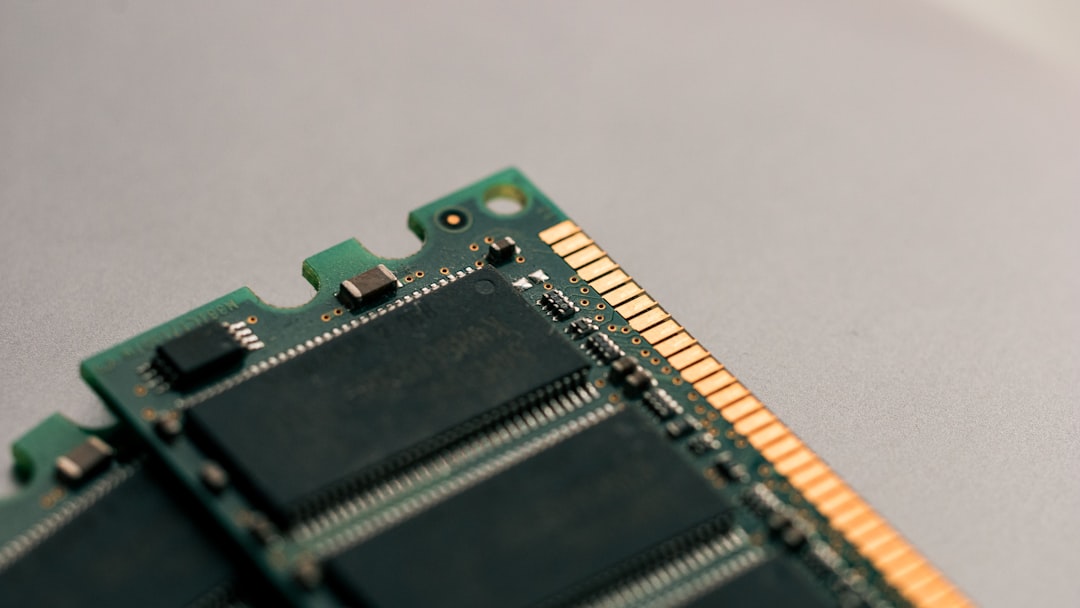
iSIM takes integration a step further by embedding SIM functionality directly into the device’s main chipset. This reduces component count, lowers power consumption, and frees up valuable space, all while retaining the security and reliability of SIM-based connectivity.
Cost Efficiency and Predictable Connectivity
From a business perspective, SIM cards make IoT connectivity more predictable and manageable. Data plans can be tailored to the specific needs of devices, whether they send small data packets occasionally or stream information continuously.
Centralized billing and usage monitoring allow organizations to optimize costs and avoid surprises. Instead of dealing with dozens of local internet providers, a single SIM management platform can oversee connectivity for an entire device fleet.
Cost-related advantages include:
- Flexible data plans for different device behaviors
- Reduced administrative overhead
- Better visibility into usage and anomalies
Why SIM Cards Will Continue to Power IoT Growth
As IoT continues to expand into new industries and applications, the need for reliable, secure, and easy-to-manage connectivity will only grow. SIM cards, despite their small size, solve a wide range of challenges that would otherwise slow down adoption.
By offering standardized access to global cellular networks, supporting remote management, and evolving through technologies like eSIM and iSIM, SIM cards make large-scale IoT not just possible, but practical. They allow developers and businesses to focus on innovation and value creation, rather than worrying about the complexities of connectivity.
In many ways, SIM cards are the quiet enablers of the IoT revolution, working behind the scenes to keep billions of devices connected, secure, and easy to manage.