The ocean covers more than seventy percent of Earth’s surface, yet in 2025 it remains one of the planet’s least understood frontiers. Despite centuries of seafaring, decades of satellite observation, and remarkable advances in robotics and remote sensing, vast portions of the deep sea remain unmapped and unseen. Scientists, policymakers, and explorers increasingly recognize that understanding the ocean is not a luxury, but a necessity for climate stability, biodiversity protection, and sustainable resource management.
TLDR: Much of the ocean is still unexplored in 2025 due to its immense size, extreme conditions, and the high cost of deep sea research. Technological advances have helped, but limitations in funding, data sharing, and international cooperation slow progress. Political, environmental, and ethical challenges also restrict access to many regions. As climate change accelerates, the urgency to chart the unknown ocean has never been greater.
The Scale of the Challenge
One of the primary reasons the ocean remains largely unexplored is its sheer scale. The global ocean spans approximately 361 million square kilometers and reaches depths of nearly 11,000 meters in places like the Mariana Trench. Mapping this vast and three dimensional space is far more complex than charting land surfaces.
Unlike continents, the seafloor is hidden beneath kilometers of water that distort light and radio waves. Traditional mapping tools used on land or in space are ineffective underwater, forcing scientists to rely on sound based technologies such as sonar. Even with modern multibeam sonar systems, ships can only map narrow swaths of seafloor at a time, making global coverage a slow and painstaking process.
Extreme Environments and Human Limits
The deep ocean is one of the most hostile environments known to science. Crushing pressure, near freezing temperatures, and complete darkness dominate depths beyond a few hundred meters. These conditions severely limit the duration and scope of human exploration.
Human occupied submersibles are expensive to build, risky to operate, and capable of reaching only a tiny fraction of the seafloor. As a result, most deep sea exploration relies on remotely operated vehicles and autonomous underwater vehicles. While these machines have revolutionized oceanography, they are still constrained by battery life, communication bandwidth, and vulnerability to mechanical failure.
The deeper the mission, the more expensive and technically demanding it becomes. This reality means that many regions of the abyssal plain and hadal zones are explored only briefly, if at all.
High Costs and Limited Funding
Ocean exploration is costly, and in 2025 it competes with many other scientific and societal priorities. Research vessels can cost tens of thousands of dollars per day to operate, and advanced submersibles require constant maintenance and expert crews.
Unlike space exploration, which often captures public imagination and political support, ocean science struggles for consistent funding. The ocean is out of sight for most people, making it harder to communicate its importance. As a result, many mapping and exploration projects rely on short term grants rather than sustained investment.
Private sector interest has increased in areas such as deep sea mining and undersea cables, but these efforts often collect data for commercial purposes rather than open scientific research. The lack of shared, publicly accessible data further slows global understanding of the ocean.
Technological Progress, but Not a Silver Bullet
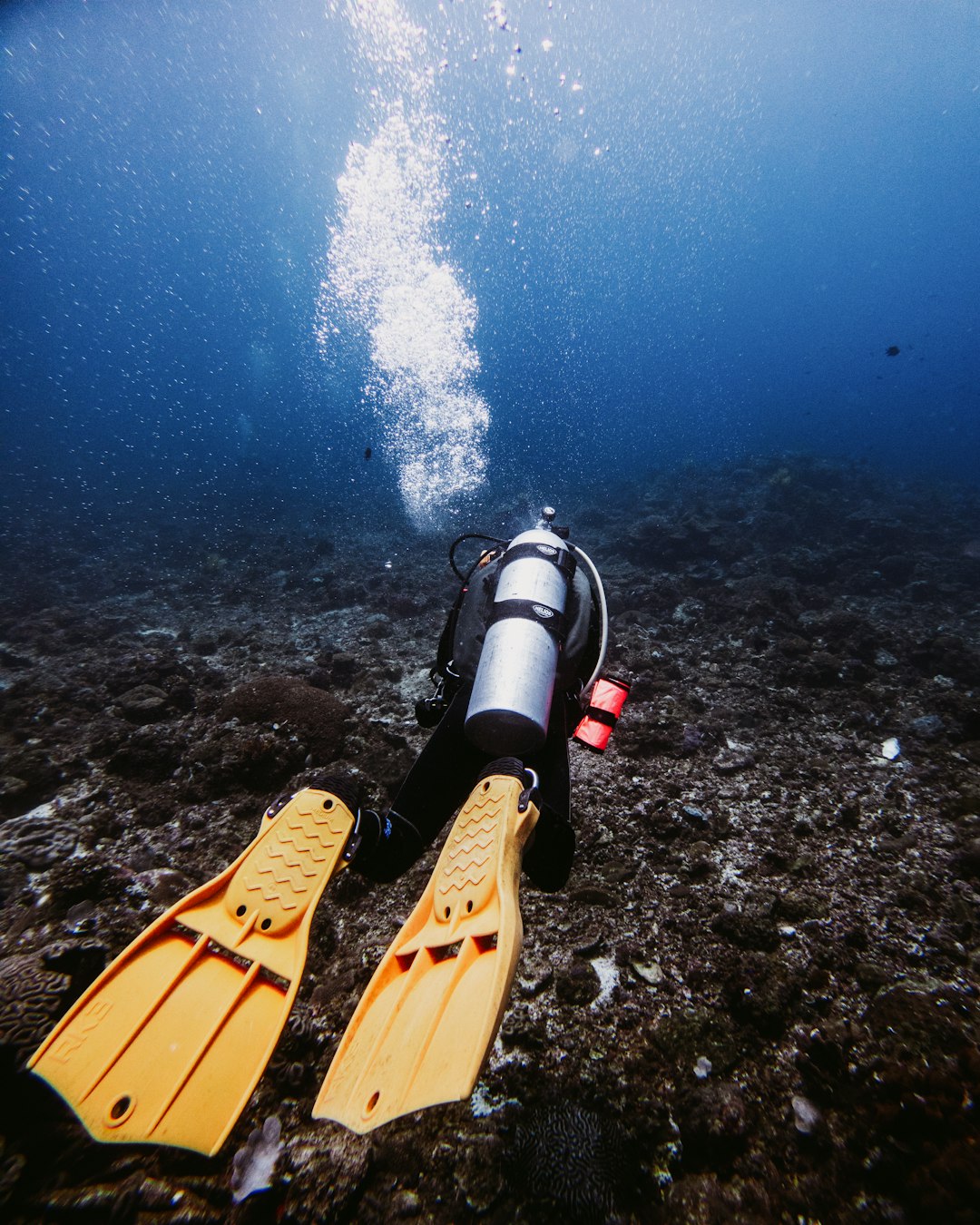
Technological advances have significantly improved humanity’s ability to explore the ocean. Autonomous underwater vehicles can operate without direct human control, mapping large areas over extended periods. Machine learning helps process enormous volumes of sonar and video data, identifying patterns that human analysts might miss.
However, technology alone cannot solve every challenge. Underwater communication remains a major bottleneck, as radio signals do not travel well through seawater. Most data must be stored onboard and retrieved after a vehicle returns to the surface, delaying analysis and decision making.
Additionally, deploying and recovering sophisticated robots in rough seas is risky, and equipment losses are common. Each lost vehicle represents not only a financial setback but also a gap in collected data.
Political Boundaries and Legal Complexities
The ocean is governed by a complex web of international laws and national jurisdictions. While the high seas lie beyond any single country’s control, large portions of the ocean fall within exclusive economic zones. Research in these areas often requires diplomatic approval, which can limit access or delay projects.
Geopolitical tensions also play a role. Some governments restrict detailed mapping of their seafloor due to security concerns, as bathymetric data can be used for submarine navigation. These restrictions create gaps in global maps that may persist for decades.
Even in international waters, disagreements over data ownership and benefit sharing can hinder collaborative research. The absence of a unified global strategy for ocean exploration means efforts are often fragmented and duplicative.
Environmental and Ethical Considerations
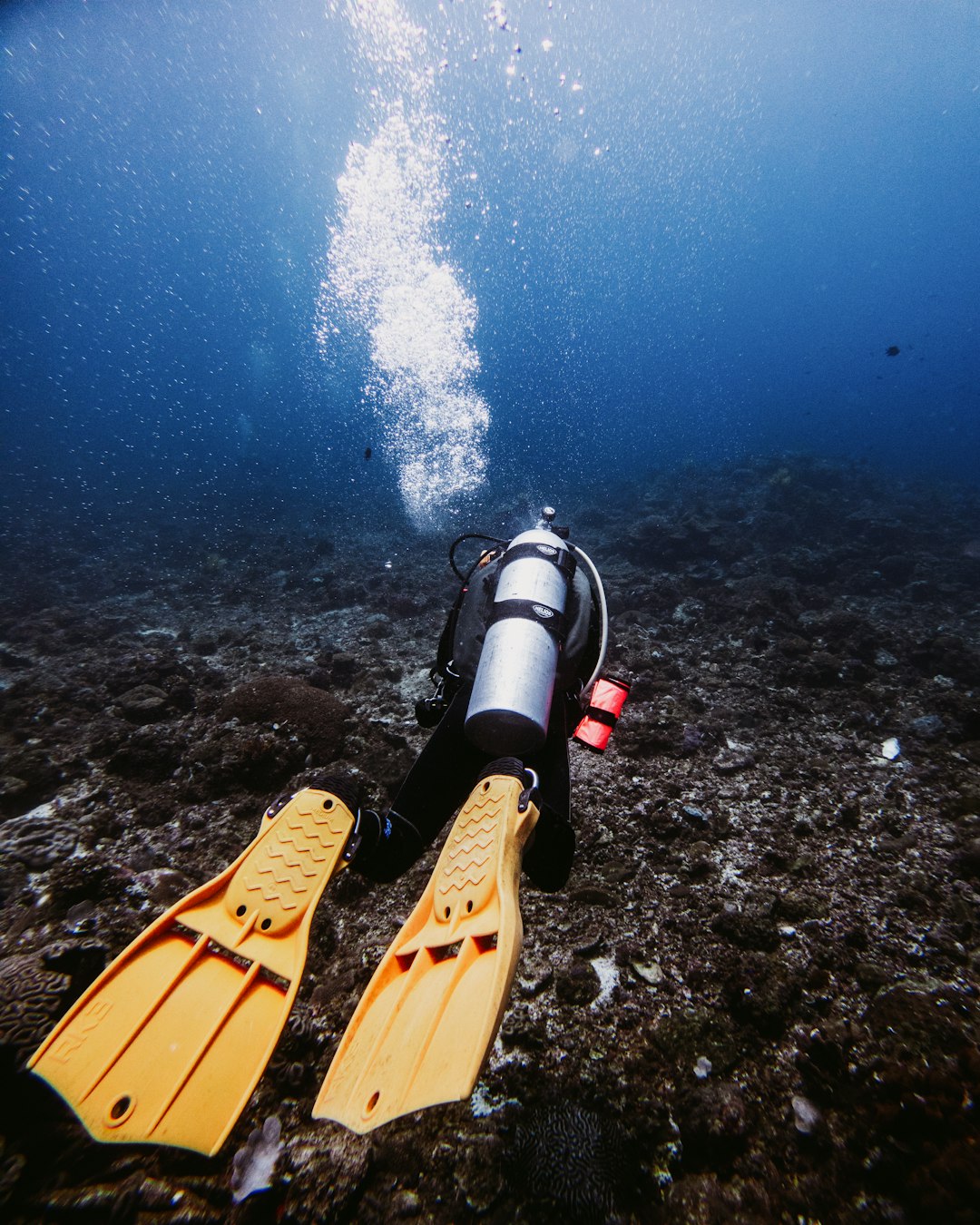
Exploring the unknown ocean raises important ethical questions. The deep sea hosts fragile ecosystems that may be easily damaged by human activity. Scientists must balance the desire to explore with the responsibility to minimize harm.
As interest in deep sea mining grows, concerns about habitat destruction and biodiversity loss become more urgent. Some regions remain unexplored not because they are inaccessible, but because researchers intentionally avoid disturbing pristine environments until better protection frameworks are in place.
In this sense, unexplored does not always mean neglected. It can also reflect caution and respect for ecosystems that are still poorly understood.
Why Exploration Still Matters
Leaving much of the ocean unexplored has consequences. The ocean plays a critical role in regulating Earth’s climate by absorbing heat and carbon dioxide. Without detailed knowledge of seafloor geology, currents, and ecosystems, climate models remain incomplete.
Unexplored regions may hold new species, novel biochemical compounds, and insights into the origins of life. They also contain geological hazards such as underwater volcanoes and landslides that can trigger tsunamis.
In 2025, initiatives like international seabed mapping programs and public private partnerships are slowly expanding knowledge of the ocean floor. Yet progress remains incremental compared to the enormity of the task.
Looking Ahead
The fact that so much of the ocean is still unexplored is both a limitation and an opportunity. It highlights human vulnerability in the face of nature, but also the potential for discovery that lies beneath the waves.
Future breakthroughs will likely depend on sustained funding, open data sharing, and international cooperation. As climate pressures mount, the unknown ocean will increasingly shape humanity’s ability to adapt and survive.
Exploring the ocean is not merely about filling in blank spaces on a map. It is about understanding the systems that support life on Earth, including human life. Until that understanding deepens, the ocean will remain, in many ways, the last great unknown.
Frequently Asked Questions
- How much of the ocean is unexplored in 2025?
Estimates suggest that roughly 75 to 80 percent of the ocean floor remains unmapped at high resolution, and even more is biologically unexplored. - Why is the ocean harder to explore than space?
Extreme pressure, darkness, and communication challenges make underwater exploration more difficult than observing space, where satellites can operate continuously. - Do satellites not already map the entire seafloor?
Satellites can estimate seafloor features using gravity data, but these maps lack the detail needed for scientific and ecological analysis. - What technologies are most important for ocean exploration?
Key technologies include sonar systems, autonomous underwater vehicles, remotely operated vehicles, and data analysis powered by artificial intelligence. - Will the ocean ever be fully explored?
Complete exploration is unlikely in the near future, but continued advances and global collaboration could significantly reduce the unknown areas over time.