In today’s fast-evolving cityscapes, public art and architecture serve functions well beyond decoration. From monumental sculptures that define a skyline to subtle murals nestled in back alleys, art in public spaces has profound effects on how we engage with and perceive our urban environments. It shapes identity, builds community, and even influences economic development by attracting tourism and investment.
TL;DR
Public art plays a critical role in shaping urban spaces, offering more than just aesthetic value. It helps anchor community identity, revitalizes neighborhoods, and influences the flow and experience of public zones. Through collaboration between artists, architects, urban planners, and citizens, cities transform into dynamic, expressive environments. Thoughtful integration of public art can ultimately lead to more inclusive, culturally rich, and economically vibrant urban settings.
The Emotional and Cultural Impact of Public Art
At its core, public art is a mirror of a city’s collective identity. It tells stories, provokes dialogue, and evokes emotion. What sets it apart from art in museums or galleries is its universal accessibility—anyone, regardless of background, can encounter and interpret it.
Maya Lin’s Vietnam Veterans Memorial in Washington D.C., for example, is moving not just because of its architectural form but because of the emotions and memories it elicits. Similarly, Chicago’s Cloud Gate (informally known as “The Bean”) has become an icon due to the public’s interaction with its reflective surfaces and immersive form.
Public art bridges the gap between individual experiences and shared memory. It becomes part of daily life, helping cities commemorate, celebrate, and heal. The vast mural commemorating Black Lives Matter across Washington D.C. streets is not only a political statement but also a permanent mark on the city’s cultural skin.
Urban Planning and the Role of Art
Architects and urban planners increasingly recognize the strategic use of art in the design of public areas. Art is no longer an afterthought—it’s a central element in shaping urban experience.
Consider how art can:
- Direct pedestrian flow through compelling focal points and sightlines
- Provide visual rhythm and break up monotonous urban infrastructure
- Create landmarks that serve as reference points for both residents and tourists
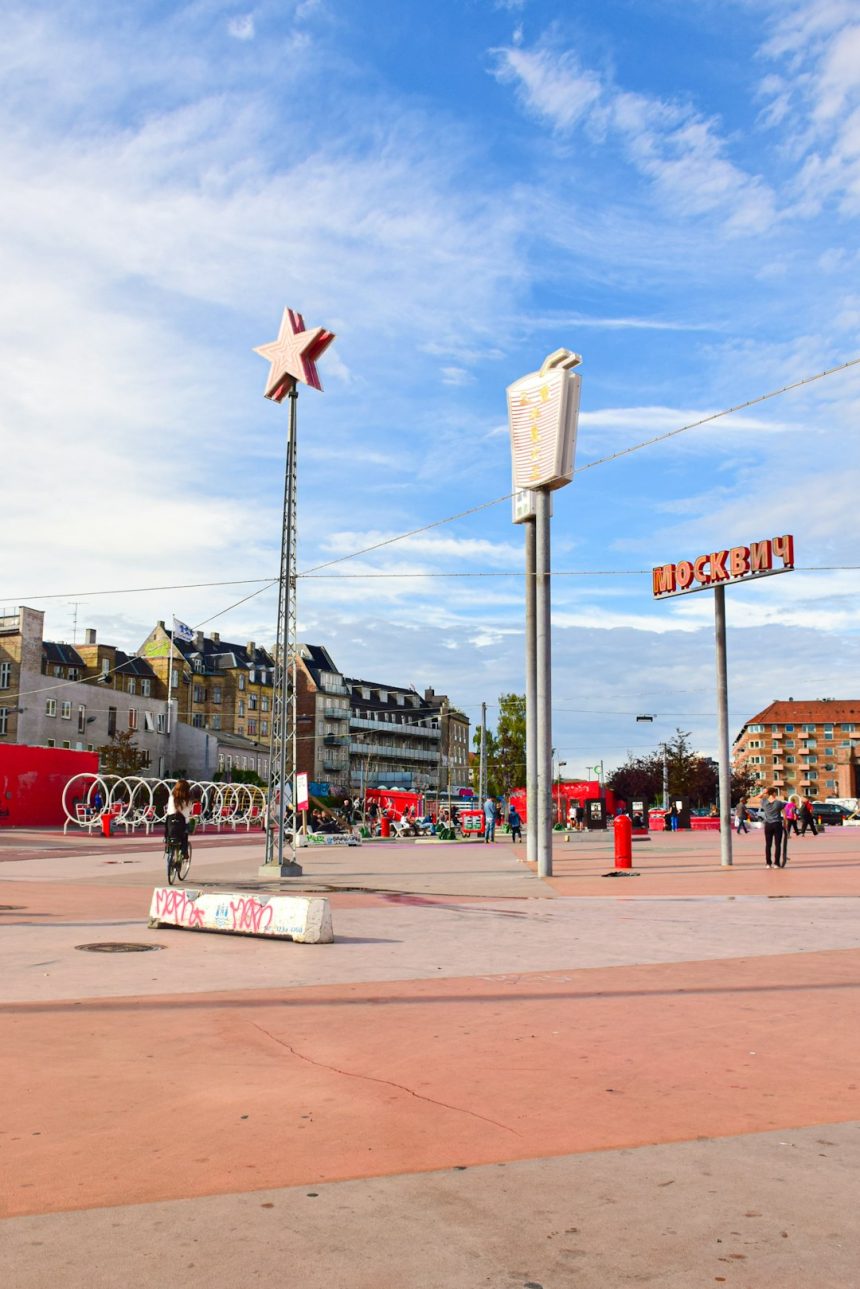
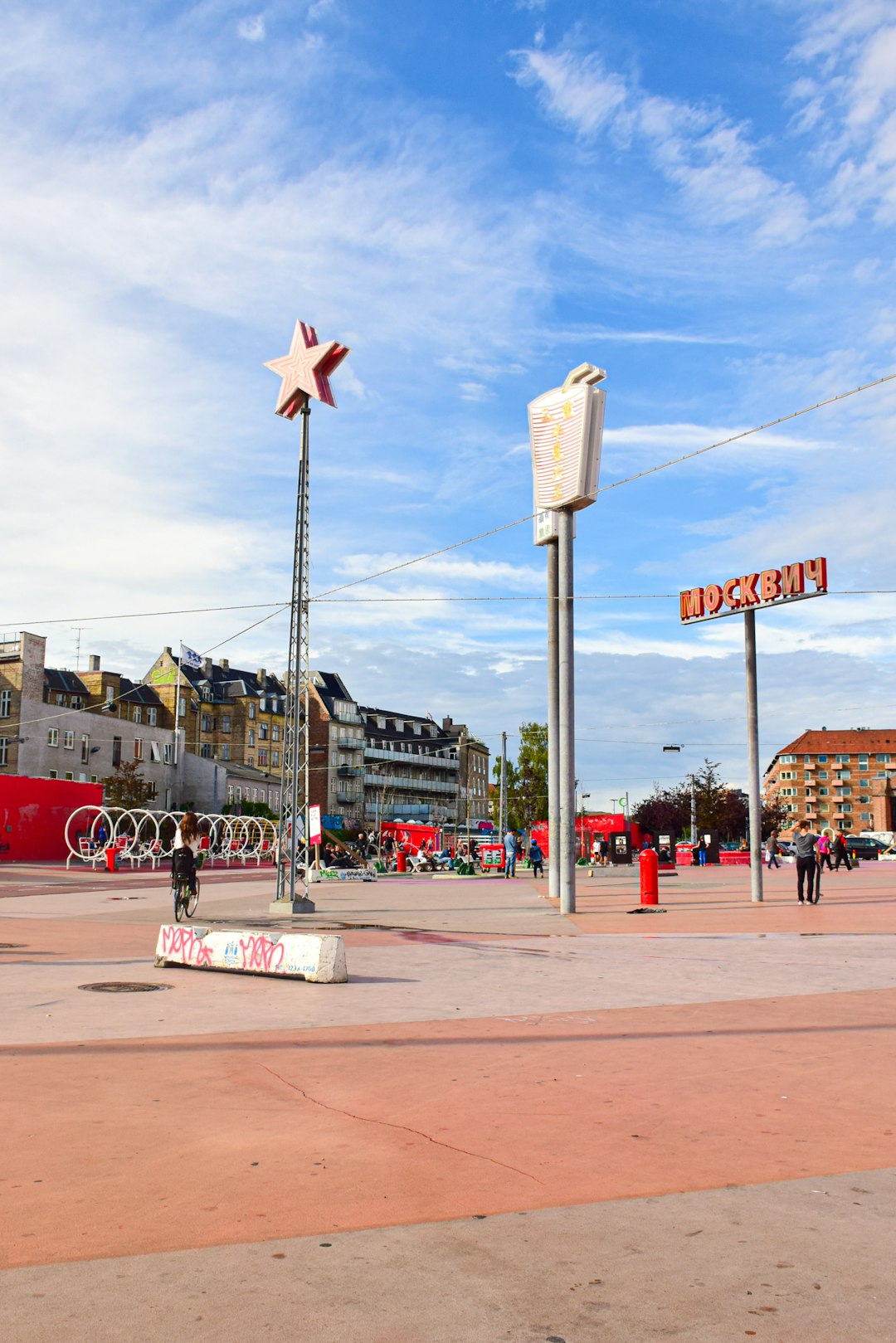
Copenhagen’s ‘Superkilen’ park is a prime example of art, architecture, and urban life blending into one holistic environmental experience. The park integrates objects from more than 60 nationalities to reflect the city’s multicultural population. The result is both a functional public space and a celebration of global identity.
Transforming Neglected and Transitional Spaces
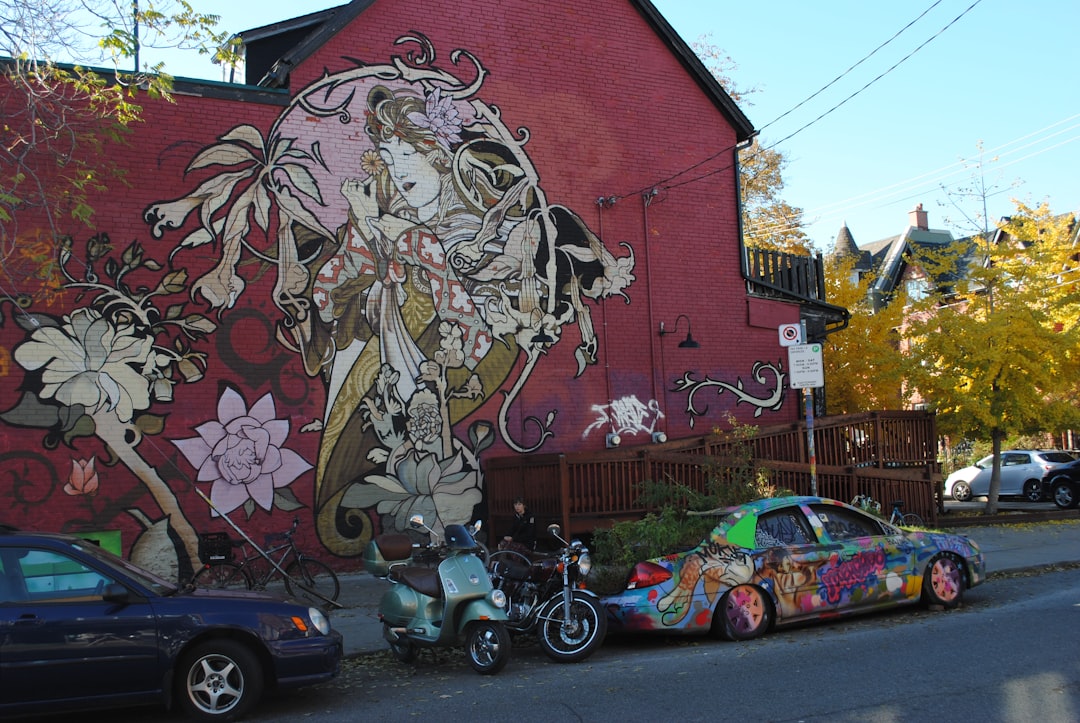
One of the most powerful applications of public art lies in its ability to activate and rehabilitate forgotten or neglected urban areas. Walls once tagged by graffiti can host vibrant murals. Derelict underpasses may become galleries or performance spaces.
Known as “creative placemaking,” this practice invites artists to collaborate with city officials, architects, and communities to reimagine what an area can be. An excellent example is the Wynwood Walls project in Miami, Florida. What was once an area dominated by warehouses became a global mecca for street art, attracting tourists, galleries, and startups alike.
The ripple effect of such public art projects often includes:
- Increased foot traffic, benefiting local businesses
- Improved safety through better-maintained spaces
- Greater civic pride and sense of belonging
Economic Contributions and Investment Potential
Beyond cultural enrichment, public art offers measurable economic benefits. Cities with a bold artistic presence—such as Berlin, New York, and Melbourne—have become hubs for creative industries and cultural tourism.
According to a study by the National Endowment for the Arts, every $1 invested in public art initiatives can return up to $6 in economic activity. Murals, sculptures, and even thoughtfully designed public benches attract not only visitors but also potential investors who see the city as vibrant and forward-thinking.
Real estate developers have also embraced this principle. Incorporating custom artworks into residential and commercial spaces increases property value and helps differentiate neighborhoods in an increasingly competitive market.
Community Engagement and Ownership
Effective public art isn’t just installed—it’s *co-created*. The most successful public artworks stem from community engagement, where residents participate in the conceptualization and realization of the final piece. This partnership empowers local voices and establishes a sense of ownership over the shared environment.
The mural projects led by Philadelphia’s Mural Arts Program highlight this beautifully. With over 4,000 murals produced to date, each project begins with community meetings and collaborative planning sessions. The resulting artworks speak directly to the neighborhoods in which they’re painted, celebrating local heroes, histories, and hopes.
Challenges and Criticisms
Not all public art is universally welcomed. Some installations have sparked intense debate over taxpayer funding, artistic merit, and cultural relevance. In some cases, residents have opposed projects they feel do not accurately represent or respect their communities.
Further, the distinction between *public art* and *gentrification* can become blurred. While public art can elevate a space, it can also indirectly lead to rising property values and displacement of long-term residents. It’s a dynamic that city officials and planners must carefully navigate via inclusive, transparent planning methods.
The Intersection of Technology and Public Art
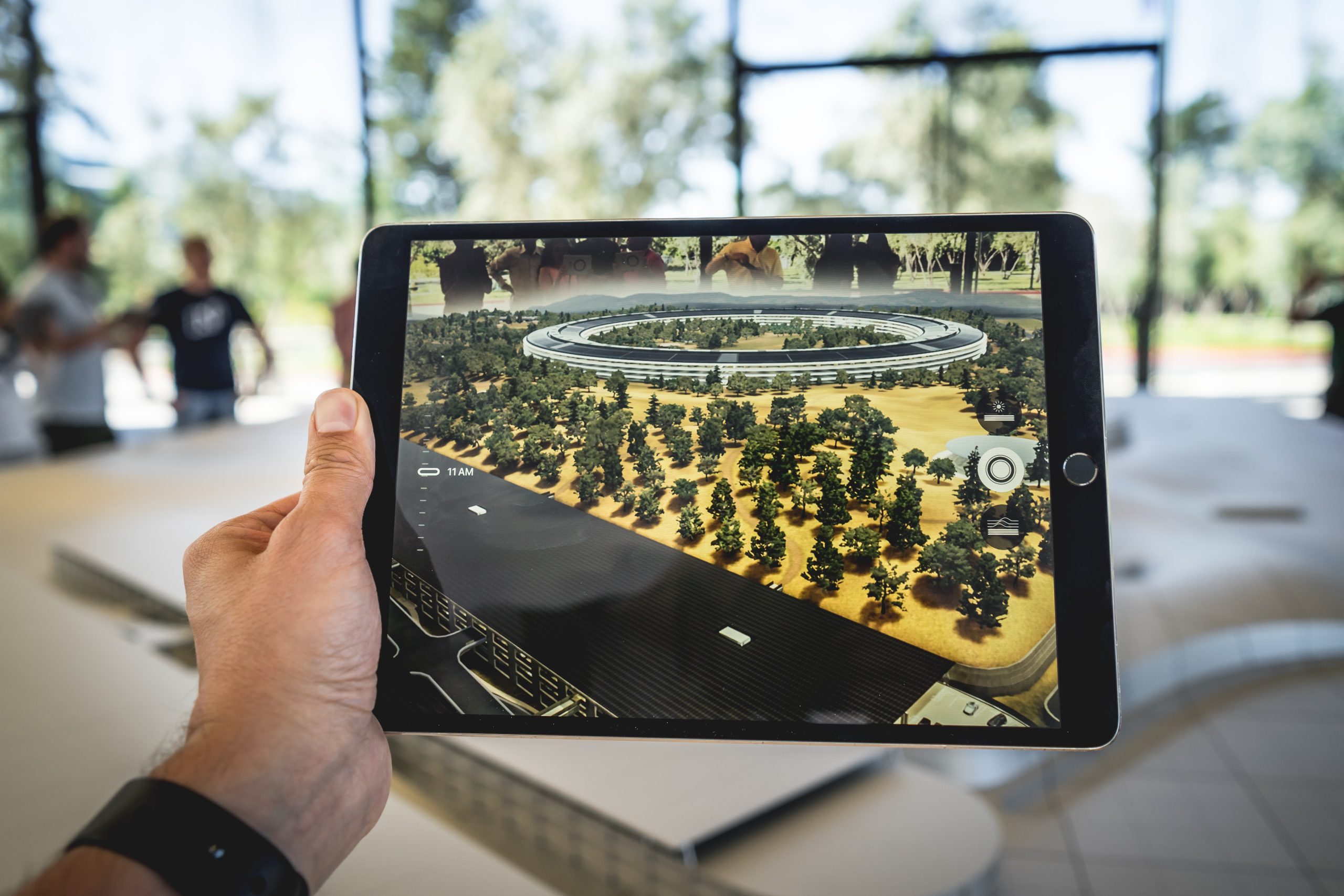
As technology advances, so does the potential of public art. From interactive digital installations to augmented reality experiences, artists are employing new tools to redefine public interaction.
For instance, JR’s global “Inside Out” project uses large-scale photographic installations to promote social messages in public spaces. Mobile interfaces and QR codes allow passersby to learn more, submit their thoughts, or even contribute their own voices to the project.
This blending of the digital and physical realms represents the next frontier in public art: dynamic, evolving, and increasingly personal.
Conclusion: A Foundation for Connection and Change
As cities grow and evolve, the need for spaces that promote reflection, expression, and connection becomes even more critical. Public art serves this need by providing not only aesthetic enrichment but a platform for community, identity, and dialogue.
Whether transforming derelict corners into cultural landmarks or inviting communal reflection through interactive digital design, public art continues to shape and inspire our urban spaces in profound and lasting ways. Through thoughtful collaboration among artists, city planners, architects, and citizens, public art proves time and again that beauty, meaning, and utility can seamlessly coexist in the heart of our cities.