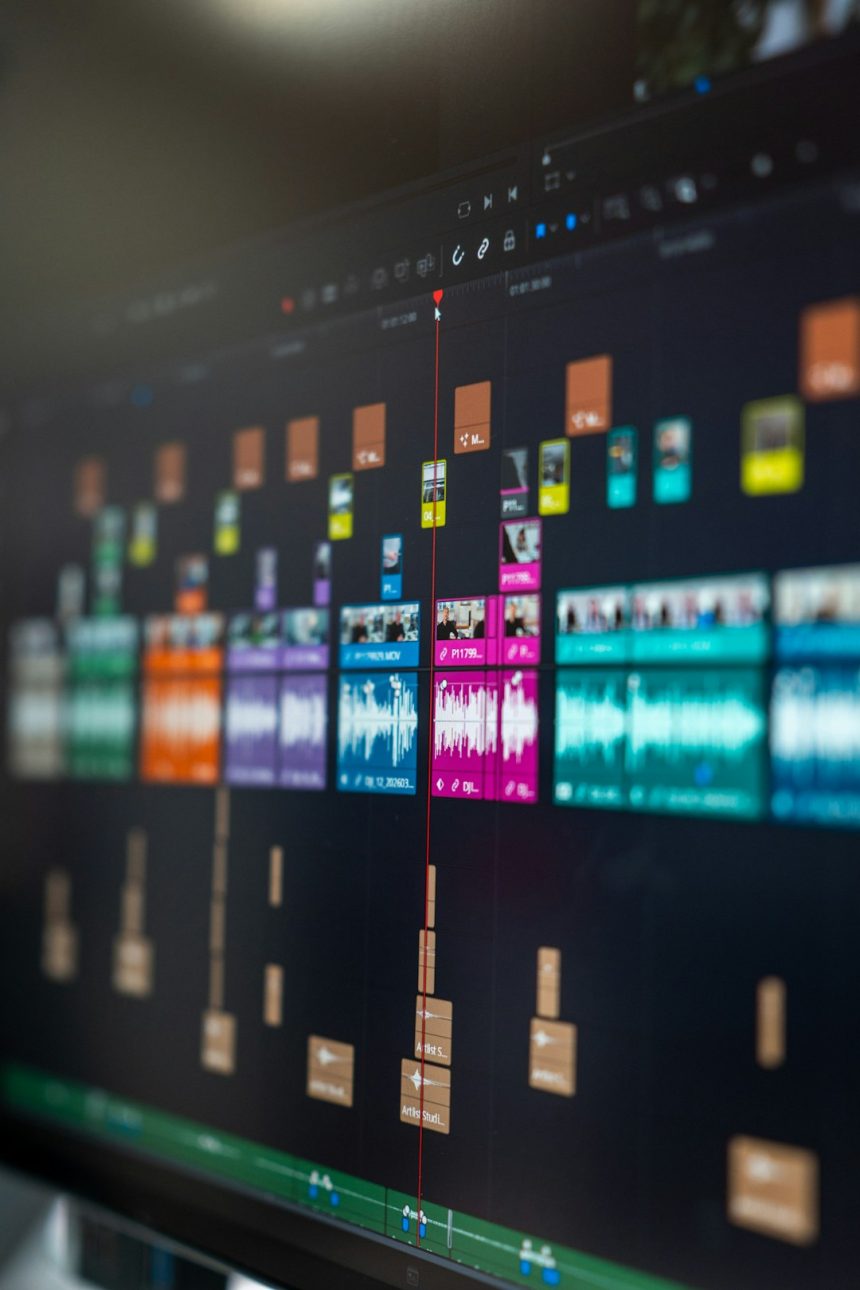
Clipchamp is the most practical Windows Movie Maker replacement for most PC users because it feels simple, runs on Windows 11, and covers the basics without forcing beginners into a professional editing suite. If you only need trimming, titles, music, transitions, captions, exports for social media, and a few clean effects, start there. If you want more control, move to DaVinci Resolve, Shotcut, CapCut, or Adobe Premiere Elements.
TLDR: For quick family videos, YouTube Shorts, school projects, and business clips, Clipchamp is the easiest modern replacement for Windows Movie Maker. For example, a small business owner can cut a 90-second product demo, add captions, insert a logo, and export a vertical version for Instagram in under 30 minutes. If you want free advanced editing, DaVinci Resolve is stronger, but it has a steeper learning curve. For social-first content, CapCut is often the fastest option.
Why Windows Movie Maker Still Has a Following
Windows Movie Maker worked because it did not pretend to be a film studio. You imported clips, dragged them into order, added music, placed a title, and exported. That was enough for millions of users.
The problem is simple: Windows Movie Maker is discontinued. Old installers floating around the web may be unsafe, outdated, or bundled with junk. It drives me crazy that people still waste time hunting for a “clean” copy when better tools already exist.
A proper replacement should offer three things:
- A simple timeline for trimming and arranging clips.
- Basic creative tools such as text, transitions, filters, music, and speed controls.
- Reliable export options for YouTube, TikTok, Instagram, presentations, and local files.

1. Clipchamp: Best Overall Replacement for Windows Users
Best for: beginners, students, small businesses, social clips, simple YouTube videos.
Microsoft Clipchamp is the closest spiritual successor to Windows Movie Maker. It is built into many Windows 11 systems and is also available through a browser. The interface is clean. The timeline is easy to understand. You can trim clips, add titles, apply transitions, record your screen, and export in common formats.
Clipchamp also includes useful templates for social media. That matters if you regularly create vertical videos, ads, product explainers, or quick updates. Instead of building everything from scratch, you can start with a ready-made layout and adjust the text, clips, colors, and music.
Pros:
- Very easy for former Windows Movie Maker users.
- Good templates for social media and business videos.
- Screen recording and webcam recording are included.
- Works well for quick captions, trimming, music, and titles.
Cons:
- Some stock assets and premium features require a paid plan.
- Not ideal for heavy color grading or complex edits.
- Cloud-based features may feel slower with large files.
Verdict: Choose Clipchamp if you want the least painful move from Windows Movie Maker. It is not perfect, but it is the safest first stop for simple video editing on Windows.
2. CapCut: Best for TikTok, Reels, and Shorts
Best for: creators making short-form videos with captions, effects, and quick edits.
CapCut became popular because it understands social video. Auto captions, trendy effects, background removal, speed ramps, stickers, and vertical templates are all easy to find. If your final video is going to TikTok, Instagram Reels, YouTube Shorts, or Facebook, CapCut often gets you there faster than traditional desktop editors.
Honestly, it feels like some classic editors make a 20-second captioned clip take five extra steps for no reason. CapCut avoids much of that friction. You can cut silence, add animated text, and produce a polished mobile-first clip with little training.
Pros:
- Excellent auto captions and text effects.
- Fast workflow for vertical content.
- Strong library of effects, filters, and audio tools.
- Available on desktop and mobile.
Cons:
- Some features depend on account status, region, or plan.
- The style can feel too social-media focused for corporate work.
- Privacy-conscious users should review settings before uploading files.
Verdict: Use CapCut if your main goal is fast content creation for social platforms. It is less like old Movie Maker and more like a modern creator studio.
3. DaVinci Resolve: Best Free Advanced Option
Best for: users who want professional tools without paying upfront.
DaVinci Resolve is much more powerful than Windows Movie Maker ever was. It includes advanced editing, color correction, audio mixing, effects, motion graphics, and export controls. The free version is generous and good enough for many serious creators.
There is a tradeoff. Resolve is not the easiest option on day one. Beginners may feel overwhelmed by the number of panels, pages, and controls. Still, if you plan to grow beyond basic edits, DaVinci Resolve is one of the smartest long-term choices.
Pros:
- Professional editing tools in the free version.
- Excellent color correction.
- Strong audio and effects features.
- Good for YouTube channels, documentaries, music videos, and client work.
Cons:
- Requires a stronger computer than basic editors.
- Learning curve is real.
- Too much software if you only want a quick slideshow.
Verdict: Pick DaVinci Resolve if you want room to grow. It is the best free choice for users who may move from casual editing to serious production.
4. Shotcut: Best Open-Source Replacement
Best for: users who want a free desktop editor with no subscription.
Shotcut is open-source, cross-platform, and capable. It supports many video formats, offers timeline editing, filters, transitions, audio controls, and export presets. It does not feel as polished as Clipchamp or CapCut, but it is reliable and flexible.
Shotcut is a good fit for people who dislike account-based software. You install it, open your media, edit locally, and export. No social feed. No pressure to buy stickers. No annoying template wall before you can start cutting.
Pros:
- Free and open-source.
- Works on Windows, macOS, and Linux.
- Wide format support.
- No subscription required.
Cons:
- Interface can feel dated.
- Some tools are less obvious for beginners.
- Effects are useful but not as slick as social apps.
Verdict: Shotcut is a strong choice if you want a true desktop program with no monthly fee and no cloud dependency.
5. Adobe Premiere Elements: Best Paid Beginner Editor
Best for: home users who want guided editing and stable desktop software.
Adobe Premiere Elements is the simpler cousin of Adobe Premiere Pro. It is made for consumers, families, hobbyists, and casual creators. Guided edits help users create slideshows, fix shaky footage, add effects, and build clean videos without studying professional workflows.
It is not free, but many users prefer paying once for a focused tool instead of signing up for another monthly plan. For school events, travel videos, family archives, and hobby projects, it is a sensible paid option.
Pros:
- Beginner-friendly guided edits.
- Good organization tools for home video libraries.
- Stable desktop workflow.
- More polished than many free editors.
Cons:
- Upfront cost.
- Not as powerful as Premiere Pro or DaVinci Resolve.
- May feel slow on older computers.
Verdict: Premiere Elements is a good paid replacement for users who want support, structure, and a gentler editing process.
Image not found in postmeta
Quick Comparison
- Closest to Windows Movie Maker: Clipchamp.
- Best for social clips: CapCut.
- Best free professional editor: DaVinci Resolve.
- Best open-source option: Shotcut.
- Best paid beginner editor: Adobe Premiere Elements.
How to Choose the Right Replacement
If you edit once a month, do not install a complex professional suite. You will lose time learning tools you may never need. Choose Clipchamp or Premiere Elements.
If you post several times per week on social platforms, use CapCut. Its captioning and vertical editing tools save real time. For a creator publishing five short videos weekly, even 10 minutes saved per edit adds up to more than three hours per month.
If you want to build a serious YouTube channel or do paid work, start learning DaVinci Resolve. The first week may feel slow, but the control is worth it. If you prefer free software and local editing, Shotcut is the safer low-pressure pick.
Final Recommendation
Most former Windows Movie Maker users should try Clipchamp first. It offers the right mix of simplicity, modern export options, templates, and basic effects. It also avoids the risk of downloading outdated Movie Maker installers from questionable sites.
For short-form creators, CapCut is faster. For ambitious editors, DaVinci Resolve is stronger. For free desktop editing, Shotcut is dependable. For a paid beginner tool, Premiere Elements remains a serious option.
The best Windows Movie Maker replacement is not the one with the longest feature list. It is the one that helps you finish the video without fighting the software.