The best time to post Instagram Reels is the time when your own followers are most likely to watch, save, share, and comment within the first few hours. General posting charts can help you start, but they should not control your schedule for long. Treat them as a temporary benchmark while you collect real audience data.
TLDR: Start by testing Reels between 7 a.m. and 9 a.m., 12 p.m. and 2 p.m., and 6 p.m. and 9 p.m. in your audience’s main time zone. After two to four weeks, compare reach, watch time, shares, saves, and comments by posting hour. For example, if your Tuesday 7:30 p.m. Reels average 18,000 views and a 6.4% engagement rate, while noon posts average 9,500 views and 3.1%, your evening slot is probably stronger. Keep testing because audience habits change.
Why Timing Still Matters for Reels
Instagram does not show every Reel to every follower in chronological order. Still, timing affects early response. A Reel that gets quick watch time, rewatches, shares, and comments has a better chance of reaching more people.
The first few hours can matter a lot. If your audience is asleep, commuting without sound, or busy at work, your post may get a weak start. That does not always kill performance, but it makes the job harder.
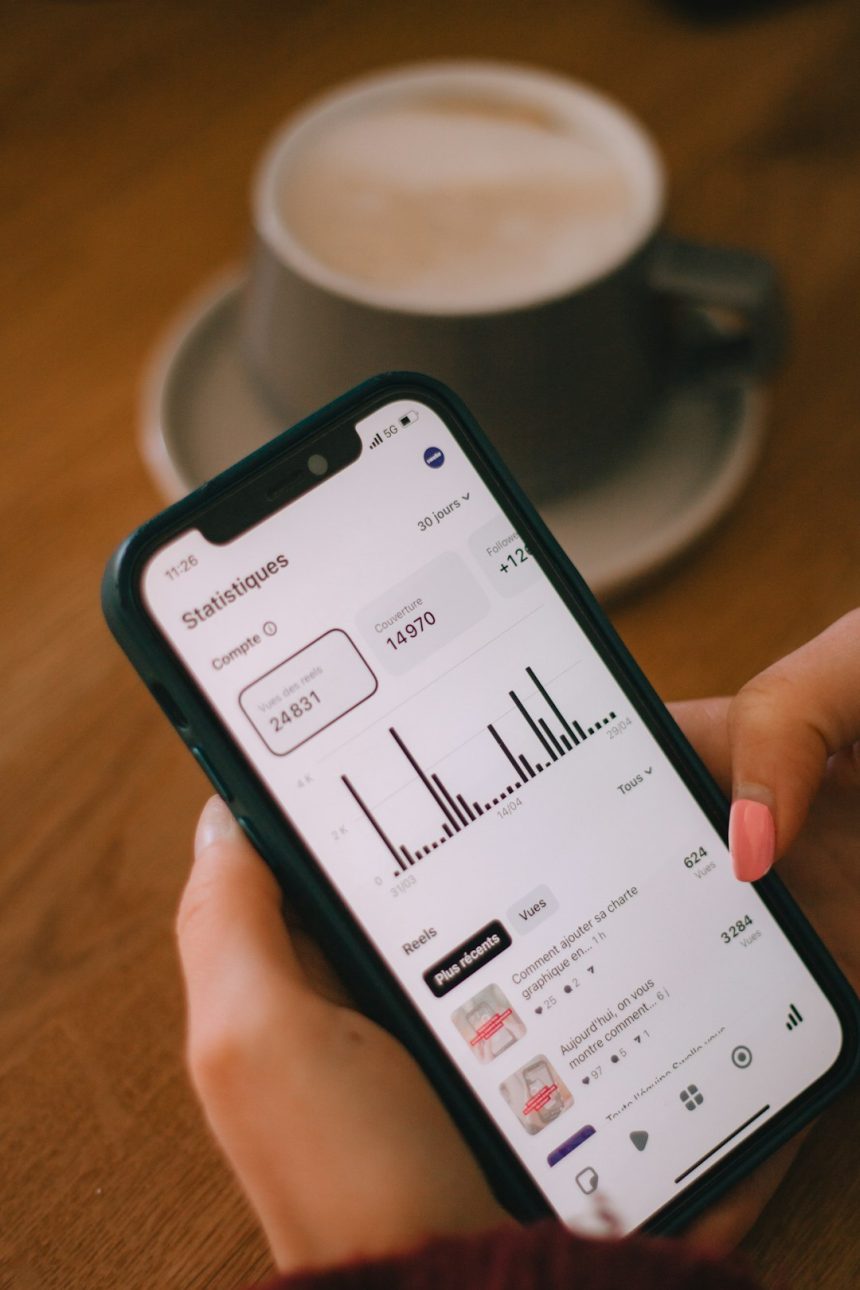
The catch is that Instagram does not hand you one clean answer. Insights can feel scattered. You may need to tap through several screens just to compare basic patterns. Honestly, it feels like a feature that should take ten seconds often takes a minute or more.
Best General Times to Post Reels
If you have no data yet, use common behavior patterns as your starting point. These windows often work because people check social media before work, during lunch, after work, and before bed.
- Morning: 7 a.m. to 9 a.m.
- Lunch: 12 p.m. to 2 p.m.
- Evening: 6 p.m. to 9 p.m.
- Late night: 9 p.m. to 11 p.m. for younger or entertainment-heavy audiences
Weekdays often perform well for professional, educational, and product content. Weekends can work better for lifestyle, food, travel, fitness, hobbies, and entertainment. But these are only starting points. Your account may behave very differently.
Start With Your Audience Time Zone
Do not schedule based on your own clock unless your audience lives where you do. A creator in London with most followers in New York should think in Eastern Time, not UK time.
Go to Instagram Insights and review your audience location data. Look at top cities and countries. If one region makes up most of your followers, build your schedule around that region. If your audience is split across several regions, test two posting windows.
For example, a B2B coach with followers in the United States and Europe might test 8 a.m. Eastern Time and 6 p.m. Central European Time. After a month, the coach may find that the U.S. morning slot brings fewer views but higher lead quality. That matters more than vanity reach.
Match Posting Time to Content Type
Different Reels fit different moments. A viewer may save a tutorial during lunch but share a funny clip at night. This is where many teams get lazy. They use one posting time for every Reel and then blame the algorithm.
Use content intent to guide your test schedule:
- Educational Reels: Test mornings and lunch breaks. People are more alert and willing to save useful posts.
- Entertainment Reels: Test evenings and weekends. Viewers have more time to watch casually.
- Product Reels: Test lunch and early evening. People may browse, compare, and click.
- Fitness Reels: Test early morning, lunch, and Sunday evening. These match planning and routine moments.
- Restaurant or food Reels: Test late morning, late afternoon, and Thursday to Saturday evenings.
- Beauty and fashion Reels: Test evenings, Friday afternoons, and Sunday planning periods.
The goal is not just views. A tutorial that gets fewer views but twice as many saves may be more valuable than a broad entertainment clip that people forget in five seconds.
Use Engagement Data, Not Guesswork
To find your ideal posting schedule, track each Reel for at least seven days. Reels can keep gaining reach after the first day, but early performance still gives useful clues.
Create a simple tracking sheet with these columns:
- Date and time posted
- Day of week
- Content type
- Hook style
- Reach
- Plays
- Average watch time
- Shares
- Saves
- Comments
- Profile visits or clicks
Then group results by posting time. Do not judge from one Reel. One weak hook can ruin a good time slot. Aim for at least three to five Reels per time window before making a decision.
Run a Four Week Posting Test
A clean test beats random posting. Spread your Reels across set time blocks and keep the content quality as consistent as possible.
Week 1: Post three to five Reels in the morning window.
Week 2: Post three to five Reels during lunch.
Week 3: Post three to five Reels in the evening.
Week 4: Repeat the two best slots and compare results.
If you post daily, rotate the slots more evenly. For example, post Monday morning, Tuesday lunch, Wednesday evening, and repeat. The main point is discipline. Random tests create messy data.
Which Metrics Matter Most?
Views are useful, but they are not enough. A Reel with high reach and low watch time may have a strong opening frame but weak substance. A Reel with fewer views and high saves may attract a smaller but better audience.
Focus on these signals:
- Average watch time: Shows whether people stay.
- Completion rate: Strong for short Reels and repeatable formats.
- Shares: Often the strongest sign of audience interest.
- Saves: Very useful for educational, recipe, travel, beauty, and product content.
- Comments: Good for trust, debate, and community depth.
- Profile actions: Shows whether the Reel moves people closer to your brand.
For business accounts, add clicks, inquiries, signups, and sales where possible. Posting time should support business goals, not just bigger numbers.
Account Size Changes the Answer
Small accounts often depend more on follower activity. If only a few people engage early, each action carries more weight. Timing can make a visible difference.
Larger accounts may have more room for error because Instagram can test the Reel with many audience segments. Still, strong timing helps. It can lift early performance and reduce wasted posts.
If your account has under 10,000 followers, test carefully. If your account has over 100,000 followers, segment your analysis by content type and audience region. Bigger audiences hide patterns inside averages.
Common Mistakes to Avoid
- Copying generic “best time” charts forever. They are starting points, not strategy.
- Changing too many variables at once. If you change topic, hook, length, format, and time, you will not know what worked.
- Posting only when convenient. Your schedule should reflect audience behavior, not office habits.
- Ignoring saves and shares. These are often more useful than likes.
- Quitting a test too early. One bad post does not prove a time slot is bad.
How Often Should You Adjust Your Schedule?
Review your Reels schedule every month if you post often. If you post only a few times per week, review every six to eight weeks. Seasonal changes, school terms, holidays, and industry cycles can shift behavior.
A fitness brand may see stronger early morning results in January. A retail brand may see evening traffic rise before major shopping periods. A creator who publishes parenting content may do better after bedtime. These patterns are practical, not mysterious.

A Practical Posting Schedule Template
Here is a serious starting plan for accounts without strong data:
- Monday: Educational Reel at 8 a.m.
- Tuesday: Product or proof based Reel at 12:30 p.m.
- Wednesday: Entertainment or story based Reel at 7:30 p.m.
- Thursday: Tutorial or tips Reel at 8 a.m.
- Friday: Trend, offer, or lifestyle Reel at 6 p.m.
- Sunday: Planning, recap, or inspirational Reel at 7 p.m.
Use this for four weeks. Then keep the best two or three slots. Drop the weakest. Replace guesses with proof.
Final Recommendation
The best time to post Reels is not a universal hour. It is the intersection of audience availability, content intent, and proven engagement data. Start with common windows, test with structure, and track results by content type.
If one slot brings more saves, shares, watch time, and profile actions across several Reels, trust that pattern. Then keep testing. Instagram habits shift, and your best posting schedule should shift with them.