
Retail fulfillment is the organized process of receiving an order, preparing the purchased products, and delivering them to the customer accurately and on time. It sits at the center of modern commerce, connecting inventory, warehouses, technology, carriers, and customer expectations. Whether a retailer sells through a physical store, an ecommerce website, a marketplace, or social commerce, fulfillment determines whether the buying experience ends in satisfaction or frustration.
TLDR: Retail fulfillment is the end-to-end process that moves products from inventory to the customer after an order is placed. Modern fulfillment relies on accurate stock data, warehouse systems, efficient picking and packing, carrier coordination, and clear return processes. As customer expectations rise, retailers must balance speed, cost, accuracy, and flexibility across multiple sales channels.
What Retail Fulfillment Means
At its simplest, retail fulfillment means completing a customer’s order. In practice, it includes several coordinated activities: storing products, receiving the order, locating the item, picking it from inventory, packing it securely, shipping it with the right carrier, and managing delivery updates. If the customer returns the item, the fulfillment process continues through reverse logistics.
For traditional retailers, fulfillment used to mean replenishing store shelves and serving customers at the checkout counter. Today, the picture is more complex. A single retailer may fulfill orders from a central warehouse, a third-party logistics provider, a local store, a dark store, or even directly from a manufacturer. This flexibility helps retailers serve customers faster, but it also requires reliable systems and disciplined operations.
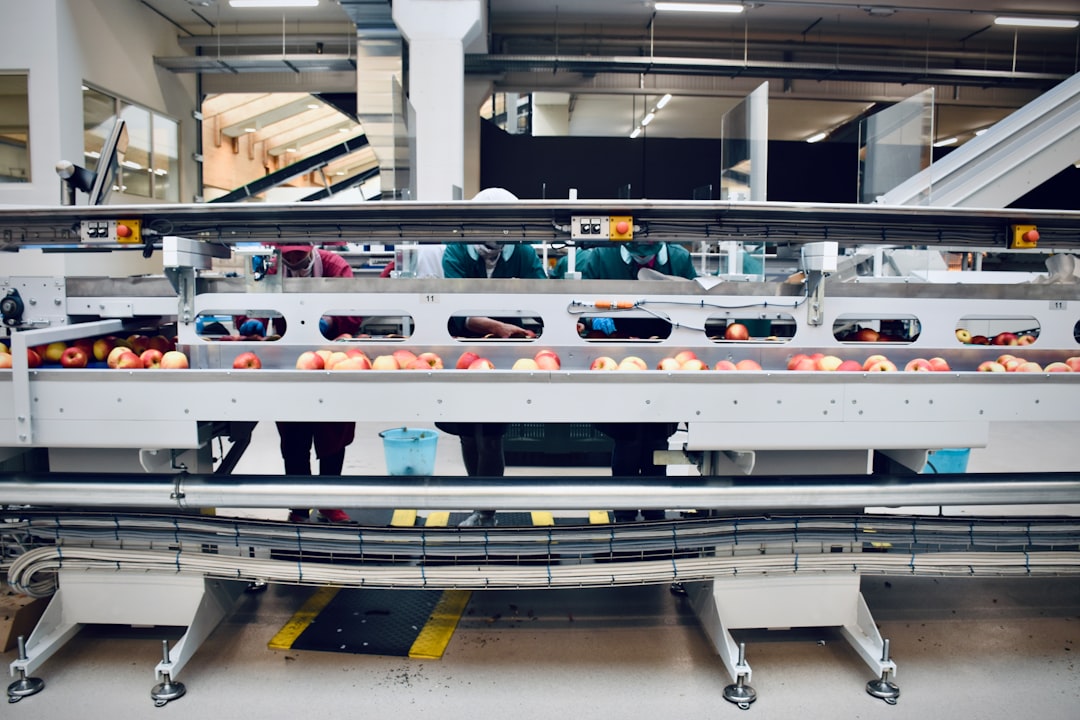
The Main Stages of Modern Order Fulfillment
Most retail fulfillment models follow a similar sequence, although the details vary depending on the retailer’s size, product type, and sales channels.
- Inventory receiving: Products arrive from suppliers, manufacturers, or distributors. The retailer verifies quantities, checks quality, labels items if needed, and records them in an inventory management system.
- Storage and stock management: Goods are stored in warehouses, fulfillment centers, or retail locations. Effective storage makes products easy to locate and reduces handling time.
- Order capture: A customer places an order through a website, marketplace, mobile app, call center, or store. The order must be validated, paid for, and routed to the right fulfillment location.
- Picking: Staff or automation systems locate and collect the items from storage. Accuracy at this stage is critical because picking errors lead directly to returns, refunds, and customer complaints.
- Packing: Items are checked, protected, and packed with the correct documentation, labels, and sometimes branded materials. The goal is to prevent damage while controlling packaging cost and size.
- Shipping and delivery: The parcel is handed to a carrier or delivery partner. Tracking information is sent to the customer, and delivery performance is monitored.
- Returns processing: Returned goods are inspected, refunded or exchanged, and either restocked, repaired, liquidated, or disposed of responsibly.
Why Fulfillment Has Become More Complex
Customers increasingly expect fast shipping, precise delivery estimates, easy returns, and real-time order visibility. At the same time, retailers face higher labor costs, volatile demand, supply chain disruptions, and pressure to keep delivery fees competitive. These forces have made fulfillment a strategic function rather than a back-office task.
Another major factor is omnichannel retail. A customer might browse online, buy through a mobile app, collect at a store, and return by mail. To support this journey, retailers need synchronized inventory across all channels. If a website shows stock that is not actually available, the result may be a canceled order and lost trust.
Modern retailers therefore invest in technology that connects sales platforms, warehouse operations, transportation partners, and customer service teams. The better these systems communicate, the more reliable the fulfillment process becomes.
Common Retail Fulfillment Models
Retailers typically use one or more fulfillment models depending on their business strategy and order volume.
- In-house fulfillment: The retailer manages storage, packing, and shipping internally. This offers control but requires investment in staff, space, systems, and processes.
- Third-party logistics: A 3PL provider stores inventory and fulfills orders on behalf of the retailer. This can help brands scale quickly and access professional logistics capabilities.
- Dropshipping: The supplier ships products directly to the customer after the retailer receives an order. This lowers inventory risk but may reduce control over delivery speed and packaging quality.
- Store fulfillment: Orders are shipped from retail stores or prepared for local pickup. This can reduce delivery distance and make store inventory more productive.
- Click and collect: Customers order online and pick up at a store or collection point. This model is convenient for customers and can reduce shipping costs.
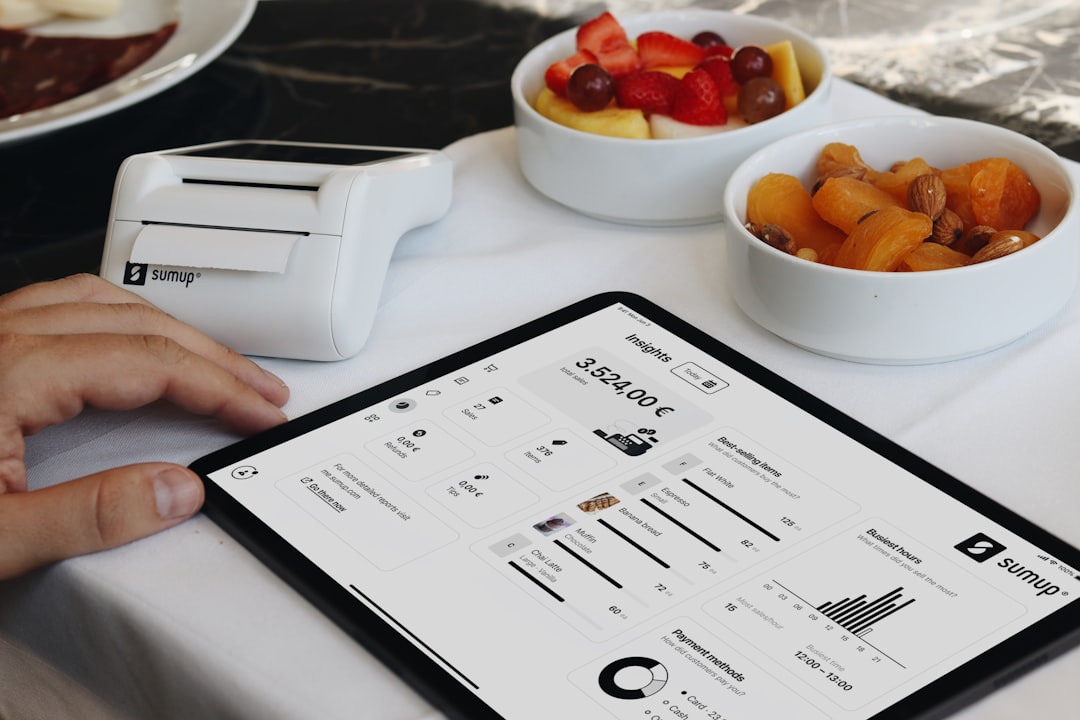
The Role of Technology in Fulfillment
Modern fulfillment depends heavily on accurate data. A retailer needs to know what is in stock, where it is located, which orders are pending, what carrier options are available, and when delivery is expected. Manual spreadsheets and disconnected systems often become unreliable as order volume grows.
Key technologies include order management systems, warehouse management systems, inventory platforms, barcode scanning, shipping software, and forecasting tools. Larger operations may also use robotics, automated storage systems, conveyor networks, and artificial intelligence to optimize picking routes or predict demand.
However, technology alone does not guarantee good fulfillment. Systems must be implemented with clear procedures, trained staff, accurate product data, and ongoing performance measurement. Poorly maintained inventory records can undermine even the most advanced warehouse software.
Important Fulfillment Metrics
Reliable retailers measure fulfillment performance consistently. The most important metrics often include:
- Order accuracy: The percentage of orders shipped with the correct items and quantities.
- On-time shipping rate: How often orders leave the fulfillment location within the promised timeframe.
- Delivery time: The total time from order placement to customer receipt.
- Inventory accuracy: How closely system records match actual available stock.
- Cost per order: The combined cost of labor, packaging, storage, and shipping for each fulfilled order.
- Return rate: The percentage of orders returned by customers, often analyzed by product, channel, or reason.
These metrics help retailers identify bottlenecks and make informed decisions. For example, a high return rate may indicate inaccurate product descriptions, inconsistent sizing, poor packaging, or quality problems. A low on-time shipping rate may point to understaffing, inefficient picking paths, or poor order routing.
Returns Are Part of Fulfillment
Returns are sometimes treated as a separate issue, but they are an essential part of the fulfillment lifecycle. A clear and fair return process can preserve customer confidence even when the original purchase does not work out. Conversely, slow refunds, confusing instructions, or expensive return shipping can discourage repeat purchases.
Effective reverse logistics requires inspection procedures, restocking rules, refund workflows, and fraud controls. Retailers must decide whether returned products can be resold as new, discounted as open-box goods, sent back to suppliers, recycled, or discarded. These decisions affect profit margins, sustainability, and customer satisfaction.
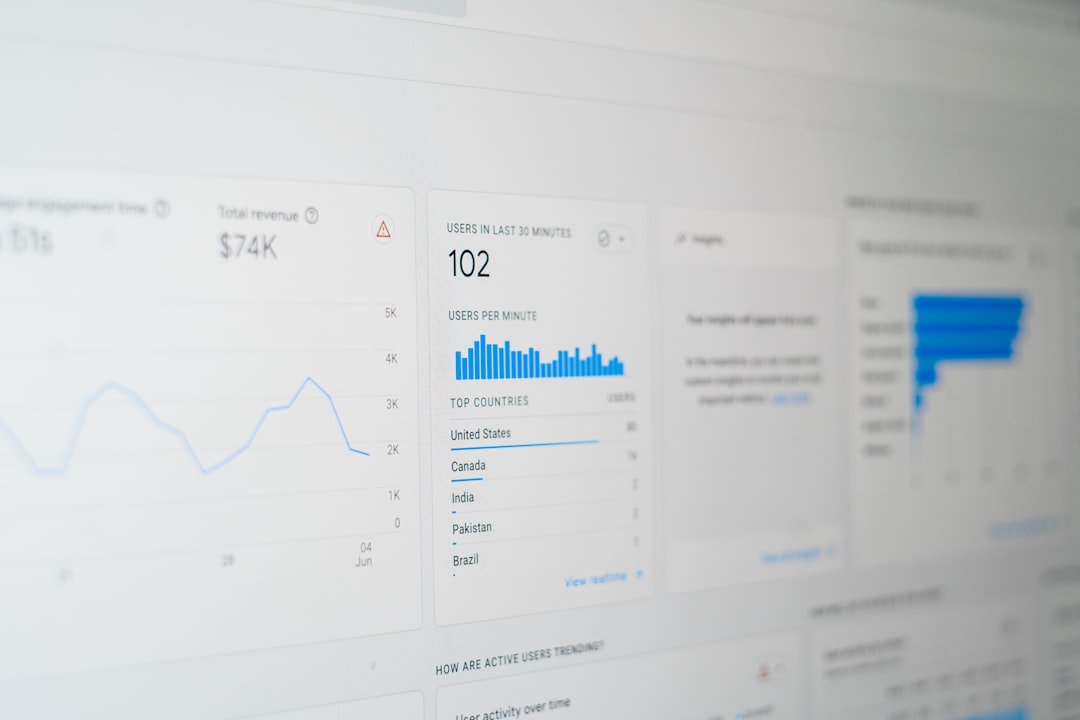
Balancing Speed, Cost, and Reliability
The main challenge in retail fulfillment is balance. Customers want fast and low-cost delivery, but speed can be expensive. Retailers may need additional fulfillment centers, premium carrier services, more labor, or advanced automation to meet aggressive delivery promises. If the retailer absorbs these costs without discipline, margins can shrink quickly.
The most sustainable fulfillment strategy is not always the fastest possible option. It is the one that reliably matches customer expectations while protecting the economics of the business. Transparent delivery promises are often better than unrealistic commitments. A customer who receives an order in three days as promised is usually more satisfied than one who expects next-day shipping but experiences delays.
How Good Fulfillment Builds Trust
Fulfillment is one of the most visible parts of a retail brand. Customers may not see the warehouse, but they experience its results directly. Correct orders, secure packaging, timely tracking updates, and straightforward returns all signal professionalism. Repeated fulfillment failures, on the other hand, can damage a retailer’s reputation even if its products are strong.
For growing retailers, the best approach is to design fulfillment intentionally. That means choosing the right operating model, investing in dependable systems, documenting procedures, training teams, monitoring metrics, and reviewing performance regularly. Modern order fulfillment is not merely about shipping boxes. It is about delivering on the promise made at the moment of purchase.
In a competitive retail environment, fulfillment is a core business capability. Retailers that manage it well can improve customer loyalty, reduce waste, control costs, and scale with confidence. Those that neglect it risk delays, errors, dissatisfied customers, and avoidable financial losses.