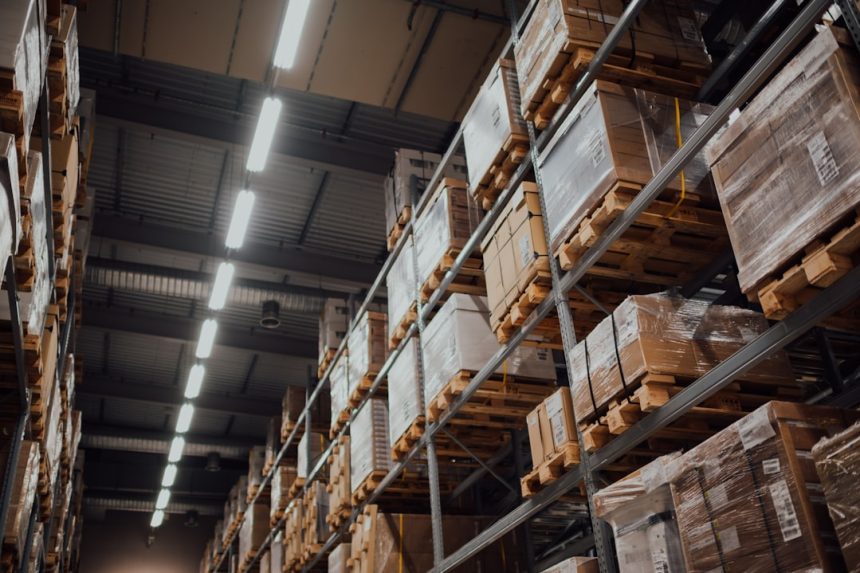
For ecommerce sellers, wholesalers, and manufacturers, MOQ is one of the most important terms in purchasing and production. It affects how much inventory a business must buy, how much cash it needs upfront, and whether a product can be sold profitably. Understanding MOQ helps companies negotiate better supplier terms, manage stock levels, and avoid buying more than they can realistically sell.
TLDR: MOQ, or minimum order quantity, is the smallest number of units a supplier or manufacturer is willing to sell or produce in one order. It helps suppliers cover production, material, and labor costs, while buyers use it to plan inventory and cash flow. A high MOQ can lower unit costs but increase financial risk, while a low MOQ offers flexibility but may come with higher prices. Businesses should compare MOQs carefully and negotiate terms that match their sales volume and growth stage.
What Does MOQ Mean?
MOQ stands for minimum order quantity. It is the minimum number of units a buyer must purchase from a supplier, manufacturer, wholesaler, or distributor. For example, if a factory has an MOQ of 500 units for custom water bottles, a buyer cannot place an order for only 100 units unless the supplier agrees to make an exception.
MOQ can apply to finished products, raw materials, packaging, private label goods, or custom manufactured items. In ecommerce, it often appears when a seller sources products from factories, wholesale marketplaces, or direct suppliers. In manufacturing, it is used to make production runs financially worthwhile.
MOQs can be expressed in several ways:
- Unit based MOQ: The buyer must purchase a certain number of items, such as 1,000 T shirts.
- Value based MOQ: The buyer must spend a minimum amount, such as $5,000 per order.
- Material based MOQ: The buyer must purchase enough product to justify ordering raw materials.
- Custom production MOQ: The buyer must meet a minimum quantity for items with custom colors, sizes, logos, or packaging.
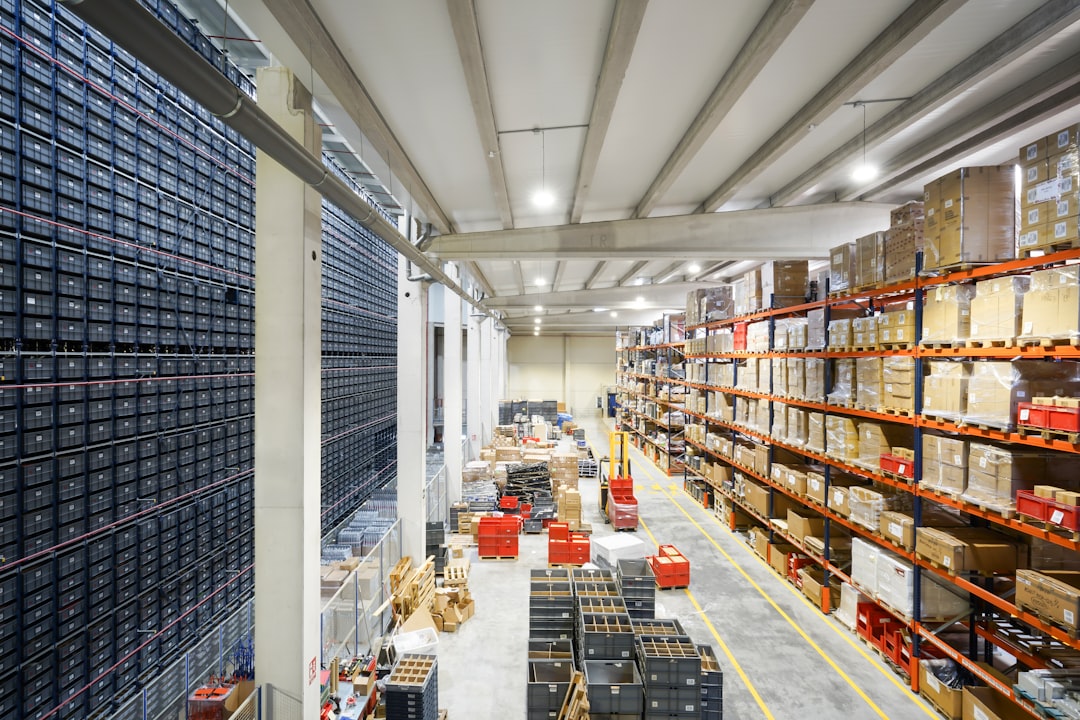
Why Do Suppliers Set Minimum Order Quantities?
Suppliers set MOQs because every order has costs. Even a small production run requires setup, labor, machine time, packaging, quality checks, and administrative work. If the order is too small, the supplier may lose money or earn too little profit to justify the work.
In manufacturing, machines may need to be configured before production begins. Materials may need to be purchased in bulk. Workers may need to prepare molds, printing plates, dye batches, or packaging lines. These steps cost nearly the same whether the supplier produces 100 units or 10,000 units. A minimum order quantity helps spread those fixed costs across enough items.
For wholesalers and distributors, MOQs help maintain efficient logistics. Picking, packing, invoicing, and shipping small orders can be expensive. By requiring a minimum order, suppliers protect margins and reduce operational complexity.
How MOQ Works in Ecommerce
In ecommerce, MOQ influences sourcing decisions, product testing, pricing, and inventory planning. A new online seller may want to test a product with a small order, but the supplier may require a larger purchase. This creates a challenge: the seller must decide whether the potential profit is worth the upfront investment.
For example, an ecommerce brand may find a supplier offering phone cases at $2 each with an MOQ of 1,000 units. The initial product cost would be $2,000, not including freight, customs, storage, marketing, and platform fees. If the brand has not validated demand, the MOQ creates risk. However, if the product sells well, the large order may produce a strong profit margin.
Established ecommerce businesses often use MOQs strategically. They may accept larger minimum orders to receive lower unit prices, secure priority production, or access custom branding options. Smaller businesses may look for suppliers with lower MOQs, even if the cost per unit is higher, to reduce cash flow pressure.
MOQ in Manufacturing
In manufacturing, MOQ is closely tied to production efficiency. Factories typically prefer larger orders because they reduce downtime and make better use of materials, labor, and machinery. A large order allows the factory to buy materials in bulk, streamline production, and improve consistency.
Custom products usually have higher MOQs than standard products. If a buyer requests a unique fabric, special color, custom mold, printed logo, or branded packaging, the manufacturer may need to source materials specifically for that order. Since material suppliers also have MOQs, the factory passes that requirement on to the buyer.
For example, a clothing manufacturer may be willing to sell blank shirts with a low MOQ, but custom dyed shirts may require a much larger order. The reason is simple: dyeing fabric in a specific color requires a minimum batch size to make the process efficient and consistent.

Benefits of MOQ for Buyers and Suppliers
Although MOQs can feel restrictive, they can benefit both sides of a transaction. For suppliers, MOQs protect profitability and make operations more predictable. For buyers, MOQs can lead to better pricing, improved supplier relationships, and reliable production schedules.
Common benefits include:
- Lower unit costs: Larger orders often reduce the price paid per item.
- Better production efficiency: Suppliers can plan labor, materials, and machinery more effectively.
- Improved customization options: Many suppliers only offer private labeling or custom packaging when MOQ requirements are met.
- Stronger supplier relationships: Buyers who place consistent orders may receive better service and more flexible terms over time.
- Inventory stability: Meeting MOQ can help businesses avoid frequent stockouts if demand is predictable.
Challenges of High MOQ
A high MOQ can create serious challenges, especially for small businesses and startups. The biggest issue is cash flow. Buying a large quantity of inventory requires money upfront, and that money may be tied up for weeks or months before sales recover the investment.
Another challenge is storage. More inventory requires warehouse space, organization, insurance, and stock management. If products are seasonal, trendy, or perishable, excess inventory can become obsolete or unsellable.
High MOQs can also increase forecasting risk. If a business overestimates demand, it may be left with slow moving stock. This can lead to discounts, clearance sales, or losses. For this reason, buyers should calculate expected sales, profit margins, storage costs, and reorder timelines before agreeing to a supplier’s minimum.
How to Calculate Whether an MOQ Makes Sense
Before accepting an MOQ, a business should estimate the true cost of the order and the likely return. The purchase price is only one part of the calculation. Shipping, import duties, packaging, inspection, platform fees, advertising, storage, and returns should also be considered.
A simple evaluation may include:
- Total order cost: Unit cost multiplied by MOQ, plus all related expenses.
- Expected selling price: The price customers are likely to pay.
- Gross margin: Revenue minus product and fulfillment costs.
- Sales velocity: How quickly the business expects to sell the inventory.
- Break even point: The number of units that must be sold to recover the investment.
If the business can realistically sell through the order within a reasonable time and still maintain profit, the MOQ may be acceptable. If not, the buyer may need to negotiate or find another supplier.
How Businesses Can Negotiate MOQ
MOQs are often negotiable, especially when a buyer communicates clearly and professionally. Suppliers may be willing to reduce the minimum order if the buyer pays a higher unit price, chooses standard materials, limits customization, or commits to repeat orders.
Useful negotiation strategies include:
- Request a trial order: A smaller first order can prove market demand before scaling up.
- Offer a higher price per unit: Some suppliers accept smaller orders if margins are protected.
- Use standard options: Stock colors, existing molds, and standard packaging often reduce MOQ.
- Combine products: A supplier may allow mixed styles or colors to meet the total MOQ.
- Show long term potential: Buyers with a clear reorder plan may receive more flexibility.

Low MOQ vs. High MOQ
A low MOQ is useful for testing new products, launching small collections, or preserving cash. It allows businesses to experiment with less risk. However, low quantities often mean higher unit costs, fewer customization options, and less negotiating power.
A high MOQ can improve margins and open access to custom manufacturing, but it requires stronger demand forecasting and more working capital. Larger businesses may prefer high MOQs because they can sell through inventory faster and benefit from economies of scale.
The best MOQ depends on the company’s stage, cash position, sales history, storage capacity, and risk tolerance. There is no universal ideal number. A good MOQ is one that supports profitability without creating unnecessary inventory pressure.
FAQ
What is MOQ in simple terms?
MOQ means the smallest number of units a supplier is willing to sell or produce in one order. If the MOQ is 500 units, the buyer usually must purchase at least 500 units.
Why do manufacturers have MOQs?
Manufacturers use MOQs to cover setup costs, labor, materials, machine time, and production overhead. Small orders may not be profitable unless a minimum quantity is required.
Can MOQ be negotiated?
Yes. MOQ can often be negotiated through a smaller trial order, a higher unit price, standard materials, mixed product variations, or a commitment to future orders.
Is a low MOQ always better?
Not always. A low MOQ reduces risk and upfront cost, but it may come with higher unit prices and fewer customization options. A higher MOQ may offer better margins if demand is strong.
How should an ecommerce seller choose an MOQ?
An ecommerce seller should compare the MOQ with expected demand, total landed cost, storage needs, profit margin, and cash flow. The safest MOQ is one the business can sell through without putting too much capital at risk.