
Web content performance in 2026 is no longer measured by traffic alone. Search visibility, user engagement, conversion quality, technical experience, and brand trust now work together as one performance system. To compete effectively, organizations need content that is useful, fast, credible, and adaptable across search engines, AI-driven discovery tools, social platforms, and owned channels.
TLDR: To boost web content performance in 2026, focus on quality, intent, technical speed, structured data, authority, and measurable outcomes. Content should be written for real users while remaining easy for search engines and AI systems to understand. The strongest results will come from regularly updated, trustworthy content supported by data, multimedia, and clear conversion paths.
1. Build Content Around Search Intent, Not Just Keywords
Keywords still matter, but they are no longer enough. In 2026, high-performing content must match the real reason someone is searching. A user looking up “best accounting software for small business” may want comparisons, pricing, compliance details, reviews, or implementation guidance. If your page only repeats keywords without answering the underlying need, it will underperform.
Start by grouping intent into categories such as informational, commercial, transactional, and navigational. Then structure your content accordingly. Informational pages should educate clearly. Commercial pages should compare options and reduce uncertainty. Transactional pages should make the next step obvious and frictionless.

2. Strengthen E E A T Signals
Trust is a performance factor. Search engines, AI assistants, and users increasingly evaluate whether content demonstrates experience, expertise, authoritativeness, and trustworthiness. This is especially important in industries such as finance, healthcare, law, technology, education, and business services.
To improve trust, include author names, credentials, publication dates, update dates, sources, editorial policies, and clear contact information. Where appropriate, cite reputable research, standards, regulations, or expert commentary. Avoid vague claims such as “studies show” unless you can support them with credible references.
Content that feels anonymous, outdated, or exaggerated is less likely to earn engagement or visibility. A serious editorial process is now a competitive advantage.
3. Update Existing Content Before Creating More
Many websites have a large archive of content that is slowly losing value. In 2026, one of the fastest ways to improve performance is to refresh existing pages instead of constantly publishing new ones. Older content may contain outdated statistics, broken links, obsolete recommendations, or missed opportunities for internal linking.
Run a content audit at least quarterly. Identify pages with declining traffic, weak conversions, outdated information, or strong impressions but low click-through rates. Then improve titles, headings, examples, calls to action, visuals, and supporting data. In many cases, a well-executed update can outperform a brand-new article because the page already has history and authority.
4. Optimize for AI Assisted Discovery
Users increasingly discover answers through AI summaries, conversational search, and assistant-driven recommendations. This does not eliminate traditional SEO, but it changes how content should be structured. Pages that are clear, factual, specific, and well organized are more likely to be interpreted correctly by AI systems.
Use concise definitions, direct answers, step-by-step explanations, tables where useful, and descriptive headings. Avoid burying key information in long introductions or vague language. Include context that helps machines and humans understand who the content is for, what problem it solves, and when the advice applies.
For example, instead of writing only “improve your website speed,” specify what to measure, why it matters, and what action to take. Clarity improves both usability and machine readability.
5. Improve Page Experience and Technical Performance
Your content can be excellent and still fail if the page is slow, unstable, or difficult to use. In 2026, performance expectations are high. Visitors expect fast loading, readable layouts, accessible design, and smooth mobile experiences. Search engines also consider technical quality when evaluating pages.
- Compress images and use modern formats where appropriate.
- Reduce unnecessary scripts that slow down page rendering.
- Use responsive layouts that work across screen sizes.
- Improve accessibility with proper headings, alt text, contrast, and keyboard navigation.
- Monitor Core Web Vitals and fix recurring issues.
A faster website usually increases engagement, lowers bounce rates, and improves conversion rates. Technical optimization should not be treated as a developer-only task; it is part of content performance.
6. Use Data to Guide Content Decisions
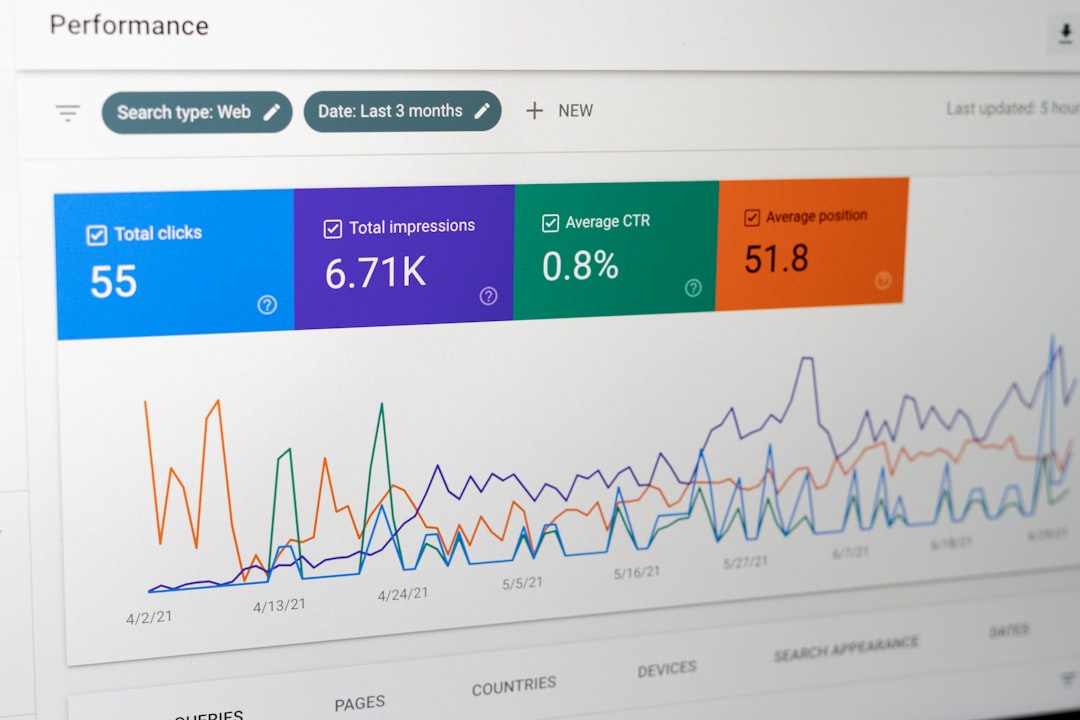
Content strategy should be informed by evidence, not assumptions. Analytics can reveal which topics attract qualified visitors, which pages generate leads, where users drop off, and what formats perform best. The goal is not to collect every possible metric, but to focus on the numbers that connect to business outcomes.
Track metrics such as organic impressions, click-through rate, engaged sessions, scroll depth, assisted conversions, lead quality, and returning visitors. Combine this with qualitative insights from customer conversations, search queries, sales teams, support tickets, and on-site surveys.
Data can also help you identify content gaps. If users repeatedly ask questions your site does not answer, that is a clear opportunity. If a page generates traffic but no conversions, it may need stronger intent alignment or a better call to action.
7. Add Original Insights and First Party Expertise
Generic content is becoming easier to produce and easier to ignore. To stand out, publish material that includes original thinking. This may include internal research, customer findings, expert interviews, proprietary data, real project examples, or lessons learned from direct experience.
Original insights make content harder to copy and more valuable to cite. They also build authority because they show that your organization is contributing knowledge, not simply summarizing what others have said. Even a small survey, an internal benchmark, or a practical case study can make a page more distinctive.
When possible, explain how insights were gathered. Transparency increases credibility and helps readers judge the usefulness of your conclusions.
8. Strengthen Internal Linking and Content Architecture
High-performing content does not exist in isolation. Internal links help users explore related topics and help search engines understand the structure of your site. A strong architecture connects broad pillar pages with more specific supporting articles, product pages, case studies, and resources.
Use descriptive anchor text instead of vague phrases such as “click here.” Link from high-authority pages to important pages that need visibility. Make sure every key page is reachable within a reasonable number of clicks. If users and crawlers cannot easily find a page, its performance will be limited.
Internal linking also supports the buyer journey. A reader who starts with an educational article may need a comparison guide, then a product page, then a consultation form. Good architecture makes that path natural.
9. Design Clear Conversion Paths
Content performance should ultimately support a measurable goal. That goal may be a purchase, demo request, newsletter signup, account creation, download, inquiry, or retained readership. Each page should have a clear next step that fits the user’s intent and stage of awareness.
A top-of-funnel article may invite readers to subscribe or download a practical checklist. A comparison page may direct users to a product demo. A technical guide may offer a consultation with a specialist. The call to action should be visible, relevant, and not disruptive.
Avoid overwhelming users with too many competing options. In most cases, one primary call to action and one secondary option are enough. Strong content builds confidence; strong conversion design helps users act on it.
Final Thoughts
Boosting web content performance in 2026 requires more than publishing frequently. It requires a disciplined approach that combines editorial quality, technical excellence, audience understanding, and performance measurement. The organizations that succeed will be those that treat content as a long-term business asset rather than a short-term marketing task.
Focus on usefulness, credibility, speed, structure, and clear outcomes. If your content helps the right audience solve real problems and makes the next step easy, it will be better positioned to perform across search, AI discovery, and every major digital channel.