The NFT market has evolved from a niche corner of the crypto world into a thriving digital economy powered by artists, collectors, investors, and brands. Whether you’re minting a generative art collection, trading profile picture projects, or investing in digital real estate, the tools you use can significantly impact your experience and profitability. Today’s NFT ecosystem is supported by sophisticated marketplace tools that simplify buying, selling, tracking, and analyzing digital assets across blockchains.
TLDR: NFT marketplace tools make buying and selling digital assets safer, easier, and more strategic. The right platforms help with discovery, analytics, portfolio tracking, and secure transactions. In this article, we explore four essential NFT marketplace tools that streamline trading and improve decision-making. Whether you’re a beginner or experienced collector, these tools can give you a measurable advantage.
Below are four powerful NFT marketplace tools that stand out for functionality, reliability, and user experience.
1. OpenSea – The All-in-One NFT Marketplace
OpenSea remains one of the most recognized names in the NFT space. As one of the earliest large-scale NFT marketplaces, it has developed into a comprehensive platform for minting, buying, selling, and discovering digital assets across multiple blockchains.
Why it stands out: It offers an expansive catalog of NFTs, covering art, music, gaming assets, domain names, and collectibles.

Key Features
- Multi-chain support (Ethereum, Polygon, and other networks)
- Easy minting tools for creators without coding skills
- Advanced search and filtering by price, rarity, and blockchain
- Wallet integration with popular crypto wallets
- Lazy minting to reduce upfront costs
For beginners, OpenSea offers a low barrier to entry. You can connect your wallet, browse collections, and start purchasing NFTs within minutes. The interface is intuitive, making it ideal for those who are not deeply technical.
For sellers, OpenSea provides flexible pricing models:
- Fixed-price listings
- Timed auctions
- Declining price listings
One of the most powerful aspects of OpenSea is its massive liquidity. Because so many users trade on it, items tend to sell more quickly compared to lesser-known platforms. The trade-off, however, can be higher competition and gas fees on certain networks.
Best for: Beginners and creators who want a broad audience and simple listing tools.
2. Blur – The Pro Trader’s NFT Platform
While OpenSea appeals to general users, Blur was built specifically with professional NFT traders in mind. It focuses on speed, zero marketplace fees (in some trading environments), and advanced analytics features.
Blur differentiates itself by offering features designed for high-volume traders who need real-time data and rapid execution.
Key Features
- Real-time price feeds
- Sweeping tools to purchase multiple NFTs at once
- Portfolio management dashboards
- Deep analytics for floor prices and rarity
- Professional trader interface
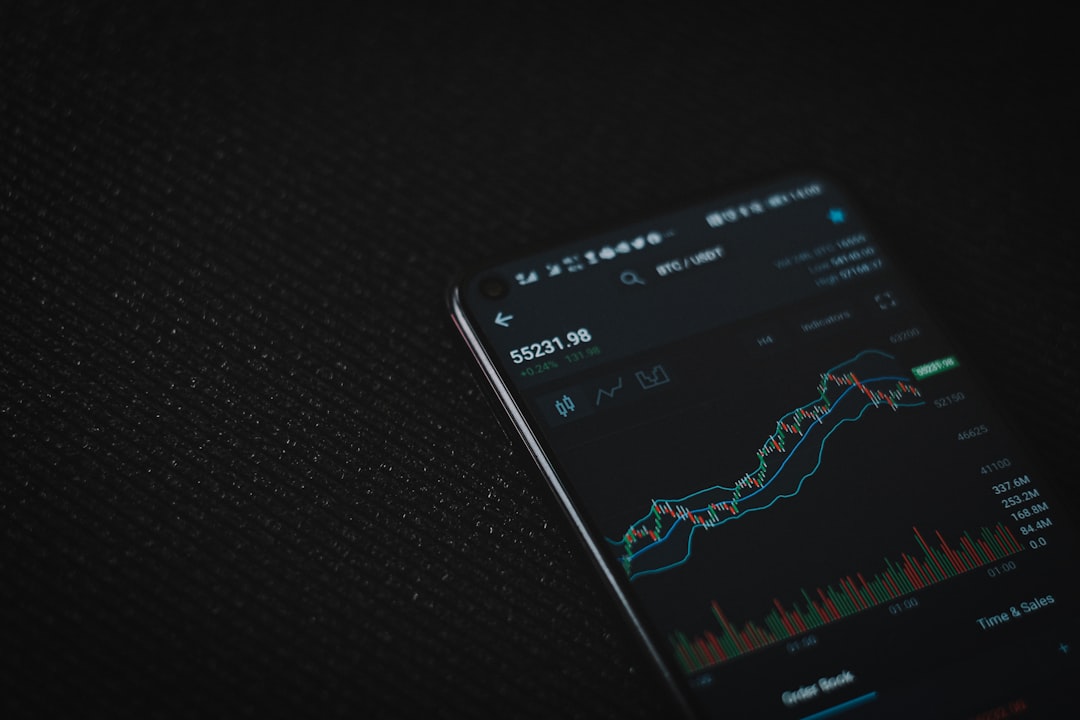
Its sweeping feature allows traders to buy multiple underpriced NFTs across a collection in seconds, which is valuable in fast-moving markets where floor prices change rapidly.
Blur’s interface may feel overwhelming to beginners due to the volume of information displayed. However, seasoned investors appreciate:
- Trait-based floor analysis
- Rarity-adjusted pricing insights
- Instant listing management
If you’re flipping NFTs or arbitraging between platforms, the speed advantage can be significant. Blur aggregates listings from various marketplaces, allowing users to find opportunities without switching platforms constantly.
Best for: Advanced traders looking for efficiency, analytics, and high-speed execution.
3. Rarible – Community-Driven NFT Marketplace
Rarible carved out a unique position in the NFT ecosystem by emphasizing decentralization and governance. It offers a creator-friendly minting experience while incorporating community voting mechanisms.
Unlike purely profit-driven platforms, Rarible promotes user ownership through its governance token system. Token holders can vote on platform upgrades and policies.
Key Features
- Multi-chain minting options
- Customizable royalties for creators
- Community governance structure
- Simple drag-and-drop minting
Rarible has made it especially easy for artists to mint NFTs without advanced technical knowledge. Through simple upload processes, creators can specify:
- Royalty percentages
- Unlockable content
- Limited edition quantities

For buyers, Rarible provides transparent royalty information, ensuring collectors understand how much creators earn on secondary sales. This transparency fosters a more sustainable ecosystem.
Although trading volumes may be lower compared to giants like OpenSea, Rarible remains attractive for niche communities and emerging artists who want stronger governance participation.
Best for: Independent creators and collectors who value decentralization and community input.
4. DappRadar – NFT Analytics and Portfolio Tracking
While not a traditional “marketplace” where you directly buy and sell NFTs, DappRadar is one of the most important tools serious traders use. It provides deep market insights, rankings, and portfolio tracking across decentralized applications and NFT collections.
Think of DappRadar as your NFT market intelligence hub.
Key Features
- Collection rankings by volume and activity
- Wallet portfolio tracking
- Market trend analysis
- Historical sales data
- DeFi and NFT data integration
Instead of buying blindly, investors can analyze:
- Which projects are gaining traction
- Daily trading volume changes
- Whale wallet activity
- Upcoming NFT drops
This type of data-driven insight can prevent impulsive decisions and highlight undervalued projects before mainstream hype begins.
DappRadar also helps you aggregate your assets in one view by connecting your wallet. This makes it easier to monitor:
- Total NFT portfolio value
- Performance trends over time
- Profit and loss analytics
Best for: Investors who want data, analytics, and research tools before committing funds.
How to Choose the Right NFT Marketplace Tool
With so many platforms available, choosing the right tool depends largely on your goals. Consider the following factors:
1. Experience Level
- Beginners may prefer intuitive platforms like OpenSea.
- Advanced traders benefit from Blur’s analytics-heavy interface.
2. Trading Strategy
- Long-term collectors may prioritize marketplace reputation and liquidity.
- Flippers need real-time analytics and fast execution.
3. Creative Goals
- Artists may value minting simplicity and royalty flexibility.
- Community-focused creators might prefer governance-enabled platforms.
4. Risk Management
Using analytics platforms like DappRadar alongside your marketplace reduces emotional decision-making. Data-backed strategies tend to outperform purely speculative buys over time.
Security Best Practices When Using NFT Tools
No matter which marketplace you use, security remains critical. NFT transactions are irreversible, and scams are common in emerging markets.
Best practices include:
- Using hardware wallets for high-value collections
- Verifying official collection pages before purchasing
- Avoiding suspicious links in social media messages
- Double-checking wallet signatures before approving transactions
- Keeping private keys offline and secure
Tools can enhance profitability, but security discipline protects it.
The Future of NFT Marketplace Tools
NFT marketplaces are rapidly evolving. We are seeing trends such as:
- Cross-chain interoperability
- Lower transaction costs
- AI-powered rarity analysis
- Integrated lending and staking
As competition increases, platforms continue introducing features that benefit both collectors and creators. The next generation of NFT tools will likely combine marketplace functionality, analytics, decentralized finance, and social interaction into unified ecosystems.
For buyers and sellers, this means greater transparency, smarter decision-making tools, and improved liquidity across networks.
Final Thoughts
The NFT world can feel overwhelming, but the right marketplace tools make all the difference. Platforms like OpenSea provide accessible entry points, while Blur serves professional traders who thrive on speed and precision. Rarible empowers creators with governance and customization options, and DappRadar adds the critical analytics layer needed for strategic investing.
Whether you’re collecting digital art for passion, trading for profit, or building your own NFT brand, leveraging these tools helps transform guesswork into informed action. As the NFT ecosystem continues to expand, mastering these platforms will position you ahead of the curve in an increasingly competitive digital marketplace.