Decentralized finance has evolved from a niche experiment into a sprawling ecosystem of lending markets, liquidity pools, yield farms, derivatives platforms, and cross-chain bridges. As investors spread capital across multiple blockchains and protocols, one major challenge has emerged: how do you track everything in one place? DeFi portfolio platforms aim to solve this problem by aggregating wallet data, protocol positions, rewards, and transaction histories into unified dashboards.
TLDR: DeFi portfolio platforms help investors track assets across multiple wallets, blockchains, and protocols in one interface. They aggregate tokens, liquidity positions, staking rewards, loans, and yields in real time. The best tools go beyond basic balance tracking by offering analytics, risk metrics, tax reporting, and performance insights. As DeFi becomes more complex and multichain, portfolio trackers are quickly becoming essential infrastructure.
The Rise of Multi-Protocol Complexity
In the early days of decentralized finance, tracking assets was relatively simple. Most activity happened on a single blockchain, primarily Ethereum. Investors held tokens in one wallet and interacted with just a handful of protocols.
Today, the landscape looks dramatically different:
- Multiple Layer 1 blockchains (Ethereum, Solana, Avalanche, Base, and others)
- Layer 2 scaling networks
- Bridges moving assets between chains
- DEX liquidity positions represented as NFTs
- Staking derivatives and rebasing tokens
- Lending platforms with dynamic interest rates
An investor might provide liquidity on one chain, stake tokens on another, borrow stablecoins elsewhere, and farm governance rewards in multiple protocols simultaneously. Manually tracking this activity is not only inefficient—it’s nearly impossible.
This is where DeFi portfolio platforms play a critical role.
What Are DeFi Portfolio Platforms?
DeFi portfolio platforms are applications that connect to blockchain data via wallet addresses and display a comprehensive overview of a user’s holdings and positions. They do not require custody of assets. Instead, they read publicly available blockchain data and present it through a user-friendly interface.
At their core, these platforms do three main things:
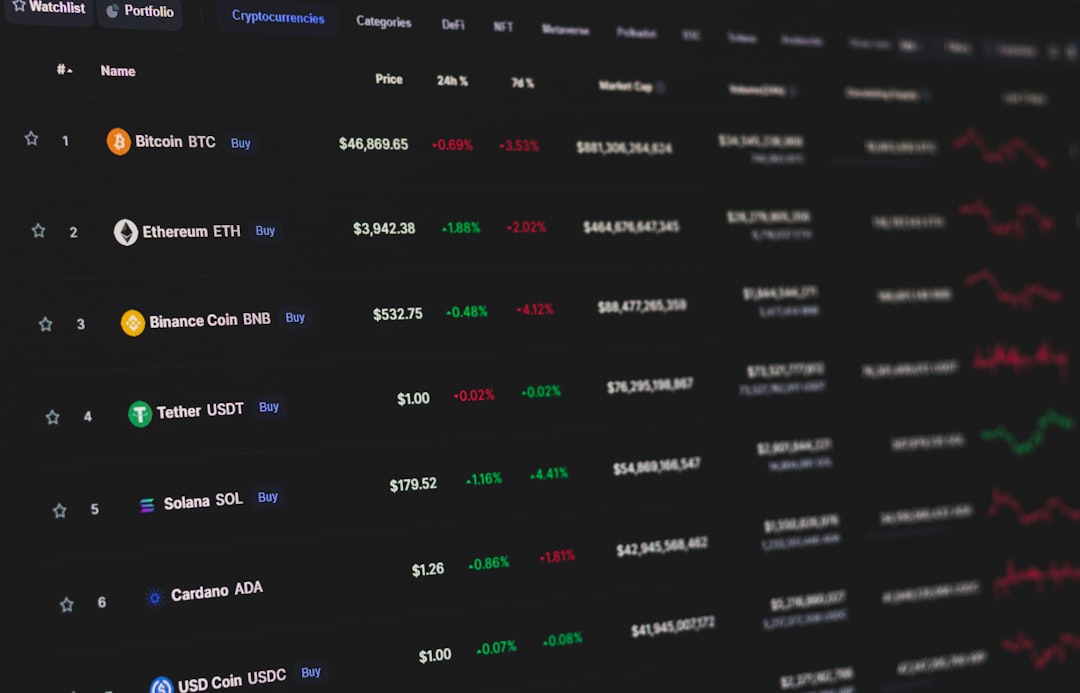
- Aggregate wallet balances across tokens and chains
- Detect protocol-specific positions like LP tokens, lending deposits, and borrowing
- Calculate portfolio value in real time
More advanced platforms layer analytics and automation on top of this foundation.
Core Features of Multi-Protocol Tracking Tools
While basic trackers might simply show token balances, sophisticated DeFi platforms are designed to reflect the full complexity of decentralized markets. Key features often include:
1. Multi-Chain Support
A strong portfolio platform integrates data from numerous blockchains. This ensures users can monitor assets across EVM-compatible networks, non-EVM chains, and emerging ecosystems without switching tools.
2. Liquidity Pool Position Tracking
Liquidity provisioning is a cornerstone of DeFi. Platforms must:
- Recognize LP tokens
- Break down underlying asset allocations
- Calculate impermanent loss exposure
- Estimate earned trading fees
This visibility helps investors assess risk and optimal rebalancing strategies.
3. Lending and Borrowing Data
On money markets, users often deposit collateral and borrow other assets. A strong tracker shows:
- Total supplied assets
- Outstanding loans
- Collateral ratios
- Liquidation thresholds
Without this consolidated view, managing leverage becomes dangerous.
4. Yield Farming and Rewards
Many DeFi protocols distribute rewards in governance tokens. Portfolio platforms identify unclaimed rewards and estimate annual percentage yields (APY), saving users from manually checking each protocol.
5. NFT and Tokenized Position Recognition
Some liquidity positions exist as NFTs. Advanced trackers decode these complex structures and convert them into understandable financial metrics.
Why Multi-Protocol Tracking Matters
Tracking isn’t just about convenience—it directly affects financial outcomes.
Risk Management
DeFi offers high returns, but it also introduces smart contract risk, liquidation risk, bridge risk, and market volatility. A portfolio tracker provides a consolidated exposure view, helping users:
- Identify overexposure to a single token
- Spot excessive leverage
- Monitor declining collateral margins
- Assess protocol concentration risk
Performance Evaluation
It can be surprisingly difficult to answer a basic question: “Am I making money?” Token price changes, yield rewards, and impermanent loss all interact in complex ways.
Portfolio platforms calculate:
- Net profit and loss (PnL)
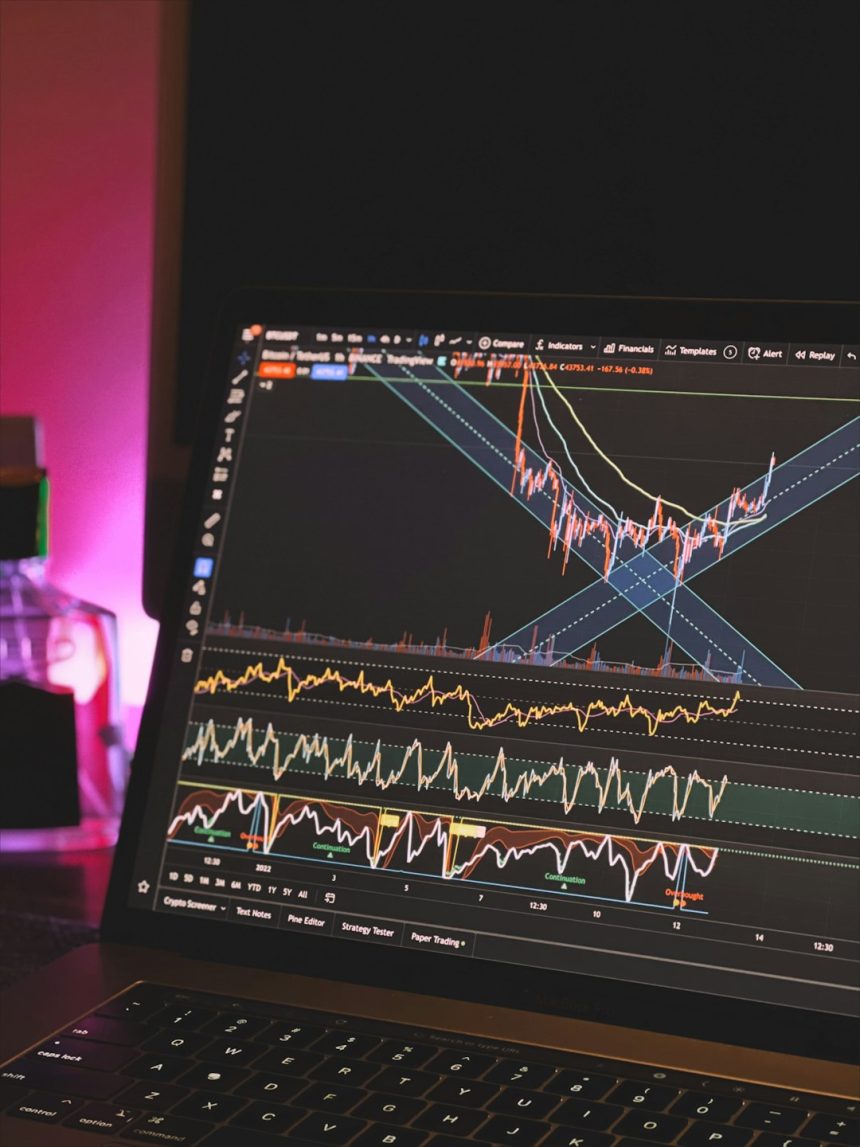
- Historical performance charts
- Yield versus price appreciation breakdown
- Benchmark comparisons
This helps investors distinguish between skill and market momentum.
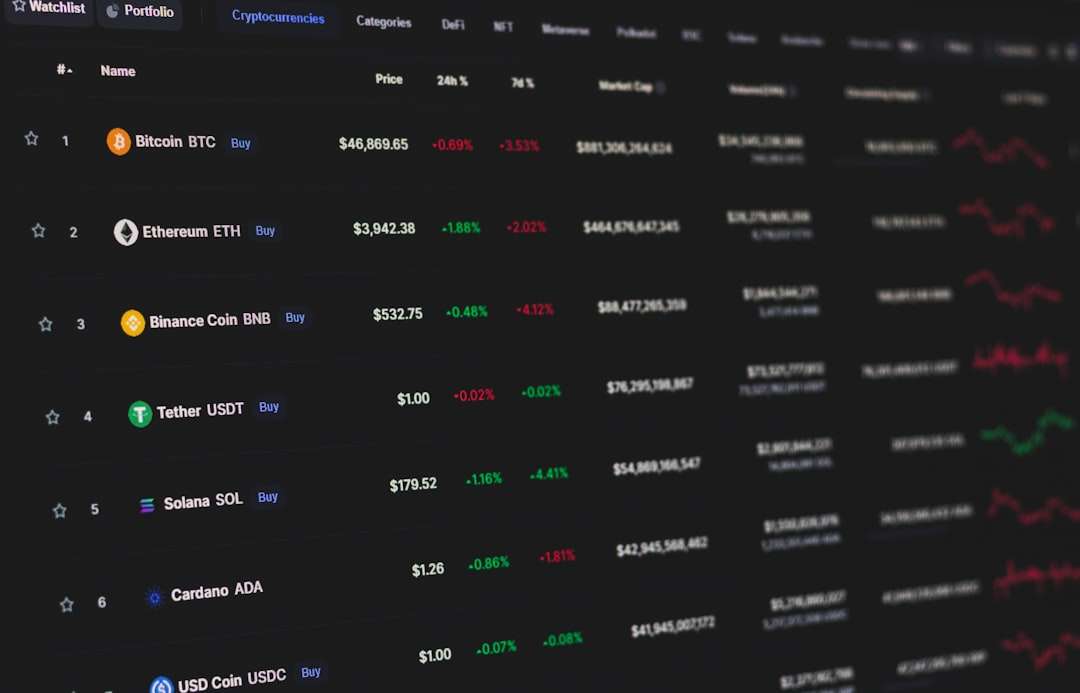
Advanced Analytics and Insights
As the ecosystem matures, portfolio tools are evolving from passive trackers into active intelligence layers.
Impermanent Loss Calculators
Liquidity providers face value divergence between paired tokens. Advanced dashboards simulate scenarios and show realized versus unrealized gains.
Governance Tracking
For users participating in DAO governance, some platforms track voting power distribution and proposal participation.
Gas and Fee Analysis
DeFi participation comes with transaction costs. Portfolio tools can:
- Aggregate total gas spending
- Compare costs across chains
- Highlight inefficiencies
Tax Reporting Integration
Tax compliance is a growing concern. Leading trackers export transaction histories in standardized formats compatible with reporting software, saving investors from parsing thousands of raw blockchain logs.
Privacy and Security Considerations
Because DeFi portfolio platforms operate by reading wallet data, security architecture matters greatly.
Key considerations include:
- Non-custodial design: The tool should never request private keys.
- Read-only wallet connections: Viewing permissions should not enable transactions.
- Open-source transparency: Public code can reduce hidden risks.
- Data encryption: Especially for account aggregation and email integrations.
Users should remain cautious of platforms requiring signing permissions beyond basic authentication. Portfolio tracking should not expose assets to unnecessary risk.
Cross-Chain and Bridge Monitoring
One of the most confusing aspects of modern DeFi is bridging. When assets move between chains, wrapped versions are created. Without visibility, users may forget where assets reside or misunderstand exposure.
Multi-protocol trackers help by:
- Showing bridged assets on both origin and destination chains
- Identifying wrapped representations
- Estimating bridge-related risks
This becomes increasingly important as capital flows between ecosystems become routine.
User Experience and Accessibility
The design of portfolio platforms plays a crucial role in adoption. DeFi data is inherently complex. Good interfaces simplify without hiding important risk signals.
Modern platforms often provide:
- Dashboard summaries with clear net worth figures
- Drill-down analytics for advanced users
- Mobile-friendly interfaces
- Customizable watchlists and alerts
The goal is to make decentralized finance manageable, even for users without professional trading backgrounds.
Institutional Adoption and Professional Use
While many retail users rely on portfolio platforms, institutional interest is increasing. Crypto funds, treasury managers, and DAOs require detailed reporting and reconciliation.
Institutional-grade features may include:
- Multi-user access with permissions
- API integrations for accounting systems
- Advanced risk modeling
- Audit-ready export formats
As decentralized finance scales, institutional tooling will likely drive further sophistication in analytics and transparency.
Challenges and Limitations
Despite their benefits, DeFi portfolio platforms face limitations.
Data fragmentation: New protocols launch constantly, making comprehensive support difficult.
Indexing delays: Real-time tracking depends on reliable blockchain indexing.
Protocol upgrades: Smart contract changes can temporarily break integrations.
Pricing accuracy: Illiquid tokens may not have reliable market prices.
Users should treat dashboards as informational tools rather than infallible sources of truth. Verifying critical positions directly on-chain remains best practice.
The Future of DeFi Portfolio Management
The next generation of portfolio tools will likely move beyond tracking into proactive optimization.
Emerging developments may include:
- AI-driven allocation suggestions based on risk tolerance
- Automated rebalancing across multiple protocols
- Integrated risk scoring for smart contracts
- Predictive analytics for yield opportunities
As DeFi continues to evolve into a modular, multichain system, portfolio platforms will serve as critical navigation maps. Without them, users risk becoming lost in a maze of wallets, wrapped assets, and protocol abstractions.
Ultimately, decentralized finance promises financial sovereignty—but sovereignty requires awareness. In a landscape defined by permissionless innovation and constant experimentation, DeFi portfolio platforms provide clarity. They transform raw blockchain data into actionable insights, empowering users to manage risk, evaluate performance, and fully participate in the decentralized financial frontier.
For anyone serious about engaging with multi-protocol assets, these tools are no longer optional. They are foundational infrastructure for the next era of finance.