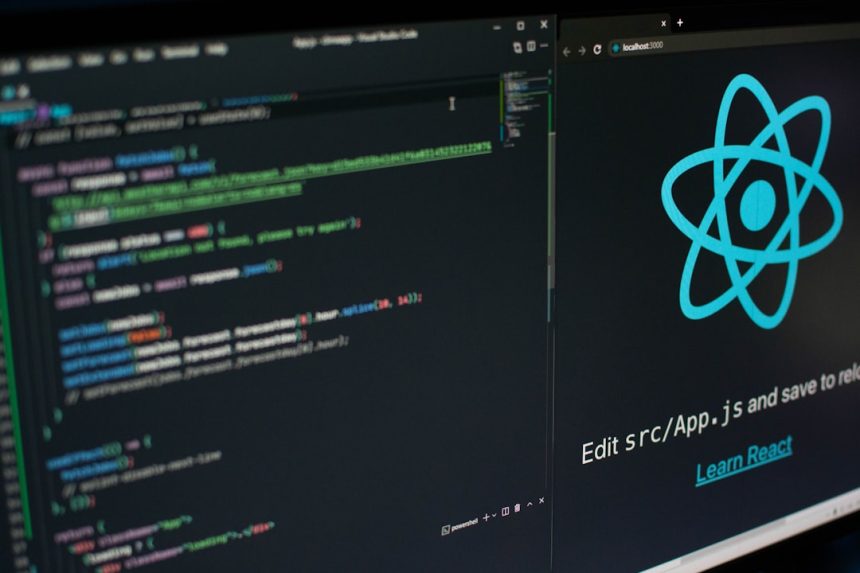
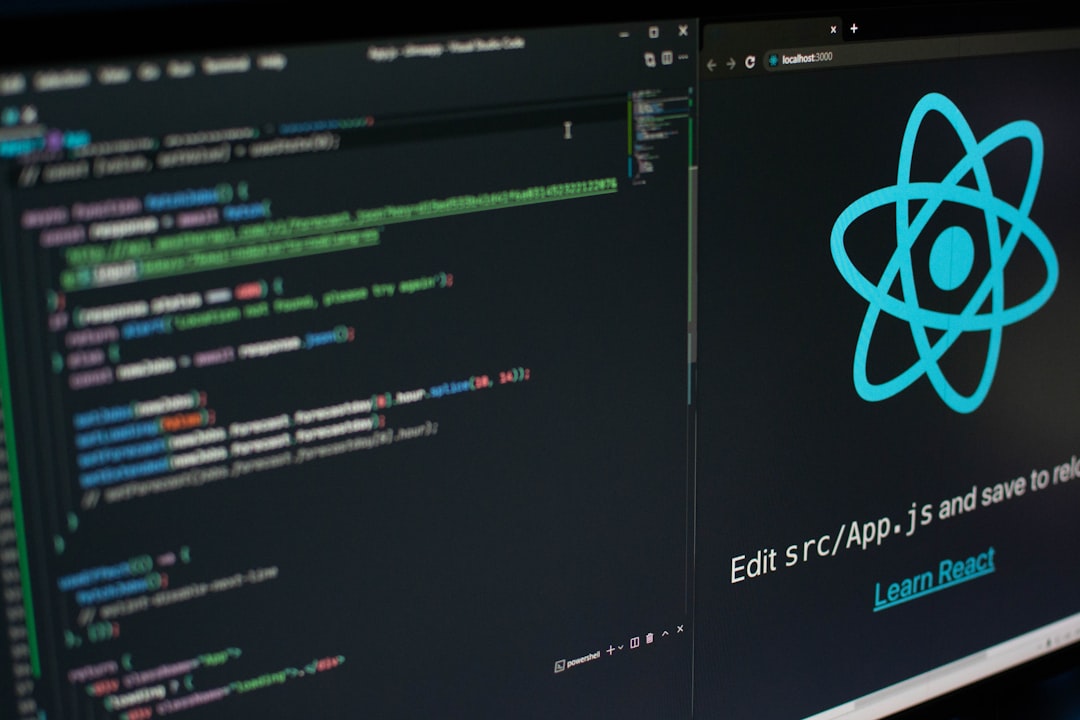
Debugging frontend apps can feel like detective work. Something breaks. The UI looks weird. The state acts strangely. And you sit there staring at your screen. Thankfully, browser Developer Tools are powerful. Even better, extensions can make them smarter. React Developer Tools is a fan favorite. But it is not the only hero in town.
TLDR: If you build frontend apps, you need better debugging tools. Extensions like Vue DevTools, Angular DevTools, Redux DevTools, Apollo Client Devtools, and Ember Inspector give you X-ray vision into your app. They help you inspect components, state, props, and performance. These tools save time, reduce frustration, and make you look like a debugging wizard.
Why DevTools Extensions Matter
Modern frontend frameworks are powerful. But they hide complexity under the hood. Components talk to each other. State flows around. APIs fetch data in the background.
When something breaks, the default browser console is not always enough.
DevTools extensions plug directly into your framework. They understand it. They speak its language. That means clearer insights and faster fixes.
Let’s explore five amazing tools like React Developer Tools.
1. Vue DevTools
If React has React Developer Tools, Vue has Vue DevTools. And it is just as awesome.
This extension lets you:
- Inspect Vue components
- View and edit component data live
- Track Vuex state changes
- Monitor events
- Analyze performance
It adds a new tab inside your browser DevTools. Click it, and boom. You see your entire component tree.
You can expand components. Check their props. See their reactive data. Even modify values on the fly.
That means you can test fixes without touching your code.
Very handy.
Image not found in postmetaIf you use Vuex for state management, things get even better. You can watch every mutation. Step through changes. Understand exactly what happened and when.
Why it is great:
- Clean interface
- Real-time state editing
- Excellent Vuex integration
If you build with Vue, this one is non-negotiable.
2. Angular DevTools
Angular apps can get big. Very big. With modules, services, components, directives, and more.
Debugging without structure? Painful.
That is where Angular DevTools comes in.
This official extension helps you:
- Visualize the component tree
- Inspect component properties
- Profile change detection
- Measure performance
Angular uses change detection to update the DOM. Sometimes, it runs too often. That slows things down.
Angular DevTools includes a profiler. It shows how long change detection takes. And which components are causing trouble.
That is powerful information.
You also get a visual tree of your app’s structure. This helps you understand nesting and data flow.
Why it is great:
- Built by the Angular team
- Performance profiling built in
- Clear component inspection
If you are building enterprise-level Angular apps, this tool can save hours of guessing.
3. Redux DevTools
Redux is often used with React. But it does not belong only to React. Any JavaScript app can use Redux.
And when you do, Redux DevTools becomes your best friend.
Redux works with a single store. All state changes go through actions and reducers.
This makes debugging predictable. Redux DevTools takes that predictability and turns it into superpowers.
With it, you can:
- See every dispatched action
- Inspect the payload of each action
- View the state before and after changes
- Time travel through state updates
Yes. Time travel.
You can move backward and forward between state changes. That means you can replay bugs step by step.
This is incredibly useful when users report weird behavior. You can simulate their steps and find the exact moment things broke.
Image not found in postmetaWhy it is great:
- Full visibility into state
- Time-travel debugging
- Works beyond React
If your app relies heavily on global state, this tool is a must-have.
4. Apollo Client Devtools
Modern apps talk to APIs. Many use GraphQL. And many GraphQL apps use Apollo Client.
When data does not load correctly, debugging can get messy.
Apollo Client Devtools makes it simple.
This extension gives you insight into:
- Active GraphQL queries
- Cache contents
- Query performance
- Mutations
Apollo relies heavily on caching. Sometimes your UI looks wrong because the cache is outdated.
With this tool, you can inspect the cache directly. You can see stored queries and their results.
You can also track queries in real time. Watch them execute. See their variables.
That means no more guessing whether the problem is:
- The server
- The query
- The cache
- Or your UI logic
Why it is great:
- Deep visibility into GraphQL
- Cache inspection tools
- Easy debugging of mutations
If you use Apollo, this extension feels like turning on the lights in a dark room.
5. Ember Inspector
Ember may not be as trendy as some newer frameworks. But it is powerful and stable.
And it comes with a powerful buddy: Ember Inspector.
This extension allows you to:
- Inspect Ember components
- View routes and controllers
- Debug data models
- Monitor the Ember Data store
Ember apps follow strong conventions. That is great. But it can be hard to see what is happening internally.
Ember Inspector shows you everything.
You can explore your app’s route structure. Check model data. Inspect services.
If you work on a long-term Ember project, this tool becomes part of your daily workflow.
Why it is great:
- Deep framework integration
- Excellent route and data debugging
- Clear overview of the app structure
How These Tools Make You a Better Developer
Debugging is not just about fixing bugs. It is about understanding your app.
When you can:
- See component relationships
- Inspect live state
- Monitor performance
- Track network data
You start thinking more clearly.
You spot patterns. You catch problems earlier. You write better architecture.
These tools also:
- Reduce console.log overuse
- Speed up development
- Improve team collaboration
- Help onboard new developers faster
Instead of guessing, you show teammates exactly what is happening.
Visual debugging changes everything.
Tips for Getting the Most Out of DevTools Extensions
Simply installing them is not enough. Use them smartly.
Here are some simple tips:
- Profile regularly. Do not wait for performance issues.
- Inspect state often. Make sure it matches your expectations.
- Learn shortcuts. Most tools have power-user features.
- Use them in development only. Keep production clean.
Also, spend time exploring the UI of each tool. Many developers only use 30% of the features.
The hidden features are often the most powerful.
Final Thoughts
Frontend development is complex. Frameworks add magic. But that magic can hide problems.
Browser DevTools extensions remove the mystery.
Whether you use:
- Vue
- Angular
- React with Redux
- Apollo with GraphQL
- Or Ember
There is a purpose-built debugging tool for you.
These extensions turn your browser into a control center. You see components. State. Data. Performance.
You stop guessing.
You start knowing.
And that makes debugging not just easier.
But actually… fun.