Online transactions move at lightning speed, but so do fraudsters. As digital payments, ecommerce sales, and subscription services continue to grow, so does the need for intelligent fraud detection systems that operate in real time. Businesses can no longer rely on manual reviews or outdated rule-based systems alone. They need advanced, AI-powered tools that monitor behavior, detect anomalies, and block suspicious activity instantly—without disrupting legitimate customers.
TLDR: Real-time fraud detection tools help businesses prevent chargebacks, identity theft, and payment fraud without slowing down customer experiences. Platforms like Riskified, Signifyd, Sift, and others offer AI-driven insights, behavioral analytics, and machine learning to detect suspicious activity instantly. Choosing the right solution depends on business size, risk tolerance, and integration needs. Below are six powerful fraud detection tools similar to Kount that help monitor transactions in real time.
Whether you run an online marketplace, fintech app, SaaS company, or ecommerce store, selecting the right fraud prevention partner can protect revenue while maintaining seamless customer journeys. Let’s explore six industry-leading fraud detection tools that can help.
1. Riskified
Riskified is widely known in the ecommerce space for offering AI-powered chargeback protection and fraud prevention. The platform leverages machine learning models trained on massive datasets of global transactions to accurately distinguish between legitimate customers and fraudsters.
Key Features:
- AI-driven decision-making engine
- Chargeback guarantee
- Customizable risk rules
- Identity and behavioral analysis
- Seamless ecommerce platform integration
What sets Riskified apart is its financial guarantee model. In many cases, if Riskified approves a transaction that later turns out to be fraudulent, the company reimburses the merchant for the loss. This performance-based structure aligns incentives and minimizes risk.
Riskified is particularly popular among high-volume online retailers looking to maximize approval rates without increasing fraud exposure. Its real-time analysis helps businesses approve more good customers while blocking suspicious ones.
2. Signifyd
Signifyd offers end-to-end commerce protection designed for retailers who want to automate fraud prevention while reducing false declines. Its technology combines machine learning with expert oversight to evaluate transactions instantly.
Key Features:
- Real-time fraud scoring
- Chargeback protection guarantee
- Policy abuse prevention
- Account takeover protection
- Integration with major ecommerce platforms
Signifyd emphasizes protecting the entire customer journey—not just payment fraud. It helps businesses combat refund fraud, reshipper fraud, and account takeovers, making it a comprehensive risk mitigation solution.
For companies expanding into global markets, Signifyd’s cross-border fraud detection capabilities are especially useful. It analyzes international behavioral data patterns to identify suspicious transactions that might otherwise slip through.
3. Sift
Sift is a digital trust and safety platform designed to secure both payments and user interactions. It is trusted by marketplaces, fintech companies, subscription services, and on-demand platforms.
Key Features:
- Machine learning fraud scoring
- Behavioral biometrics
- Real-time user activity monitoring
- Adaptive authentication workflows
- Custom rule building
Sift stands out because it focuses heavily on behavioral signals. Instead of only analyzing credit card details, it examines how users interact with websites and apps—mouse movements, typing speed, session behavior, and more.
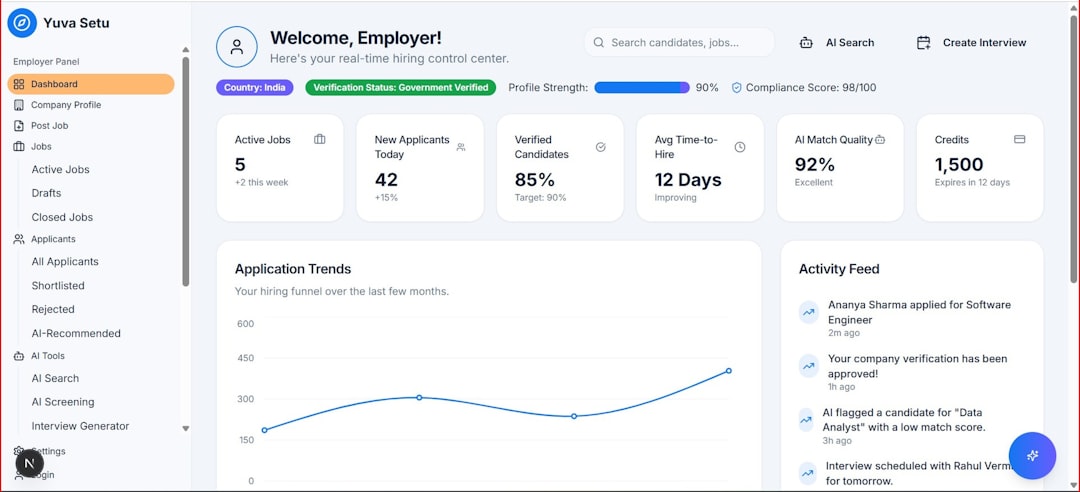
This behavioral intelligence helps detect account takeovers and bot attacks before financial damage occurs. Sift also provides powerful analytics dashboards that help security teams visualize risk trends over time.
4. Forter
Forter delivers real-time fraud prevention powered by identity-based intelligence. Rather than just evaluating a single transaction, Forter builds a comprehensive profile of the user behind it.
Key Features:
- Identity graph technology
- Instant approval decisions
- Chargeback guarantee
- Omnichannel fraud protection
- Automated dispute management
Forter’s identity graph connects billions of data points across millions of consumers, enabling it to recognize trusted shoppers across multiple devices and channels. This dramatically reduces false positives and improves customer experience.
Forter is particularly well-suited for enterprise-level retailers and global brands that require instant scalability and omnichannel fraud detection across online and in-store purchases.
5. SEON
SEON takes a flexible, data-first approach to fraud prevention. Known for its transparency and customization options, SEON allows businesses to design fraud detection processes tailored to their specific needs.
Key Features:
- Email and phone data enrichment
- Device fingerprinting
- IP analysis
- Custom risk scoring rules
- API-driven integration
SEON is especially popular among fintech startups and online services because of its adaptability. Companies can integrate via API and configure workflows without relying entirely on black-box algorithms.
Its enrichment tools pull publicly available digital footprint data to assess potential fraud risk in real time, helping teams make informed decisions on high-risk transactions.
6. ClearSale
ClearSale combines advanced AI technology with human expertise. Unlike fully automated platforms, ClearSale adds a layer of human-driven review when necessary to improve fraud detection accuracy.
Key Features:
- Hybrid AI and manual review system
- Chargeback protection
- Global fraud intelligence network
- Performance-based pricing
This hybrid model appeals to businesses that want both automation and human insight. ClearSale’s analysts review flagged transactions to reduce false declines and ensure legitimate customers are not blocked unnecessarily.

Retailers and ecommerce brands that value personalized oversight often find ClearSale’s approach provides an added sense of security.
Comparison Chart: Fraud Detection Tools Like Kount
| Tool | Best For | Real-Time Decisions | Chargeback Guarantee | Behavioral Analytics |
|---|---|---|---|---|
| Riskified | High-volume ecommerce retailers | Yes | Yes | Moderate |
| Signifyd | Retail and omnichannel businesses | Yes | Yes | Moderate |
| Sift | Marketplaces and fintech platforms | Yes | No | Strong |
| Forter | Enterprise ecommerce brands | Yes | Yes | Strong |
| SEON | Startups and fintech companies | Yes | No | Customizable |
| ClearSale | Retailers wanting human review | Yes | Yes | Moderate |
How to Choose the Right Fraud Detection Tool
While all six tools provide real-time transaction monitoring, choosing the right one requires careful evaluation of several factors:
- Business Volume: High-volume retailers may prioritize automation and guarantees, while smaller businesses might prefer flexible rule systems.
- Risk Exposure: Industries like fintech or gaming often require deeper behavioral analytics.
- Integration Needs: Ensure compatibility with your payment gateway, CRM, or ecommerce platform.
- Approval Rate Goals: Some tools focus on maximizing customer acceptance while controlling fraud.
- Budget Structure: Consider flat-rate pricing versus performance-based models.
Fraud prevention is not just about blocking bad actors—it’s about enabling growth. The best tools strike a balance between security and customer experience.
The Future of Real-Time Fraud Detection
As cybercrime tactics continue evolving, fraud detection tools are becoming more sophisticated. Emerging technologies include:
- AI-powered adaptive learning models
- Behavioral biometrics with continuous authentication
- Predictive fraud forecasting
- Cross-platform identity graphs
Companies that invest in real-time monitoring today are not just preventing current fraud—they’re building a foundation for scalable, secure growth in the future.
From ecommerce giants to fintech disruptors, businesses across industries depend on advanced platforms like these to protect revenue, reputation, and customer trust. By carefully evaluating your needs and selecting the right partner, you can stay one step ahead of fraudsters—without sacrificing speed or seamless user experiences.
In a digital world where every second matters, real-time fraud detection isn’t optional—it’s essential.