Outsourcing and operations teams depend on speed, visibility, quality, and consistent execution across distributed workforces. As teams scale across regions, shifts, clients, and service lines, tools like TimeWarp TaskUs can help leaders coordinate work, improve accountability, and make operational decisions with better data. For organizations managing high-volume customer support, back-office processes, content moderation, data services, or trust and safety operations, the right features can reduce friction and give managers a clearer view of performance.
TLDR: The best TimeWarp TaskUs features for outsourcing and operations teams are those that improve workforce visibility, task tracking, productivity measurement, reporting, and collaboration. These capabilities help managers monitor performance, allocate resources, and maintain service quality across distributed teams. When used effectively, the platform can support faster decisions, stronger accountability, and more predictable operational outcomes.
Why TimeWarp TaskUs Matters for Outsourcing Teams
Outsourcing teams often operate in complex environments where multiple clients, queues, schedules, service-level agreements, and quality standards must be managed at once. A team may have hundreds or thousands of teammates working across different time zones, with supervisors responsible for daily output, attendance, adherence, coaching, and escalation handling. In this setting, even small gaps in visibility can create delays, missed targets, or inconsistent customer experiences.
TimeWarp TaskUs is valuable because it can centralize key operational information and make team activity easier to monitor. Instead of relying only on spreadsheets, manual check-ins, or disconnected tools, operations leaders can use structured dashboards, workflow tracking, and performance insights to understand what is happening in real time. This gives managers the ability to identify bottlenecks, balance workloads, and support teammates before issues become larger operational risks.

1. Real-Time Workforce Visibility
One of the most important features for outsourcing and operations teams is real-time workforce visibility. Leaders need to know who is working, what tasks are in progress, which queues are overloaded, and whether team members are meeting expected productivity levels. Real-time visibility gives supervisors the information needed to make immediate adjustments rather than waiting for end-of-day reports.
This feature is especially useful in fast-moving environments such as customer experience support, content review, and transaction processing. If volume suddenly rises, managers can see where capacity is available and move resources accordingly. If performance drops in a specific queue, they can investigate whether the cause is staffing, training, system access, or process complexity.
- Helps supervisors track active work across teams and locations.
- Improves response time when volume spikes or queues slow down.
- Reduces blind spots in distributed or hybrid operations.
- Supports better shift management by showing availability and activity patterns.
2. Task Assignment and Workflow Tracking
For operations teams, task management is more than a simple to-do list. It involves assigning the right work to the right people, monitoring progress, and ensuring completion within expected timelines. A strong task assignment and workflow tracking feature helps outsourcing teams maintain consistency across repetitive and high-volume processes.
Managers can use workflow tracking to see where each task stands, who owns it, and whether it is approaching a deadline. This is helpful for back-office operations, onboarding workflows, quality audits, escalation reviews, and client-specific requests. When the system provides a clear work trail, teams can reduce confusion and avoid duplicate effort.
For outsourcing providers, this level of structure is critical because client expectations often depend on measurable delivery. A missed handoff or unclear owner can affect service levels. Workflow tracking creates accountability and supports smoother collaboration between agents, team leads, quality analysts, and managers.
3. Productivity and Performance Monitoring
Another major advantage of TimeWarp TaskUs is the ability to monitor productivity and performance across teams. Outsourcing operations rely on metrics such as handle time, output volume, adherence, quality scores, completion rates, and utilization. When these data points are easy to access, leaders can spot trends and coach more effectively.
Performance monitoring should not be viewed only as a compliance tool. When used well, it helps managers understand where teammates are thriving and where they need support. For example, if one group consistently completes work faster with high quality, leaders can review their methods and share best practices with other teams. If another group struggles, managers can identify whether additional training, process documentation, or system improvements are needed.
- Tracks individual and team productivity in a structured way.
- Highlights coaching opportunities based on real performance patterns.
- Supports objective performance reviews with clearer data.
- Helps leaders compare results across shifts, queues, and programs.
4. Reporting and Analytics Dashboards
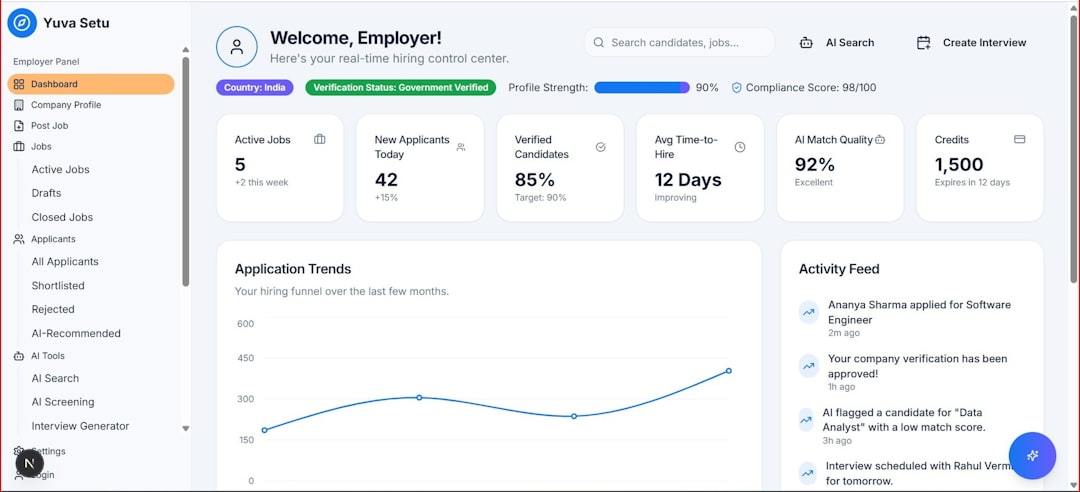
Operations managers spend a significant amount of time preparing reports for internal leaders, clients, and cross-functional stakeholders. A strong reporting feature can save time and improve accuracy by turning operational data into clear, useful insights. Analytics dashboards are among the most valuable TimeWarp TaskUs features because they allow teams to move from reactive management to proactive planning.
Dashboards can provide a snapshot of key metrics such as workload, staffing, productivity, attendance, quality, and SLA performance. Instead of manually collecting data from multiple sources, leaders can review centralized information and quickly identify areas that need attention. This improves communication with clients and helps operations leaders explain performance with evidence rather than assumptions.
For outsourcing teams, reporting is also a trust-building tool. Clients want transparency into how work is being managed and whether service goals are being met. Clear dashboards can support regular business reviews, weekly performance discussions, and continuous improvement planning.
5. SLA and KPI Tracking
Service-level agreements and key performance indicators are central to outsourcing contracts. Teams must often meet specific targets related to speed, accuracy, response time, resolution time, or quality. TimeWarp TaskUs can support operations by making SLA and KPI tracking easier to manage and review.
When SLA performance is visible, managers can react before targets are missed. For example, if a queue is trending toward a breach, a supervisor can reassign resources, adjust priorities, or escalate the issue. This kind of early warning capability is especially important when teams support mission-critical processes or customer-facing work.
- Shows whether teams are on track to meet operational targets.
- Creates early alerts for potential delays or missed commitments.
- Improves client communication with timely performance updates.
- Supports continuous improvement by identifying recurring gaps.
6. Attendance, Scheduling, and Adherence Support
Staffing is one of the biggest operational challenges in outsourcing. Even the best process can fail if the right number of people are not available at the right time. Features that support attendance, scheduling, and adherence help leaders ensure that workforce capacity matches business demand.
Operations teams can benefit from visibility into shift attendance, breaks, late logins, absences, and schedule compliance. This information helps managers understand whether performance issues are connected to staffing shortages or individual productivity. It can also support better workforce planning by revealing patterns across days, weeks, and seasons.
For large teams, adherence tracking can reduce the need for manual follow-ups. Supervisors can focus more time on coaching and issue resolution instead of simply checking whether people are online and available.
7. Quality Management and Coaching Insights
Quality is just as important as productivity. Outsourcing teams must deliver work that is accurate, compliant, and aligned with client standards. TimeWarp TaskUs features that support quality monitoring and coaching insights can help leaders maintain consistent service delivery.
Quality data can reveal common errors, training gaps, policy misunderstandings, or process weaknesses. When managers can connect quality outcomes to productivity data, they get a more complete picture of performance. A teammate who works quickly but makes frequent errors may need accuracy coaching, while a teammate with high quality but lower speed may need workflow optimization support.
The best operations teams use quality insights not only to correct mistakes, but also to improve systems and training materials. By identifying repeated issues, leaders can update procedures, clarify guidelines, and reduce future rework.
8. Collaboration and Escalation Management
Outsourcing programs often involve multiple layers of communication. Agents, senior agents, team leads, managers, quality analysts, trainers, and client stakeholders may all need to coordinate on issues. A strong collaboration and escalation feature helps prevent important requests from being lost in email threads or chat messages.
With structured escalation management, teams can document issues, assign owners, track status, and confirm resolution. This is especially useful for urgent customer concerns, policy exceptions, system incidents, and client escalations. Clear escalation paths reduce confusion and help teams respond with speed and professionalism.

- Clarifies ownership for urgent or complex issues.
- Reduces communication gaps between teams and managers.
- Improves auditability by keeping a record of decisions and actions.
- Supports faster resolution for client and customer concerns.
9. Process Standardization Across Teams
Standardization is essential when outsourcing work across multiple sites or remote teams. Without standard processes, different groups may complete the same task in different ways, leading to inconsistent results. TimeWarp TaskUs can support process standardization by creating structured workflows, shared expectations, and consistent performance tracking.
When everyone follows the same workflow, managers can compare performance more fairly and identify true process issues. Standardization also makes onboarding easier because new teammates can learn a defined operating model instead of relying on informal knowledge transfer. This helps teams scale faster while maintaining quality.
10. Operational Forecasting and Capacity Planning
Outsourcing teams must plan ahead for volume changes, seasonal peaks, new client launches, and staffing needs. Features that provide historical data and trend analysis can support forecasting and capacity planning. Leaders can use past performance to estimate future requirements and avoid under- or overstaffing.
Capacity planning is particularly useful for programs with fluctuating work volumes. By reviewing trends, managers can schedule the right number of teammates, prepare backup coverage, and coordinate training before demand increases. Better forecasting improves cost control and service reliability.
How Operations Teams Can Get the Most Value
To get the most value from TimeWarp TaskUs, operations teams should focus on how the tool supports daily decision-making. The platform should not simply collect data; it should help managers act on that data. Leaders should define which metrics matter most, create consistent reporting routines, and train supervisors to interpret dashboard insights.
Teams should also avoid measuring everything without a clear purpose. Too many metrics can overwhelm managers and distract from the most important business outcomes. The best approach is to align platform usage with client goals, team responsibilities, and operational priorities.
- Define key metrics before building dashboards.
- Train managers to use insights for coaching and planning.
- Review trends regularly instead of reacting only to daily changes.
- Connect productivity with quality for a balanced view of performance.
- Use data to improve processes, not only to evaluate people.
Conclusion
For outsourcing and operations teams, the best TimeWarp TaskUs features are the ones that turn complex workforce activity into clear, actionable insight. Real-time visibility, workflow tracking, performance monitoring, reporting, SLA management, scheduling support, quality insights, and escalation tracking all contribute to stronger operational control. These features help leaders manage distributed teams, improve accountability, and maintain consistent service delivery.
As outsourcing continues to evolve, operations teams need tools that support agility and transparency. When used thoughtfully, TimeWarp TaskUs can help teams move faster, coach better, and make more confident decisions. Its value comes not only from tracking work, but from helping organizations improve how work gets done.
FAQ
What is the most useful TimeWarp TaskUs feature for operations teams?
The most useful feature is often real-time workforce visibility, because it helps managers see current activity, workload status, and staffing needs. This allows leaders to respond quickly to volume changes or performance issues.
How does TimeWarp TaskUs help outsourcing teams improve productivity?
It helps by tracking tasks, measuring output, showing performance trends, and identifying bottlenecks. Managers can use these insights to coach teammates, rebalance workloads, and improve processes.
Can TimeWarp TaskUs support SLA management?
Yes, SLA and KPI tracking can help teams monitor whether they are meeting service commitments. Early visibility into potential delays allows supervisors to take action before targets are missed.
Why are dashboards important for outsourcing operations?
Dashboards make complex operational data easier to understand. They help managers review performance, communicate with clients, and make informed decisions without relying on manual reporting.
How can teams use TimeWarp TaskUs for quality improvement?
Teams can use quality insights to identify recurring errors, training gaps, and process weaknesses. By combining quality data with productivity metrics, leaders can provide more targeted coaching and improve overall service delivery.
Is TimeWarp TaskUs useful for remote or distributed teams?
Yes. Distributed teams benefit from centralized visibility, structured workflows, and consistent reporting. These features help managers maintain accountability even when teammates work from different locations or time zones.