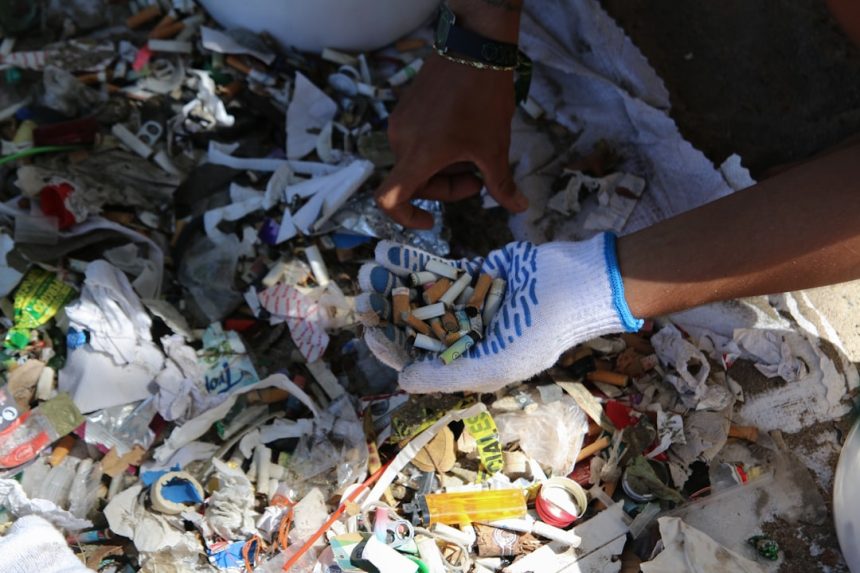
From climate change to plastic pollution, the environmental challenges of the 21st century demand urgent and innovative solutions. One such innovation gaining traction is the increasing use of recycled content — known in German as Recyclatanteil — in manufacturing and production. More than just a sustainability buzzword, it’s becoming a cornerstone of both policy and practice in industries striving to reduce their environmental footprint.
TL;DR:
Recyclatanteil — or recycled content — refers to the proportion of recycled material used in new products. It’s playing a major role in reducing carbon emissions, conserving resources, and meeting rising consumer and regulatory demands for sustainability. By integrating more recycled content, companies can significantly cut production costs and environmental impact. This shift is influencing industries from packaging and construction to electronics and fashion.
What Is Recyclatanteil and Why Is It Important?
Recyclatanteil refers to the amount of recycled material — usually plastic, metal, glass, or paper — used in the production of new goods. For example, a shampoo bottle made from 50% recycled plastic has a 50% Recyclatanteil. It is a key performance indicator for eco-conscious manufacturing.
The importance of increasing the Recyclatanteil in products lies in its far-reaching environmental and economic benefits:
- Reduction of Waste: It diverts materials from landfills and oceans, giving them a second life.
- Lower Carbon Footprint: Producing from recycled materials often requires less energy than starting from raw materials.
- Resource Conservation: Using recycled content means fewer virgin resources, preserving natural ecosystems.
- Policy Compliance: Many governments are enforcing minimum recycled content regulations to fight climate change and reduce resource consumption.
The Growing Demand for Sustainable Production
Consumers are becoming more environmentally aware, and this is reflected in their purchasing behavior. Brands that offer greater transparency into their environmental practices, including higher levels of Recyclatanteil, are often more attractive to eco-conscious shoppers. According to a 2023 Nielsen study, 73% of global consumers say they would modify their consumption habits to reduce their environmental impact.
To meet this demand, industries are making significant changes:
- Packaging: Beverage companies like Coca-Cola and PepsiCo are moving toward bottles made of 100% recycled PET (rPET).
- Construction: Recycled concrete and steel are being used in buildings to meet green certification standards.
- Textiles: Fashion brands such as Patagonia and H&M incorporate recycled polyester and cotton in their collections.
This shifting trend is not just driven by goodwill; it’s increasingly embedded in law and strategy, making Recyclatanteil a competitive advantage.
How Recycled Content Helps the Environment
Increasing the proportion of recycled content in products provides substantial environmental benefits. Notably:
- Energy Savings: Producing aluminum from recycled materials uses up to 95% less energy than from bauxite ore.
- Water Conservation: Recycled paper uses far less water than manufacturing from virgin wood pulp.
- Greenhouse Gas Reduction: Recycling one tonne of plastics can save up to 1.5 tonnes of CO₂ emissions.
On a macro level, shifting to higher Recyclatanteil can help governments and companies achieve their sustainability goals, including commitments to the Paris Agreement and Sustainable Development Goals (SDGs), especially goals targeted at responsible consumption and climate action.
Technological Innovations Enabling Higher Recyclatanteil
Traditionally, one of the challenges with increasing recycled content has been the quality degradation of materials — known as downcycling. However, this is rapidly changing thanks to technological innovation:
- Advanced Sorting Systems: AI-powered systems can now separate recyclable materials with high precision.
- Chemical Recycling: These processes break plastics down into their molecular components, allowing for the creation of virgin-quality materials from waste.
- Closed-Loop Systems: Products are designed from the start with the intention of being recycled, often by the manufacturer themselves.
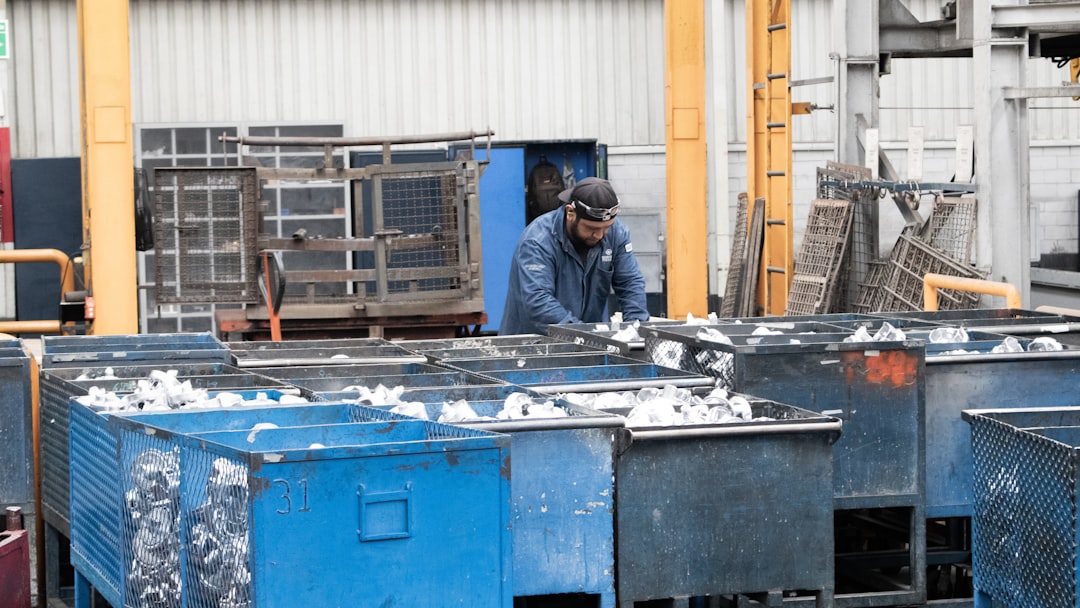
With these advancements, the ceiling for Recyclatanteil in many products is being pushed ever higher — something that was difficult to imagine just a decade ago.
Regulation: Driving the Shift Toward Recycled Content
Governments around the world are introducing legislation that mandates higher recycled content. Europe is leading the way with initiatives such as the EU Plastics Strategy and the Green Deal, which seek to make all packaging recyclable or reusable by 2030 and require minimum Recyclatanteil thresholds.
Highlights of current and upcoming regulations include:
- Germany: The Verpackungsgesetz (Packaging Act) requires companies to contribute to recycling goals and declare the Recyclatanteil of their packaging materials.
- UK: A new tax went into effect in 2022 on plastic packaging containing less than 30% recycled content.
- USA: States such as California have passed laws mandating minimum Recyclatanteil levels in beverage containers.
These policies are creating new incentives — and necessities — for companies to integrate more recycled materials into their production pipelines.
Challenges in Increasing Recyclatanteil
While the benefits are compelling, there are obstacles that industries must overcome to integrate more recycled content:
- Supply Chain Difficulties: High-quality recycled materials are still limited in supply.
- Price Volatility: Virgin raw materials can be cheaper depending on oil prices and market conditions.
- Technical Barriers: Not all manufacturing systems are compatible with high levels of recycled content.
- Consumer Misperceptions: Some still wrongly believe that recycled means lower quality.
Nevertheless, businesses are increasingly viewing these not as barriers, but as opportunities to innovate and differentiate themselves in an increasingly eco-conscious market.
How Businesses and Consumers Can Contribute
In the march toward higher Recyclatanteil, everyone has a role to play. Here’s how both sectors can make a difference:
For Businesses:
- Redesign products for recyclability from the start.
- Invest in research and development for better recycling technology.
- Source recycled materials even if they come at a premium.
- Educate consumers about the value of recycled content.
For Consumers:
- Prioritize purchasing products with high Recyclatanteil.
- Learn how to recycle properly to enhance material quality.
- Pressure brands through your choices and social media to up their sustainability game.
The Future Is Circular
The Recyclatanteil movement is part of a broader shift toward a circular economy — one that functions more like nature, where waste becomes a resource. As brands, consumers, and governments align their efforts, the idea of “waste” itself is being redefined.
In the future, we can expect transparency about recycled content on product labels to become a norm, similar to nutritional information on food packaging. Digital tracking, blockchain, and smart labeling could all play roles in ensuring accountability and trust.
Ultimately, products that embrace high Recyclatanteil not only help the planet but also reflect a forward-thinking mindset that is likely to win consumer loyalty and regulatory support over the long term.
Conclusion
Recyclatanteil is more than an environmental indicator; it’s an industrial game-changer. As recycled content becomes a defining feature of modern manufacturing, it’s reshaping the way we think about waste, design, and production. From reducing emissions to closing material loops, higher Recyclatanteil offers a pathway toward a more sustainable, responsible future in which sustainability and profitability are not mutually exclusive — but mutually reinforced.