Leaving work early can be professional, reasonable, and even necessary when handled with honesty, planning, and respect for workplace expectations. Most employers understand that employees have responsibilities outside the office, but the reason, timing, and communication style can affect how the request is received.
TL;DR: Professional reasons to leave work early include medical appointments, family emergencies, childcare issues, urgent home repairs, transportation problems, and unavoidable legal or financial obligations. For example, an employee who leaves at 3:30 p.m. for a scheduled dental procedure after submitting a handoff note and finishing priority tasks is usually viewed as responsible. In a workplace survey-style scenario, if 70% of a team’s urgent tasks are completed before departure and coverage is arranged, early leave is far less likely to disrupt operations.
Why Professionalism Matters When Leaving Early
Leaving early is not only about having a valid reason; it is also about how the employee communicates it. A professional request is usually timely, specific enough, and solution-focused. The employee does not need to reveal private details, but the explanation should be credible and respectful.
For instance, saying, “There is a personal issue, and leaving at 4 p.m. is necessary. The client report has been sent, and Alex has the meeting notes,” sounds more professional than disappearing without context or sending a vague message minutes before leaving.

1. Medical or Dental Appointments
Medical appointments are among the most accepted professional reasons to leave work early, especially when they cannot be scheduled outside working hours. This may include a doctor’s visit, physical therapy, blood tests, specialist consultations, or dental procedures.
Real example: A marketing coordinator has a 4:15 p.m. dermatologist appointment that was booked six weeks in advance. She tells her manager two days before, finishes the campaign brief by 2 p.m., and leaves at 3:45 p.m. Because she planned ahead and completed her responsibilities, the early departure appears reasonable and professional.
2. Family Emergency
Family emergencies can happen suddenly and may require immediate attention. These situations can include a sick child, an injured spouse, an elderly parent needing help, or an urgent call from a school or care facility.
Real example: A customer service supervisor receives a call that his father has fallen at home. He informs his manager immediately, delegates the shift closeout checklist to a senior team member, and leaves early. In this case, the reason is urgent, and the employee still takes steps to reduce disruption.
3. Childcare or School Responsibilities
Childcare issues are common and often unavoidable. A daycare may close unexpectedly, a school may call because a child is ill, or a parent-teacher meeting may only be available during working hours.
Real example: An accountant needs to leave at 4 p.m. because her child’s school scheduled a mandatory meeting about academic support. She blocks the time on her calendar, completes the payroll review before leaving, and offers to check email later for urgent items. This approach shows responsibility without overexplaining personal details.
4. Home Emergencies and Urgent Repairs
Unexpected home issues can require an employee to leave early, especially when safety or property damage is involved. Examples include a burst pipe, gas leak, electrical fault, flooding, or a locksmith emergency.
Real example: A software tester receives a call from a neighbor reporting water leaking from his apartment. He tells his lead he must leave at 2:30 p.m., uploads his testing notes, and marks incomplete bugs in the project system. Although the timing is inconvenient, the situation is urgent and professionally managed.

5. Transportation Problems
Transportation issues can be a valid reason to leave early when they affect safety or the ability to get home. Public transit strikes, severe weather warnings, car trouble, or road closures may require leaving before the normal end of the workday.
Real example: A warehouse administrator learns that the last train to her area will depart at 4:10 p.m. due to a transit shutdown. She notifies her supervisor at lunchtime, finishes inventory updates, and leaves at 3:45 p.m. Since she gives notice and completes her core tasks, the request is practical rather than careless.
6. Legal, Government, or Financial Appointments
Certain appointments are difficult to schedule outside business hours. These may include court appearances, immigration appointments, notary meetings, bank closings, tax consultations, or government office visits.
Real example: A project assistant must attend a 3:30 p.m. passport renewal appointment because it was the only available slot for the month. He informs his manager a week in advance, updates the project tracker, and leaves at 3 p.m. The advance notice makes the early departure easier for the team to accommodate.
7. Mental Health and Stress Management
Mental health is a legitimate part of overall health. An employee may need to leave early because of anxiety, burnout symptoms, grief, or a scheduled therapy session. The employee does not have to disclose sensitive medical information, but should still communicate professionally.
Real example: A team leader experiencing significant stress schedules a counseling appointment at 4 p.m. She informs her director that she has a health appointment, confirms that the afternoon agenda is covered, and leaves at 3:30 p.m. This keeps the boundary private while maintaining workplace accountability.
8. Religious or Cultural Observances
Employees may request to leave early for religious services, fasting-related observances, cultural ceremonies, or important family traditions. In many workplaces, these requests should be handled with respect and consistency.
Real example: An operations analyst leaves at 4 p.m. on a Friday to attend a religious observance with his family. He requests the time in advance and shifts his schedule earlier that day. This demonstrates both respect for his commitment and consideration for the employer’s needs.
9. Professional Development or Work-Related Events
Sometimes leaving early supports the employee’s role or career growth. A certification exam, industry seminar, networking event, or training session can be a professional reason, especially when the learning benefits the organization.
Real example: A junior HR specialist leaves at 3 p.m. to take a certification exam in employment law. Her manager approves it because the credential will improve her ability to support compliance tasks. She prepares interview notes before leaving so hiring work continues smoothly.
How an Employee Should Ask to Leave Early
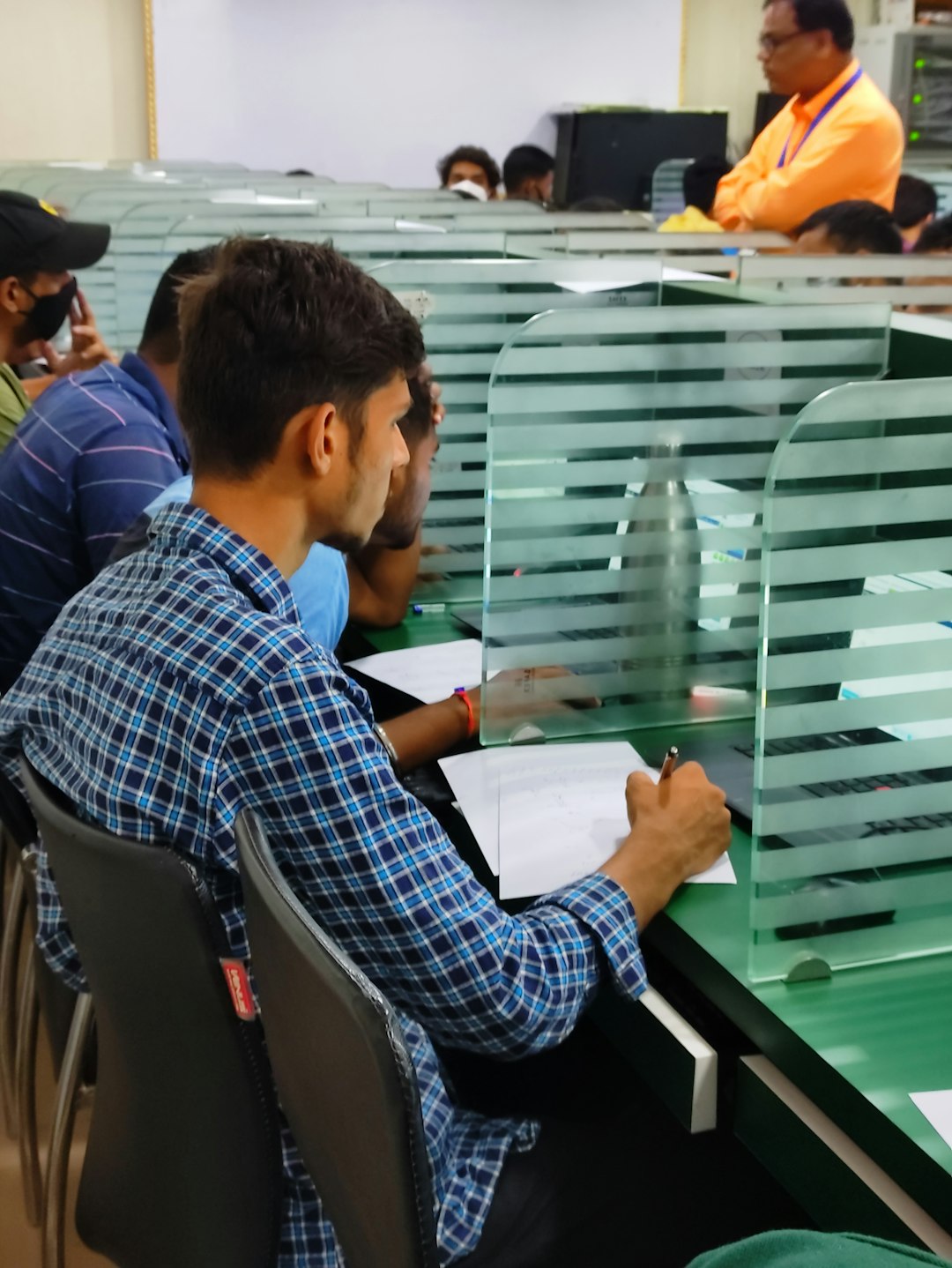
A strong request usually includes four elements: the reason, the departure time, task status, and coverage plan. It should be brief, polite, and honest.
- Give notice as early as possible: Advance notice helps the manager adjust workloads.
- Keep the explanation professional: Private details are not always necessary.
- Offer a plan: The employee should explain what is finished and what needs coverage.
- Follow company policy: Some workplaces require paid time off, sick leave, or manager approval.
- Avoid patterns of misuse: Frequent unexplained early departures can damage trust.
A polished message might say: “I need to leave at 3:30 p.m. today for a medical appointment. The sales summary is complete, and the updated file is in the shared folder. Jordan is aware of the one client follow-up that may come in before close of business.”
Reasons That May Seem Less Professional
Not every reason is equally strong. Leaving early for casual social plans, poor time management, or non-urgent errands may be viewed negatively if it affects work. That does not mean such requests are impossible, but they are better handled through planned personal time rather than last-minute permission.
For example, leaving early to attend a concert may be acceptable if the employee requested personal time in advance. However, asking at 4 p.m. on the same day while unfinished work remains may appear unprofessional.
Final Thoughts
Professional reasons to leave work early usually involve health, safety, family responsibility, legal obligations, or planned commitments that cannot easily happen outside work hours. The best approach is to communicate early, stay honest, and reduce the impact on colleagues. When an employee combines a valid reason with a clear handoff plan, leaving early can be handled respectfully and without harming professional credibility.
FAQ
- What is the best professional reason to leave work early?
Medical appointments, family emergencies, childcare issues, and urgent home repairs are among the most commonly accepted reasons. - Does an employee need to give detailed personal information?
No. A brief explanation such as “health appointment” or “family emergency” is often enough, depending on company policy. - How much notice should an employee give?
As much notice as possible. Scheduled appointments should usually be mentioned days in advance, while emergencies should be reported immediately. - Can leaving early too often become a problem?
Yes. Even valid reasons may raise concerns if they happen frequently without planning, documentation, or workload coverage. - Should an employee offer to make up the time?
It can be helpful, especially in hourly roles or deadline-based jobs. The employee should follow company rules for paid time off, sick leave, or flexible scheduling. - What should a manager consider before approving early leave?
A manager should consider urgency, fairness, workload impact, company policy, and whether the employee has arranged proper coverage.