
Choose Brandwatch for deeper research and audience analysis, but choose Talkwalker if your priority is faster AI crisis detection across news, social, forums, and visual content. Negative sentiment around AI brands moves very quickly. A model update, hallucination, data privacy rumor, or pricing change can turn into a reputation issue before the comms team has finished lunch.
TLDR: Talkwalker is usually stronger for broad monitoring, fast alerts, and spotting negative AI brand sentiment across many content types. Brandwatch is better when you need richer audience segmentation, historical analysis, and detailed conversation breakdowns. For example, if an AI writing tool sees negative mentions jump from 12% to 34% after a privacy policy update, Talkwalker may flag the spike faster, while Brandwatch may explain which user groups are driving it. A practical setup could be Talkwalker for real-time crisis alerts and Brandwatch for weekly insight reports.
Why negative AI sentiment is harder to track
AI brands attract sharper criticism than many other tech companies. Users worry about privacy, bias, job loss, copyright, hallucinations, pricing, and trust. One bad answer from a chatbot can become a viral post. One unclear product update can trigger hundreds of angry comments on Reddit, X, LinkedIn, TikTok, and niche developer forums.
That means ordinary sentiment monitoring is not enough. You need to know why sentiment is negative. Is the anger about safety? Is it about a broken feature? Is it a competitor stirring the pot? Or is it a small group posting often enough to distort the numbers?
This is where Talkwalker and Brandwatch both help, but in different ways.
Talkwalker: strong for fast detection and wide coverage
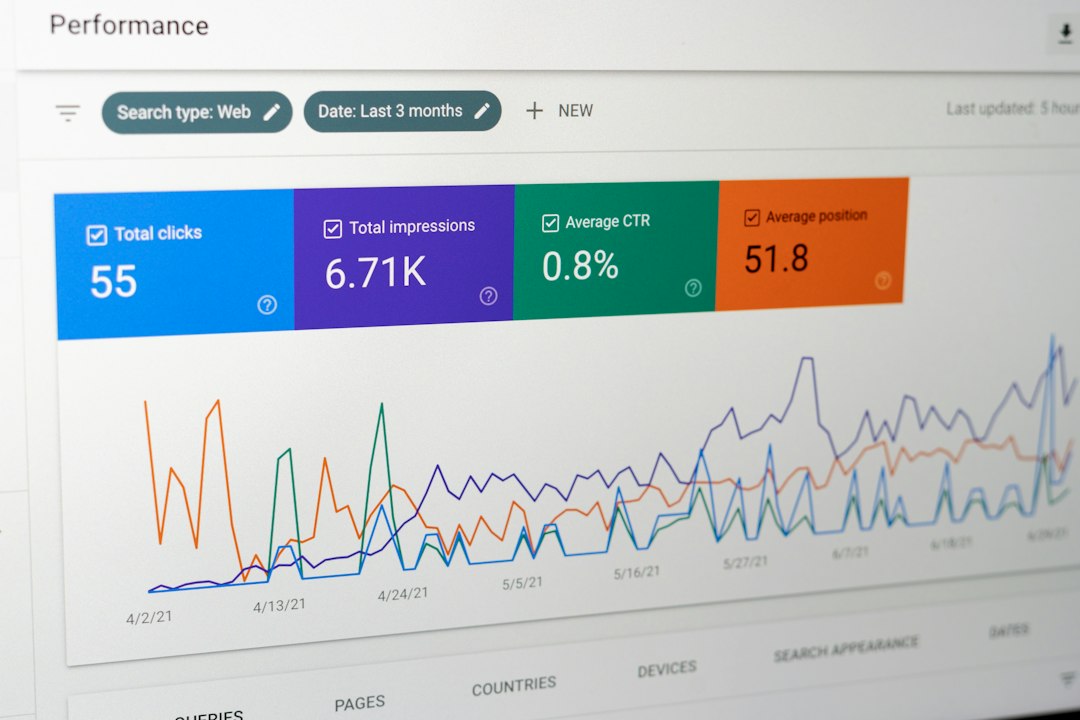
Talkwalker is built for broad social listening. It tracks conversations across social platforms, blogs, news, forums, podcasts, review sites, and visual media. For AI brands, that breadth matters. Criticism may start on GitHub, spread to Reddit, get quoted in a newsletter, then explode on LinkedIn.
Talkwalker’s biggest strength is early warning. Its alerting system is useful when teams need to catch sudden spikes in negative mentions. If your AI product gets accused of scraping user data, you want an alert before the story gets copied into five industry publications.
Talkwalker also handles image and video recognition well. That can matter more than many teams expect. AI brands often appear in screenshots, memes, demo clips, and comparison videos. Text-only tracking misses those signals. If users are sharing screenshots of a failed chatbot answer with your logo visible, Talkwalker is better positioned to catch it.
The platform also supports multilingual monitoring. This is useful for AI tools with global users. A backlash may begin in Spanish, German, Japanese, or French before English-speaking teams notice. Talkwalker can help spot those regional issues early.
The catch is that setup can feel busy. Expect to spend time cleaning queries, blocking junk mentions, and tuning alerts. If your brand name is generic, the noise can be painful. A query that looks fine on Monday may pull in irrelevant chatter by Wednesday.
Brandwatch: strong for research and audience insight
Brandwatch is excellent when you need to understand the people behind the sentiment. It shines in audience segmentation, topic clustering, competitive research, and long-term trend analysis. If Talkwalker is the smoke alarm, Brandwatch is closer to the investigation room.
For AI sentiment monitoring, Brandwatch is useful when negative sentiment is complex. Say your AI design tool receives mixed feedback after a new paid plan. Some users complain about cost. Others complain about output quality. Some object to training data. Brandwatch can help separate those clusters and show which themes are growing.
Brandwatch also has strong dashboards for comparing sentiment by audience type. You can examine how developers, marketers, students, journalists, and enterprise buyers respond to the same issue. That is very useful because AI criticism is rarely one-size-fits-all.
Its historical data is another draw. If your team wants to compare this month’s AI backlash with a similar issue from nine months ago, Brandwatch can support deeper reporting. That helps PR, product, legal, and leadership teams avoid guessing.
Honestly, it feels like Brandwatch asks for more patience. Some workflows take more clicks than they should. Building a clean dashboard can turn into a 40-minute task when you thought it would take 15. The reward is strong insight, but the setup is not always quick.
Sentiment accuracy: neither tool is magic
AI sentiment scoring sounds neat until sarcasm enters the chat. A post like “Great, another AI tool stealing my work” is easy. A post like “Love that my AI assistant confidently invented three laws” may be classified incorrectly if the model misses the joke.
Both Talkwalker and Brandwatch use AI-assisted sentiment analysis. Both can classify mentions as positive, neutral, or negative. Both can detect emotion and themes to varying degrees. Yet neither should be treated as perfect.
For negative AI brand sentiment, accuracy improves when teams build better rules. Create categories for privacy risk, bias, hallucination, billing anger, customer support, model quality, copyright, safety, and outage issues. Then review samples manually. Even checking 100 mentions per week can reveal whether the tool is misreading your audience.
- Talkwalker is better for spotting volume spikes and early crisis clues.
- Brandwatch is better for explaining audience behavior and topic roots.
- Both need human review for sarcasm, memes, slang, and technical complaints.
Best use cases for Talkwalker
Talkwalker is a better fit when speed and coverage matter most. This includes AI companies that face frequent public scrutiny or serve large consumer markets.
- AI chatbot companies tracking hallucination complaints in real time.
- AI image platforms monitoring copyright anger and creator backlash.
- AI productivity apps watching app store reviews, social posts, and news.
- Enterprise AI vendors checking regional reactions to policy updates.
- PR teams that need quick alerts before a story spreads.
A simple example: an AI transcription company launches a new recording feature. Within six hours, negative mentions rise by 58%, mostly around consent concerns. Talkwalker can alert the team, surface the main keywords, and show where the issue started. That can help the company publish a clear response before the anger hardens.
Best use cases for Brandwatch
Brandwatch is a stronger choice when the question is not just “What happened?” but “Who is upset, why, and what should we change?”
- Product teams studying recurring complaints about AI output quality.
- Research teams comparing brand trust against competitors.
- Marketing teams building audience-specific messaging.
- Executives reviewing monthly reputation trends.
- Customer experience teams linking sentiment to support themes.
For instance, a coding assistant may see negative sentiment climb from 18% to 29% after a model update. Brandwatch can show that senior developers are annoyed by code reliability, while junior users are more upset about pricing. That split matters. One response will not satisfy both groups.
Which tool is better for negative AI brand sentiment?
Pick Talkwalker if your main fear is missing the first spark. It is well suited for crisis monitoring, fast alerts, broad coverage, and visual mentions. It works well for teams that need to act within minutes or hours.
Pick Brandwatch if your main problem is understanding the fire after it starts. It gives stronger research depth, audience detail, and reporting value. It is better when leadership asks hard questions and wants evidence, not just charts.
Some larger AI companies may need both. That is not always cheap, but it can make sense. Use Talkwalker as the real-time warning layer. Use Brandwatch for deeper analysis, stakeholder reports, and strategy planning.
A practical monitoring setup
Start with a focused model. Track your brand name, product names, CEO name, model names, and common misspellings. Add complaint terms like scam, unsafe, biased, creepy, broken, hallucinating, stolen, overpriced, privacy, lawsuit. Then create issue buckets.
- Reputation risk: trust, ethics, privacy, safety.
- Product risk: bugs, poor output, outages, failed prompts.
- Commercial risk: pricing, refunds, plan changes.
- Legal risk: copyright, consent, data use, scraping claims.
- Support risk: slow replies, unresolved tickets, bad help docs.
Set alert thresholds with care. A 20% rise in negative mentions may be normal during a launch. A 20% rise tied to “privacy” or “lawsuit” is different. Segment alerts by topic, not just total sentiment.
The best AI sentiment monitoring setup does three things: it spots trouble early, explains the cause, and helps teams respond with proof. Talkwalker is stronger at the first job. Brandwatch is stronger at the second. Your choice depends on which failure would hurt more: reacting late, or reacting without enough insight.