As online services continue to expand across industries, from banking and healthcare to government portals and e-commerce platforms, secure digital identity verification has become a critical component of user access management. Identity verification software like ID.me helps organizations confirm that users are who they claim to be—reducing fraud, strengthening compliance, and building digital trust. These platforms combine advanced technologies such as biometrics, document verification, artificial intelligence, and multifactor authentication to protect both businesses and individuals in an increasingly digital world.
TLDR: Identity verification software like ID.me helps organizations securely confirm a user’s identity before granting access to sensitive systems or benefits. These solutions use tools such as biometric checks, document scanning, AI-driven fraud detection, and multi-factor authentication. They reduce identity theft, protect personal data, and help companies meet compliance requirements. As digital services grow, identity verification platforms are becoming essential infrastructure for secure online access.
From government benefit portals to financial services platforms, identity verification solutions ensure that digital interactions remain safe, efficient, and trustworthy. This article explores how software like ID.me works, its key features, use cases, benefits, challenges, and leading alternatives in the market.
Why Identity Verification Matters in Today’s Digital World
Digital transformation has brought unprecedented convenience. Users can open bank accounts, apply for loans, access telehealth services, and file taxes—all without leaving their homes. However, this accessibility has also increased exposure to:
- Identity theft
- Account takeover attacks
- Synthetic identity fraud
- Data breaches
According to global cybersecurity trends, identity-based attacks remain one of the most common and costly forms of online fraud. This reality makes robust identity verification systems a foundational layer of digital security architecture.
Solutions like ID.me aim to establish a verified, reusable digital identity that users can leverage across multiple services. By verifying individuals once and allowing secure reuse of credentials, organizations reduce friction while maintaining high security standards.
How Identity Verification Software Like ID.me Works
At its core, identity verification software follows a multi-step process to validate a user’s identity before granting secure access.
1. Identity Document Verification
Users upload a government-issued ID such as a driver’s license or passport. The platform uses AI and machine learning to:
- Verify document authenticity
- Detect tampering or forgery
- Extract identifying information
2. Biometric Matching
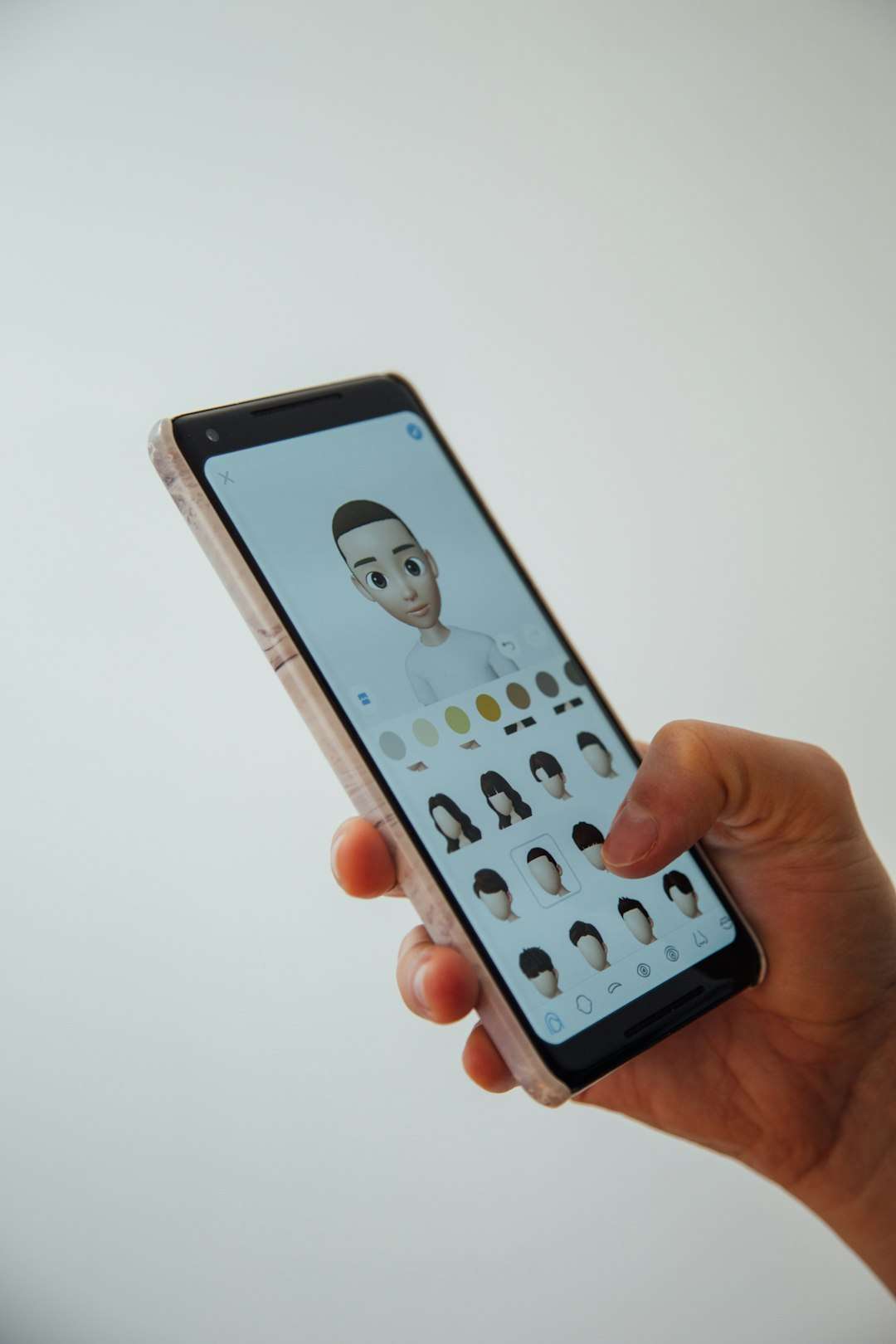
Users typically take a live selfie or short video. Facial recognition technology compares this image to the ID photo.
- Confirms liveness detection
- Prevents spoofing using photos or masks
- Matches facial characteristics with high accuracy
3. Database Cross-Checking
The software may cross-reference trusted databases to confirm identity information such as address, date of birth, and social security number.
4. Multifactor Authentication (MFA)
After verification, secure access is reinforced through:
- One-time passcodes (OTP)
- Authentication apps
- SMS or email verification
- Hardware tokens
This layered approach significantly reduces the risk of unauthorized access.
Key Features of Identity Verification Platforms
Leading identity verification software solutions share several core capabilities:
- AI-Powered Fraud Detection: Identifies suspicious patterns and anomalies.
- Biometric Authentication: Facial or fingerprint recognition.
- Document Authentication Technology: Scans for security features like holograms.
- Compliance Tools: Supports KYC (Know Your Customer) and AML (Anti-Money Laundering) regulations.
- Secure Encryption: Protects stored and transmitted data.
- Reusable Digital Identity: Allows verified users to access multiple services without repeated full verification.
Together, these features create a secure yet streamlined user experience.
Primary Use Cases Across Industries
Identity verification software has broad applications across sectors:
Government Services
Governments use platforms like ID.me to:
- Verify benefit eligibility
- Prevent unemployment fraud
- Secure tax portals
Financial Services
Banks and fintech companies rely on identity verification to:
- Open new accounts remotely
- Process loan applications
- Meet KYC and AML regulations
Healthcare Platforms
Telehealth providers use secure identity verification to confirm patients before granting access to medical records and virtual appointments.
E-Commerce and Marketplaces
Online marketplaces use identity checks to reduce fake sellers and fraudulent activity.
Top Identity Verification Solutions Like ID.me
Several companies offer identity verification software with similar capabilities. Below is a comparison of notable platforms:
| Platform | Core Features | Primary Use Cases | Biometric Support |
|---|---|---|---|
| ID.me | Reusable digital identity, multifactor authentication, document verification | Government, healthcare, retail discounts | Yes |
| Jumio | AI-powered ID verification, AML screening, risk scoring | Financial services, crypto, fintech | Yes |
| Onfido | Automated ID checks, facial biometrics, fraud detection | Gig economy, fintech, mobility services | Yes |
| Persona | Customizable identity workflows, database verification | Marketplaces, SaaS platforms | Yes |
| Trulioo | Global identity verification, business verification | International financial institutions | Limited |
Each solution varies in geographic coverage, pricing, compliance focus, and integration capabilities, but all aim to provide secure and scalable user identity confirmation.
Benefits of Identity Verification Software
1. Reduced Fraud
Advanced AI and biometrics significantly lower incidents of identity theft and account takeovers.
2. Regulatory Compliance
Companies must comply with strict regulations such as:
- KYC requirements
- AML laws
- GDPR and data privacy standards
Identity verification software automates compliance processes and reduces legal risk.
3. Improved User Trust
Consumers are more likely to use digital services when they feel their information is secure.
4. Streamlined User Experience
Modern verification platforms balance security with usability. Many offer quick verification within minutes, limiting user drop-off rates.
5. Scalability
As organizations grow, identity verification systems scale to accommodate millions of users without compromising performance.
Challenges and Considerations
Despite clear advantages, identity verification software comes with certain challenges:
- Privacy Concerns: Users may be hesitant to share biometric data.
- False Positives: Overly strict systems may block legitimate users.
- Accessibility Issues: Some users may lack required technology or documentation.
- Data Security Responsibility: Organizations must securely store sensitive identity data.
To address these concerns, companies must implement transparent data practices, accessible onboarding flows, and strong encryption protocols.

The Future of Digital Identity Verification
The future of identity verification is moving toward decentralized identity systems and user-controlled credentials. Technologies such as blockchain-based digital IDs and verifiable credentials allow individuals to store identity attributes securely and share them selectively.
Additionally, advancements in behavioral biometrics—such as typing patterns and device recognition—will further enhance fraud detection without increasing friction.
Artificial intelligence will continue to evolve, improving document authentication accuracy and reducing bias in biometric matching systems. Over time, identity verification may shift from reactive fraud prevention to proactive, continuous authentication models.
Conclusion
Identity verification software like ID.me plays a critical role in safeguarding digital ecosystems. By combining document analysis, biometric validation, AI-driven fraud detection, and multifactor authentication, these platforms secure sensitive systems while improving user convenience.
As cyber threats become more sophisticated and regulatory demands tighten, organizations must prioritize reliable identity verification solutions to protect users and maintain trust. With ongoing innovation and responsible implementation, identity verification software will continue to shape the future of secure digital access.
Frequently Asked Questions (FAQ)
1. What is identity verification software?
Identity verification software is a digital solution that confirms a user’s identity through document checks, biometric authentication, and database verification before granting access to secure systems.
2. How does ID.me verify identity?
ID.me typically verifies users by scanning a government-issued ID, performing facial recognition matching, and applying multifactor authentication to secure access.
3. Is biometric identity verification secure?
Yes, when implemented properly with encryption and liveness detection, biometric verification is highly secure and significantly reduces fraud.
4. What industries use identity verification platforms?
Common industries include government agencies, financial institutions, healthcare providers, e-commerce platforms, and online marketplaces.
5. Does identity verification software store personal data?
Most platforms store encrypted personal data to maintain verified identities, though storage policies vary by provider and regulatory requirement.
6. What is the difference between authentication and identity verification?
Identity verification confirms a person’s identity for the first time, while authentication ensures the same verified user is accessing the system in future sessions.
7. Can small businesses benefit from identity verification software?
Yes. Many providers offer scalable solutions tailored to startups and small businesses, particularly in fintech and e-commerce sectors.
8. What is the future of digital identity?
The future includes decentralized identity frameworks, AI-driven continuous authentication, and user-controlled digital credentials designed to enhance both privacy and security.