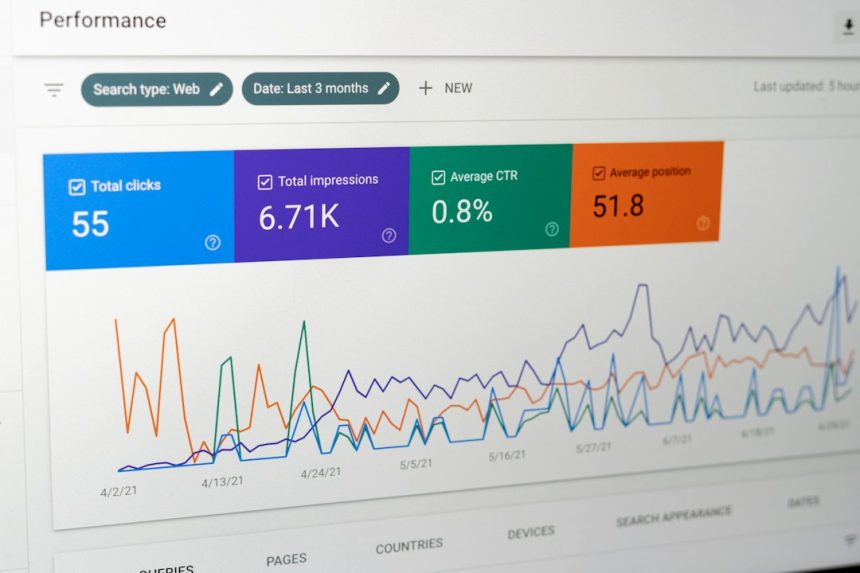
If your goal is to make your brand more visible in ChatGPT, start with Semrush for search authority and content gaps, then use Brandwatch to verify whether real people discuss and trust your brand. ChatGPT does not rank brands like Google does. It forms answers from patterns, credible sources, entities, reviews, media mentions, product pages, and user demand signals. That means visibility depends on being easy to understand, easy to cite, and consistently present across trusted sources.
TLDR: Semrush is stronger for building the content and SEO foundation that helps generative AI systems recognize your brand. Brandwatch is stronger for tracking public perception, sentiment, and conversation volume around that brand. For example, a B2B software company might use Semrush to raise nonbranded organic traffic by 38% in six months, then use Brandwatch to confirm that positive social mentions rose from 1,200 to 1,850 per month. The best setup is not Semrush versus Brandwatch; it is Semrush for findability and Brandwatch for reputation proof.
Why ChatGPT visibility is different from classic SEO
ChatGPT visibility is not just about ranking first for a keyword. A brand appears in AI answers when it is strongly connected to a topic, category, use case, and audience need. If users ask, “What are the best project management tools for agencies?” ChatGPT is more likely to mention brands that have clear positioning, strong third-party references, consistent descriptions, and enough public discussion to seem relevant.
The frustrating part is that there is no single “ChatGPT ranking report” that tells the whole truth. Some tools promise this, but the results can vary by prompt, region, model version, and phrasing. Expect to waste time if you treat one AI answer as the final score. You need a broader system.
What Semrush does best for generative AI visibility
Semrush is best for making your brand easier to find, understand, and cite. That matters because generative AI tools often reflect the structure of the open web. If your website has weak content, thin category pages, unclear expertise, or poor backlinks, AI systems have fewer reasons to associate your brand with a topic.
Semrush helps with several practical tasks:
- Keyword and topic research: Find how people describe the problem your product solves.
- Content gap analysis: See which topics competitors own and where your brand is absent.
- Backlink analysis: Identify whether trusted sites mention competitors more often than you.
- Technical SEO audits: Fix crawl issues, weak internal linking, duplicate pages, and slow pages.
- Competitor tracking: Watch which domains gain traffic and authority in your category.
For generative AI, the biggest value is entity clarity. Semrush can help you build pages that explain who you are, what you sell, who it is for, how you compare, and what proof supports your claims. This is not glamorous work. It is foundation work. But it is the kind of work that makes your brand machine-readable and human-readable at the same time.
A serious ChatGPT visibility program using Semrush should include:
- A clear product category page.
- Comparison pages against major competitors.
- Use case pages for each key audience.
- Original data, benchmarks, or survey results.
- Author pages with real credentials.
- Third-party citations from review sites, trade media, and partner pages.
Semrush will not force ChatGPT to mention your brand. No reputable tool can promise that. What it can do is show where your web presence is too weak to be included in reliable AI answers.
What Brandwatch does best for generative AI visibility
Brandwatch is best for measuring whether people actually talk about your brand, and how they feel when they do. This is critical because generative AI visibility is not only built on web pages. It is also influenced by reputation, repeated mentions, community discussion, product feedback, and media attention.
Brandwatch is especially useful for:
- Social listening: Track mentions across social platforms, forums, news, blogs, and review channels.
- Sentiment analysis: Understand whether brand mentions are positive, negative, or neutral.
- Share of voice: Compare your brand’s conversation volume with competitors.
- Trend detection: Spot rising questions, complaints, and buying triggers.
- Audience analysis: See who talks about your brand and what they care about.
Honestly, it feels like many AI visibility plans ignore this part because it is messier than SEO. Search data looks clean. Real conversations are not. People complain, compare, praise, misname products, and ask awkward questions. That mess is useful. It shows what your brand is actually known for, not what your homepage claims.
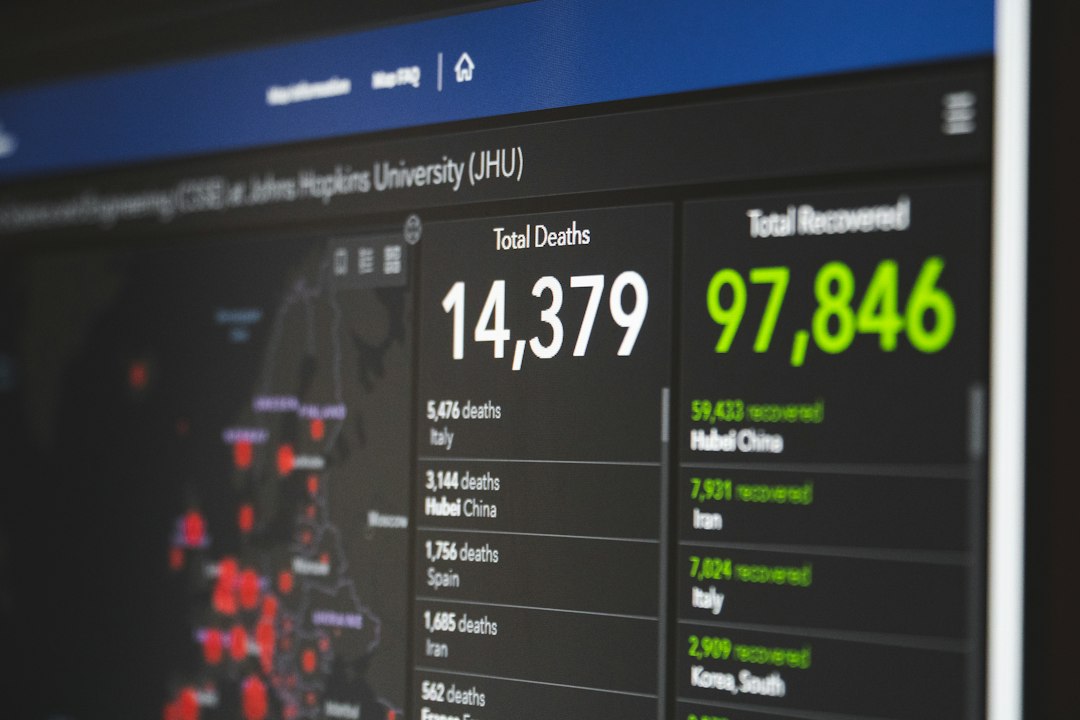
Brandwatch can show whether your brand has enough public demand to deserve inclusion in AI-generated recommendations. If competitors receive 62% of category mentions while your brand receives 6%, the issue is not only content. It is market awareness. In that case, publishing more blog posts will not be enough. You need PR, partnerships, community activity, analyst coverage, reviews, and visible customer proof.
Semrush vs Brandwatch: which is better?
The answer depends on the weakness you are trying to fix.
| Need | Better tool | Reason |
|---|---|---|
| Find missing topics and keywords | Semrush | It maps search intent, competitor content, and organic gaps. |
| Improve website authority | Semrush | It tracks backlinks, technical SEO, and organic performance. |
| Track sentiment and public opinion | Brandwatch | It monitors social, news, forums, and audience conversation. |
| Measure share of voice | Brandwatch | It compares brand mention volume across public channels. |
| Build a full AI visibility system | Both | One builds discoverability. The other validates recognition and trust. |
If you can only choose one, pick Semrush when your site lacks authority, content depth, and topical coverage. Pick Brandwatch when your brand is already searchable but poorly understood, rarely discussed, or hurt by negative sentiment.
A practical workflow for becoming visible in ChatGPT
Use this process instead of chasing random prompts.
- Define the AI prompts you care about. Write 30 to 50 buyer-style prompts, such as “best payroll software for startups” or “alternatives to HubSpot for small agencies.”
- Check your current presence manually. Test prompts in ChatGPT, Perplexity, Gemini, and Copilot. Record whether your brand appears, how it is described, and which competitors show up.
- Use Semrush to find content gaps. Build pages that answer the exact questions AI tools tend to summarize.
- Use Brandwatch to measure demand and trust. Track mentions, sentiment, share of voice, and recurring complaints.
- Strengthen third-party proof. Earn reviews, guest mentions, directory listings, analyst references, case studies, and media coverage.
- Repeat every month. AI outputs shift. Your measurement should not be a one-time audit.

What to measure
Do not rely on vanity metrics alone. Use a balanced scorecard.
- AI mention rate: Out of 50 target prompts, how often does your brand appear?
- Competitor overlap: Which competitors appear when you do not?
- Topical authority: How much organic traffic do your key topic clusters receive?
- Share of voice: What percentage of category mentions belong to your brand?
- Sentiment ratio: Are positive mentions increasing faster than negative ones?
- Citation quality: Are trusted sources describing your brand accurately?
A useful target might look like this: increase AI mention rate from 12% to 30% across priority prompts in six months, grow nonbranded organic traffic by 25%, and raise positive share of voice by 10 percentage points. These numbers are realistic for a brand that already has product-market fit but weak visibility.
Common mistakes to avoid
The first mistake is creating content only for bots. AI systems summarize human-facing material. If your pages are vague, bloated, or stuffed with repeated phrases, they will not build trust.
The second mistake is ignoring negative conversation. If Brandwatch shows repeated complaints about pricing, support, or missing features, fix the issue or address it clearly. Silence creates room for competitors to define you.
The third mistake is treating ChatGPT as one channel. Generative AI visibility is shaped by search engines, publishers, communities, review sites, social platforms, and your own site. A narrow plan misses too much.
Final recommendation
Use Semrush to build the evidence base. Use Brandwatch to measure market belief. Semrush helps you become understandable to search engines and AI systems. Brandwatch shows whether the market repeats your message, trusts it, or pushes back against it.
For most teams, the strongest path is simple: audit AI prompts, fix content gaps with Semrush, track public response with Brandwatch, and build credible third-party mentions. That is how a brand becomes visible in ChatGPT without relying on shortcuts or guesswork.