In 2026, improving physical appearance is no longer limited to guesswork, expensive consultations, or endless trial and error. With artificial intelligence now powering advanced facial analysis, grooming simulations, style recommendations, and even posture correction tools, “looksmaxing” has evolved into a practical, data-driven process used by over 1 million people worldwide. Instead of relying on trends, users now rely on algorithms trained on aesthetics, symmetry, and real-world feedback. The result is faster, smarter, and more personalized appearance optimization.
TLDR: AI in 2026 allows anyone to systematically improve their appearance using facial analysis, hairstyle simulations, skincare tracking, and style recommendations. By following a structured step-by-step process, users can identify weaknesses, test improvements digitally, and implement changes with confidence. The most successful users combine grooming, fitness, fashion, and confidence-building tools into one cohesive plan. This guide explains exactly how they do it.
What “Looksmaxing” Means in 2026
Looksmaxing refers to the strategic process of maximizing one’s physical attractiveness. In the past, it often relied on subjective advice. Today, AI transforms it into a measurable system by analyzing:
- Facial symmetry and proportions
- Skin quality and tone consistency
- Hair density and style suitability
- Body composition and posture
- Personal color palettes and fashion fit
Instead of asking, “Do I look better?” users now ask, “What measurable variables can I improve?”
Step 1: Run an AI Facial Analysis
The process begins with data. Users upload high-quality, neutral-expression photos into an AI facial analysis app. Within seconds, the system evaluates:
- Jawline definition
- Cheekbone visibility
- Eye spacing
- Skin texture
- Facial thirds balance
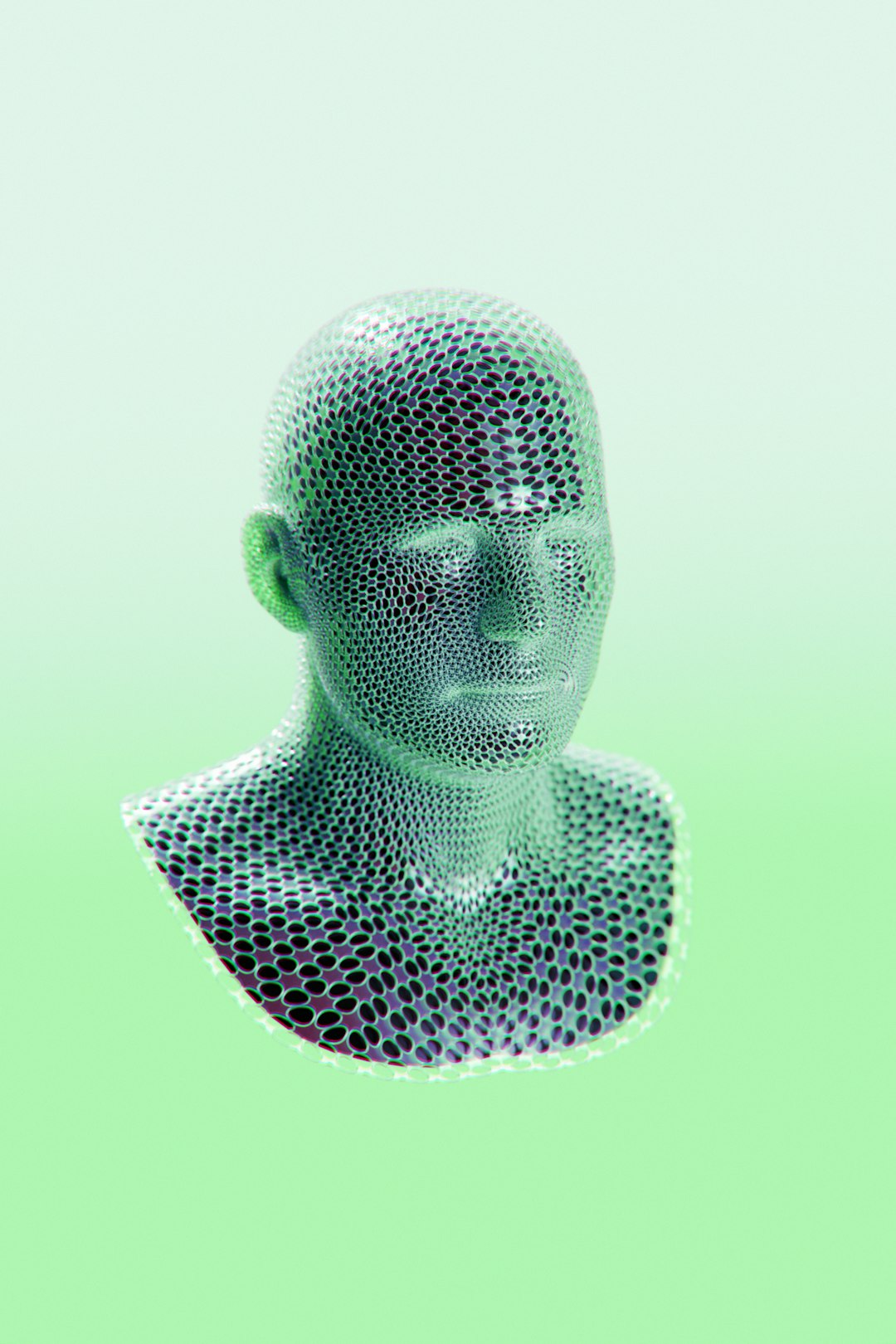
The user receives a report with strengths and improvement priorities. For example:
- Strength: Strong brow ridge and symmetrical eye spacing
- Improvement Area: Skin redness and weak jawline definition
This objective baseline prevents wasted effort and directs focus toward high-impact upgrades.
Step 2: Simulate Haircuts, Beards, and Brows
Hair is one of the fastest ways to change perceived attractiveness. In 2026, AI hairstyle simulators render hyper-realistic previews.
Users can:
- Test short vs. textured hairstyles
- Simulate beard density and shape
- Adjust eyebrow thickness
- Preview hairline restoration options
The key is not choosing what looks “cool,” but what enhances facial structure. For example, wider faces benefit from volume on top. Longer faces often benefit from moderate fringe or layered sides.
Pro Tip: The most attractive styles often improve perceived facial ratios rather than adding complexity.
Step 3: Optimize Skin With AI Tracking
Clear skin can increase attractiveness ratings significantly. AI skincare trackers now monitor:
- Pore visibility
- Inflammation levels
- Oil balance
- Wrinkle progression
Instead of random product purchases, users receive ingredient-specific recommendations (e.g., niacinamide for redness, retinoids for texture).
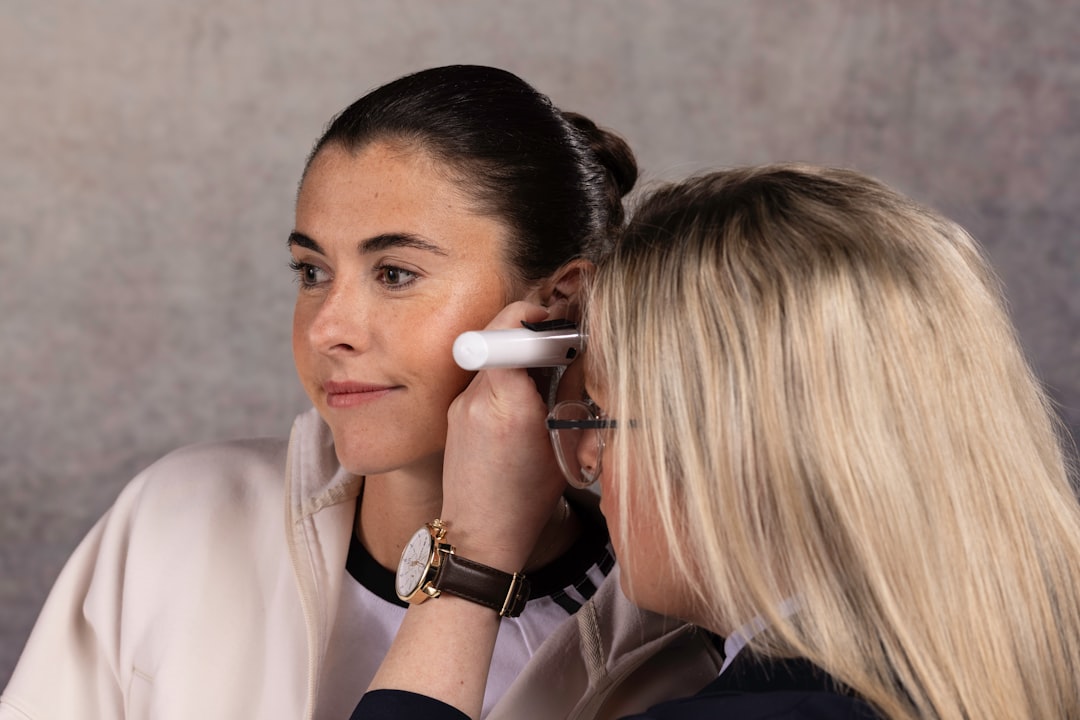
Weekly progress scans show measurable improvements, making consistency easier. Many users report visible texture improvement within 8–12 weeks when following AI-guided routines.
Step 4: Improve Body Composition & Posture
Facial attractiveness increases dramatically when body posture and composition align with facial structure.
AI fitness apps in 2026 analyze:
- Shoulder width relative to waist
- Neck thickness
- Body fat percentage
- Postural tilt
For many men, reducing body fat to reveal jawline definition offers disproportionate returns. For many women, improving posture alone enhances silhouette and confidence.
Most AI tools generate customized programs targeting:
- Upper chest development
- Core tightening
- Rounded shoulder correction
Step 5: Upgrade Style Using AI Outfit Recommendations
After grooming and physique, clothing creates perception. AI fashion assistants now use:
- Body measurements
- Skin undertones
- Face shape
- Lifestyle preferences
The result is a personalized capsule wardrobe blueprint.
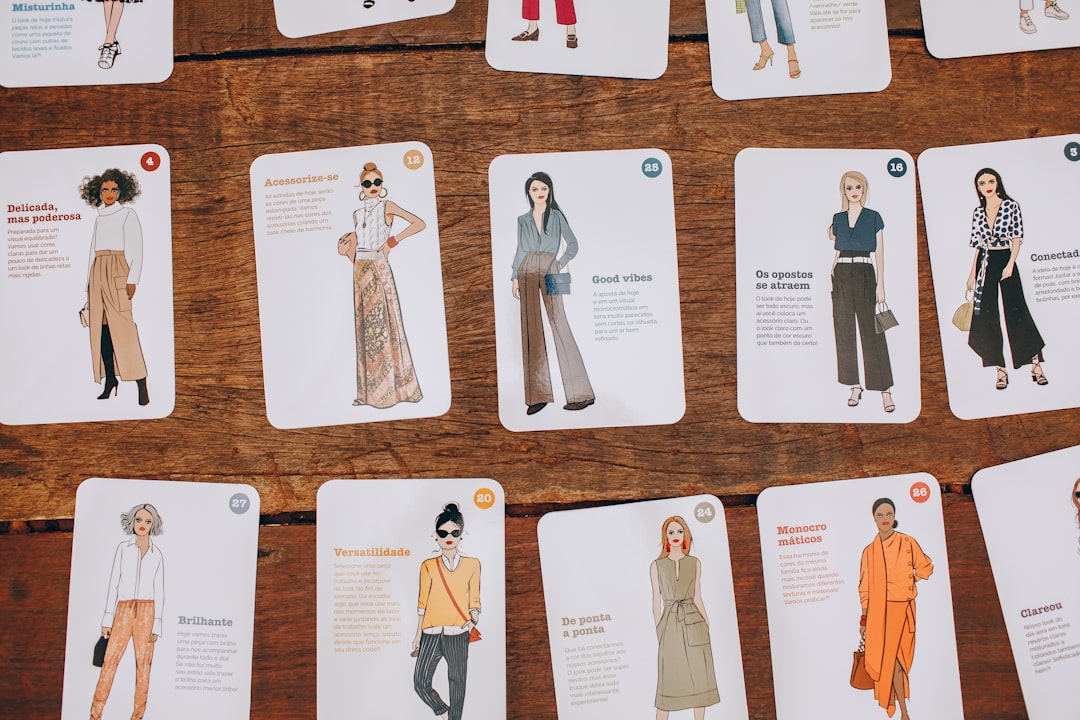
Instead of chasing trends, users are advised on:
- Neckline types that flatter jaw structure
- Color palettes matching undertones
- Proper pant breaks and tailoring
Tailoring alone can elevate perceived attractiveness significantly without changing the body itself.
Step 6: Voice and Social Feedback Optimization
Advanced looksmaxers in 2026 also use AI speech tools to refine:
- Vocal depth
- Speech pacing
- Confidence markers
Charisma compounds physical improvements. Some apps even simulate first-impression feedback based on facial expression and micro-expressions.
Comparison Chart: Popular AI Looksmaxing Tool Categories
| Tool Type | Main Purpose | Best For | Speed of Results |
|---|---|---|---|
| Facial Analysis AI | Symmetry & proportion breakdown | Baseline attractiveness scoring | Immediate insights |
| Hairstyle Simulator | Hair & beard previews | Visual transformation testing | Instant previews |
| Skincare Tracker | Skin improvement monitoring | Texture & acne reduction | 8–12 weeks |
| Fitness AI Coach | Body composition planning | Fat loss & muscle shaping | 12+ weeks |
| Style Recommendation Engine | Wardrobe optimization | Visual presence upgrade | Immediate when applied |
The 90-Day AI Looksmax Protocol
Users who see the strongest results follow a structured 90-day plan:
Month 1 – Analysis & Quick Wins
- Run full AI facial and skin analysis
- Change hairstyle
- Start skincare routine
- Adjust wardrobe fit
Month 2 – Structural Improvements
- Begin structured fitness program
- Improve posture
- Refine grooming habits
Month 3 – Advanced Optimization
- Re-scan face and skin
- Evaluate progress
- Test advanced refinements
Consistency — not obsession — separates top results from average ones.
Mistakes to Avoid
- Relying only on beauty scores instead of holistic improvement
- Changing too many variables at once
- Ignoring fitness and posture
- Over-editing photos instead of improving real traits
AI is a guide, not a replacement for discipline.
Why AI Looksmaxing Works
The reason over 1 million users rely on AI for appearance optimization is simple: feedback loops. Previously, improvements felt random. Now users:
- Measure baseline
- Implement change
- Measure again
This mirrors how athletes and entrepreneurs optimize performance. Appearance becomes a measurable project instead of a vague hope.
Frequently Asked Questions (FAQ)
1. Is AI looksmaxing safe?
Yes, when used responsibly. Most tools focus on grooming, fitness, and styling suggestions rather than invasive procedures.
2. Do beauty scores really matter?
They provide direction but should not define self-worth. Improvement trends matter more than static numbers.
3. How long until noticeable results appear?
Some changes (haircuts, clothing) are immediate. Skin and fitness improvements typically take 2–3 months.
4. Is this only for men?
No. Women equally use AI for facial analysis, makeup simulation, body shaping, and style optimization.
5. Can AI predict attractiveness accurately?
AI estimates attractiveness based on symmetry and population data, but real-world factors like charisma, voice, and confidence also play major roles.
6. Is it expensive to start?
Many tools offer free analysis versions. The highest ROI upgrades often include better grooming and tailored clothing — not expensive procedures.
7. Does this replace cosmetic surgery?
For many users, lifestyle and grooming improvements eliminate the need for invasive options. However, medical decisions should always involve licensed professionals.
In 2026, looksmaxing is no longer about copying influencers or chasing viral trends. It is about using intelligent systems to reveal hidden potential and amplify natural strengths. With the right sequence — analysis, grooming, skincare, fitness, style, and confidence — AI becomes a mirror that not only reflects appearance but helps refine it methodically. Those who approach it strategically often discover that small, data-driven improvements compound into dramatic transformations.