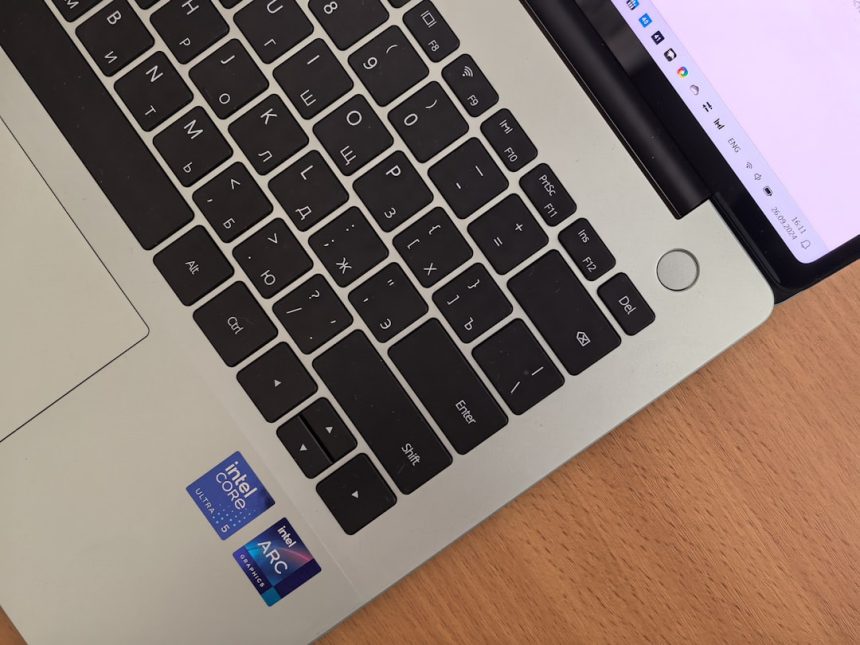
Pressure marks on a laptop screen can be frustrating, unsightly, and sometimes scary—especially if you’re not sure whether they signal deeper damage. These marks usually appear as white spots or discolorations on your display and are often caused by direct pressure from closing the lid while objects are on the keyboard, mishandling the laptop, or prolonged uneven pressure. Fortunately, not all pressure marks mean you need to replace your screen. There are a range of solutions—some easy and safe, others requiring caution—that can help restore your display.
TL;DR (Too Long; Didn’t Read)
Pressure marks are caused by pressure or stress on your laptop screen and can appear as white spots or discolorations. While some marks are temporary and can be fixed with simple DIY techniques like gentle massage or using warm compresses, deeper damage might require professional repair or replacement. Prevention is always the best strategy, so handle your laptop with care and avoid putting pressure on the screen. If you’re unsure, consult a technician before attempting potentially risky fixes.
What Are Pressure Marks and What Causes Them?
Pressure marks, also called pressure spots, are areas of visible discoloration on an LCD screen, often white or brighter areas compared to the rest of the display. They are usually caused by:
- Pushing or pressing on the screen (intentionally or unintentionally)
- Closing the lid with objects between the keyboard and screen
- A tight backpack compressing the laptop for long periods
- Over-tightened bezels or internal component pressure
The issue primarily affects LCD screens more than OLED displays, owing to the layered nature of liquid crystal technology. Immediate and correct action can sometimes reduce or even eliminate the appearance of these marks.
Assess the Damage Before Taking Action
Before you try to fix the issue, you need to identify the type of pressure mark you’re dealing with. There are generally two possibilities:
- Superficial Marks: Often caused by temporary pressure. These can usually be fixed or reduce over time.
- Permanent Damage: Results from prolonged pressure or damage to the internal layers of the display. These may require professional help or screen replacement.
A simple test is to gently press near the spot with your finger. If it changes shape or intensity, it’s likely superficial and possibly fixable.
Safe Home Remedies to Try First
There are a few methods you can try at home to fix superficial pressure marks. Be gentle and cautious in your approach to avoid further damage.
1. Gentle Screen Massage
This is one of the most commonly recommended methods for minor screen anomalies.
- Turn off your laptop and unplug the charger.
- Use a soft microfiber cloth to gently rub the pressure spot in a circular motion for about 10–20 seconds.
- Turn on your laptop and check if the mark has diminished.
Be careful not to press too hard. Aggressive rubbing can worsen the damage or create new marks.
2. Warm Compress Technique
Temperature can sometimes help release minor pressure inconsistencies in the screen layers.
- Heat a clean cloth slightly (use warm water or a warm heating pad, not hot).
- Turn off the laptop and apply the warm cloth to the affected area for about 5–10 minutes.
- Remove the cloth and let the screen cool for several minutes before turning it back on.
This technique helps by softening the liquid crystal structure, potentially allowing minor inconsistencies to settle.
3. Use Pressure-Relieving Apps
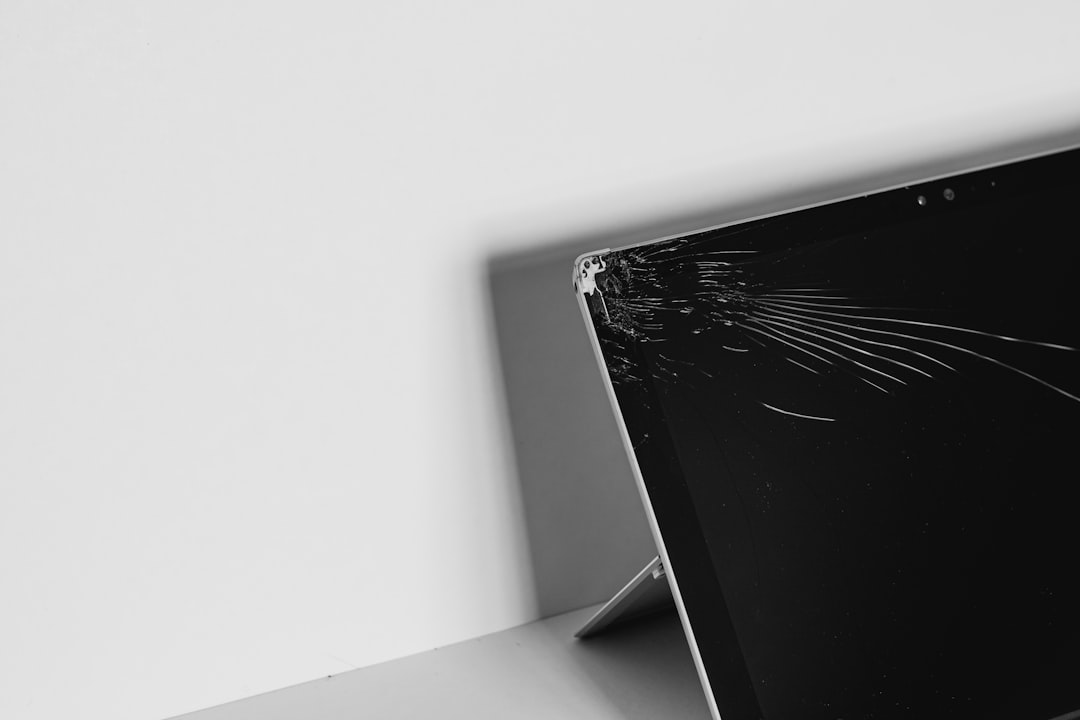
There are software-based approaches that may help restore stuck pixels or anomalies related to pressure spots. Apps like JScreenFix or PixelHealer can ‘shake’ the pixels repeatedly to attempt revival.
These apps work best on individual stuck pixels but sometimes help reduce the prominence of pressure marks, especially those formed recently. Leave the app running on the affected area for 10–20 minutes and then observe the result.
When to Seek Professional Help
If you’ve tried all the safe DIY solutions and the pressure mark remains unchanged—or if it appears to have gotten worse—it may be time for expert intervention. Signs you may need professional repair include:
- The appearance of new lines or color distortion across the display
- Shadowing or ghost images around the original mark
- Inability to control display backlighting uniformly
Repair options may involve internal adjustments, LCD panel replacement, or in some rare cases, replacing the entire top half of your laptop.
The Risks of Attempting DIY Fixes for Deep Damage
It can be tempting to disassemble your laptop and fix it yourself, especially with the countless tutorials available online. However, repairing or replacing an LCD panel is more complex than it seems. You risk:
- Damaging other internal components
- Voiding your laptop warranty
- Accidentally introducing more pressure marks
Only attempt a self-repair if you’re experienced with electronics and have the precise tools (like a plastic opening toolset, anti-static wristband, and replacement panel). Otherwise, it’s best left to the pros.
Tips for Preventing Future Pressure Marks
Once you’ve resolved or mitigated the current damage, it’s critical to take steps to prevent it from happening again.
- Avoid closing your laptop with items on the keyboard. Even something as small as a USB dongle can cause severe pressure marks.
- Use a hard-shell case or sleeve. This provides an extra layer of protection, especially while in transit.
- Do not stack heavy items on your laptop.
- Store your laptop flat. Avoid areas with uneven or shifting surfaces.
- Check display hinge tension. A hinge that’s too tight could exert constant pressure on the back of the screen.
When Replacement Is the Only Option
If the damage is severe and permanent, replacing the screen might be your only choice. Make sure to:
- Buy a compatible screen. Match the model and type exactly with your current one.
- Check if it’s covered under warranty. Many manufacturers offer accidental damage protection.
- Estimate the cost-benefit ratio. If your laptop is old, it might be more cost-effective to upgrade rather than repair.
Screen replacements typically range from $100 to $300 depending on the brand and model, excluding labor fees.
Final Thoughts
Pressure marks on a laptop screen can be alarming, but not every occurrence signals inevitable doom. Some can be gently massaged or heat-treated away with no long-term consequences, while others may require professional intervention. Understanding the cause, being cautious with your DIY efforts, and committing to better laptop-hygiene practices can significantly improve your chances of resolving the issue without additional damage.
And remember: Preventing pressure marks is always better than fixing them. A little care today can save you considerable expense—and stress—down the line.