
Use free SoundCloud follower tools with extreme caution; a smaller real audience is worth more than a large count filled with bots, inactive accounts, or people who never play your music. If your goal is long-term streaming growth, playlist interest, label credibility, or ticket sales, focus on audience quality first. Free tools can sometimes help with discovery, but they should never replace release planning, community work, and clean analytics.
TLDR: Free SoundCloud follower tools may inflate your numbers, but they often bring weak engagement and can damage trust. For example, an artist who gains 1,000 free followers but gets only 14 extra plays has not built demand; they have created a suspicious ratio. A better target is slower: 100 real followers from a campaign that produces 500 plays, 40 likes, 12 comments, and 20 saves. That pattern looks healthier to fans, curators, and partners.

What “Free SoundCloud Followers” Tools Usually Offer
Most SoundCloud growth tools make a simple promise: sign up, connect your account, complete a task, and receive followers. Some use exchange systems. You follow other users to earn credits, then spend credits to get followers back. Others offer trial campaigns, auto-like features, repost swaps, or “engagement pods” where users support each other’s tracks.
On paper, that sounds useful. In practice, it is often messy. Honestly, it feels like many of these tools are built to show movement rather than create listeners. You may see the follower count rise, but your plays, likes, comments, and repeat listeners may barely move.
Common tool types include:
- Follower exchange platforms: You follow users to receive followers in return.
- Auto-engagement tools: These automate likes, reposts, follows, or messages.
- Promo credit sites: You earn credits by taking actions, then spend them on your tracks.
- Free trial growth services: These promise a small test boost, then push paid plans.
- Repost networks: Users share each other’s music for exposure.
Some repost communities can be legitimate if they are genre-specific and moderated. But broad “free followers now” platforms tend to produce low-value activity. That is the part many artists learn too late.
The Main Risk: Fake Growth Can Hurt Your Credibility
SoundCloud is not only a place for listening. It is also a public record of interest. When someone visits your profile, they compare numbers. If you have 8,000 followers but your latest track has 63 plays and two likes, the gap is obvious.
That mismatch can hurt you with:
- Playlist curators who check engagement before accepting submissions.
- Labels and managers who want signs of real demand.
- Fans who use social proof to decide if you are worth their time.
- Collaborators who may question whether your reach is real.
There is also a platform risk. Automated activity can violate service rules. Even if your account is not removed, suspicious behavior can reduce confidence in your profile. It drives me crazy that some tools hide this behind friendly dashboards and progress bars. The interface looks clean, but the result can still be hollow.
When Growth Tools May Be Useful
Not every growth tool is bad. The better ones help you manage work you should already be doing. A useful tool might help you schedule reposts, track audience sources, find similar artists, monitor comments, or organize outreach. That is different from buying attention.
A serious SoundCloud tool should support better decisions. It should not pretend that random followers equal fans. Before using any tool, ask these questions:
- Does it explain where followers come from?
- Can I target by genre, country, or listener behavior?
- Does it require account access or password sharing?
- Does it create automated follows, likes, or messages?
- Can I cancel easily without losing access to reports?
If a tool asks for your password, promises instant results, or refuses to explain its methods, walk away. Slow growth is frustrating, but account cleanup after a bad service is worse.
Organic Audience Building: Slower, But Stronger
Organic growth means attracting people who actually choose to listen. It takes more effort. It also gives you better data. You learn which songs work, which posts drive plays, and which listeners come back.
Start with your profile. Your banner, bio, track titles, and pinned song should make your identity clear within five seconds. Do not make visitors guess your genre. If you produce dark techno, say it. If you write acoustic sad pop, say it. Clear positioning helps the right people stay.
Then fix your track pages. Each track should have useful tags, a short description, credits, and a call to action. Ask a specific question in the description, such as “Which section hits harder, the first drop or the second?” Specific prompts get better comments than vague lines like “Tell me what you think.”
Organic growth tactics that still work:
- Comment with intent: Leave thoughtful comments on tracks from artists in your niche. Avoid spam.
- Use private links: Send unreleased music to trusted listeners and small curators.
- Build release windows: Promote before, during, and after release day instead of posting once.
- Collaborate locally: Work with vocalists, producers, DJs, and visual artists who share real audiences.
- Repurpose content: Turn one track into short video clips, lyric posts, studio notes, and story polls.
- Collect emails: Social reach changes. An email list gives you a direct line to supporters.
A Practical 30-Day Growth Plan
If you want a serious test, run a 30-day campaign before trying any follower tool. Keep it simple and measurable.
- Days 1-3: Update your SoundCloud bio, banner, profile image, links, and pinned track.
- Days 4-7: Make a list of 50 similar artists, 20 small playlists, and 10 blogs or channels.
- Days 8-14: Comment daily on relevant tracks. Send 10 personal messages, not copy-paste spam.
- Days 15-21: Release a track or remix with a clear story behind it.
- Days 22-30: Share results, thank listeners, repost user feedback, and pitch the track again.
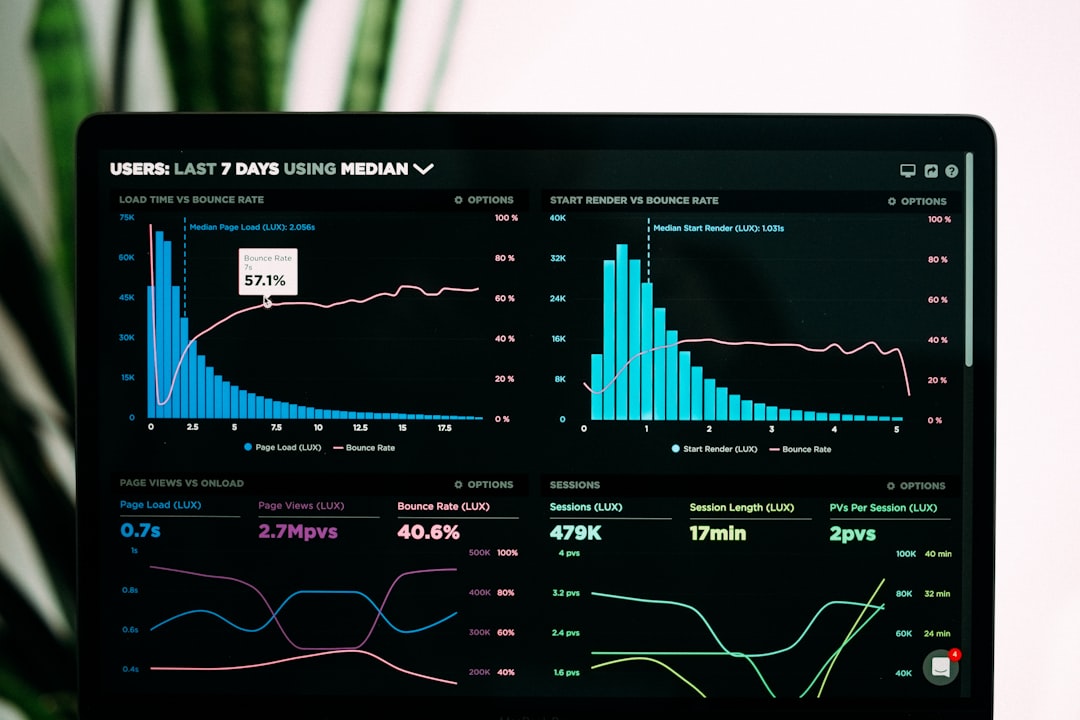
Track five numbers: profile visits, plays, likes, comments, and followers. If 1,200 profile visits bring 96 followers, your profile converts at 8%. That is useful. If a free tool brings 500 followers but no rise in plays, the value is weak.

How to Compare Tools Against Organic Work
Do not judge growth by follower count alone. Use ratios. A healthy account usually shows activity across several signals. A track with 2,000 plays, 180 likes, 35 comments, and 70 reposts looks far better than a profile with 10,000 followers and quiet releases.
Use this basic scoring system:
- Follower quality: Do new followers play your tracks?
- Engagement depth: Do they like, comment, repost, or message you?
- Retention: Do they return for the next release?
- Audience fit: Are they fans of your genre?
- Reputation risk: Could the method make your account look fake?
If a tool fails most of these checks, it is not growth. It is decoration.
Best Recommendation
Use SoundCloud growth tools only for research, scheduling, reporting, and organized outreach. Avoid tools that promise free followers without clear audience quality. They may give you a quick number, but numbers without listeners do not build a music career.
The best alternative is steady audience-building: strong songs, clean branding, real comments, targeted outreach, collaborations, and repeat communication with fans. It is slower. It can feel annoying. But it creates proof that people care, and that proof is worth far more than a padded follower count.