Fitness wearable apps have rapidly evolved from simple step counters to advanced health monitoring platforms capable of delivering up to 91% accurate daily health tracking. By integrating sophisticated sensors, machine learning algorithms, and real-time data analytics, these apps empower users to better understand their bodies and make informed wellness decisions. As healthcare increasingly shifts toward prevention rather than reaction, wearable technology is becoming a central pillar of everyday health management.
TLDR: Fitness wearable apps now achieve up to 91% accuracy in tracking key health metrics such as heart rate, sleep patterns, oxygen levels, and activity. These apps leverage advanced sensors and artificial intelligence to provide real-time, actionable insights. Improved algorithms and continuous calibration have significantly enhanced reliability. As a result, wearable apps are transforming preventive healthcare and personal fitness management.
The modern wearable ecosystem includes smartwatches, fitness bands, rings, and even smart clothing. Paired with mobile applications, these devices translate raw data into meaningful health insights. What makes today’s platforms remarkable is not just the data collection, but the interpretation of that data—turning numbers into personalized recommendations.
The Technology Behind 91% Accuracy
Achieving 91% accuracy in daily health monitoring is not accidental. It stems from advancements in multiple technological areas:
- Photoplethysmography (PPG) Sensors: Measure heart rate and blood oxygen by detecting blood volume changes under the skin.
- Accelerometers and Gyroscopes: Track motion, steps, posture, and physical activity intensity.
- Electrocardiogram (ECG) Sensors: Provide deeper insight into heart rhythm and irregularities.
- Skin Temperature and Galvanic Sensors: Monitor stress and physiological responses.
- Machine Learning Algorithms: Continuously improve accuracy by analyzing behavioral patterns over time.
Machine learning plays a particularly vital role. Rather than relying on static calculations, modern apps learn from user habits. For instance, if a person exercises at varying intensities throughout the week, the algorithm adapts to distinguish between elevated heart rates caused by stress versus exercise.
Core Health Metrics Monitored Daily
Fitness wearable apps typically monitor multiple health indicators simultaneously. This multifaceted approach enhances overall accuracy because data points cross-validate one another.
1. Heart Rate and Cardiovascular Health
Modern wearables monitor:
- Resting heart rate
- Active heart rate zones
- Heart rate variability (HRV)
- Irregular rhythm notifications
With 91% accuracy, users can detect abnormalities early and adjust lifestyle habits before conditions worsen. HRV in particular has become a critical metric in assessing recovery and stress levels.
2. Sleep Tracking
Sleep algorithms analyze movement, breathing rate, and heart rate to estimate:
- Light sleep
- Deep sleep
- REM cycles
- Sleep disturbances
Consistent sleep analysis helps users correlate lifestyle choices—such as caffeine intake or late workouts—with sleep quality outcomes.
3. Activity and Caloric Expenditure
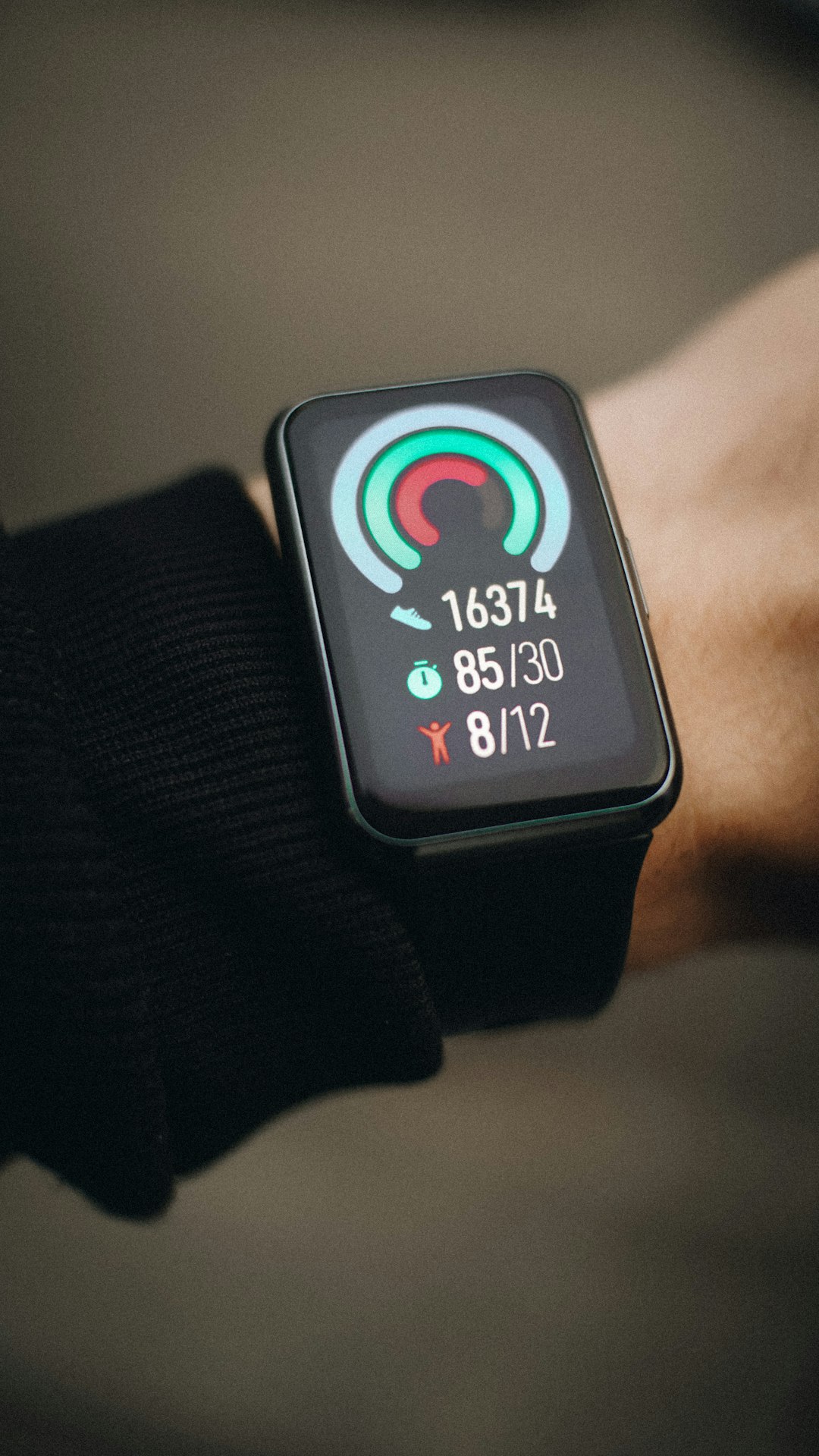
By combining motion sensors with heart rate data, wearable apps provide:
- Step counts
- Distance traveled
- Calories burned
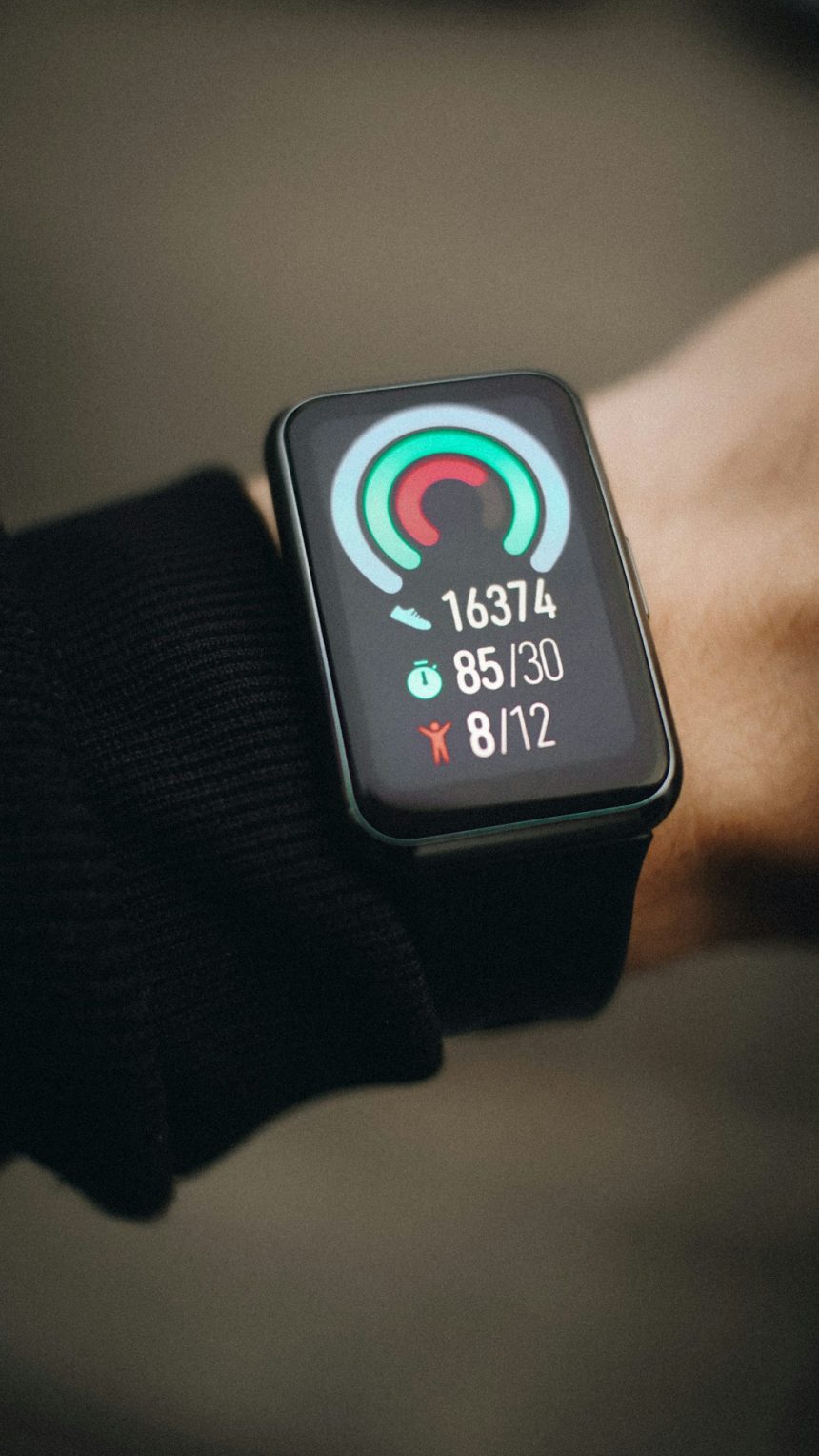
- Active minutes
Increased algorithm precision has reduced overestimation and underestimation errors common in early-generation devices.
4. Blood Oxygen (SpO2)
Blood oxygen monitoring is particularly valuable for athletes, high-altitude travelers, and individuals with respiratory conditions. Continuous or spot-check SpO2 readings add another dimension to daily health evaluation.
5. Stress and Recovery Monitoring
Stress scores derived from HRV and skin conductance provide a broader understanding of daily strain. Combined with sleep and activity data, apps generate recovery recommendations tailored to the individual.

The Role of Artificial Intelligence in Accuracy Improvement
Accuracy levels approaching 91% would not be possible without artificial intelligence (AI). AI supports wearable apps by:
- Filtering noise from raw sensor data
- Identifying behavioral patterns
- Automatically calibrating metrics based on user history
- Providing predictive health alerts
For example, if a device detects consistently elevated resting heart rates combined with poor sleep and increased stress markers, the app may prompt the user to prioritize recovery. Some systems even suggest meditation sessions or lighter workouts to restore balance.
More advanced platforms integrate longitudinal data—meaning months or years of tracking—to improve reliability. Over time, the wearable “learns” the user’s baseline, making anomaly detection far more precise.
Benefits of High-Accuracy Daily Health Monitoring
The leap to 91% accuracy delivers tangible benefits across multiple demographics.
Preventive Healthcare
Early indicators of cardiovascular strain or sleep disorders allow users to seek medical advice before problems escalate.
Enhanced Athletic Performance
Athletes can fine-tune training intensity by monitoring HRV, fatigue levels, and recovery scores.
Chronic Disease Management
Individuals managing diabetes, hypertension, or respiratory conditions benefit from daily trend tracking that complements professional care.
Behavioral Awareness
Perhaps most importantly, users become more conscious of lifestyle choices. Data-driven awareness often leads to:
- Improved diet habits
- More consistent sleep routines
- Increased daily movement
- Reduced stress exposure
Limitations and Realistic Expectations
While 91% accuracy is impressive, wearable apps are not medical-grade diagnostic tools. Factors that may affect measurement reliability include:
- Poor device placement
- Loose wristbands
- Skin tone variations affecting PPG sensors
- Excessive movement during monitoring
- Environmental temperature conditions
Experts recommend viewing wearable data as a guidance system rather than a definitive diagnosis. Medical consultation remains essential for interpreting significant irregularities.

Data Privacy and Security Considerations
As daily health monitoring becomes more precise, concerns around data security grow. Fitness wearable apps often collect sensitive information, including heart rhythm data and sleep behavior patterns.
Reputable platforms address these concerns by implementing:
- End-to-end encryption
- Two-factor authentication
- Secure cloud storage
- User-controlled data sharing options
Consumers are encouraged to review privacy policies carefully and understand how their health data may be used or shared.
The Future of Wearable Health Monitoring
The next wave of wearable innovation aims to exceed 91% accuracy while expanding the range of monitored metrics. Emerging developments include:
- Continuous glucose monitoring without invasive sensors
- Hydration tracking through bioimpedance
- Advanced blood pressure estimation
- Mental health pattern recognition via behavioral analysis
Integration with telemedicine platforms is another promising frontier. Wearable apps may soon transmit real-time health dashboards directly to healthcare providers, enhancing remote consultations and early intervention strategies.
Moreover, the fusion of wearable data with genetic information and lifestyle analytics could usher in an era of truly personalized healthcare—one where individuals receive proactive recommendations tailored to both biological predispositions and daily habits.
Conclusion
Fitness wearable apps have matured into sophisticated health ecosystems capable of supporting 91% accurate daily health monitoring. By combining advanced sensors, intelligent algorithms, and continuous personalization, these tools provide actionable insights that promote preventive care and lifestyle optimization. While not replacements for professional medical evaluation, they serve as powerful companions in the journey toward better health. As technology advances, wearable apps are poised to become even more accurate, integrated, and indispensable in everyday life.
Frequently Asked Questions (FAQ)
1. How accurate are fitness wearable apps compared to medical devices?
Fitness wearable apps can achieve up to 91% accuracy for common metrics like heart rate and activity tracking. However, they are not substitutes for clinical diagnostic equipment and should be used primarily for general wellness monitoring.
2. What factors affect the accuracy of wearable health data?
Accuracy may be influenced by improper device placement, movement during measurement, skin characteristics, environmental conditions, and sensor quality.
3. Can wearable apps detect serious health conditions?
They can identify potential irregularities such as abnormal heart rhythms or prolonged oxygen drops. However, confirmation and diagnosis must be performed by healthcare professionals.
4. Are wearable health apps safe in terms of data privacy?
Most reputable platforms use encryption and secure data storage. Users should still review privacy policies and enable security features like two-factor authentication.
5. Will wearable health monitoring continue to improve?
Yes. Advances in sensor technology, artificial intelligence, and biometric analysis are expected to push accuracy beyond current levels and expand the types of health metrics that can be monitored daily.