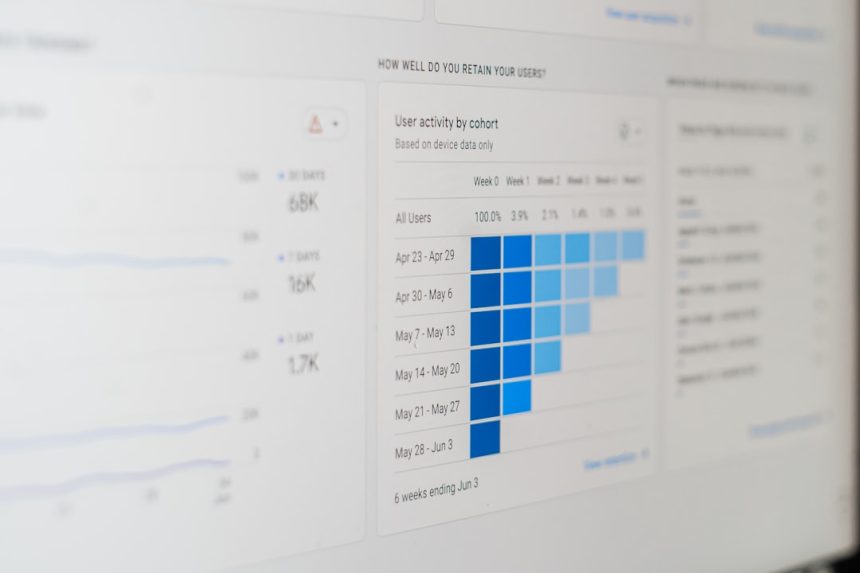
In a world where decisions are driven by dashboards, databases, customer records, product catalogs, maps, models, and analytics pipelines, data has become business infrastructure. When that data is deliberately damaged, distorted, deleted, or polluted, the result is more than a technical inconvenience. It can mislead executives, disrupt operations, harm customers, trigger compliance failures, and erode trust. This is where the concept of data vandalism becomes increasingly important.
TLDR: Data vandalism is the intentional manipulation, deletion, corruption, or pollution of data to cause confusion, damage, or disruption. It can affect public platforms like maps and wikis, as well as private business systems such as CRMs, analytics tools, AI training datasets, and financial databases. The impact can include bad decisions, reputational harm, security risks, legal exposure, and direct financial losses. Businesses can reduce the risk through access controls, monitoring, backups, data validation, and a strong culture of data governance.
What Is Data Vandalism?
Data vandalism is the deliberate act of damaging, altering, falsifying, deleting, or contaminating data in a way that reduces its accuracy, reliability, or usefulness. It is similar to physical vandalism, except the target is not a wall, sign, vehicle, or building. The target is information.
Data vandalism can be obvious, such as deleting an entire customer database or replacing a company’s website content with offensive messages. It can also be subtle, such as changing a few figures in a financial report, inserting fake customer reviews, modifying product specifications, or poisoning an AI model’s training data with misleading examples.
Unlike ordinary data errors, data vandalism involves intent. A mistyped address or duplicate customer record may be a mistake. But a disgruntled employee changing sales numbers before leaving the company, or an attacker uploading fake location data to misdirect users, is data vandalism.
Why Data Vandalism Matters More Than Ever
Modern organizations increasingly operate on automated systems. Pricing engines adjust product prices. Recommendation systems influence what people buy. Navigation systems direct drivers. Fraud detection models approve or block transactions. Inventory software decides when to reorder products. If the underlying data is vandalized, these systems can make poor decisions at high speed and large scale.
The danger is not limited to large enterprises. Small businesses also rely on data for payments, scheduling, marketing, logistics, and customer service. A corrupted booking calendar, altered online menu, fake business listing, or manipulated review profile can quickly translate into lost revenue and customer frustration.
Common Types of Data Vandalism
Data vandalism can take many forms, depending on the attacker’s goal and the system being targeted. Some of the most common types include:
- Data deletion: Removing records, files, tables, or entire databases to disrupt business operations.
- Data alteration: Changing values such as prices, addresses, inventory counts, employee records, or account balances.
- Data pollution: Adding false, irrelevant, or misleading data to reduce the quality of a dataset.
- Content defacement: Replacing legitimate website, wiki, or platform content with false, offensive, or embarrassing material.
- Metadata manipulation: Changing timestamps, authorship records, geotags, labels, or classifications to misrepresent context.
- Model poisoning: Injecting deceptive data into machine learning training sets to influence how an AI system behaves.
- Review and rating manipulation: Posting fake negative or positive reviews to distort public perception.
These attacks may be carried out by external hackers, competitors, online trolls, activists, insiders, contractors, or even automated bots. In many cases, the goal is not to steal data, but to make the data untrustworthy.
Real-World Examples of Data Vandalism
1. Map and Location Data Manipulation
Digital maps depend on accurate data about roads, businesses, landmarks, traffic patterns, and addresses. When that information is vandalized, the consequences can range from minor confusion to serious safety risks.
For example, public mapping platforms have occasionally suffered from false edits, including fake business names, incorrect road closures, misleading place labels, and offensive changes to geographic locations. A prank edit may seem harmless, but if a delivery driver, emergency responder, tourist, or customer relies on that map, the impact becomes real.
Businesses can also suffer when their listings are changed without permission. A restaurant’s opening hours may be altered, a phone number may be replaced, or a location may be marked as permanently closed. Even if corrected quickly, the business may lose calls, reservations, foot traffic, and customer confidence.
2. Wiki and Public Knowledge Platform Vandalism
Publicly editable platforms are frequent targets of data vandalism. Entries about companies, public figures, scientific topics, or historical events may be altered to include false claims, jokes, insults, or biased narratives.
This kind of vandalism is often visible, but not always immediately detected. If inaccurate information remains online long enough, it may be copied by other websites, indexed by search engines, quoted in reports, or used to train AI systems. In that way, one act of vandalism can spread across the digital information ecosystem.
Organizations mentioned on public knowledge sites should monitor their presence carefully. While they cannot and should not control independent editorial platforms, they do need to know when incorrect or malicious changes could damage their reputation.
3. Insider Manipulation of Business Records
One of the most damaging forms of data vandalism comes from insiders. Employees, contractors, or partners often have legitimate access to systems, which makes their actions harder to detect.
A disgruntled employee might alter customer contact details, delete project documentation, change supplier records, or corrupt sales pipeline data before leaving. A staff member involved in fraud might manipulate invoice records or inventory counts to hide theft. A contractor might damage a database after a payment dispute.
Because insiders understand business processes, they may know exactly which data changes will cause the greatest disruption while appearing accidental. This makes audit trails, role-based permissions, and offboarding procedures essential.
4. Fake Reviews and Reputation Attacks
Review platforms are a form of business data. Ratings, comments, and customer feedback influence purchasing decisions, search rankings, and brand perception. When fake reviews are posted to harm or artificially boost a business, this can be considered a form of data vandalism.
A competitor may post negative reviews to lower a company’s rating. A group of angry users may coordinate a review bombing campaign after a controversial decision. Bots may flood a product page with misleading feedback. In each case, the review dataset no longer reflects genuine customer experience.
The business impact can be severe. A drop from 4.6 stars to 3.8 stars may reduce conversions, especially in industries such as hospitality, local services, healthcare, restaurants, and ecommerce. Even when fake reviews are removed, the damage may linger in screenshots, social posts, and customer memory.
5. AI Training Data Poisoning
As businesses adopt artificial intelligence, a newer form of data vandalism has emerged: training data poisoning. This happens when attackers intentionally introduce misleading, biased, or malicious examples into the data used to train or fine-tune machine learning models.
For instance, if an image recognition system is trained with mislabeled images, it may learn incorrect classifications. If a fraud detection model is fed manipulated transaction examples, it may become worse at identifying real fraud. If a chatbot learns from vandalized content, it may produce inaccurate, offensive, or unsafe responses.
This form of vandalism is especially concerning because the damage may not be obvious at first. The model may appear to work normally until it encounters specific inputs that trigger poor behavior. For companies using AI in finance, healthcare, hiring, legal review, or cybersecurity, the risks are significant.
Business Impact of Data Vandalism
The effects of data vandalism can be broad and costly. While the exact impact depends on the type of data affected, several consequences are common across industries.
Operational Disruption
Bad data can bring routine operations to a halt. If inventory numbers are changed, a retailer may oversell products or fail to reorder stock. If shipping addresses are corrupted, packages may go to the wrong locations. If staff schedules are deleted, managers may scramble to cover shifts. Data vandalism turns normal workflows into crisis management.
Financial Loss
The financial impact can include lost sales, recovery costs, legal fees, compensation to customers, overtime for employees, and increased cybersecurity spending. In some cases, vandalized data can also lead to incorrect invoices, payment errors, tax reporting problems, or poor investment decisions.
Reputational Damage
Trust is difficult to build and easy to lose. If customers see incorrect account information, offensive website content, fake listings, or inconsistent service, they may question whether the company is competent and secure. Even if the business is a victim, customers may still blame it for failing to protect its systems.
Compliance and Legal Risk
Many industries are subject to strict rules about data accuracy, retention, privacy, and reporting. Vandalized records can create compliance problems, especially in healthcare, finance, insurance, education, and government contracting. If a business cannot prove what happened, when it happened, and how records were restored, regulators may view the incident as a governance failure.
Poor Strategic Decisions
Executives rely on reports and analytics to make decisions. If the data behind those reports has been manipulated, leadership may invest in the wrong markets, discontinue profitable products, misread customer behavior, or misallocate budgets. In this sense, data vandalism can quietly distort the future direction of a company.
How Businesses Can Prevent Data Vandalism
No organization can eliminate all risk, but strong controls can make data vandalism harder to commit and easier to detect. Effective prevention usually combines technology, process, and culture.
- Limit access: Use role-based permissions so employees only access the data they truly need.
- Enable audit logs: Track who changed what, when, and from where.
- Use backups and version history: Maintain recoverable copies of important data and documents.
- Validate data inputs: Use rules, approvals, and automated checks to detect suspicious changes.
- Monitor anomalies: Watch for unusual deletion patterns, mass edits, unexpected exports, or strange account behavior.
- Strengthen offboarding: Remove access immediately when employees or contractors leave.
- Protect public profiles: Claim and monitor business listings, review pages, and public knowledge entries.
- Secure AI datasets: Verify data sources, document dataset changes, and test models for unexpected behavior.
Businesses should also create a clear incident response plan. When data vandalism is suspected, teams need to know how to preserve evidence, stop further damage, restore accurate data, notify stakeholders, and learn from the event.
Data Vandalism Versus Data Breach
Data vandalism is often confused with a data breach, but they are not the same. A data breach usually involves unauthorized access to confidential information, often with the goal of stealing or exposing it. Data vandalism, by contrast, focuses on damaging the integrity of data.
However, the two can overlap. An attacker may break into a system, steal customer records, and then alter or delete the database. In cybersecurity terms, data vandalism is primarily an attack on integrity, one of the three pillars of information security, alongside confidentiality and availability.
The Growing Importance of Data Integrity
As organizations become more data-driven, data integrity becomes a competitive advantage. Reliable data helps businesses move faster, serve customers better, comply with regulations, and use automation safely. Unreliable data does the opposite. It slows teams down, creates doubt, and forces people to verify information manually.
The rise of AI makes this even more urgent. AI systems do not magically know whether their source data is truthful. They learn patterns from what they are given. If those inputs are vandalized, incomplete, or manipulated, the outputs can become unreliable as well.
Final Thoughts
Data vandalism is not just a technical problem for IT teams. It is a business risk that affects operations, reputation, compliance, customer experience, and strategic decision-making. Whether it appears as a fake map listing, a corrupted database, a manipulated dashboard, a review bombing campaign, or poisoned AI training data, the core issue is the same: someone has attacked the trustworthiness of information.
The best defense is a proactive approach. Organizations need clear ownership of critical data, strong access controls, automated monitoring, reliable backups, and a culture that treats data quality as a shared responsibility. In an economy built on information, protecting data from vandalism is not optional. It is essential to protecting the business itself.