Bitly is the best all-round link shortener for most marketing teams, Rebrandly is strongest for branded links at scale, and Short.io is the better pick when you need smart routing and team-friendly controls. Bitly also reports over 10 billion monthly clicks and scans, which explains why many teams trust it for high-volume campaigns [source: Bitly].
TLDR: Pick Bitly if you want clean analytics, QR codes, and a tool your team can learn fast. Choose Rebrandly if brand trust matters most, such as turning bit.ly/sale into go.yourbrand.com/sale. Use Short.io if you run location-based campaigns, like sending 60% of U.S. clicks to one landing page and EU clicks to another. For most small marketing teams, Bitly wins by being simple, polished, and hard to mess up.
Quick verdict
- Best for most marketers: Bitly
- Best for branded short links: Rebrandly
- Best for advanced routing: Short.io
- Best for agencies: Rebrandly or Short.io
- Best for beginners: Bitly
A good link shortener does more than make links pretty. It tracks clicks. It shows where traffic comes from. It helps with UTM tags. It makes links easier to share in ads, emails, SMS, podcasts, print, and social posts.
Bitly: the safest choice for most campaigns
Bitly is the name most people know. That matters. A short link only works if people trust it enough to click.
The platform is clean and quick. You can shorten a link, add a custom back half, create a QR code, and check results without hunting through too many menus. That sounds basic, but it saves time when you are launching five ads before lunch.
Bitly is especially useful for:
- Social media campaigns
- Email marketing
- QR code tracking
- Influencer links
- Simple campaign reports
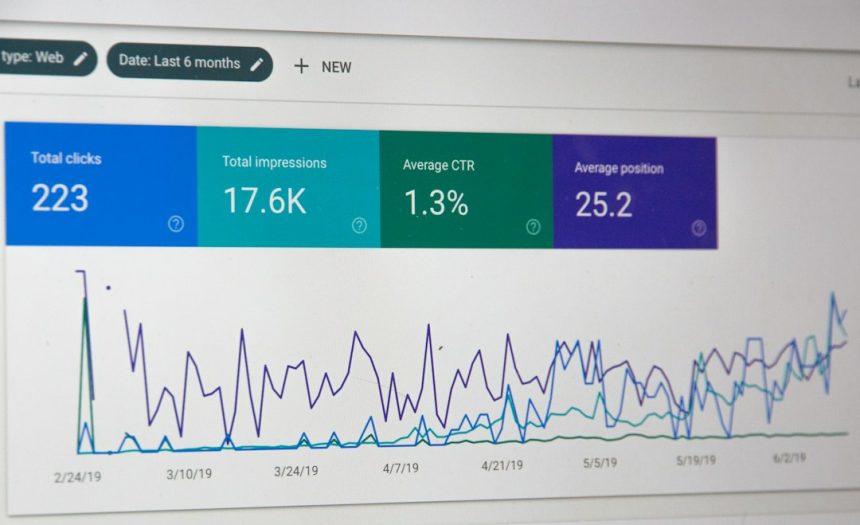
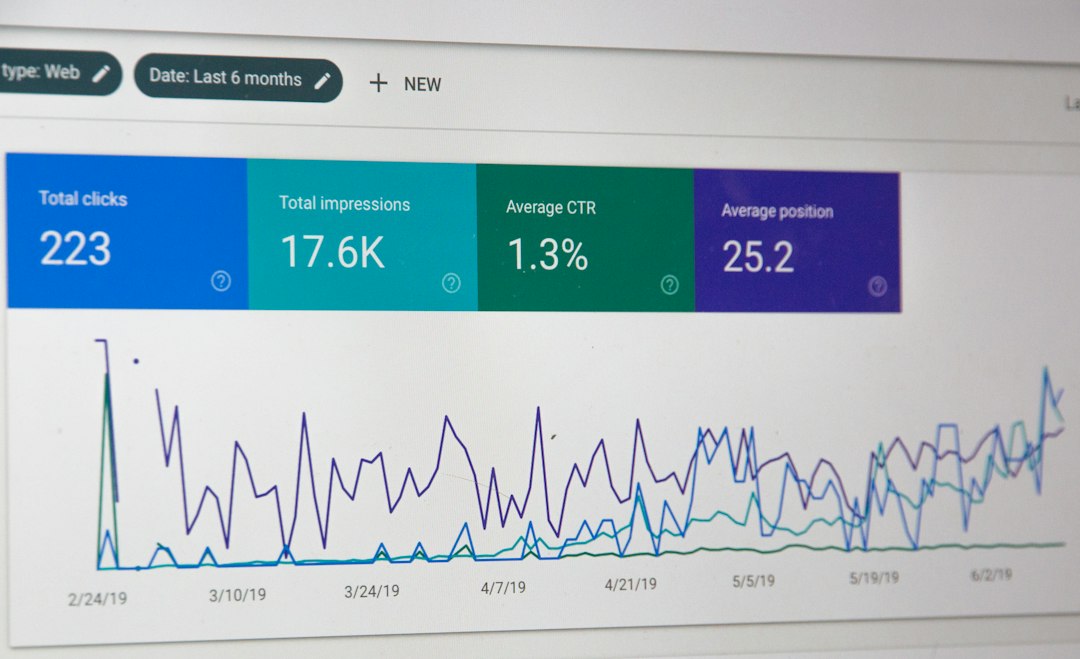
The analytics are easy to read. You can see clicks over time, referrers, locations, and device data. That is enough for many teams. If a LinkedIn post gets 1,200 clicks and an email footer gets 37, you know where to spend more energy.
The annoying part? Some features sit behind paid plans, and branded domains can feel limited if you are managing many brands. Bitly wants you to upgrade quickly. Not shocking, but still a bit irritating when all you need is one extra domain.
Rebrandly: best when brand trust matters
Rebrandly is built around branded links. That is its main appeal. Instead of using a generic short domain, you can create links like offers.yourbrand.com/demo or go.yourbrand.com/webinar.
This helps with trust. It also makes links easier to remember. A branded link looks better in a sales email, podcast script, YouTube description, or printed flyer.
Rebrandly is a strong fit for:
- Agencies handling many clients
- Companies with several domains
- Brands that care about link appearance
- Sales teams sharing trackable links
- Affiliate and partner campaigns
Its link management tools are strong. You can organize links by domain, workspace, campaign, or teammate. That is helpful once your link count grows from 50 to 5,000.
The analytics are solid too. You get click data, geography, devices, and traffic sources. It also connects with common marketing tools through integrations and API access.
Image not found in postmetaWhere Rebrandly can feel less friendly is the first setup. Custom domains, DNS records, workspaces, and permissions take a little patience. Expect to waste time on setup if you have never pointed a domain before. It is not hard, but it is not as instant as Bitly.
Short.io: best for smart routing and flexible rules
Short.io is the tool I would pick for marketers who need more control over where clicks go. It is very good at link routing.
You can send visitors to different pages based on country, device, operating system, or time. That is useful for app campaigns. iPhone users can go to the App Store. Android users can go to Google Play. Desktop users can go to a product page.
Short.io is useful for:
- Geo-targeted campaigns
- App download links
- Regional landing pages
- A/B testing simple link paths
- Teams that need roles and permissions
It also supports branded domains, link expiration, password-protected links, and bulk link creation. These features are great for agencies, SaaS companies, and growth teams.
The interface is not ugly, but it is less polished than Bitly. Some actions take a few more clicks than they should. Honestly, it feels like a power tool that expects you to already know what you want.
Which one has the best analytics?
Bitly has the easiest analytics for everyday use. It is clear and fast. You can hand a report to a manager and they will understand it.
Rebrandly is better when analytics need to be tied to branded domains, teams, and client accounts.
Short.io wins when analytics are part of a routing plan. For example, you can compare how Canadian mobile users behave versus U.S. desktop users.
Best choice by marketing goal
- You need a simple shortener: Bitly
- You want branded links everywhere: Rebrandly
- You run global campaigns: Short.io
- You manage client links: Rebrandly
- You need QR codes often: Bitly
- You need device or country redirects: Short.io

Final recommendation
If you are unsure, start with Bitly. It is quick, familiar, and strong enough for most campaigns. If your team cares deeply about brand control, move to Rebrandly. If your campaigns need rules, redirects, and regional targeting, choose Short.io.
The best link shortener is not the one with the longest feature list. It is the one your team will actually use every week. For most marketers, that means fast link creation, clear analytics, branded options, and no drama when a campaign is already late.