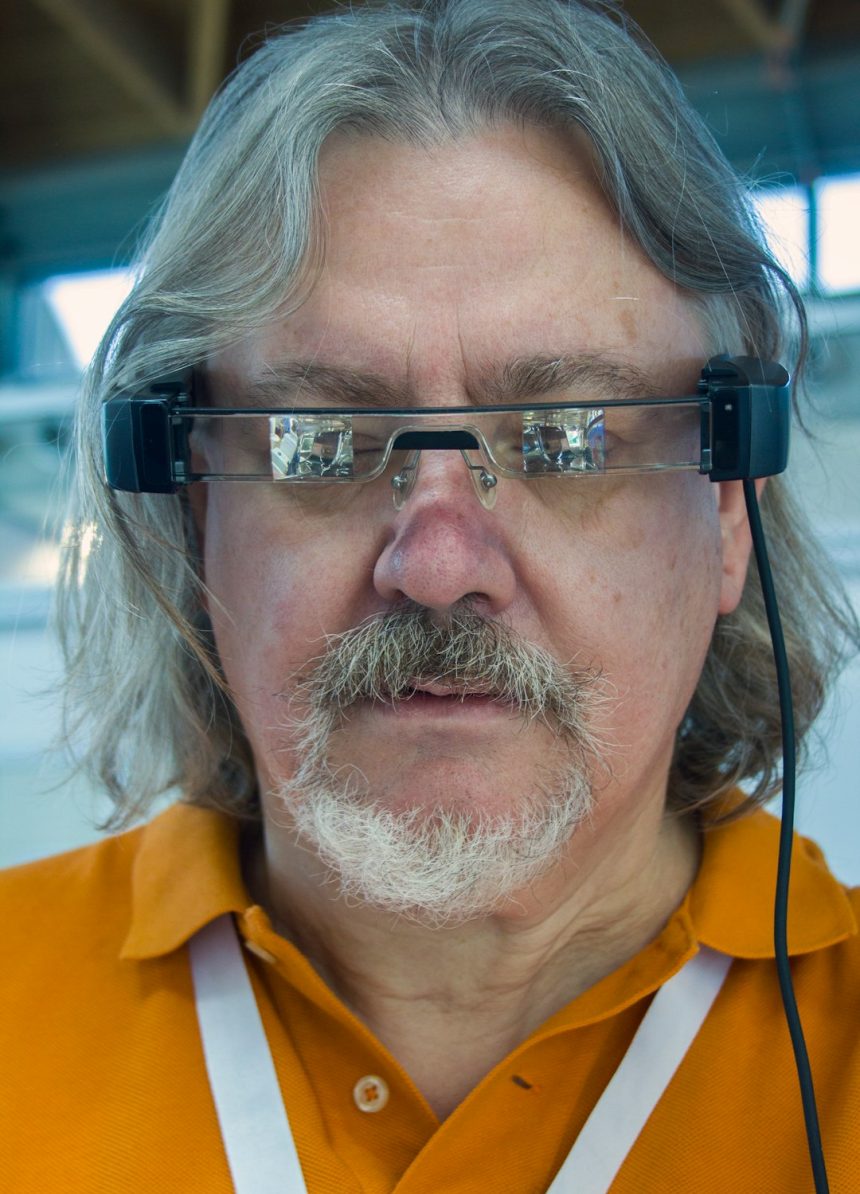
Imagine building something amazing without ever picking up a hammer. That sounds like science fiction, right? Well, thanks to Augmented Reality (AR) and Virtual Reality (VR), it’s becoming science fact. Welcome to the world of Digital Assembly, where workspaces are more immersive and interactive than ever before.
TL;DR: Immersive technologies like AR and VR are changing how we build things, train employees, and work together. In digital assembly environments, people can work in 3D spaces using smart glasses or VR headsets. Mistakes go down and productivity goes up. It’s like having superpowers on the job site.
What is Digital Assembly?
Digital Assembly is the idea of using digital tools to build physical things. Instead of working with paper instructions, workers might wear AR glasses that show them what to do step-by-step. Or use VR to practice a complex task before doing the real thing. It blends the digital and physical world.
This isn’t just cool tech for gamers. It’s making real changes in industries such as:
- Manufacturing
- Automotive
- Aerospace
- Healthcare
With AR and VR, tasks become faster, safer, and easier. Let’s see how it works.
Augmented Reality (AR): Like a Digital Helper
When you wear AR glasses, you still see the real world—but with digital extras. Think of it like Iron Man’s helmet, showing glowing instructions in front of your eyes. In the workplace, AR can:
- Guide you through complex tasks
- Show alerts before a mistake happens
- Connect you to an expert who sees what you see
With AR, workers don’t need to look at manuals. The instructions appear right where they need them. It’s like having a teacher on your glasses.
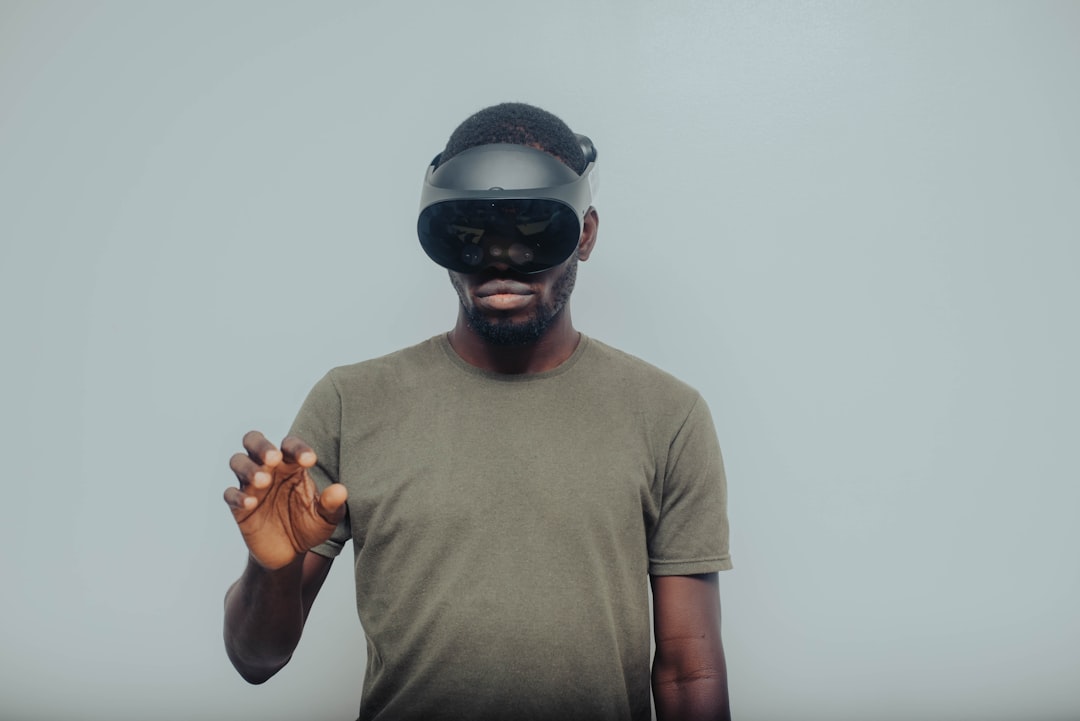
Virtual Reality (VR): Full Immersion
VR is a step deeper. You wear a headset and step into a virtual world. It may look like a car engine, a factory floor, or even outer space. VR is perfect for:
- Training new employees
- Testing assembly lines before they exist
- Experimenting with product designs
Because it’s a simulation, users can try risky or new things without real-world danger. If you break something in VR, it’s just pixels!
How Immersive Workplaces Are Built
Creating these digital experiences takes teamwork. Engineers, designers, developers, and trainers come together. Here’s what they work on:
- 3D Scanning: Digitizing the real environment.
- Software: Creating apps to show data and instructions.
- Hardware: Choosing the right AR glasses and VR headsets.
- Testing: Making sure everything works in real-world conditions.
The goal is to make tools that are helpful, accurate, and easy to use.
Benefits of AR and VR in the Workplace
Why are companies investing in these tools? Because they bring real benefits.
- Safety: Train in VR to avoid real-world risks.
- Speed: Digital instructions speed up every task.
- Accuracy: AR reduces human mistakes.
- Remote Support: Experts can help from anywhere.
Imagine a technician in Germany helping a worker in Brazil, instantly. Just by seeing what they see through AR.
Cool Real-World Examples
This isn’t just theory — let’s look at where it’s happening now.
Boeing
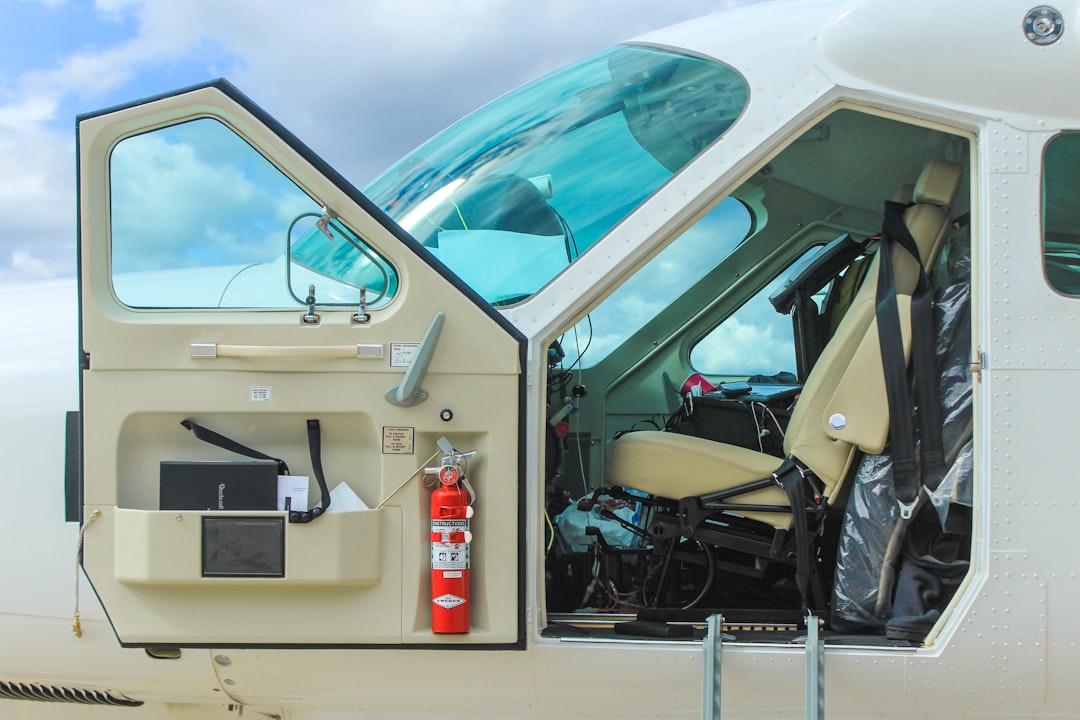
Boeing uses AR glasses to help workers wire airplanes. It used to take days. Now it takes hours. The glasses show where each wire goes—no paper needed.
BMW
BMW uses VR to design cars. Teams around the world can “walk around” a new model before it’s ever made. That saves a lot of time and money.
Mayo Clinic
Doctors at Mayo Clinic train with VR to practice surgeries. It’s like a video game—one that can save lives!
The Workspaces of the Future
Digital assembly is just the beginning. Future workplaces will be part-digital, part-physical. You might work in a virtual office. Or use AR to talk to a teammate who lives on the other side of the planet.
Machines and people will collaborate more. Smart tools will adapt to the user. Training might become like playing a game, but with real skills.
Some predictions for the next 10 years:
- Every worker gets AR goggles like they get a safety helmet.
- New employees complete full VR onboarding before stepping on the floor.
- Digital twins of factories are used for every decision.
The more immersive the tools, the more flexible—and powerful—the workforce becomes.
Challenges to Tackle
This all sounds amazing, but there are still some bumps in the road:
- Cost: High-tech gear and software can be expensive.
- Training: Not everyone is tech-savvy at the start.
- Connectivity: Fast and stable internet is a must.
- Fatigue: Wearing headsets for hours can be tiring.
Companies need to plan carefully. They must make sure these tools help, not frustrate, their teams. That’s the key to good digital assembly.
How to Get Started
If you’re a business thinking about immersive tech, here’s a simple roadmap:
- Start small. Try a pilot project in one department.
- Get feedback. Ask workers what they like or find hard.
- Pick the right hardware. Not too bulky or confusing.
- Train everyone. Make it fun. Maybe even gamified.
- Scale when ready.
You don’t need to become Iron Man overnight. But each small step brings your team closer to the workspace of tomorrow.
Conclusion: A New Way to Work
Digital Assembly in AR and VR is more than just tech wizardry—it’s a way to make work safer, smarter, and more exciting. Workers can learn faster, collaborate better, and feel more confident in what they do.
As this technology grows, we’ll see fewer paper instructions, fewer mistakes, and more digital guidance. Eventually, immersive tools will be as normal as a wrench or a laptop. The future is not just coming—it’s being built in digital space right now.
So grab your headset. Your new office might not have walls.