Breaking into the world of concept art is both an exciting and challenging journey. With the entertainment industry expanding rapidly—covering games, film, animation, and more—concept artists are in demand more than ever before. But with rising competition, simply having technical skills is no longer enough. A compelling, expert-level portfolio is the golden ticket to standing out and landing coveted roles in top studios.
TL;DR:
A successful concept art portfolio is built on more than just beautiful images. It should show versatility, creative problem-solving, and professional-level polish. Focus on quality over quantity, tailor your portfolio to your target industry, and always be evolving your work. Portfolios aren’t just about what you can draw—they’re about how you think and solve visual problems creatively.
1. Focus on Quality Over Quantity
One of the most common mistakes aspiring concept artists make is stuffing their portfolio with every piece they’ve ever created. This often dilutes the impact of your strong pieces and makes it harder for art directors or recruiters to recognize your strengths.
It’s far more impressive to show 6-8 excellent pieces than 20 mediocre ones. Every project you include should serve a purpose—whether it’s demonstrating your design abilities, storytelling skills, or understanding of anatomy and perspective.
To ensure your work stands out:
- Only include finished, fully-rendered pieces.
- Avoid repetitive themes or approaches—variety is key.
- Don’t include fan art unless it clearly showcases original design work or problem-solving.
Conduct regular audits of your portfolio. Be ruthless in removing older pieces that no longer reflect your current skill level. Remember, your portfolio is only as strong as your weakest piece.
2. Demonstrate Design Thinking
Concept art isn’t just about illustration—it’s visual problem-solving. As a concept artist, you’re expected to create characters, environments, and props that meet specific design goals. Showing your creative thought process is just as important as displaying the final product.
Include design iterations, sketches, and functional explanations in your portfolio. Show the evolution of your ideas and explain why you made certain decisions.
Consider adding a few pages dedicated to:
- Visual development sketches exploring multiple versions of a character or vehicle.
- Annotated breakdowns showing material choices, wear and tear, or storytelling details.
- Shape language studies or silhouette explorations to show your design awareness.
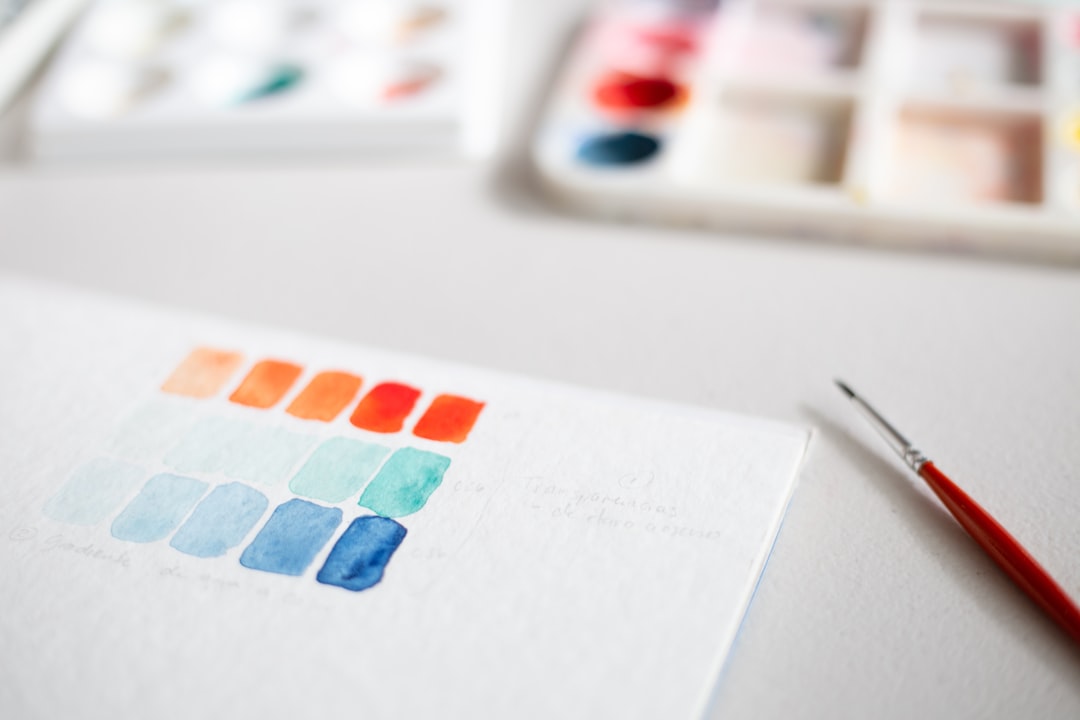
If you’re unsure how to present your creative process, study portfolios from professional concept artists in studios like Riot Games, Blizzard, or Naughty Dog. Take notes on how they present their thought journey alongside the visuals.
3. Tailor Your Portfolio to Your Target Role
Whether you want to work in film, AAA game development, animation, or indie production, each industry has specific needs and expectations. Your portfolio should reflect the environment you’re aiming to enter.
For example:
- Film often requires more realistic designs and polished renders.
- Games place a high value on modular designs, variations, and turnarounds.
- Animation studios look for stylized work and strong line drawing capabilities.
Research your dream studios. Look at the art styles they commonly use and study the portfolios of their current or former artists. Then, shape your body of work accordingly. Customizing your portfolio to suit industry expectations shows professionalism and strategic thinking.
4. Create a Clear, Easy-to-Navigate Presentation
No matter how skilled you are, poor presentation can undermine your portfolio. Recruiters and art directors are busy people—they want to see your best work quickly and clearly. Your online portfolio or art station page should be simple, professional, and visually organized.
Key pointers for layout and presentation:
- Feature your strongest piece first—make a bold first impression.
- Group related works together (e.g., characters vs. environments vs. props).
- Use clean backgrounds and avoid cluttered compositions.
- Ensure your site is mobile-friendly and loads quickly.
Additionally, consider including a downloadable PDF version of your portfolio or a reel for easy sharing. And don’t forget a concise, professionally written “About” section with your contact information and links to social media or art platforms.
5. Keep Evolving—Stay Sharp and Current
The concept art field evolves rapidly. New tools, techniques, and industry trends emerge constantly. A stale portfolio can signal that you’re not actively growing—which can be a red flag for employers.
Demonstrate that you’re committed to your craft by actively updating your portfolio every few months. Participate in art challenges, collaborate on indie projects, or contribute to community redesigns. Always seek feedback from fellow artists or mentors and make revisions accordingly.
Other ways to stay current:
- Follow leading concept artists and studios to monitor visual trends.
- Experiment with new software (e.g., Blender, ZBrush, 3DCoat, AI-assisted tools).
- Take courses or attend workshops to improve weaker areas.
Ultimately, be proud of your progress, but never complacent. A great portfolio isn’t static—it’s a living reflection of your evolving skill set and artistic sensibility.
Conclusion
Becoming a successful concept artist is about more than technical skill—it’s about demonstrating vision, professional maturity, and adaptability. Your portfolio is your ambassador, the silent pitch that can open doors and land you interviews. By focusing on quality, showing your creative process, tailoring your work to your chosen industry, presenting it professionally, and evolving steadily over time, you’ll place yourself miles ahead of the competition.
So, take these tips seriously. Audit your current portfolio, make tough cuts, and rebuild it with intent. Let every piece silently shout: “I am ready for the industry.”