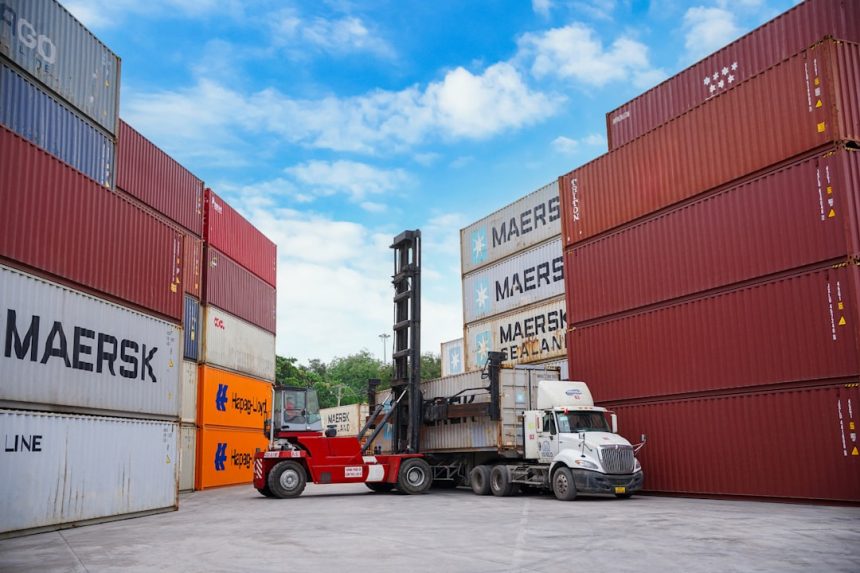
For years, oversized product sellers on e-commerce platforms like Amazon, eBay, and their own DTC websites faced a major barrier that was as logistical as it was financial: limited shipping options. Traditional carriers made it difficult—or prohibitively expensive—to fulfill orders for products that didn’t fit into standard carriers’ dimensional guidelines. However, innovative entrepreneurs and shipping strategists have developed successful methods for overcoming these challenges—and the e-commerce landscape will never be the same again.
TLDR:
Sellers of oversized products faced high shipping costs, damaged items, and long delivery times due to limited carrier options. By partnering with white-glove freight services, using LTL (Less Than Truckload) solutions, regional carriers, and investing strategically in multi-node fulfillment networks, they found ways to optimize delivery without sacrificing customer satisfaction. Technology played a major role in automating shipping quotes and routing decisions. These combined strategies now give oversized product sellers the ability to scale more sustainably and competitively.
Understanding the Oversized Shipping Challenge
Oversized products—typically defined as any item exceeding weight or size thresholds set by common carriers—can include anything from furniture and fitness equipment to lawnmowers and kayaks. Carriers such as FedEx and UPS have clear dimensional maximums, and anything beyond those faces either automatic shipping rejections or astronomical surcharges.
Some of the core challenges of shipping oversized products are:
- Price volatility: Unpredictable fuel and accessorial fees can more than double shipping costs.
- High damage rates: Oversized items shuffled through standard networks have higher incident rates.
- Limited carrier availability: Fewer logistics providers are willing or equipped to handle large freight.
- Poor tracking and delivery experience: Customers often receive vague time windows or no real-time updates.
Unsurprisingly, these complications led to cart abandonment, negative reviews, and low margins. But for sellers who crack the code? The reward is huge—oversized goods are high-ticket items that generate significant revenue per sale.
1. Leveraging LTL Freight as the Backbone of Oversized Shipping
One of the first strategies sellers adopted was leveraging LTL (Less Than Truckload) freight networks. Rather than paying for a dedicated truck, LTL allows sellers to book space on trucks shared by multiple shippers.
This model suits oversized items well, especially for goods that are heavy but don’t fill a truck. Key advantages include:
- Lower shipping cost per unit compared to full truckload (FTL) services.
- Broader coverage across states without relying entirely on national carriers.
- Better handling and packaging options through palletized shipping.
However, LTL requires skill in routing, consolidation, and synchronizing pickups. To mitigate these complexities, many sellers formed partnerships with freight brokers or third-party logistics (3PL) firms that specialize in LTL optimization and offer centralized dashboards to manage routes, rates, and documentation.
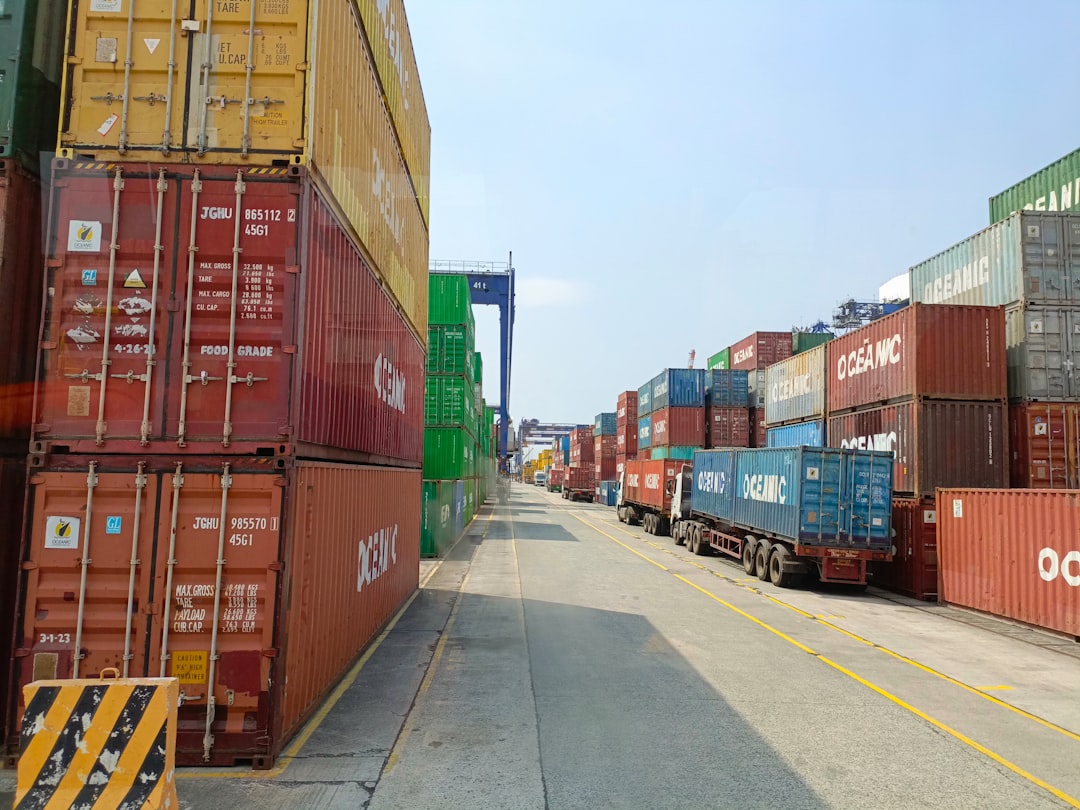
2. Regional Carriers: The Unsung Heroes
Another strategic move involved tapping into a network of regional last-mile carriers. Unlike national couriers bound by strict dimensional criteria, many of these smaller logistics firms cater specifically to oversized, atypical deliveries.
Regional carriers offer advantages such as:
- Shorter delivery times due to geographic specialization.
- White-glove delivery options, including in-home setup or debris removal.
- Better customer experience, especially for high-end products like furniture or appliances.
Managing relationships with several regional partners does introduce AM complexity. Here, technology played a pivotal role— platforms like Freightos, ShipHawk, and Kuebix enabled sellers to input package dimensions, weight, and destination and receive instant multi-carrier quotes. Smart routing AI automatically selects the most cost-effective and reliable delivery method.
3. Multi-Node Fulfillment and Distributed Inventory
When shipping oversized products across vast territories, one of the best strategies is bringing inventory closer to customers. Sellers began adopting a multi-node fulfillment approach, positioning stock at warehouses strategically located throughout the country.
By leveraging warehouse networks either through 3PLs or owned facilities, sellers managed to:
- Reduce shipping zones, leading to lower fees and faster transit times.
- Avoid long-haul cross-country shipping that amplifies risk of damage.
- Improve in-transit performance, including better ETA reliability.
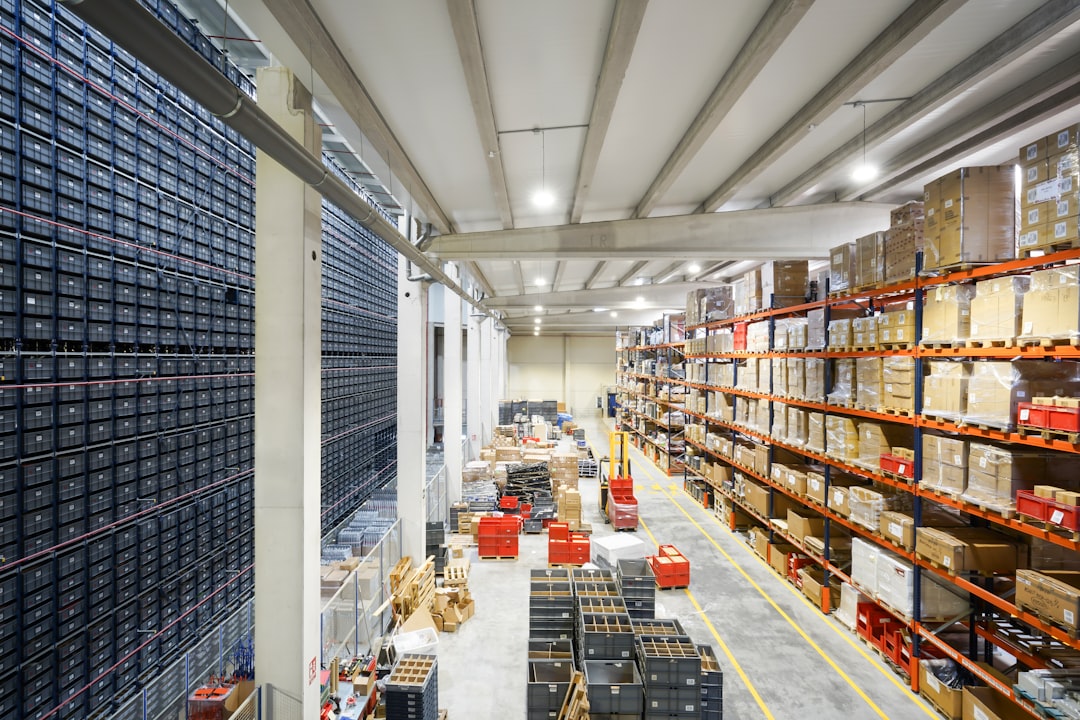
This approach did require investment in inventory forecasting, analytics, and WMS (warehouse management systems). However, by combining distributed fulfillment with regional carrier networks, sellers optimized efficiency at every touchpoint of the fulfillment chain.
4. Partner-Integrated Delivery Experience
The customer experience for oversized items used to suffer due to third-party logistics disconnects. Traditional e-commerce platforms don’t provide fine-grained control for setting up delivery scheduling, assembly, or removal services.
Sellers not only upgraded their backend logistics—but started providing White Glove Delivery and Scheduled Deliveries by deeply integrating their TMS (transportation management system) with front-end checkout features.
Now, customers could:
- Select a preferred delivery date and time window.
- Request two-person delivery teams for handling and in-home placement.
- Receive automated SMS/text updates throughout the delivery process.
This elevated the fulfillment experience to rival big-box retailers, increasing customer trust, retention, and word-of-mouth referrals.
5. Data-Driven Optimization
Savvy sellers began treating shipping not just as a cost center but a performance lever. By carefully analyzing historical shipping data, dimensional weight trends, and customer feedback, they found opportunities to:
- Re-engineer packaging to reduce dimensional surcharges.
- Group products logically for consolidated shipments.
- Negotiate volume-based contracts with preferred carriers.
Some platforms also used predictive algorithms to simulate various delivery scenarios and dynamically adjust the shipping cost displayed at checkout—a feature that greatly improved conversion rates without shrinking margins.
6. The Role of 4PLs and Full-Service Logistics Partners
Finally, a growing number of large-scale sellers turned to Fourth-Party Logistics (4PL) providers. These integrators take full control over inventory positioning, carrier management, tracking, and even returns processing for oversized products.
It’s a plug-and-play model for those scaling fast—but one that was traditionally inaccessible due to cost. Fortunately, newer tech-enabled 4PL providers tailored solutions that catered to mid-size and growing sellers, democratizing access to this all-in-one logistics competency.
Conclusion
The “limited shipping options” issue for oversized products isn’t fully gone—but the sellers who succeeded didn’t wait for logistics giants to change the rules. They rewrote the playbook by adapting to freight realities with layered strategies: from smarter packaging and regional routing to investing in data analytics and hybrid fulfillment models.
As customer expectations rise, and e-commerce competition increases, these innovations have become the gold standard—not just stop-gap fixes. Any seller looking to enter or expand in the oversized category must now take these strategic lessons seriously. Because in the world of big boxes, your delivery can make or break the business.