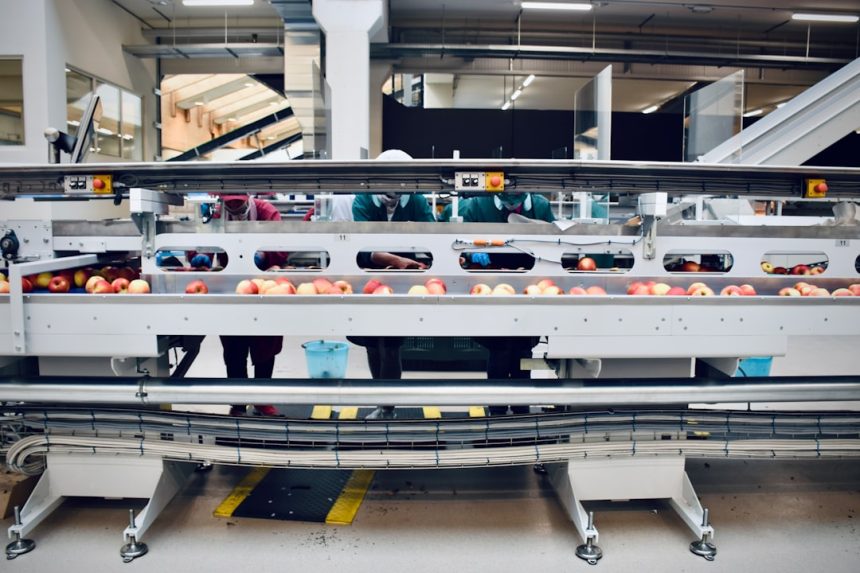
Sortly is the best fit for simple physical counts, Fishbowl is stronger for manufacturing and QuickBooks-heavy teams, and Zoho Inventory suits small sellers that need order and stock control in one place. Barcode scanning is no longer a “nice extra” for warehouse accuracy; GS1 says barcodes support fast product identification across retail, logistics, and supply chains [source: GS1]. The right platform depends on count volume, warehouse layout, user skill, and how much control you need over purchasing, lots, serials, and reorder points.
TLDR: If your team counts fewer than 5,000 SKUs and wants quick setup, Sortly is the easiest choice. If you run assemblies, parts, and warehouse workflows, Fishbowl is better built for that pressure. If you sell across Shopify, Amazon, or direct sales, Zoho Inventory gives a cleaner sales-to-stock flow. For example, a 12-person parts room doing monthly cycle counts could cut a 2-day manual count to one long shift if barcode labels and mobile scans replace spreadsheet entry.
Quick comparison of 8 physical inventory platforms
| Platform | Best for | Barcode strength | Main concern |
|---|---|---|---|
| Sortly | Small teams and asset counts | Simple mobile scanning | Limited deep warehouse controls |
| Fishbowl | Manufacturing and QuickBooks users | Strong barcode workflows | Setup can feel heavy |
| Zoho Inventory | Small ecommerce sellers | Good for sales-driven stock | Not ideal for complex warehouses |
| inFlow | Wholesale and distribution | Solid scanner support | Advanced reporting can take tuning |
| Cin7 Core | Multichannel inventory | Good with warehouse modules | Costs rise with complexity |
| Finale Inventory | High-volume ecommerce | Strong barcode and batch tools | Interface feels dense at first |
| NetSuite Inventory Management | Mid-market and enterprise firms | Very strong with WMS add-ons | Expensive and implementation-heavy |
| Katana | Small manufacturers | Good for production stock | Less focused on pure warehouse counts |
1. Sortly
Sortly is a clean pick for teams that hate clunky software. It works well for tool rooms, medical supplies, school assets, field inventory, and small warehouses. Users can create items, add photos, print labels, and scan barcodes with a phone.
The catch is that Sortly is not a full warehouse management system. It handles counts well, but it is lighter on purchase planning, bin rules, pick paths, and production tracking. If your biggest pain is “Where did that item go?” Sortly helps fast. If your pain is “Why did work order 418 consume the wrong batch?” you may outgrow it.
2. Fishbowl
Fishbowl is built for companies that need inventory control tied to buying, selling, manufacturing, and accounting. It is especially common with QuickBooks users. Barcode scanning supports receiving, picking, packing, cycle counts, and part tracking.
Honestly, it feels like Fishbowl asks for more patience up front than simpler tools. Setup can be slow. Item records, locations, units of measure, bills of materials, and user roles all need care. But once the system is disciplined, it can improve stock accuracy across multiple warehouses and production areas.

3. Zoho Inventory
Zoho Inventory makes sense for small businesses that sell products online and need stock, orders, shipping, and invoices connected. It supports barcode scanning, serial numbers, batch tracking, reorder points, and warehouse transfers.
Zoho is strongest when inventory follows sales activity. A small seller can receive 300 units, sell through Shopify and Amazon, and keep stock synced without building a custom system. For a large warehouse with strict slotting, wave picking, and complex labor tracking, it may feel too light.
4. inFlow
inFlow is a practical middle option. It suits wholesalers, parts suppliers, and small distributors. Barcode scanning works across receiving, stock counts, sales orders, and transfers. The interface is easier than many older systems.
It drives me crazy that some teams buy inFlow, then keep messy SKU names from old spreadsheets. No software fixes bad item data. Clean SKUs, units, and locations first. Then inFlow becomes much more useful.
5. Cin7 Core
Cin7 Core, formerly DEAR Systems, fits companies that sell on many channels and need stock control across purchasing, sales, and fulfillment. It supports barcode scanning, batch tracking, serial tracking, and warehouse tasks.
It is more powerful than basic inventory apps. It is also more demanding. Teams should test real workflows before signing off, especially if they use bundles, kits, landed costs, or warehouse transfers.
6. Finale Inventory
Finale Inventory is strong for ecommerce brands with large order volume. It works well with barcode scanners, stock counts, purchasing, kitting, and marketplace sales. It is a serious option for sellers that have outgrown spreadsheets and basic apps.
The screen design can feel crowded at first. Expect training time. Still, for high SKU counts and frequent sales channel updates, Finale can protect accuracy better than lighter tools.
7. NetSuite Inventory Management
NetSuite is for larger companies that need inventory tied to finance, procurement, order management, and reporting. With warehouse management features, it can support barcode receiving, bin management, cycle counting, lot control, and fulfillment processes.
The downside is cost and time. Implementation is not casual. Data cleanup, process design, integrations, and user training can take months. For growing firms with serious controls, that cost may be justified.
8. Katana
Katana is aimed at manufacturers that need material planning, finished goods tracking, and production visibility. It connects stock counts with sales orders, purchase orders, and shop floor work.
Katana is not the first choice for a pure distribution warehouse. But for makers tracking raw materials, assemblies, and finished stock, it gives a clear view of what is available and what is already committed.

How to choose
- Choose Sortly if you need fast counts, photos, labels, and low training.
- Choose Fishbowl if you need barcode scanning tied to manufacturing, parts, and QuickBooks.
- Choose Zoho Inventory if your stock accuracy problem starts with online sales and order flow.
- Choose inFlow or Finale if you need stronger wholesale or ecommerce stock tools.
- Choose NetSuite if inventory must sit inside a full business system.
- Choose Katana if production planning matters as much as counting stock.
The safest buying rule is simple: run a test count before you commit. Scan 100 real items. Include damaged labels, duplicate SKUs, missing bins, and one stock transfer. If the software handles that without drama, it likely deserves a serious trial.