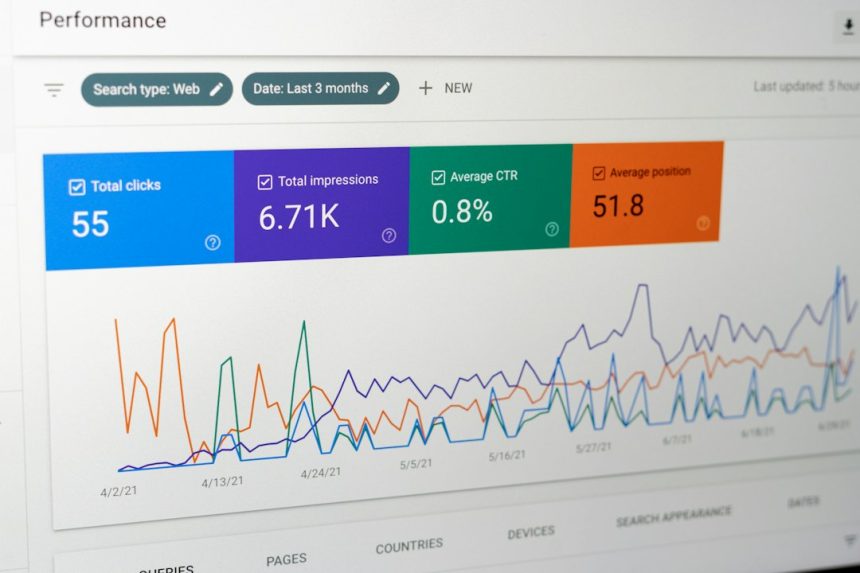
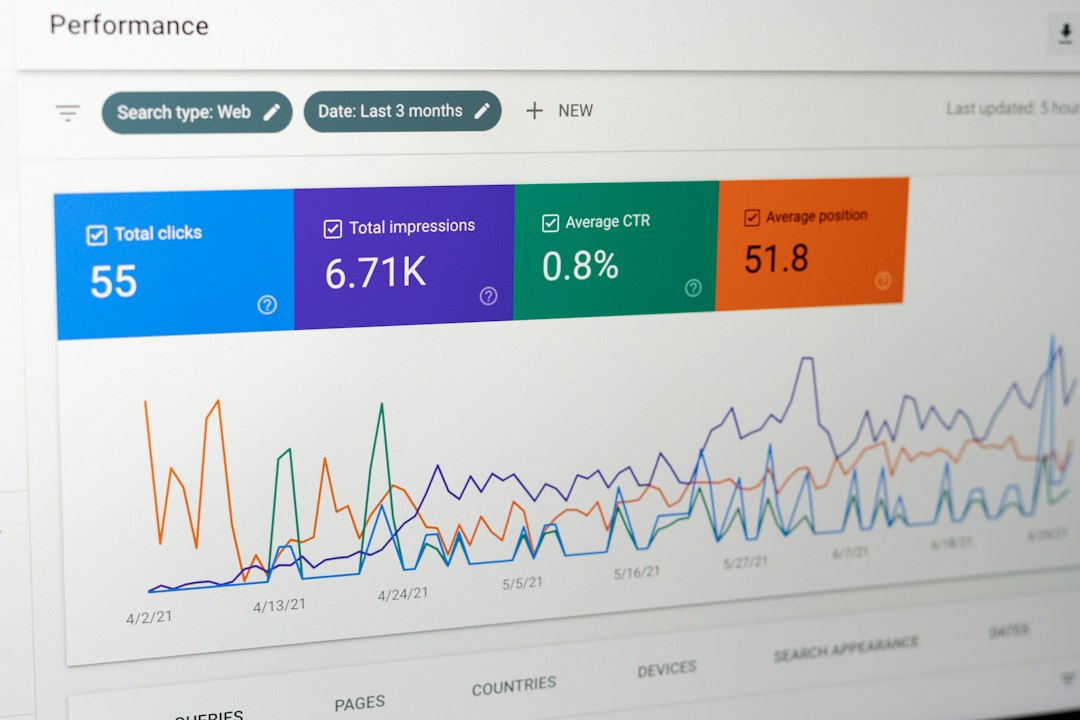
The fastest way to improve your SEO visibility score is to focus on keywords already close to page one, then measure progress weekly in one tool. Do not treat the score as a Google metric. Google Search Console reports clicks, impressions, CTR, and average position, not a single visibility score [source: Google].
TLDR: Ahrefs, Semrush, and SE Ranking all estimate SEO visibility, but they calculate it in slightly different ways. If you track 150 keywords and 40 sit in positions 11 to 20, moving just 12 of them into the top 10 can create a clear lift, such as visibility rising from 6.8% to 10.5% over a month. Use Ahrefs if backlinks drive your SEO work, Semrush if you need broad competitor research, and SE Ranking if you want simpler tracking at a lower cost.
What an SEO visibility score really means
An SEO visibility score estimates how visible your tracked keywords are in search results. Higher rankings usually mean a higher score. Keywords with more search volume also carry more weight.
That sounds clean, but it can mislead you. A score can rise because one high volume keyword moved up. It can also drop because a low intent keyword slipped. So the score is useful, but only when you read it with traffic, conversions, and keyword intent.
Ahrefs vs Semrush vs SE Ranking: key differences
- Ahrefs: Strong for backlink analysis, content gaps, and rank tracking. Its visibility metric helps you see the share of estimated clicks from your tracked keywords. Ahrefs is useful when links and authority are a major part of your SEO plan [source: Ahrefs].
- Semrush: Strong for competitor tracking, keyword research, paid search overlap, and reporting. It gives a wide view of search performance. The catch is that Semrush can feel crowded. You may spend extra clicks finding the exact report you need.
- SE Ranking: Strong for clean rank tracking, agency reports, and budget control. It is easier for small teams to use. It may not feel as deep as Ahrefs or Semrush for link research, but it covers the core work well.
Step 1: Track the right keywords
Your visibility score is only as good as your keyword set. If you track weak keywords, you get weak insight.
Build a list with three groups:
- Money keywords: terms linked to leads, sales, demos, bookings, or signups.
- Support keywords: comparison, how to, pricing, and problem based searches.
- Brand keywords: your company name, product names, and branded queries.
Do not track 1,000 keywords just because a tool lets you. Start with 100 to 300 terms. Keep them clean. Remove keywords that have no business value.
Step 2: Fix keywords in positions 4 to 20
This is usually the highest return zone. A keyword in position 57 is not useless, but it may need months of work. A keyword in position 8 can often improve with a better title, stronger internal links, and clearer content.
Export your rankings from Ahrefs, Semrush, or SE Ranking. Filter by positions 4 to 20. Then sort by search volume and intent.
For each keyword, ask:
- Does the page match the search intent?
- Is the title more useful than the pages above it?
- Does the page answer the main question within the first few paragraphs?
- Are there internal links pointing to it from strong pages?
- Is the content fresh, complete, and easy to scan?
Step 3: Compare competitors with care
Competitor reports are useful, but they can waste time. It drives me crazy when teams copy a competitor’s keyword list without asking if those terms make money.
Use Semrush to compare shared keywords and missing keywords. Use Ahrefs to check why competitors outrank you, especially if they have better backlinks. Use SE Ranking to monitor direct rivals in local or national results.
Focus on three signals:
- Content depth: Are their pages more complete?
- Authority: Do they have stronger links to the ranking page?
- CTR appeal: Are their titles clearer or more specific?
Step 4: Improve the pages that can move
Do not rewrite everything. Improve pages with proof that Google already trusts them. Add missing sections. Update dates where needed. Add examples, FAQs, comparison tables, and original data.
Also improve internal links. Link from pages with traffic to pages stuck on page two. Use descriptive anchor text. Keep it natural. Ten smart links can do more than fifty random ones.
Step 5: Review weekly, decide monthly
Rankings move every day. Do not panic over one bad morning. Review visibility weekly, but make decisions monthly. A serious SEO plan needs enough time to show cause and effect.
Use one main tool for reporting. Mixing Ahrefs, Semrush, and SE Ranking scores in one chart creates confusion because each tool uses its own formula. You can use all three for research, but pick one score as your main benchmark.
Image not found in postmeta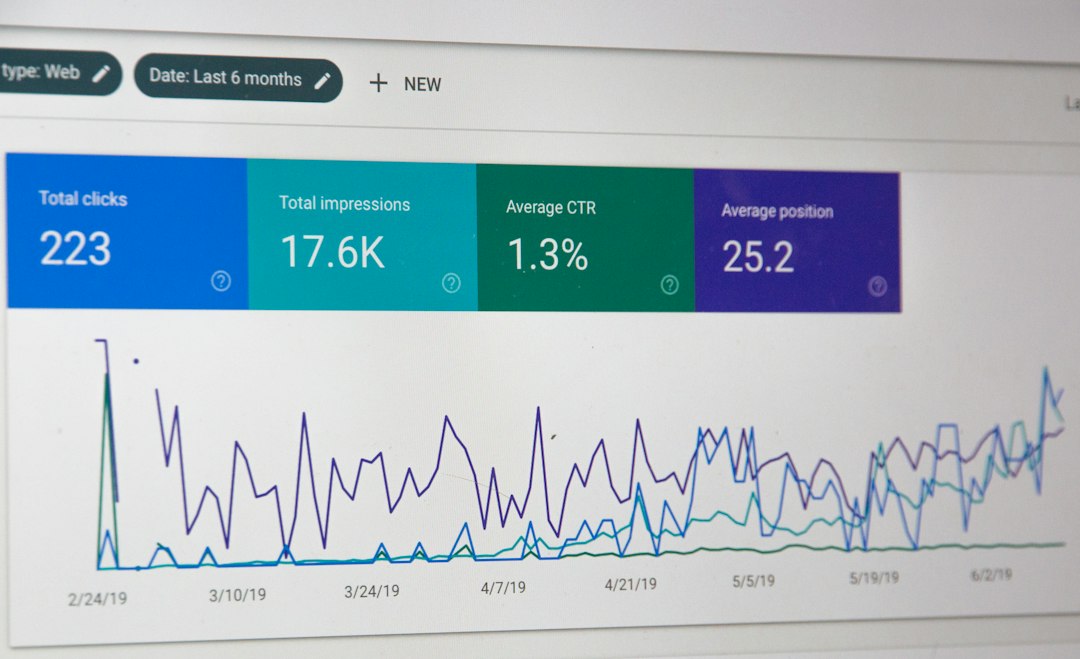
Which tool should you choose?
- Choose Ahrefs if link quality, content gaps, and organic competitor research matter most.
- Choose Semrush if you need SEO, PPC, content, and competitor reports in one place.
- Choose SE Ranking if you want clear rank tracking, clean reports, and easier daily use.
The best tool will not fix poor pages. Your score improves when the right pages rank for the right keywords. Track carefully, improve the near wins, and connect visibility to real business results.