For most mid-size grocers, a white-label grocery ordering platform is the safest first buy. It gets online ordering live faster. It costs less up front. It also avoids the painful software rabbit hole of building every cart, coupon, picker screen, and delivery rule from scratch.
TLDR: A mid-size grocer with 3 to 20 stores should usually expect white-label grocery platform pricing to land between $2,000 and $15,000 per month, plus setup fees and payment costs. A custom build can cost $150,000 to $750,000+ before the first banana is even scanned. For example, a 6-store retailer doing 4,000 online orders per month may pay about $6,000 to $10,000 monthly for a white-label system, while custom software could take 9 months and eat the yearly tech budget. Start with white-label unless your grocery operation is weird in a very expensive way.
Why pricing feels confusing
Grocery ordering software is not like buying a simple website.
You are paying for many moving parts. The cart. The product catalog. Substitutions. Delivery zones. Pickup slots. Loyalty. Coupons. Taxes. Weight-based items. Staff picking tools. Driver tools. Refunds. Receipts. Customer messages.
And yes, someone will still ask why cilantro is showing as “out of stock” when it is sitting right there in produce. That is grocery tech life.
White-label platforms package most of this into one branded system. Your logo. Your colors. Your customer experience. Their software engine.
Custom e-commerce means you build the engine yourself, or pay a team to build it for you.
White-label grocery platform pricing
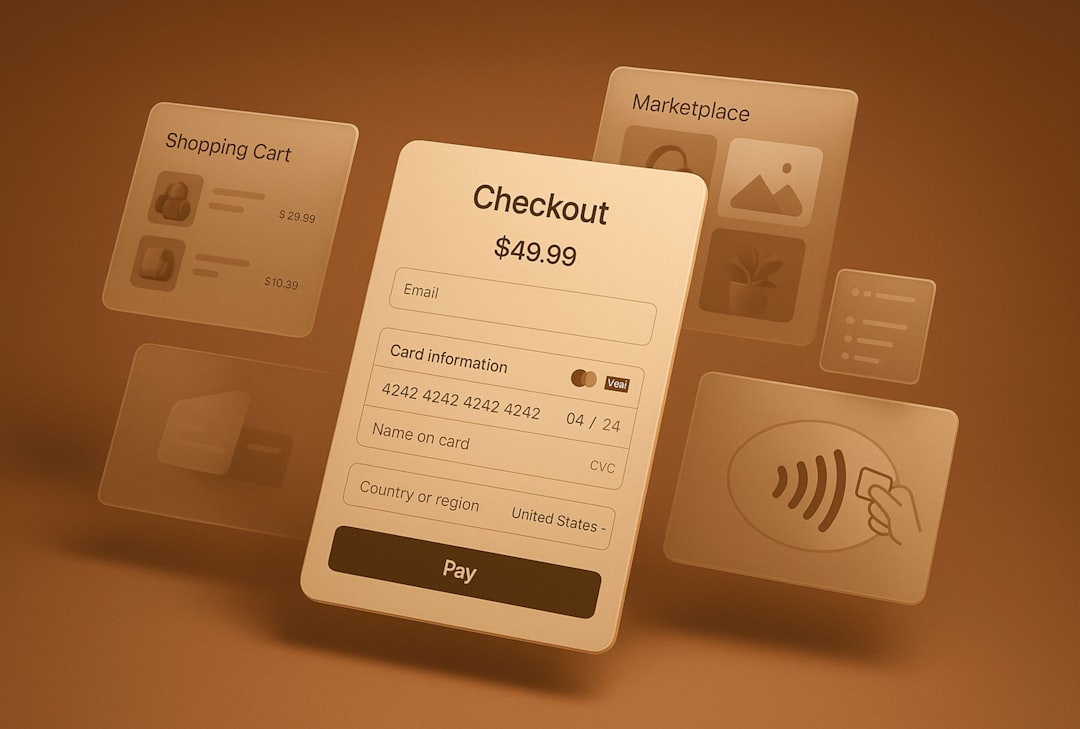
White-label systems usually charge in a few common ways.
- Setup fee: often $5,000 to $50,000.
- Monthly platform fee: often $2,000 to $15,000 for mid-size retailers.
- Per-order fee: sometimes $0.25 to $2.00 per order.
- Revenue share: sometimes 1% to 5% of online sales.
- Payment processing: usually around 2.5% to 3.5%, depending on the provider.
- Add-ons: delivery routing, loyalty, SMS, mobile apps, and advanced reporting may cost extra.
So a retailer with 8 stores might pay something like this:
- Setup: $25,000 one time.
- Monthly software: $8,000.
- Order fees: $3,000 if volume hits 3,000 orders at $1 each.
- Total monthly software cost: about $11,000, before card processing.
That may sound steep. But compare it to hiring developers, designers, product managers, support staff, QA testers, and grocery data experts. Suddenly, the monthly bill looks less scary.
What you get with white-label
A good white-label grocery ordering platform gives you speed.
You can often launch in 6 to 12 weeks. Sometimes faster, if your product data is clean. That is a big “if.” Grocery product data can be a junk drawer with barcodes.
You also get features that already exist.
- Branded website ordering.
- Branded mobile app options.
- Pickup and delivery scheduling.
- Substitution choices.
- Digital coupons.
- Loyalty account connections.
- Order picking tools for staff.
- Customer emails and texts.
- Basic reports and sales tracking.
The catch is… you may not control every tiny detail. Want the checkout button to behave in a strange special way because your founder likes it? The vendor may say no. Or they may quote a fee that makes your coffee taste bitter.
Custom grocery software pricing
Custom grocery e-commerce sounds amazing. Total control. Your rules. Your workflow. Your dream checkout.
Then the invoices arrive.
A serious custom grocery platform can cost:
- $50,000 to $150,000 for a basic pilot.
- $150,000 to $750,000 for a strong mid-size build.
- $1 million+ for a complex system with apps, driver tools, deep POS links, and custom fulfillment.
That is only the build. You still need to maintain it.
Annual maintenance often runs 15% to 25% of the original build cost. So a $400,000 system may need another $60,000 to $100,000 per year just to stay healthy.
Honestly, it feels like buying a food truck and finding out you also need to build the road.

Where custom software makes sense
Custom is not always a bad idea.
It can make sense if your operation has special needs that standard tools cannot handle.
- You run complex wholesale and retail pricing together.
- You fulfill from dark stores, warehouses, and local branches.
- You need strict control over routing and labor planning.
- You have unusual loyalty rules.
- You want to own the full roadmap.
- You have an internal tech team ready to support it.
If online grocery is central to your business model, custom can fit. If online ordering is one sales channel among many, white-label is usually smarter.
What about standard e-commerce platforms?
Some retailers try regular e-commerce tools first. Think general online store software with plugins.
That can work for shelf-stable goods. It gets messy for fresh grocery.
Why? Grocery has weird problems.
- Bananas are sold by weight, bunch, or each.
- Meat prices change by package weight.
- Customers need substitution choices.
- Pickup windows fill up.
- Drivers need routes.
- Inventory is never perfect.
It drives me crazy when a standard shopping cart treats ribeye, laundry soap, and strawberries like the same type of product. They are not. One melts. One bruises. One has a barcode. One ruins dinner if it is missing.
General e-commerce may start cheap. Maybe $300 to $2,000 per month. But plugins pile up. Manual work grows. Staff start using spreadsheets to patch gaps. That is when “cheap” becomes sneaky expensive.
Key pricing questions to ask vendors
Do not ask only, “What is the monthly fee?” Ask better questions.
- Is there a setup fee?
- Do you charge per store?
- Do you charge per order?
- Is there a revenue share?
- Are mobile apps included?
- What POS systems do you connect with?
- How often does inventory sync?
- What happens when an item is out of stock?
- Who owns customer data?
- What support is included?
Also ask about launch effort. Some vendors make onboarding sound easy. Then your team spends 80 hours cleaning product images. Nobody cheers for that.
Simple cost comparison
| Option | Typical upfront cost | Typical monthly cost | Best for |
|---|---|---|---|
| White-label grocery platform | $5,000 to $50,000 | $2,000 to $15,000+ | Mid-size grocers that want speed and proven tools |
| Custom grocery software | $150,000 to $750,000+ | $5,000 to $30,000+ in support | Retailers with complex needs and tech teams |
| General e-commerce tools | $1,000 to $25,000 | $300 to $2,000+ | Small catalogs or non-fresh grocery items |

The practical recommendation
If you are a mid-size retailer, start with white-label unless you have a strong reason not to.
Pick a platform that handles grocery basics well. Not just pretty product pages. You need pickup slots, substitutions, weighted items, refunds, loyalty, and staff workflows.
Run the numbers over three years. Include setup, monthly fees, per-order fees, support, internal labor, training, and missed sales from delays.
A custom build may look exciting on a whiteboard. But a white-label platform can start taking orders while the custom project is still arguing about password rules.
Best rule of thumb: if online grocery is under 10% to 15% of total sales, white-label is usually the better buy. If it is heading toward 25% or more, and your process is unique, start pricing custom options too.
Keep it simple. Get live. Measure orders. Fix the ugly parts. Grocery margins are thin enough already. Your software should not eat the whole cart.