The winning skincare ads in 2026 will sell proof in the first three seconds, not perfection. Paid social is moving away from glossy “dream skin” edits and toward short, evidence-led creative that feels personal, fast, and oddly satisfying. Brands that combine visible texture, creator trust, clear claims, and strong offer framing will win more thumb-stops and better-quality clicks.
TLDR: Skincare paid social in 2026 is all about proof-first creative: real skin, fast hooks, ingredient clarity, and creator-led demos. A mid-size acne care brand, for example, could run a 15-second TikTok ad showing “Day 1 vs Day 14” skin texture, then retarget viewers with a dermatologist clip and a bundle offer. In tests, brands using problem-specific hooks like “Your SPF is pilling because of this” may see 20% to 35% stronger thumb-stop rates than generic product beauty shots. The best ads will feel useful before they feel promotional.
1. The first frame has to do the selling
In 2026, the first frame is not decoration. It is the ad.
Skincare audiences scroll quickly because they have seen every version of “glowing skin in a glass bathroom.” They know the tropes. They know the fake dew. They know when a before-and-after has been softened until pores vanish.
Better hooks are sharper and more specific:
- “Your barrier is not weak. Your cleanser is too aggressive.”
- “If vitamin C stings, watch this before you quit.”
- “This is what over-exfoliation looks like under makeup.”
- “Stop layering these two ingredients at night.”
- “POV: your moisturizer works until 3 p.m.”
The strongest hooks call out a real irritation. Not a broad dream. “Get glowing skin” is too soft. “Why your foundation separates over sunscreen” is much harder to ignore.
2. Real skin becomes the premium look
Filtered beauty is losing trust. That does not mean ads should look messy. It means the finish should feel honest.
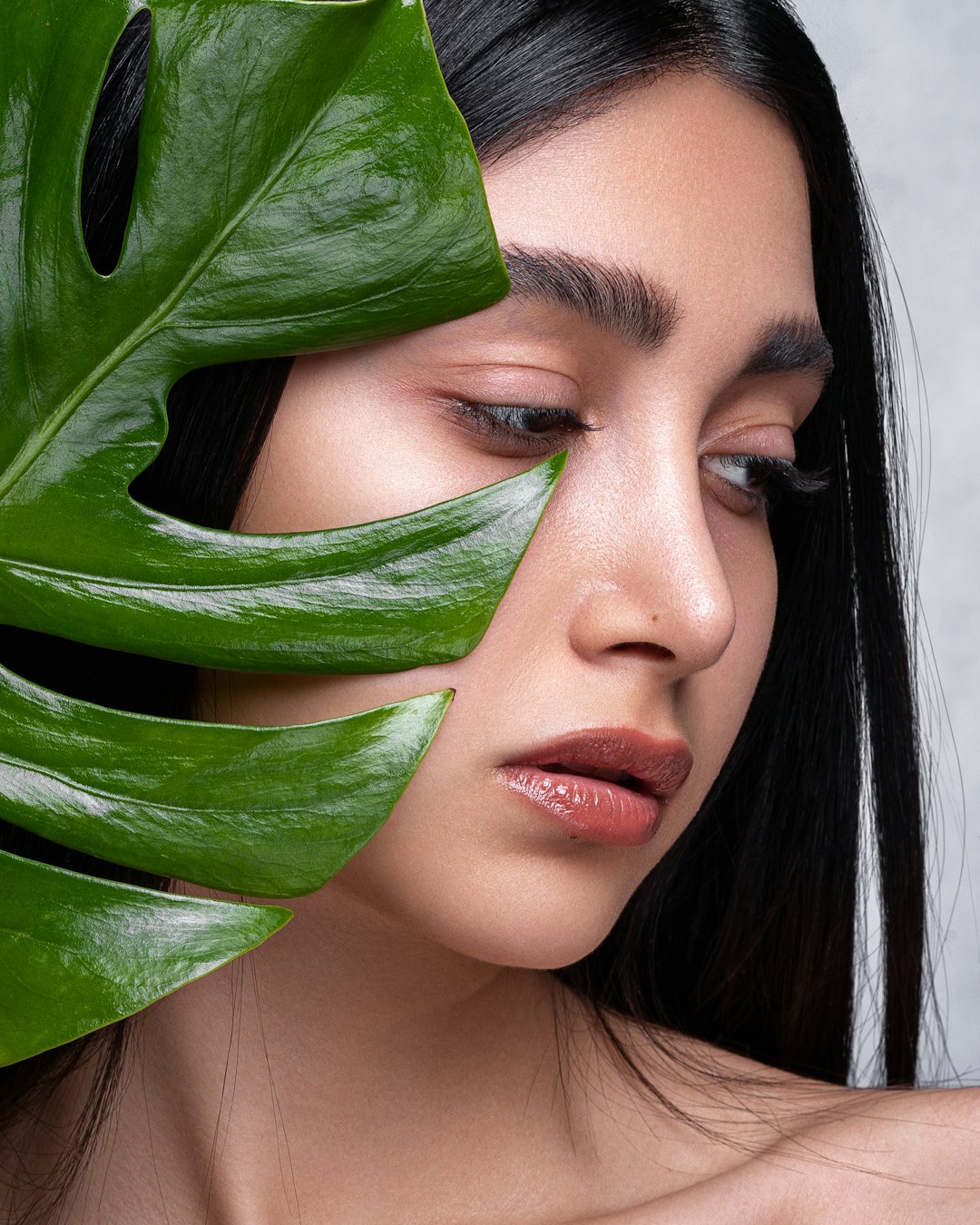
Expect more close-up texture shots, wearable lighting, flushed cheeks, dry patches, and fine lines. Brands will still art direct the content, but the best creative will avoid the plastic-smooth finish that screams “skip.”
This shift matters most for products tied to sensitive skin, acne, hyperpigmentation, redness, mature skin, and barrier repair. These buyers want reassurance. They want to see how a product behaves on actual skin, not on a model who looks airbrushed into another species.
Strong paid social creative will show:
- Product texture on fingers before application
- How it absorbs after 10, 30, and 60 seconds
- Skin finish in daylight, not just studio light
- Layering under SPF or makeup
- Visible results without unrealistic promises
Honestly, it feels like brands wasted years hiding the exact details shoppers cared about. In 2026, those details become the hook.
3. “Mini education” beats product shouting
The best paid skincare ads will act like tiny consultations. They answer one question. They solve one confusion. They make the viewer feel smarter in under 20 seconds.
This works because skincare buyers are overwhelmed. Retinol, peptides, azelaic acid, ceramides, retinal, tranexamic acid, exosomes, microbiome claims. The shelf is crowded. The feed is worse.
Creative concepts that will perform well include:
- Ingredient myth-busting: “Niacinamide is not the problem. Your percentage might be.”
- Routine correction: “Use this before moisturizer, not after.”
- Skin type matching: “Oily but dehydrated? Here is the difference.”
- One-problem explainers: “Why your cheeks burn after cleansing.”
- Derm-style breakdowns: Quick, plain-language ingredient reasoning.
The trick is to keep the lesson clear. One ad should not explain an entire routine. That usually turns into a slow lecture with a product shot jammed at the end. Expect people to leave after five seconds if the payoff is buried.
4. Creator ads get more scripted, but less polished
Creator content will still dominate skincare paid social in 2026, but casual does not mean lazy. The best creator ads will follow tight scripts while looking native to the platform.
A strong creator brief may include:
- A first-second problem hook
- A close-up of the issue or routine moment
- A short personal reason for caring
- A product use shot
- A sensory detail, such as feel, scent, or finish
- A clear next step, such as quiz, bundle, offer, or sample
The creator does not need to sound like a dermatologist. In fact, many should not. A relatable user explaining “this stopped my sunscreen from balling up” can outperform a polished lab-style ad, especially for mid-funnel audiences.
The frustration comes when brands over-control creator reads. You can hear the legal team in the caption. A creator taking 12 seconds to say a sentence no human would say is painful. Keep claims compliant, yes. But keep the voice human.

5. Search-style hooks move into paid social
Paid social will borrow more from search behavior in 2026. People use TikTok, Instagram, YouTube Shorts, and Pinterest like discovery engines. That means ad hooks should mirror actual user questions.
Instead of leading with brand language, write hooks around queries:
- “Best moisturizer for tretinoin dryness?”
- “Why does my SPF pill?”
- “How to calm red skin overnight?”
- “Can I use retinol with peptides?”
- “What helps dark spots after acne?”
This style works well because it meets the buyer at the moment of confusion. It also gives the algorithm clearer signals about audience intent. A person who watches three ads about barrier repair is much warmer than someone who only clicked a vague “glow up” clip.
6. Proof stacks replace single claims
One claim is easy to ignore. A proof stack is harder to dismiss.
In 2026, smart skincare ads will layer different types of trust in one short unit:
- Visual proof: texture, application, before-and-after, routine fit
- Social proof: creator quote, review count, repeat purchase stat
- Expert proof: dermatologist or esthetician explanation
- Formula proof: ingredient percentage, clinical test, patch test result
- Commercial proof: sample size, guarantee, starter kit, subscription savings
For example, a 20-second ad for a barrier serum could open with “If your skin burns after moisturizer, listen.” Then it shows red cheek texture, a creator applying the serum, a 94% “said skin felt calmer” consumer panel stat, and a starter kit offer. That is stronger than a floating bottle and the phrase “deeply nourishing.”
7. AI-assisted creative speeds up testing, but sameness is a risk
AI will help skincare marketers generate scripts, edit variations, resize assets, translate captions, and test different hooks faster. That is useful. It also creates a new problem: every ad starts to sound the same.
The brands that win will use AI for volume, then add human friction. Real customer language. Specific complaints from reviews. Odd sensory details. Comments pulled from support tickets. Those are the bits that make an ad feel alive.
Good source material includes:
- One-star and three-star reviews
- Customer service chats
- Reddit skincare threads
- Creator comment sections
- Post-purchase survey answers
If ten customers say “my face feels tight by lunch,” that phrase should be in an ad. Not rewritten into “supports long-lasting hydration.” Nobody scrolls and thinks, “Ah yes, support.”
8. Offers need to match skin anxiety
Skincare purchases carry risk. Will it break me out? Will it sting? Will it work with my routine? Will I use it for two weeks and regret it?
Paid ads in 2026 should reduce that anxiety. Strong offer concepts include:
- Starter kits for sensitive buyers
- Low-cost trial sizes
- Routine quizzes with product matching
- Clear refund policies
- Bundles based on one skin problem
- Retargeting ads that answer objections
A useful retargeting sequence might look like this: first ad shows the problem, second ad explains the ingredient, third ad shows reviews, fourth ad offers a trial kit. This beats showing the same product video six times and hoping irritation turns into intent.
9. Winning creative concepts to test in 2026
Here are high-potential skincare ad concepts for paid social teams:
- The “mistake” ad: “You are not purging. You may be irritated.”
- The split-face demo: One side with product, one side without.
- The routine audit: Creator removes one step and explains why.
- The texture test: Shows spread, absorption, finish, and makeup layering.
- The comment reply: Starts with a real customer question.
- The ingredient face-off: Compares two common actives for one concern.
- The seven-day diary: Quick daily clips with realistic progress.
- The anti-haul: “Skip this if your skin is already sensitized.”
The best skincare paid social in 2026 will not chase attention with louder edits alone. It will earn attention with useful tension: a real problem, a clear correction, visible proof, and a next step that feels safe. Make the viewer feel seen in the first three seconds, and the click becomes much easier.