
Choosing an operational platform is rarely about buying the longest feature list; it is about selecting software that fits your process, reporting obligations, budget, and internal capacity. PTS Oasis is typically evaluated as a specialized business workflow solution for teams that need structured records, controlled access, reporting, and repeatable processes rather than a lightweight task app.
TLDR: PTS Oasis is best suited for organizations that need a controlled, process-driven system with reporting and administrative oversight. Pricing is not usually presented as a simple public subscription, so buyers should expect a quote-based model that may include setup, training, and support. For example, if a team handles 2,000 records per month and reduces manual review time by just 12%, that can translate into dozens of staff hours saved each month. However, smaller teams may find more transparent and flexible alternatives easier to adopt.
What Is PTS Oasis?
PTS Oasis appears to be positioned as a professional platform for managing structured workflows, data, documentation, and operational reporting. It is not the kind of tool most buyers would compare directly with a simple notes app or a generic spreadsheet. Instead, it is more relevant for organizations that need consistency, traceability, and administrative control.
Because software in this category is often configured around each organization’s processes, the real value depends heavily on implementation quality. A well-configured deployment can reduce repetitive administration, improve visibility for managers, and limit errors caused by fragmented spreadsheets or email-based tracking. A poorly planned deployment, however, can become expensive and difficult for staff to use.
Core Features
While exact capabilities may vary by contract, version, or configuration, buyers evaluating PTS Oasis should focus on the following feature areas:
- Centralized record management: The platform is intended to keep important operational information in one controlled environment. This reduces the risk of duplicate files, outdated documents, and inconsistent data entry.
- Workflow tracking: Teams can generally benefit from structured stages, assignments, task visibility, and process monitoring. This is especially useful where work must pass through multiple departments or approval points.
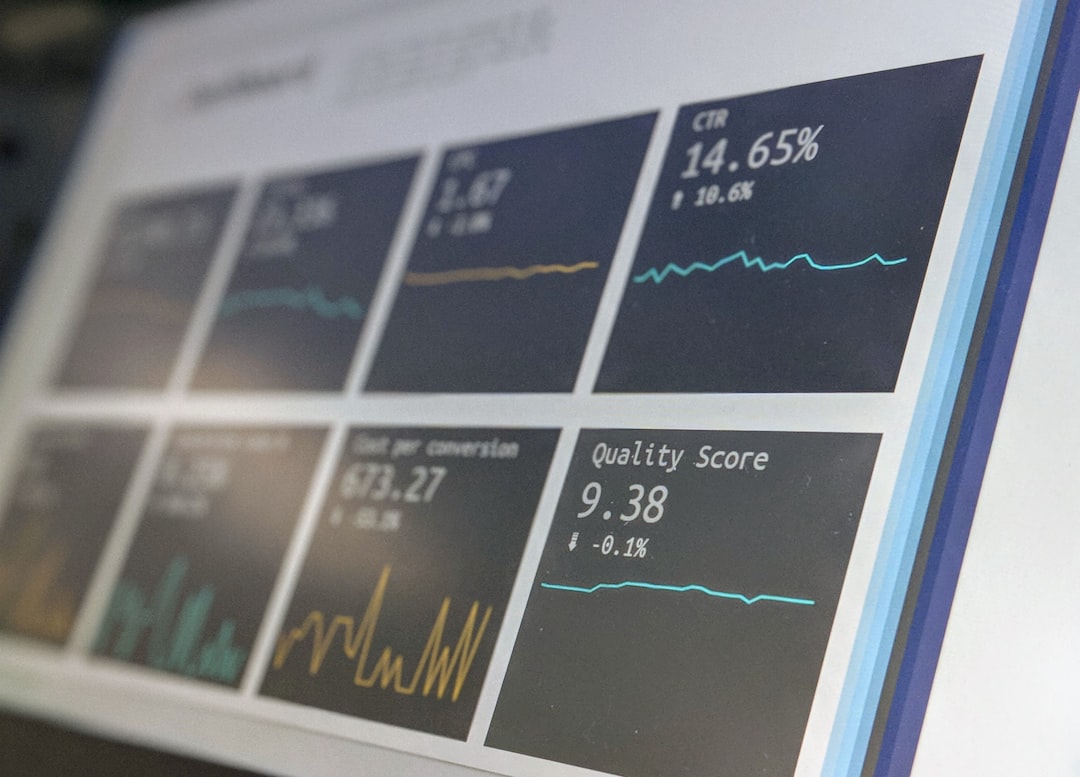
- Reporting and analytics: Management teams typically need dashboards, summaries, exportable reports, and performance indicators. The strength of these reports should be tested during a demo using realistic data examples.
- User roles and permissions: A serious business system should allow administrators to control who can view, edit, approve, or export information. This is essential for accountability and data security.
- Document handling: Many organizations need to attach, store, review, or reference documents as part of their daily processes. The quality of search, version history, and file organization should be examined carefully.
- Auditability: For regulated or compliance-sensitive teams, activity logs and change tracking can be decisive. Buyers should ask whether the system records who changed what, when, and why.
- Support and onboarding: Specialized platforms often require training. A good vendor relationship should include implementation guidance, documentation, and accessible support channels.
User Experience and Ease of Use
The user experience of PTS Oasis should be assessed from two perspectives: administrators and everyday users. Administrators may appreciate configuration options, permission controls, and reporting depth. Frontline users, however, usually care about speed, clarity, and how many clicks it takes to complete routine tasks.
During evaluation, ask for a live walkthrough based on your actual workflow rather than a generic product tour. For instance, request a demonstration of how a new record is created, assigned, reviewed, updated, reported, and archived. If that journey feels slow or confusing in the demo, it may become a bigger obstacle after launch.
A practical benchmark: if a common task currently takes five minutes in spreadsheets, the new system should ideally reduce that time or, at minimum, improve accuracy and oversight enough to justify the same time investment.
Pricing: What to Expect
PTS Oasis pricing is best understood as quote-based rather than transparent self-service pricing. That means prospective customers will likely need to contact the vendor or provider for a formal proposal. This is common for specialized operational software because final costs can depend on user count, modules, configuration, integrations, support level, and implementation requirements.
When reviewing a quote, do not focus only on the monthly or annual license fee. A realistic cost analysis should include:
- Initial setup or implementation fees
- Training costs for administrators and staff
- Data migration from spreadsheets or legacy systems
- Customization or configuration work
- Ongoing support and service-level expectations
- Future expansion costs if more users or departments are added
For a small team, a lower-cost alternative with public pricing may be more attractive. For a larger organization, however, the total cost can be justified if the platform reduces manual administration, improves compliance, and provides dependable reporting.
Strengths of PTS Oasis
- Process discipline: It can help standardize how work moves through an organization.
- Better visibility: Managers can gain clearer insight into workloads, bottlenecks, and status updates.
- Reduced spreadsheet dependency: Centralized systems are usually more reliable than scattered files.
- Administrative control: Permissions and structured workflows support accountability.
- Potential for compliance support: Audit trails and reporting can be valuable where documentation matters.
Potential Drawbacks
No serious review is complete without considering limitations. The first concern is pricing transparency. If public pricing is unavailable, buyers must spend more time gathering quotes and comparing total cost of ownership. The second issue is implementation effort. A configurable system can be powerful, but it may require internal planning, staff training, and change management.
A third consideration is fit. If your organization only needs simple task tracking, PTS Oasis may be more system than you need. Conversely, if you require highly specialized integrations or advanced automation, you should confirm those capabilities before signing a contract.

Best Alternatives to PTS Oasis
The right alternative depends on why you are considering PTS Oasis in the first place. Below are credible options to review:
- Microsoft Power Platform: A strong choice for organizations already using Microsoft 365. It can support custom apps, workflows, dashboards, and automation, although skilled configuration may be required.
- Salesforce: Suitable for organizations needing robust CRM, case management, reporting, and enterprise integrations. It is powerful but can become costly and complex.
- Zoho Creator: A flexible low-code platform for building custom operational apps. It may suit teams that want tailored workflows without enterprise-level pricing.
- Monday.com: Good for visual project tracking, workload management, and team collaboration. It is easier to adopt, but may be less suitable for strict compliance or complex record structures.
- Airtable: Useful for teams moving beyond spreadsheets while keeping a familiar database-style interface. It is flexible, but governance should be reviewed for sensitive operations.
- ServiceNow: A serious enterprise option for service management, workflow automation, and large-scale operational control. It is usually more appropriate for larger organizations with bigger budgets.
Who Should Consider PTS Oasis?
PTS Oasis is most appropriate for mid-sized or larger teams that have repeatable workflows, formal reporting needs, and a requirement for controlled access to operational data. It is also worth considering if your organization has outgrown spreadsheets and needs a more reliable system of record.
It may be less suitable for very small teams, early-stage organizations, or departments that need a quick plug-and-play tool with minimal setup. In those cases, simpler platforms with transparent pricing and fast onboarding may deliver better value.
Evaluation Checklist
Before committing, ask the vendor or implementation partner these questions:
- What is included in the base price, and what costs extra?
- How long does implementation typically take?
- Can the system match our current workflow without heavy customization?
- What reporting tools are available out of the box?
- How are permissions, audit logs, and data exports handled?
- What support is included after launch?
- Can we speak with a comparable customer reference?
Final Verdict
PTS Oasis is a serious option for organizations that need structured workflow management, centralized records, reporting, and administrative control. Its main advantages are likely to come from better process visibility, reduced manual tracking, and stronger oversight. However, buyers should approach it with a formal evaluation process, especially because pricing may depend on configuration and implementation scope.
If your organization has complex processes and can invest the time required for proper deployment, PTS Oasis may be a strong fit. If you need quick adoption, public pricing, and lighter workflow management, alternatives such as Microsoft Power Platform, Zoho Creator, Monday.com, or Airtable may be easier to justify.