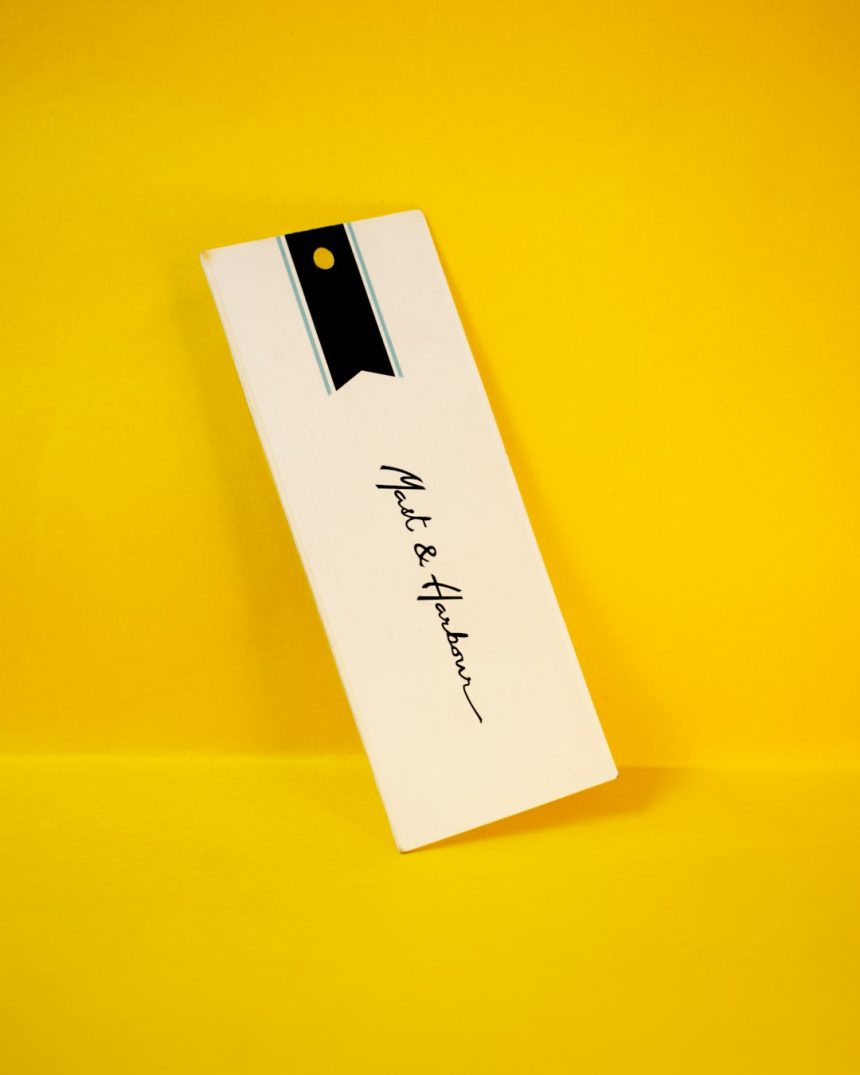
A fashion brand is judged long before a customer touches the fabric. The logo on a neck label, hangtag, website header, shopping bag, or embroidered chest mark communicates price point, attitude, and credibility in seconds. For apparel businesses, a strong logo is not decoration; it is a commercial asset that supports recognition, trust, and long-term brand equity.
TLDR: To create a credible fashion brand identity, choose apparel logo design tools that help you build a scalable, original, and production-ready mark. Prioritize vector design, typography control, color consistency, and export formats suitable for print, embroidery, web, and packaging. Tools such as Adobe Illustrator, Figma, Affinity Designer, Canva, Inkscape, Procreate, and Kittl can support different stages of the process, from concept development to final brand assets.
Why Apparel Logo Design Requires a Specific Approach
Fashion logos must work harder than many other brand marks because they appear across unusually varied surfaces. A logo may need to look sharp on a website, subtle on a woven label, clean on a garment tag, refined on tissue paper, and recognizable when embroidered at a very small size. This means the design must be simple, flexible, memorable, and technically reliable.
A clothing brand identity also carries emotional meaning. A minimalist serif wordmark may suggest luxury and restraint, while a bold geometric symbol may signal streetwear energy. A handwritten logo may feel personal and artisanal, while a clean sans serif system may suit performance apparel. Before opening any logo design tool, it is important to define what the brand should communicate.
- Luxury: refined typography, generous spacing, restrained color palettes.
- Streetwear: bold shapes, strong contrast, cultural references, expressive lettering.
- Activewear: motion, precision, modern symbols, high legibility.
- Sustainable fashion: natural tones, honest forms, understated marks.
- Children’s apparel: warmth, softness, friendliness, playful proportions.
Start With Brand Strategy Before Design Software
The strongest logo tools cannot compensate for an unclear brand. A serious apparel identity begins with strategy: audience, positioning, product category, price level, and personality. A premium tailoring label and a graphic T-shirt company should not look the same because they are not asking customers to believe the same promise.
Before choosing software, write a concise brand brief. Include the brand mission, customer profile, competitors, visual references, preferred colors, words to describe the brand, and words to avoid. This brief becomes a filter for design decisions. If a logo looks attractive but does not support the brand’s direction, it should be revised or rejected.
A good apparel logo is not simply the one that looks best on a screen. It is the one that remains appropriate, distinctive, and usable across the full life of the brand.
Adobe Illustrator: The Professional Standard for Vector Logos
Adobe Illustrator remains one of the most trusted tools for professional apparel logo design. Its strength is vector precision, which allows logos to be scaled from a small care label to a storefront sign without losing quality. For fashion brands that plan to produce hangtags, packaging, embroidery files, screen prints, and lookbooks, vector artwork is essential.
Illustrator is especially valuable for custom wordmarks, monograms, icons, and refined typography. Designers can adjust letter spacing, modify curves, create custom ligatures, and prepare clean paths for production vendors. It also supports professional file exports such as SVG, PDF, EPS, and high-resolution PNG.
It is best suited for founders working with professional designers, in-house creative teams, or entrepreneurs who are willing to invest time in learning a serious design environment. The learning curve is real, but the control is excellent.
Figma: Collaborative Identity Development
Figma is widely known for interface design, but it is also valuable for early-stage fashion identity work. Its collaborative features make it useful when founders, designers, marketers, and product teams need to review concepts together. Mood boards, logo variations, color palettes, type systems, and brand guidelines can all be organized in one shared workspace.
Figma is particularly effective for testing how a logo appears across digital touchpoints. Apparel brands often rely heavily on e-commerce, social media, email campaigns, and mobile shopping experiences. Figma allows teams to preview a logo on website headers, product cards, Instagram posts, and campaign banners before finalizing the identity.
While Figma is not always the final production tool for complex vector logos, it is excellent for concept review, presentation, and brand system planning.
Affinity Designer: Professional Quality Without a Subscription
Affinity Designer is a strong alternative for apparel founders who want professional vector capabilities without ongoing subscription costs. It offers precise shape building, typography tools, export settings, and a clean interface suited to logo creation.
For small fashion labels, independent designers, and boutique clothing brands, Affinity Designer can be a practical choice. It supports vector and raster workflows, making it useful for both logo refinement and supporting graphics. A brand can create a primary logo, secondary mark, monogram, pattern element, and social media assets within the same software ecosystem.
The main advantage is value. The tool is capable enough for serious branding work while remaining accessible to smaller businesses that need to control costs during launch.
Canva: Accessible Logo Concepts and Brand Kits
Canva can be useful for early logo exploration, especially for non-designers. It offers templates, typography options, icons, layout tools, and brand kit features that help founders quickly test visual directions. For a new apparel business, Canva can support pitch decks, social posts, launch graphics, and basic identity materials.
However, Canva should be used carefully. Template-based designs can lead to generic results if they are not customized enough. Fashion brands need distinction, and a logo that looks too similar to common templates may weaken credibility. If Canva is used, it is best for developing rough ideas, internal presentations, and supporting assets rather than relying entirely on an unmodified template.
Practical rule: use Canva to explore quickly, but ensure the final logo is unique, scalable, and properly exported for production.
Inkscape: A Free Vector Option for Budget-Conscious Brands
Inkscape is a free, open-source vector design tool that can be useful for apparel startups with limited budgets. It supports SVG editing, shape creation, path editing, and typography controls. While its interface may feel less polished than some commercial tools, it can still produce clean vector logos when used carefully.
For a small clothing brand testing a concept, Inkscape may be enough to create basic logo systems and export artwork for digital use. It is also a good learning tool for understanding vector principles, such as paths, nodes, outlines, and scalable assets.
Budget should not be an excuse for weak branding. Even with free software, the same standards apply: clarity, originality, technical quality, and consistency.

Procreate: Sketching Expressive Fashion Marks
Procreate is not a final vector logo tool, but it is excellent for sketching. Fashion brands with artistic, handmade, streetwear, or illustrative identities may benefit from drawing initial ideas on a tablet. Hand-lettered marks, mascot concepts, brush scripts, and expressive symbols often begin more naturally in a sketching environment than in strict vector software.
Once a strong sketch is selected, it should usually be redrawn or vectorized in a tool such as Illustrator, Affinity Designer, or Inkscape. This ensures the final logo can be scaled, printed, embroidered, and reproduced consistently. Procreate is best viewed as a concept tool, not the final production destination.
Kittl: Typography-Driven Concepts and Vintage Styles
Kittl is useful for apparel logos that depend on strong typography, vintage-inspired layouts, badges, emblems, and decorative lettering. It can help brands explore styles often seen in heritage clothing, surf apparel, motorcycle-inspired fashion, outdoor labels, and graphic merchandise.
As with any template-supported platform, originality matters. A logo should not feel like a stock badge with a brand name inserted. The tool is most effective when used to generate direction, experiment with type combinations, and develop supporting graphics that are then refined into a distinctive identity system.
What to Look for in Apparel Logo Design Tools
Choosing the right design tool depends on your skill level, budget, production needs, and brand ambition. Serious apparel branding requires more than a visually appealing mockup. The final logo must be usable by printers, embroiderers, packaging suppliers, web designers, and marketing teams.
- Vector export: The tool should support SVG, EPS, PDF, or AI-compatible files for scalable production.
- Typography control: Fashion logos often rely on precise lettering, spacing, and proportion.
- Color management: Consistent colors are important across fabric, paper, packaging, and digital channels.
- Transparency support: PNG files with transparent backgrounds are necessary for many digital uses.
- High-resolution output: Print materials require files that will not blur or pixelate.
- Brand system support: The tool should help create variations, including horizontal, stacked, icon-only, and monochrome versions.
Essential Logo Variations for a Fashion Brand
An apparel brand should not rely on one logo file. A complete identity system includes multiple approved versions for different applications. This prevents inconsistent resizing, awkward cropping, and poor production outcomes.
- Primary logo: The main version used on websites, packaging, lookbooks, and major brand materials.
- Secondary logo: A simplified or alternate layout for tighter spaces.
- Icon or monogram: Useful for social profiles, zipper pulls, buttons, embroidery, and small labels.
- One-color version: Essential for stamps, embroidery, screen printing, and embossed packaging.
- Reversed version: Designed for use on dark backgrounds.
- Clear space guide: Defines how much empty space must surround the logo.
Test the Logo in Real Apparel Contexts
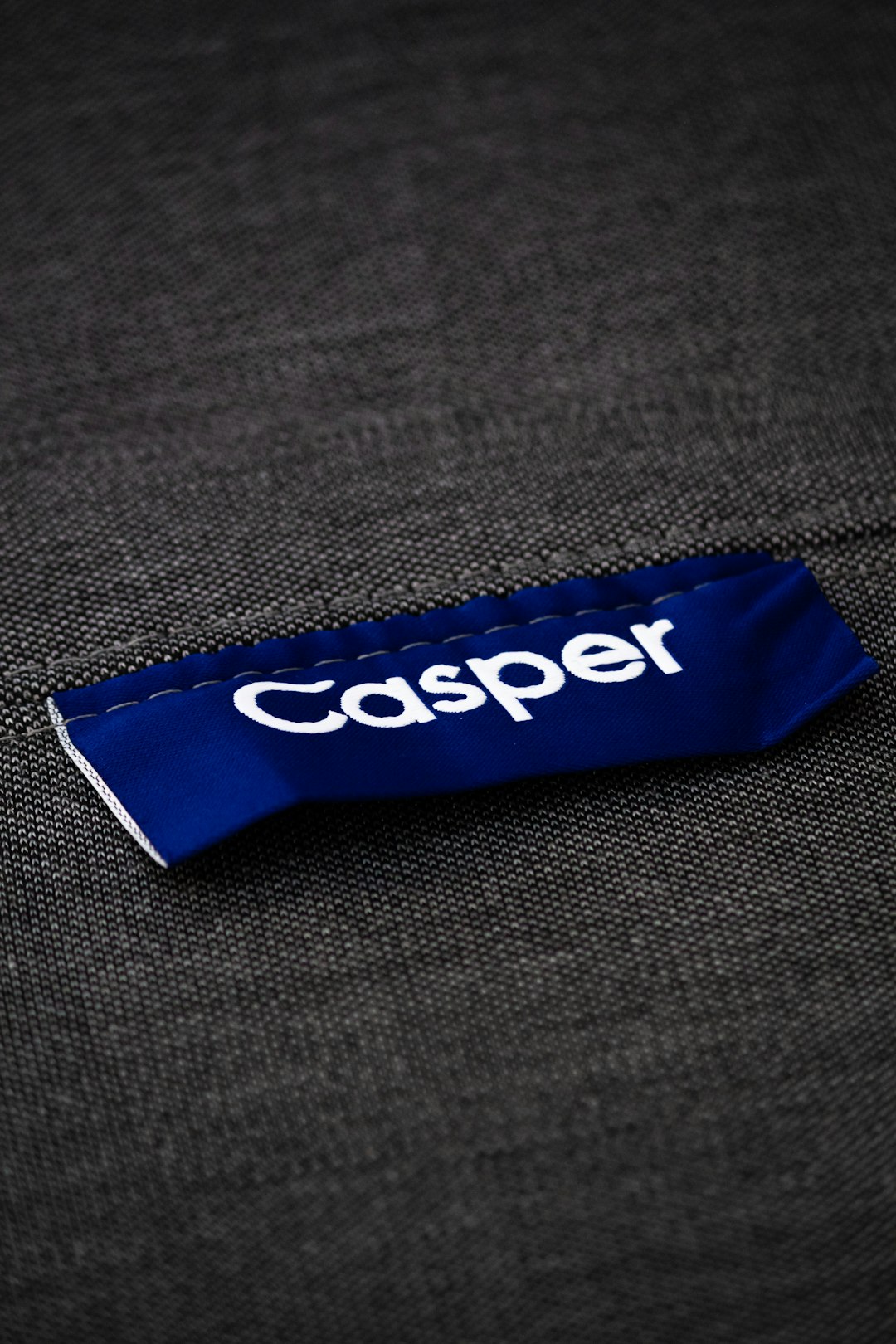
A logo that looks strong on a white artboard may fail when placed on actual products. Before final approval, test it on realistic applications. Place it on neck labels, woven tags, T-shirts, hoodies, caps, shopping bags, packaging tape, size stickers, website banners, and social media avatars.
Pay close attention to small-size legibility. Thin lines, delicate serifs, and complex details may disappear in embroidery or woven labels. If the logo depends on fine detail, create a simplified production version. Many successful fashion brands use different logo treatments for editorial branding, garment labeling, and hardware.
Production reality should influence design decisions. A logo is not finished until it works in the environments where customers will see it.
Avoid Common Apparel Logo Mistakes
Many new clothing brands weaken their identity by rushing the logo process. The most common mistake is chasing trends without considering longevity. A logo built entirely around a current visual trend may look outdated within a year, especially in fashion, where cycles move quickly.
Another mistake is using overly complex artwork. Intricate illustrations may be attractive, but they often reproduce poorly at small sizes. Poor font choices are also common. Generic typefaces, inconsistent spacing, and unbalanced letterforms can make an apparel brand appear amateur, even if the product quality is strong.
- Avoid copying competitor aesthetics too closely.
- Do not rely on a single full-color version.
- Do not ignore trademark research.
- Do not approve a logo before testing it on products.
- Do not use low-resolution files for professional production.
Legal and Trademark Considerations
Trustworthy branding also requires legal caution. Before investing in labels, packaging, inventory, and advertising, conduct a trademark search in the markets where you plan to sell. A logo or name that conflicts with an existing fashion brand can create expensive problems, including rebranding, inventory loss, and legal disputes.
Logo design tools can help create visuals, but they do not guarantee ownership. If the brand is serious, consult a qualified trademark professional before launch. This is especially important for apparel, where logos often appear directly on products and become central to consumer recognition.
Building a Consistent Fashion Brand Identity
The logo is only one part of the brand identity. To create a professional system, pair it with a defined color palette, typography hierarchy, photography direction, packaging standards, tone of voice, and layout rules. These elements should work together across every customer touchpoint.
A serious fashion brand should prepare a basic brand guide that includes approved logo files, color values, font names, usage rules, spacing requirements, and examples of correct and incorrect application. This document helps designers, suppliers, printers, and marketing partners maintain consistency.
Consistency does not mean repetition without creativity. It means every expression of the brand feels connected, intentional, and recognizable.
Final Thoughts
Creating a fashion brand identity requires judgment, not just software. Apparel logo design tools can accelerate the process, improve precision, and help founders visualize ideas, but the quality of the result depends on strategy, originality, and disciplined execution. Whether you use Adobe Illustrator for professional vector work, Figma for collaboration, Affinity Designer for cost-effective precision, Canva for quick exploration, Inkscape for budget-friendly production, Procreate for expressive sketches, or Kittl for typographic concepts, the goal remains the same: build a logo that earns trust and stands the test of time.
A strong apparel logo should be distinctive enough to remember, simple enough to reproduce, and flexible enough to support the brand as it grows. When designed with care, it becomes more than a mark. It becomes a recognizable signature of quality, identity, and commercial confidence.