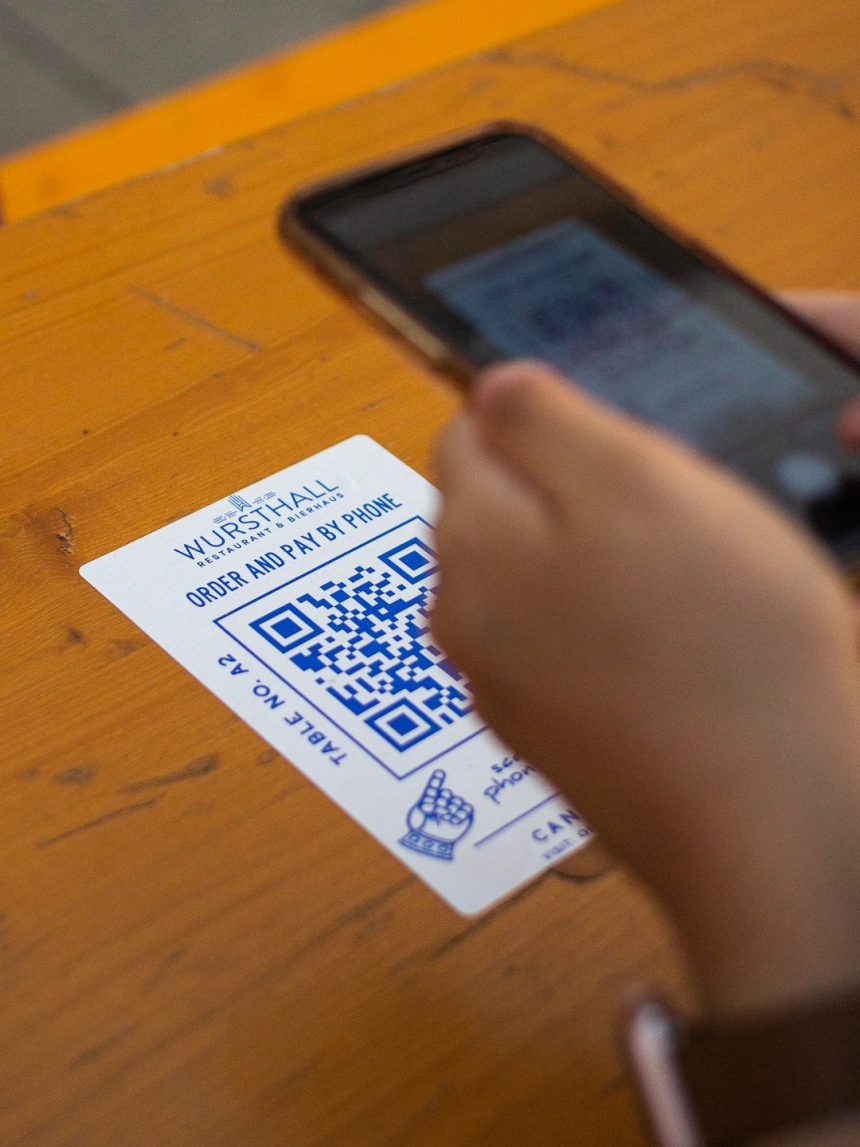
QR codes have moved far beyond novelty status. They now appear on restaurant tables, product packaging, receipts, posters, trade show booths, real estate signs, delivery boxes, and even television ads. For businesses, the real question is no longer “Should we use QR codes?” but “What type of QR code should we use?” The answer usually comes down to understanding the difference between static QR codes and trackable QR codes, often called dynamic QR codes.
TLDR: Static QR codes are simple, permanent, and usually best for fixed information that will not change, such as a Wi Fi password or a basic contact page. Trackable QR codes let businesses measure scans, update destinations, and understand customer behavior after printing or publishing the code. For marketing, events, retail, and campaigns, trackable QR codes usually offer far more value. For one time or low risk uses, static QR codes can still be perfectly effective.
What Is a Static QR Code?
A static QR code contains information directly inside the code itself. When someone scans it, the phone reads the embedded data and performs the intended action, such as opening a URL, displaying text, saving contact information, or joining a Wi Fi network.
The key point is that the data is fixed. Once the QR code is created and printed, the destination cannot be changed unless you create and distribute a new QR code. If you generate a static QR code that links to a menu page, and later that page URL changes, the old QR code will continue pointing to the original address.
Static QR codes are often used for:
- Permanent website links that are unlikely to change
- Wi Fi login details in offices, cafes, or guest rooms
- Basic contact cards or vCards
- Plain text messages such as instructions or identification labels
- Internal operational uses where tracking is not necessary
The main appeal of static QR codes is simplicity. They are easy to create, easy to use, and typically do not require an ongoing subscription or campaign dashboard. For small, low stakes applications, that simplicity can be a major advantage.
What Is a Trackable QR Code?
A trackable QR code usually works by sending users through a short redirect URL before taking them to the final destination. This redirect makes it possible to collect scan data and change the destination later without altering the QR code itself.
For example, a business might print a QR code on 10,000 product flyers. With a static code, the link is locked forever. With a trackable QR code, the business can later update the destination from a spring promotion to a summer promotion, while the printed code remains exactly the same.
Trackable QR codes can often collect useful analytics such as:
- Number of scans over time
- Approximate scan location, depending on privacy rules and platform capabilities
- Device type, such as mobile operating system
- Date and time of scans
- Campaign performance across different placements
- Conversion behavior when integrated with analytics tools
This makes trackable QR codes especially valuable for businesses that want to connect offline activity with online results.
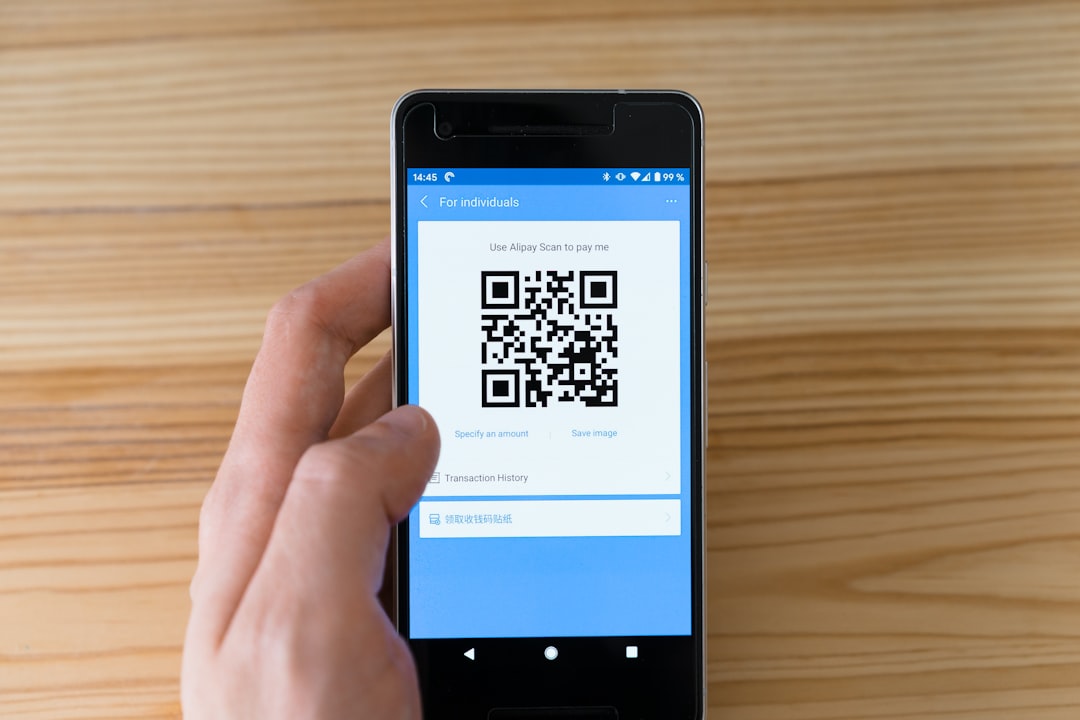
The Biggest Difference: Data and Flexibility
The most important difference between static and trackable QR codes is not visual. To the customer, both can look almost identical. The difference is what happens behind the scenes.
A static QR code is like printing a phone number on a business card. Once printed, it is set. A trackable QR code is more like giving people a smart forwarding number that can be monitored, updated, and redirected as needed.
For businesses, that flexibility can prevent expensive mistakes. Imagine printing a QR code on packaging, signage, or event materials, only to discover later that the URL has a typo or the landing page needs to change. With a static code, the printed materials may become useless. With a trackable QR code, the destination can often be corrected in minutes.
Why Businesses Use Trackable QR Codes
Trackable QR codes are popular because they help answer a basic but critical business question: “Is this working?”
Traditional offline marketing can be difficult to measure. A poster, postcard, table tent, or billboard might generate interest, but without tracking, it is hard to know how many people responded. A trackable QR code creates a measurable bridge between physical materials and digital engagement.
Businesses use trackable QR codes to:
- Measure campaign performance: Compare scans from flyers, posters, packaging, and in store displays.
- Improve return on investment: Spend more on placements that generate scans and less on those that do not.
- Test different offers: Update landing pages, discounts, or forms without reprinting the code.
- Understand customer behavior: See when and where people are most likely to engage.
- Support sales teams: Track scans from brochures, proposals, or event handouts.
This kind of insight can turn a QR code from a simple shortcut into a strategic marketing tool.
When Static QR Codes Make Sense
Despite the advantages of trackable QR codes, static QR codes still have an important role. Not every use case needs analytics or editing capabilities.
A static QR code can be the better choice when:
- The information will not change.
- The use is internal or operational rather than promotional.
- You do not need scan analytics.
- You want a code that does not depend on a third party redirect.
- The content is simple, such as text, contact details, or Wi Fi access.
For example, a small office might place a static QR code in the lobby so visitors can connect to guest Wi Fi. A warehouse might use static QR codes to label storage areas or equipment. A teacher might use one to share a permanent classroom resource. In these cases, tracking may add unnecessary complexity.
When Trackable QR Codes Are the Smarter Choice
Trackable QR codes are usually the smarter option when the QR code is part of a marketing, customer engagement, or sales strategy. If the code is going on anything expensive to produce or difficult to replace, tracking and editability become especially valuable.
Consider using a trackable QR code for:
- Print advertising, including magazines, posters, and mailers
- Product packaging that may remain in circulation for months
- Restaurant menus that change seasonally
- Event materials, such as badges, banners, and booth signage
- Retail displays promoting offers or product information
- Real estate signs linking to property pages
- Customer feedback forms and review requests
In these situations, the ability to update links and measure engagement can save money, reduce risk, and provide valuable insight.
Cost Considerations
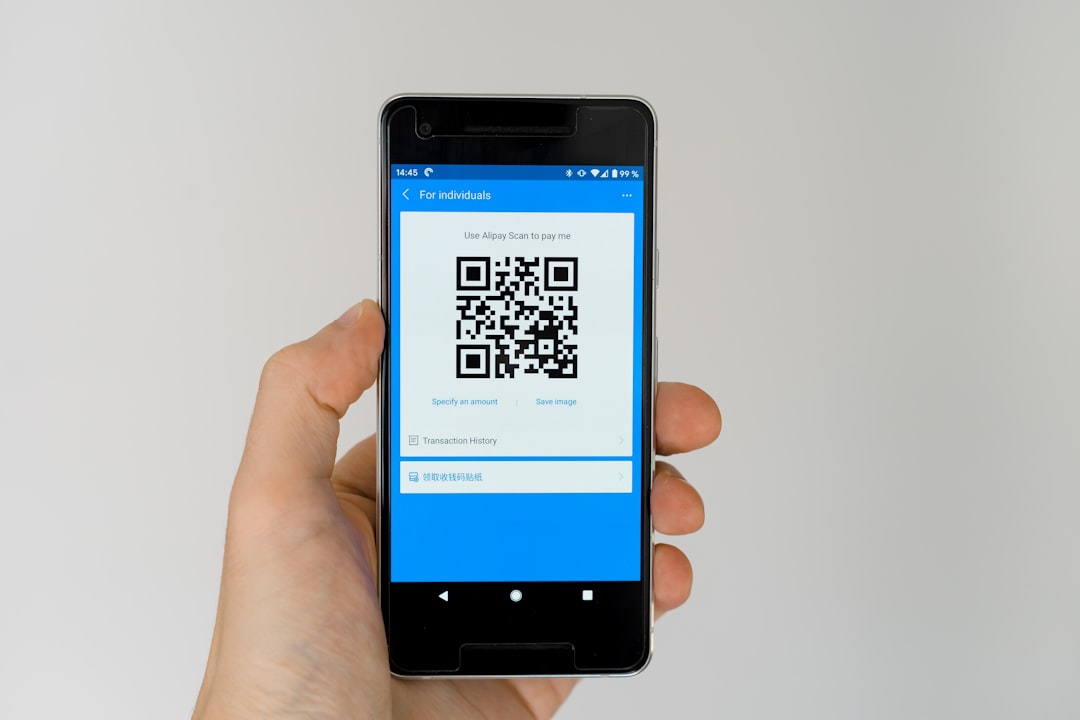
Static QR codes are often free or inexpensive because they do not require ongoing hosting, analytics, or management features. Once generated, the code can function independently, as long as the destination itself remains available.
Trackable QR codes may involve a paid service, especially if you need advanced analytics, branded short links, campaign dashboards, team access, bulk creation, or integrations. The cost can vary widely depending on features and scan volume.
However, businesses should think beyond the initial price. A trackable QR code may cost more upfront, but it can prevent reprinting costs, improve campaign performance, and provide data that supports better decisions. If a QR code is connected to revenue, leads, customer feedback, or advertising spend, tracking can easily justify the investment.
Privacy and Customer Trust
Businesses should also consider privacy. Trackable QR codes can collect scan data, but that does not mean companies should gather more information than necessary. Customers are increasingly aware of how their interactions are measured, and trust matters.
A good approach is to use QR tracking responsibly. Avoid collecting personally identifiable information unless it is clearly disclosed and genuinely needed. If a QR code leads to a form, loyalty program, or personalized experience, make sure privacy policies are easy to find and understand.
In many cases, scan analytics are aggregated and anonymous, showing broad trends rather than individual identities. Still, businesses should treat QR code analytics with the same care they apply to website analytics and email marketing data.
Design and Placement Matter Too
Whether static or trackable, a QR code will only work if people notice it, understand it, and can scan it easily. Poor placement can ruin even the most sophisticated campaign.
For better results, follow these practical tips:
- Add a clear call to action: Instead of showing a bare code, use text like “Scan to get 15 percent off” or “Scan to view the menu.”
- Make it large enough: Tiny QR codes are frustrating and may not scan reliably.
- Maintain contrast: Dark codes on light backgrounds are usually easiest to scan.
- Test before printing: Scan the code on multiple phones and from different distances.
- Place it where scanning is natural: Avoid locations where people are moving too quickly or cannot safely use a phone.
- Optimize the landing page: The page should load quickly and work well on mobile devices.
A QR code is not the destination; it is the doorway. If the experience after the scan is slow, confusing, or irrelevant, users may leave immediately.
Common Business Mistakes to Avoid
One common mistake is using a static QR code for a campaign that should have been trackable. This often happens when businesses rush to print materials and only later realize they want scan data or need to change the link.
Another mistake is sending every QR code to a generic homepage. A person scanning a code on a product label, restaurant table, or event banner expects a relevant next step. A focused landing page usually performs better than a broad website page.
Businesses also sometimes forget to test codes after design changes. Adding colors, logos, frames, or unusual shapes can make a QR code more attractive, but it can also affect scannability. Design should support function, not compromise it.
How to Choose the Right Type
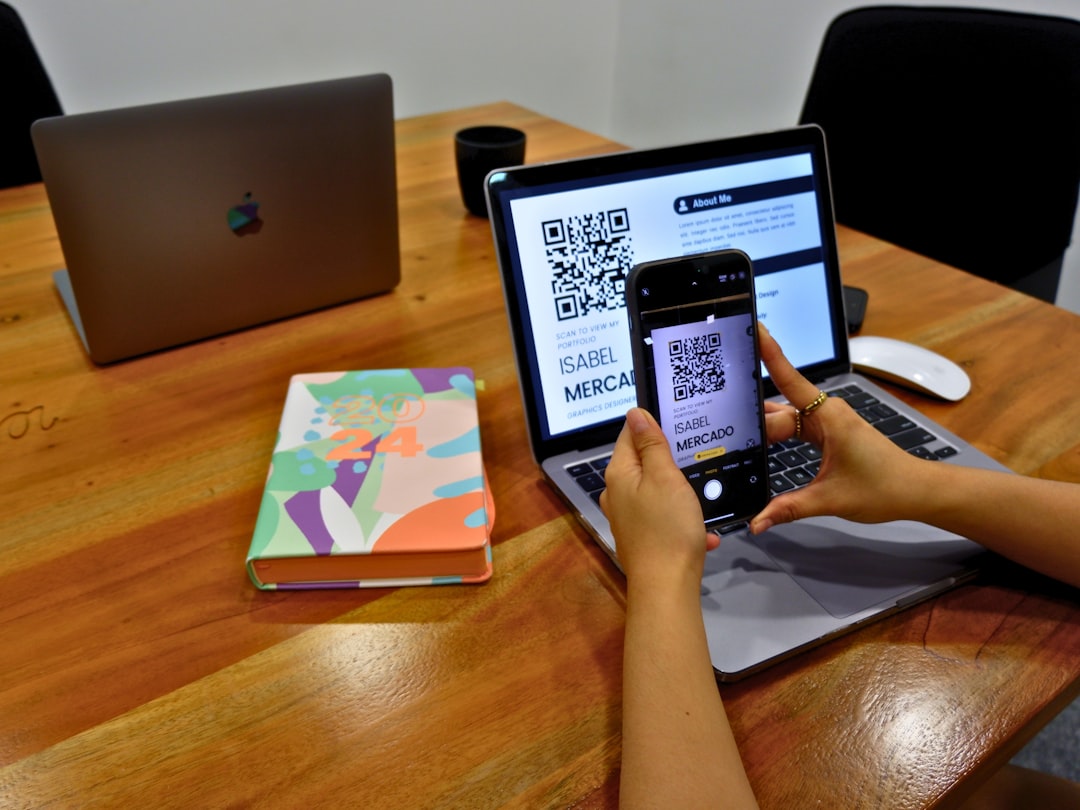
The simplest way to decide is to ask a few practical questions:
- Will the destination ever need to change? If yes, choose trackable.
- Do you need scan data? If yes, choose trackable.
- Is the code going on expensive printed materials? If yes, trackable is safer.
- Is the information permanent and simple? Static may be enough.
- Is this part of a marketing campaign? Trackable is usually better.
For many businesses, the best approach is to use both types. Static QR codes can support simple operational needs, while trackable QR codes power campaigns, promotions, customer feedback, and sales journeys.
The Bottom Line
Static QR codes are useful, reliable, and straightforward. They are ideal when the content is fixed and measurement is not important. Trackable QR codes, on the other hand, give businesses flexibility, analytics, and control. They are especially valuable when QR codes appear in marketing materials, packaging, signage, or any situation where performance matters.
The right choice depends on the purpose of the code. If you simply need to share permanent information, a static QR code may be all you need. But if you want to learn from customer behavior, improve campaigns, and protect yourself from costly link changes, a trackable QR code is often the smarter business decision.
In a world where offline and online experiences are increasingly connected, QR codes are more than convenient squares on a page. Used thoughtfully, they can become powerful touchpoints that help businesses guide customers, measure engagement, and adapt quickly in a changing market.