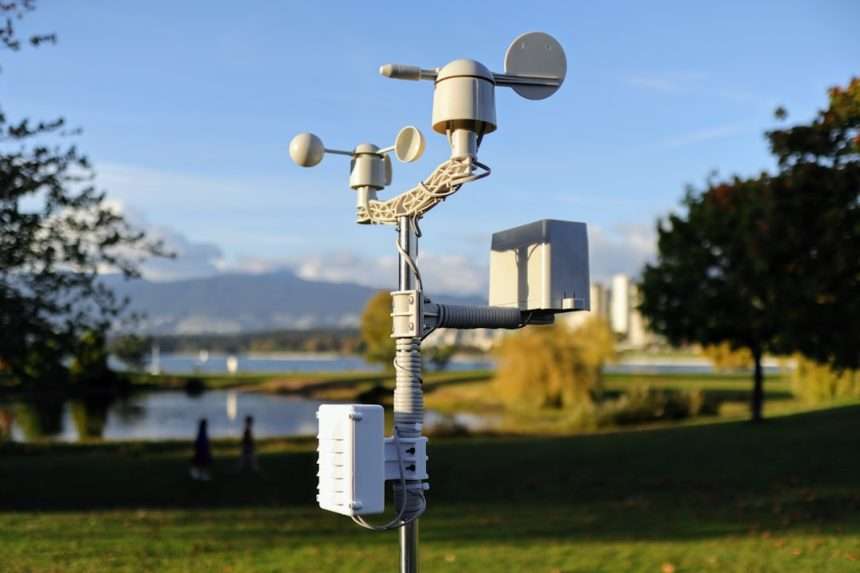
Enterprise IoT projects often look simple on paper: connect a device, send data to the cloud, monitor performance, and scale. In practice, the hard part is usually hidden in the network layer. Devices may need to roam across countries, operate for years, comply with local telecom rules, and stay secure while transmitting business-critical data. FloLIVE positions itself as a global IoT connectivity platform designed to solve these challenges through cellular connectivity management, localized coverage, security controls, and deployment tools for enterprises and service providers.
TLDR: FloLIVE is a strong option for organizations that need global cellular IoT connectivity with centralized management and flexible deployment models. Its main strengths are multi-country coverage, network localization, SIM and eSIM management, security-focused architecture, and enterprise-grade operational tools. It is especially relevant for companies deploying connected devices across regions, although buyers should still evaluate pricing, integration requirements, and coverage quality in their specific markets.
Why IoT Connectivity Management Matters
IoT connectivity is not just about whether a device can connect to a network. For enterprise deployments, connectivity management includes provisioning SIMs, setting usage limits, monitoring sessions, identifying failed connections, reducing roaming costs, controlling access policies, and integrating connectivity data with business systems. When thousands or millions of devices are involved, manual oversight becomes impossible.
This is where platforms like FloLIVE become valuable. Rather than treating connectivity as a collection of separate carrier contracts, FloLIVE offers a more centralized approach. Organizations can manage IoT devices across multiple regions from a single platform, view network behavior, troubleshoot device issues, and adjust policies remotely. For industries such as logistics, smart energy, automotive, healthcare, agriculture, retail, and industrial automation, this can significantly reduce operational complexity.
FloLIVE’s Approach to Connectivity Management
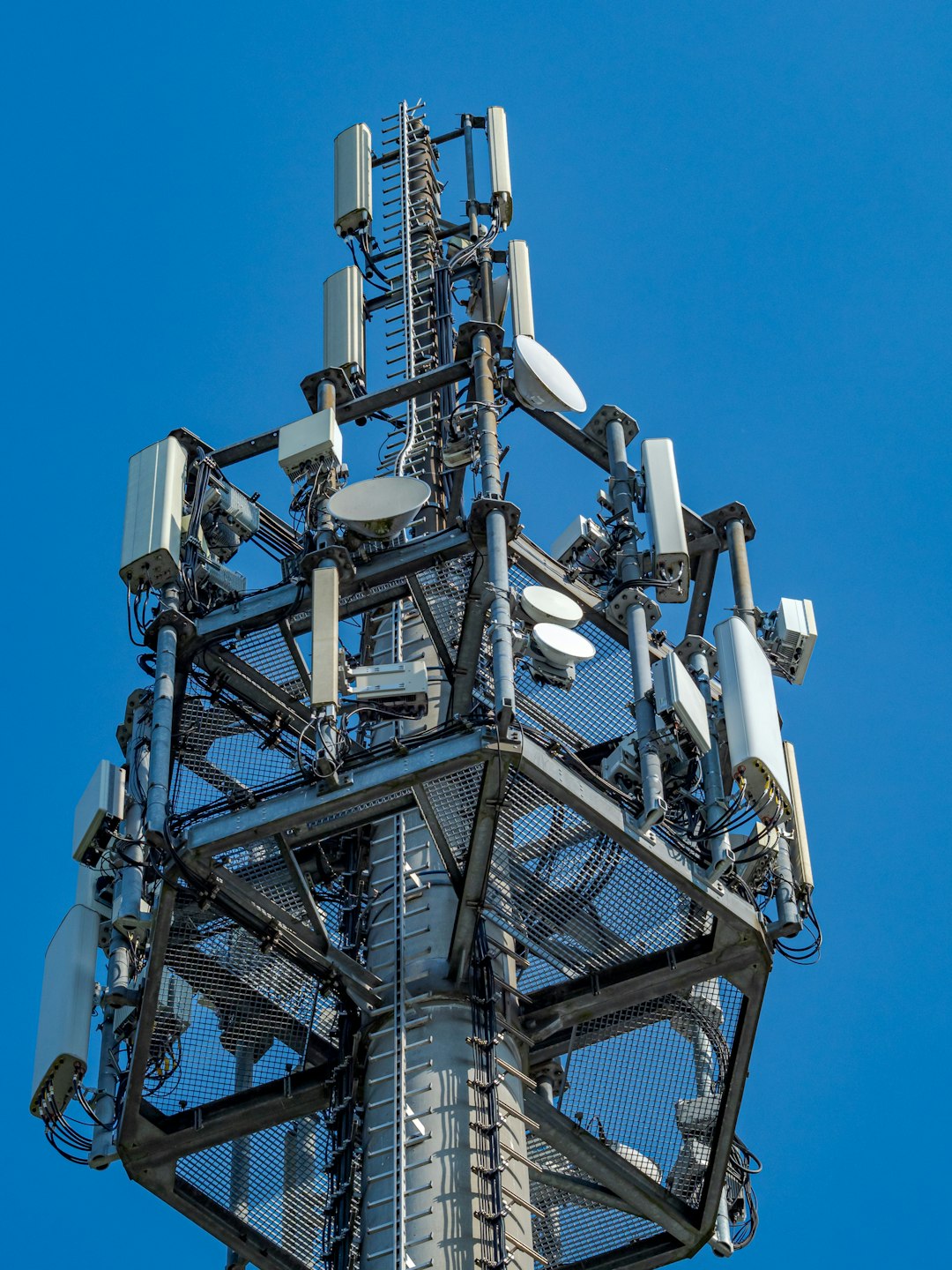
FloLIVE is built around the idea that IoT connectivity should be global, programmable, and controllable. Its platform typically supports cellular IoT use cases through technologies such as SIM, eSIM, private networks, cloud connectivity, and policy-based management. The company’s infrastructure is designed to help enterprises and mobile network operators deliver IoT connectivity without relying entirely on traditional roaming models.
Key connectivity management capabilities often associated with FloLIVE include:
- SIM and eSIM lifecycle management: Enterprises can activate, suspend, update, and monitor SIM profiles across device fleets.
- Centralized device visibility: Administrators can track which devices are connected, where they are operating, and how much data they are consuming.
- Policy and usage controls: Businesses can define limits, alerts, and network access rules to prevent unexpected data usage or unauthorized behavior.
- API integration: Connectivity functions can be integrated into enterprise applications, customer portals, billing systems, or operational dashboards.
- Real-time troubleshooting: Teams can investigate failed connections, abnormal usage patterns, and roaming issues without waiting on multiple carriers.
For enterprise IoT teams, this kind of management layer can make the difference between a deployment that scales smoothly and one that becomes expensive to support. A connected medical device, an electric vehicle charger, or an asset tracker may be physically small, but the operational model behind it can be complicated. FloLIVE aims to simplify that model by making connectivity more visible and configurable.
Global Coverage and Localized Connectivity
Global coverage is one of FloLIVE’s central selling points. Many IoT deployments are international from the beginning. A logistics company may track shipments across borders, a manufacturer may sell connected equipment in dozens of markets, and a mobility company may need vehicles to stay online wherever customers travel. Traditional roaming can work, but it may introduce issues such as latency, permanent roaming restrictions, regulatory concerns, and unpredictable costs.
FloLIVE addresses this challenge through a model that emphasizes localized connectivity. In simple terms, localization means that a device can connect in a target country in a way that behaves more like a local connection than a conventional roaming connection. This can improve reliability, reduce compliance risk, and provide better control over data routing.
This matters because some countries restrict permanent roaming, especially for devices that remain in the market for long periods. For example, a smart meter, parking sensor, alarm system, or industrial controller may be installed in one location for years. If it relies on a foreign roaming SIM, the deployment may eventually face service interruptions or regulatory complications. A localized approach helps enterprises build IoT services with greater long-term stability.
Another advantage is performance. When traffic can be routed through more appropriate regional infrastructure, enterprises may see improvements in latency, reliability, and resilience. This is particularly important for use cases that require timely communication, such as connected transportation, remote monitoring, and mission-critical industrial systems.

Security Considerations for Enterprise IoT
Security is one of the most important dimensions in any IoT platform evaluation. Each connected device can become a potential entry point into an enterprise network, a customer environment, or a critical infrastructure system. A weak connectivity layer can expose devices to unauthorized access, data interception, fraud, service abuse, or denial-of-service scenarios.
FloLIVE’s security value comes from combining cellular network controls with platform-level management. Cellular connectivity is often more controlled than open Wi-Fi, but it still requires careful configuration. Enterprises need to know which devices are allowed to connect, where traffic is going, how identities are managed, and what happens when abnormal behavior is detected.
Security-related strengths to consider include:
- Private network options: Enterprises can use private connectivity paths to reduce exposure to the public internet.
- Device identity management: SIM and eSIM credentials help authenticate devices at the network level.
- Traffic control: Policies can restrict which services, networks, or endpoints a device can access.
- Anomaly detection: Usage monitoring can help identify suspicious spikes, unauthorized movement, or unexpected behavior.
- Centralized governance: A unified platform makes it easier to apply consistent security rules across regions.
For many enterprises, the ability to isolate IoT traffic is especially valuable. A fleet of connected vending machines, payment terminals, or industrial sensors should not have unrestricted access to the broader corporate network. By creating controlled paths between devices and cloud applications, organizations can reduce risk while maintaining operational visibility.
Enterprise IoT Deployment Capabilities
Enterprise IoT deployments are rarely static. A company may start with a pilot in one country, expand to five markets, support multiple product versions, add new firmware capabilities, change cloud vendors, and onboard reseller partners. The connectivity platform must support this evolution without forcing every change to become a major engineering project.
FloLIVE is designed for this type of scaling. Its platform can support enterprises directly, but it is also relevant for mobile network operators, virtual network operators, and IoT service providers that want to offer branded or tailored connectivity services. This makes FloLIVE more than a simple SIM provider; it functions as an enabling layer for organizations building their own IoT offerings.
Important enterprise deployment features include:
- Scalable onboarding: Businesses can provision large numbers of devices and manage their lifecycle from deployment to retirement.
- Flexible commercial models: Enterprises can structure connectivity around data pools, regions, customer groups, or product lines.
- White label and partner enablement: Service providers can use platform capabilities to create their own IoT connectivity offerings.
- Cloud integration: Data and management functions can connect with enterprise cloud platforms, analytics tools, and operational systems.
- Operational automation: APIs and policy tools reduce the need for manual provisioning and support workflows.
This flexibility is important because IoT business models vary widely. A smart appliance company may include connectivity in the product price. A telematics provider may bill customers monthly by usage. A healthcare device manufacturer may need strict uptime and compliance reporting. FloLIVE’s platform structure can help accommodate these different needs, provided the enterprise invests in proper integration and operational planning.
Use Cases Where FloLIVE Fits Well
FloLIVE is most compelling in situations where connectivity is international, long-lived, security-sensitive, or operationally complex. It may be less necessary for a small local deployment that can be handled by a single carrier contract. However, once a business needs cross-border consistency and centralized control, the platform becomes more attractive.
Strong potential use cases include:
- Asset tracking and logistics: Devices must stay connected as shipments move across regions and networks.
- Automotive and mobility: Vehicles, chargers, and shared mobility devices require reliable coverage and lifecycle management.
- Smart utilities: Meters and grid devices often remain deployed for many years and may need localized connectivity.
- Industrial IoT: Factories, machines, and remote equipment need secure, predictable communication.
- Healthcare devices: Connected medical products require strong reliability, security, and compliance awareness.
- Retail and payments: Terminals, kiosks, and connected retail systems benefit from controlled cellular backup or primary connectivity.
Strengths and Potential Limitations
FloLIVE’s biggest strengths are its global mindset, localized network approach, centralized management, and focus on enterprise IoT rather than consumer mobile use. For organizations frustrated by fragmented carrier relationships, it can provide a more coherent operating model. Its support for APIs and service provider enablement also makes it suitable for companies embedding connectivity into their own products.
However, buyers should evaluate it carefully against their specific requirements. Global coverage does not mean every network in every country will perform the same way. Enterprises should test coverage in actual deployment locations, especially indoors, underground, in rural areas, or in regions with strict telecom rules. Pricing should also be modeled across realistic data consumption patterns, including roaming scenarios, data peaks, and support requirements.
Integration effort is another consideration. A powerful connectivity platform delivers the most value when connected to device management systems, billing tools, security platforms, and customer support workflows. Companies should plan for technical integration rather than treating connectivity as a plug-and-play afterthought.
Final Evaluation
FloLIVE is a noteworthy IoT connectivity platform for enterprises that need to deploy, secure, and manage connected devices across global markets. Its emphasis on localized connectivity, SIM and eSIM management, private networking, APIs, and centralized operations addresses many of the pain points that appear when IoT projects move from pilot to production.
The platform is best suited for organizations that view connectivity as a strategic component of their IoT offering, not merely a commodity. If a company needs long-term device reliability, international expansion, security controls, and operational visibility, FloLIVE deserves serious consideration. As with any IoT platform decision, the right evaluation should include technical testing, commercial modeling, regional coverage validation, and a clear deployment roadmap.
In a market where connected devices are becoming more global, more regulated, and more business-critical, platforms like FloLIVE represent a shift toward smarter connectivity infrastructure. The future of IoT will not be defined only by sensors and applications, but by the invisible networks that keep them working. FloLIVE’s value lies in making that invisible layer more manageable, secure, and ready for enterprise scale.