For many student pilots, earning a private pilot certificate is one of the most exciting and demanding goals in aviation. The journey requires consistent study, practical flight training, and a solid understanding of regulations, weather, navigation, aircraft systems, and decision-making. Among the many study tools available, private pilot flashcards remain one of the most efficient ways to build recall, improve weak areas, and prepare for both the FAA knowledge test and oral exam.
TLDR: Private pilot flashcards help student pilots study faster by turning complex aviation topics into manageable, repeatable questions and answers. They are especially useful for memorizing regulations, airspace rules, weather concepts, aircraft systems, and emergency procedures. When combined with practice tests, ground school, and flight instruction, flashcards can significantly improve certification readiness. The best results come from using them daily, tracking weak areas, and reviewing with active recall instead of passive reading.
Why Flashcards Work for Private Pilot Training
Private pilot training involves more than simply learning how to control an aircraft. A student pilot must understand how to make safe decisions before, during, and after flight. This includes interpreting weather reports, calculating aircraft performance, reading sectional charts, understanding airspace, and applying Federal Aviation Regulations. Because the amount of information can feel overwhelming, flashcards help break the material into smaller pieces.
Flashcards are effective because they use active recall. Instead of reading a paragraph and assuming the information has been learned, the student must produce the answer from memory. This process strengthens understanding and helps identify topics that need more review. When used repeatedly over time, flashcards also support spaced repetition, a study method that improves long-term retention.
For example, a card might ask, “What are the minimum visibility requirements for VFR flight in Class C airspace?” The student must recall the answer without looking it up first. This mirrors the type of quick knowledge retrieval needed during checkride preparation and real-world flying.
Key Topics to Include in Private Pilot Flashcards
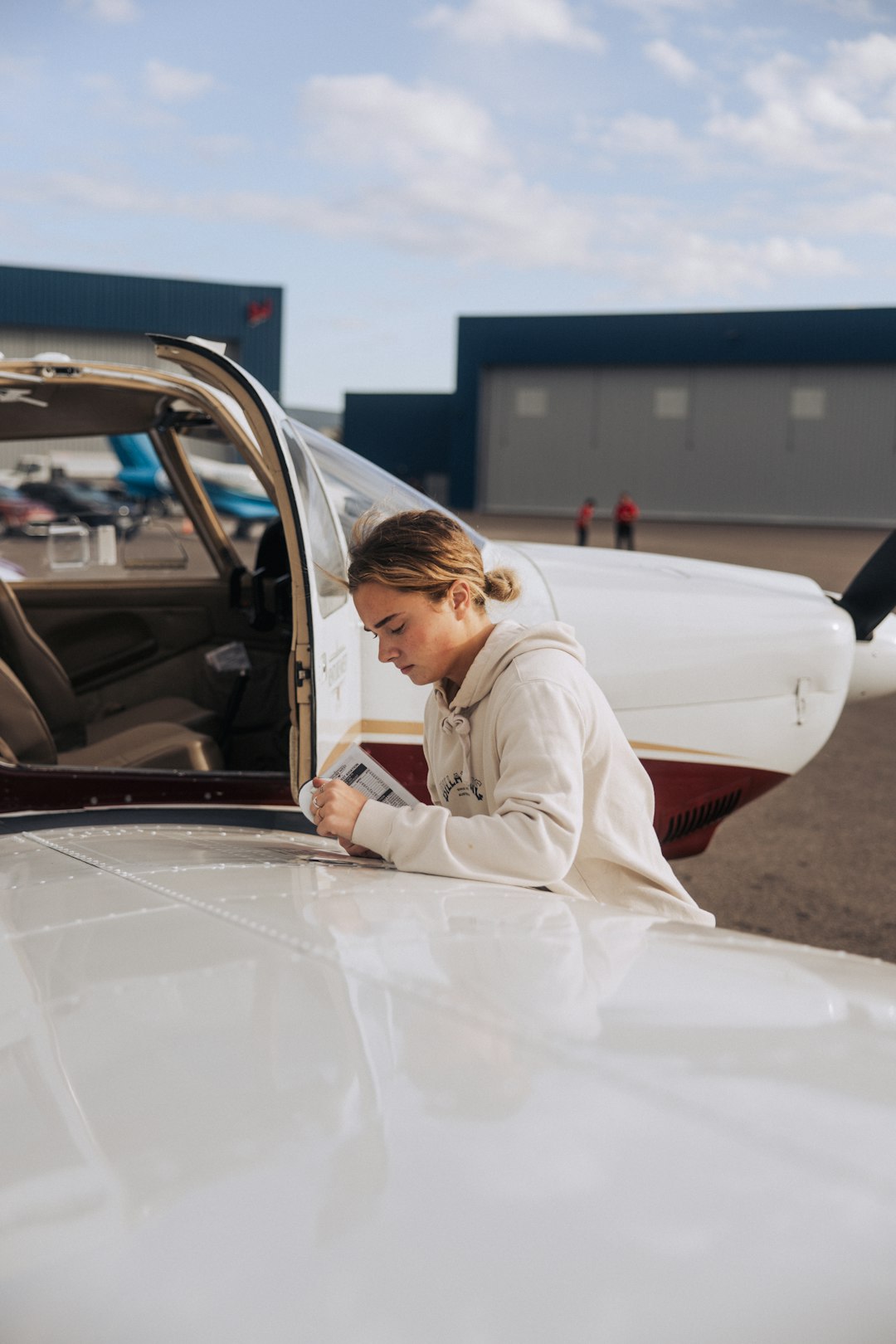
A well-organized flashcard deck should cover the major knowledge areas required for private pilot certification. While each student’s needs may vary, several categories are especially important.
- Federal Aviation Regulations: Rules related to pilot privileges, medical certificates, required documents, right-of-way rules, VFR minimums, and currency requirements.
- Airspace: Class A, B, C, D, E, and G airspace, including weather minimums, communication requirements, and entry procedures.
- Weather: METARs, TAFs, cloud types, fronts, thunderstorms, wind shear, icing, and visibility limitations.
- Navigation: Sectional chart symbols, pilotage, dead reckoning, VOR basics, GPS use, magnetic variation, and flight planning.
- Aircraft Systems: Engine operation, fuel systems, electrical systems, pitot-static instruments, gyroscopic instruments, and landing gear where applicable.
- Aircraft Performance: Takeoff distance, landing distance, weight and balance, density altitude, climb performance, and performance chart interpretation.
- Aerodynamics: Lift, drag, stalls, spins, load factor, stability, control surfaces, and slow flight principles.
- Emergency Procedures: Engine failures, electrical failures, communication loss, forced landings, fire procedures, and emergency checklists.
- Aeromedical Factors: Hypoxia, dehydration, fatigue, spatial disorientation, carbon monoxide poisoning, and the effects of alcohol or medication.
By organizing flashcards into these groups, the student pilot can study with greater focus. Instead of reviewing everything at once, he or she can target specific areas before lessons, stage checks, written exams, or the final checkride.
Digital Flashcards vs. Paper Flashcards
Student pilots can choose between traditional paper flashcards and digital flashcard apps. Each format has advantages, and many successful learners use both.
Paper flashcards offer a simple, hands-on study experience. They are easy to create, do not require a device, and allow students to write answers in their own words. Writing the card by hand can also help reinforce memory. Paper cards work well for quick review at home, at the flight school, or before a ground lesson.
Digital flashcards provide convenience and advanced study features. Many apps allow spaced repetition, progress tracking, images, audio, and custom tagging. A student can review cards while waiting at the airport, commuting as a passenger, or taking a short study break. Digital decks also make it easier to shuffle topics and revisit missed questions.
The best choice depends on the student’s learning style. A visual learner may prefer digital cards with diagrams and chart excerpts, while another student may retain more by physically writing and sorting paper cards. The format matters less than the consistency of use.
How Flashcards Help with the FAA Knowledge Test
The FAA private pilot knowledge test requires a broad understanding of aviation concepts. Many questions are scenario-based, meaning the student must apply information rather than simply memorize definitions. Flashcards can support this process when they are written correctly.
Instead of creating only basic definition cards, students should include application-based questions. For example, a weak flashcard might ask, “What is density altitude?” A stronger card might ask, “How does high density altitude affect takeoff performance, climb rate, and landing distance?” This type of question pushes the student to explain the concept in a practical way.
Flashcards can also help with common test topics such as weather reports, runway markings, airspace rules, airport signs, and aircraft performance calculations. However, they should not replace full-length practice exams. The most effective approach is to use flashcards for memory and concept building, then use practice tests to improve test-taking skill and endurance.

Using Flashcards for the Oral Exam and Checkride
The private pilot checkride includes an oral exam, where the examiner asks questions to evaluate the applicant’s knowledge, judgment, and readiness to act as pilot in command. This is where flashcards can be especially valuable. A student who has practiced answering questions aloud is often more confident and organized during the actual exam.
For oral exam preparation, flashcards should encourage complete explanations. A card might ask, “What documents must be onboard the aircraft for legal flight?” The student should be able to answer with the familiar acronym ARROW: airworthiness certificate, registration certificate, radio station license when required for international flights, operating limitations, and weight and balance information.
Another useful method is to create scenario-based cards. For instance:
- “The destination airport is reporting marginal VFR conditions. What factors should the pilot consider before continuing?”
- “During run-up, the magneto drop exceeds the aircraft’s limitation. What should the pilot do?”
- “A passenger says he feels dizzy and nauseous during flight. What aeromedical issues may be involved?”
These questions help the student think like a pilot, not just a test applicant. They also develop the risk management mindset expected by examiners.
Best Practices for Faster Certification Success
Flashcards are powerful, but only when used correctly. A student pilot who flips through cards passively may not see much improvement. The following strategies can make flashcard study more effective and help accelerate certification progress.
- Study daily in short sessions: Ten to twenty minutes per day is often more effective than one long session per week.
- Use active recall: The student should answer before looking at the back of the card.
- Say answers aloud: Speaking builds confidence for oral questions and improves clarity.
- Separate strong and weak cards: Difficult cards should be reviewed more often than easy ones.
- Connect cards to actual flying: After a flight lesson, the student should create cards based on mistakes, questions, or new procedures.
- Include visuals when helpful: Diagrams, chart symbols, and cockpit images can improve retention.
- Review before and after lessons: Pre-lesson review prepares the student, while post-lesson review reinforces learning.
One of the most important habits is personalization. A commercial flashcard deck can be useful, but the strongest cards often come from the student’s own experience. If a flight instructor explains a concept that was confusing, the student should turn that explanation into a flashcard immediately.
Common Mistakes to Avoid
Some student pilots make flashcards too long or too vague. A good flashcard should usually test one idea at a time. If a card contains five unrelated facts, it becomes difficult to review efficiently. It is better to create several focused cards than one overloaded card.
Another mistake is memorizing answers without understanding them. Aviation is practical, and examiners often ask follow-up questions. If a student memorizes that “high density altitude reduces performance” but cannot explain why, the knowledge may not be strong enough. Flashcards should lead to understanding, not replace it.
Students should also avoid studying only what feels easy. Many learners prefer reviewing familiar topics because it feels productive. However, the fastest progress comes from targeting weak areas. A missed card is not a failure; it is a signal that the topic deserves more attention.
Building an Effective Private Pilot Flashcard Deck
An effective deck should be clear, organized, and regularly updated. At the beginning of training, a student may focus on basic aircraft controls, airport operations, and radio communication. Later, the deck should expand to include cross-country planning, weather decision-making, and checkride scenarios.
Each card should contain a direct question on one side and a concise answer on the other. When possible, the answer should include a short explanation. For example, instead of writing only “3 statute miles,” the card could state, “In Class C airspace under VFR, minimum visibility is 3 statute miles, with cloud clearance of 500 feet below, 1,000 feet above, and 2,000 feet horizontal.”
Students may also use tags or categories such as weather, regulations, airspace, systems, and checkride. This makes it easier to study specific subjects before a lesson or exam.
Combining Flashcards with Other Study Tools
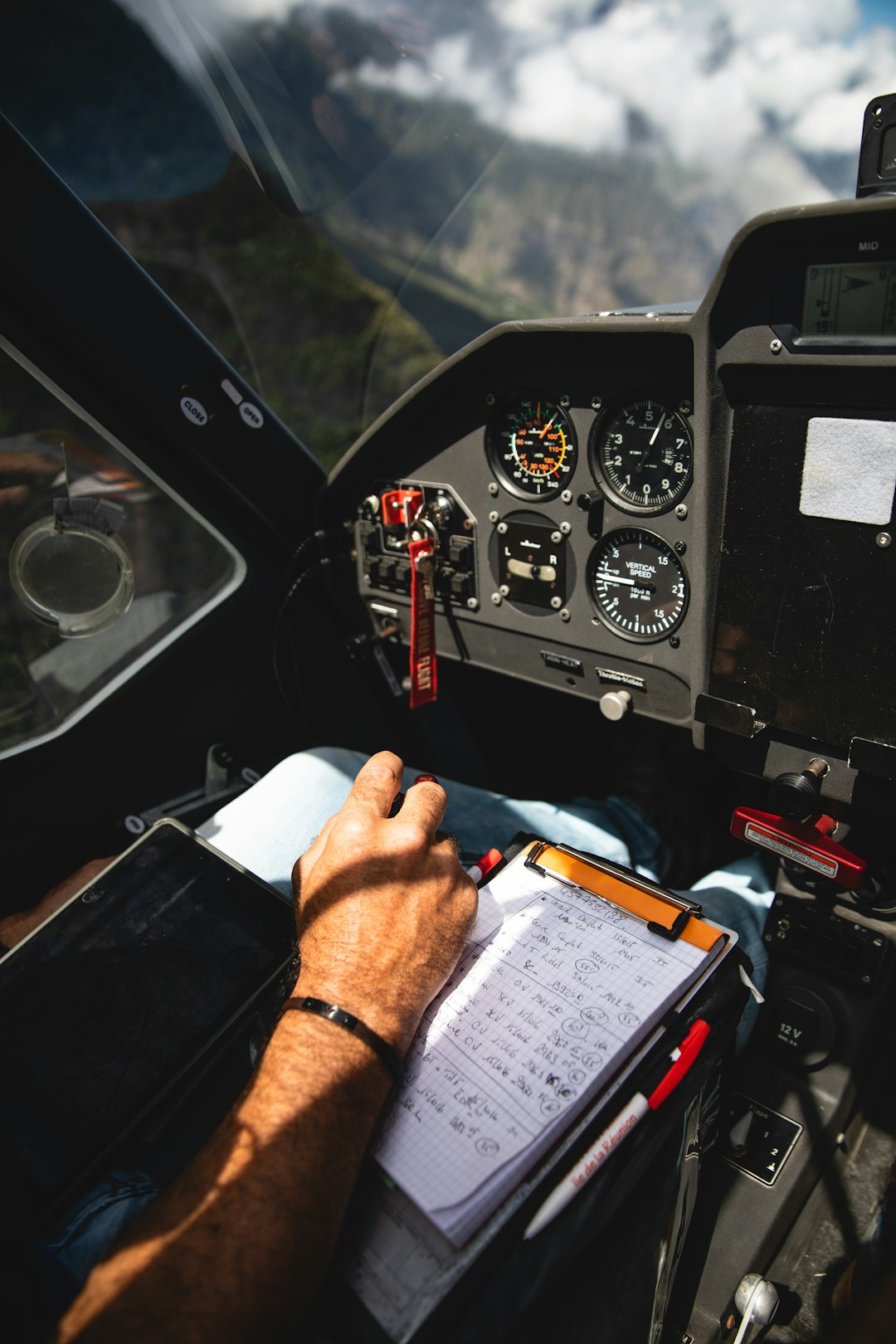
Flashcards should be part of a complete study plan. A student pilot still needs quality ground instruction, textbook reading, aircraft manuals, FAA handbooks, practice exams, and real flight experience. Flashcards are best used as a reinforcement tool that keeps important facts fresh between deeper study sessions.
For example, a student might read a chapter on weather theory, watch a ground school lesson, and then create flashcards covering lapse rate, fronts, fog, thunderstorms, and weather briefing products. Later, the student can apply that knowledge by reviewing actual METARs and TAFs before a flight. This layered approach turns information into usable pilot knowledge.
A flight instructor can also help by reviewing a student’s flashcards and correcting unclear answers. This ensures the material is accurate and aligned with checkride standards. In many cases, instructor feedback can turn a simple memorization card into a stronger decision-making tool.
Final Thoughts
Private pilot flashcards can make certification study faster, more organized, and more effective. They help student pilots strengthen memory, identify weak areas, and prepare for the FAA knowledge test, oral exam, and real-world flight decisions. When used with active recall, spaced repetition, and practical scenarios, flashcards become more than simple study notes; they become a daily training system.
Certification success depends on steady effort, safe judgment, and a willingness to keep learning. A student who uses flashcards consistently, asks questions, and connects study topics to actual flight experience will be better prepared for the responsibilities of becoming a private pilot.
FAQ
Are flashcards enough to pass the private pilot knowledge test?
No. Flashcards are very helpful, but they should be used along with ground school, FAA handbooks, aircraft manuals, and practice exams. They are best for reinforcing knowledge and improving recall.
How often should a student pilot review flashcards?
Daily review is ideal. Short sessions of 10 to 20 minutes can be more effective than occasional long study sessions.
Should private pilot flashcards be digital or paper?
Either format can work. Digital flashcards are convenient and often include spaced repetition, while paper flashcards can help students learn through writing and physical sorting.
What topics should be studied the most?
Students should focus heavily on regulations, airspace, weather, navigation, aircraft systems, performance, emergencies, and aeromedical factors. Weak areas should receive extra review.
Can flashcards help with the checkride oral exam?
Yes. Flashcards are especially useful for oral exam preparation when the student practices answering questions aloud and explains concepts in complete sentences.
When should a student start using flashcards?
A student can begin using flashcards at the start of training. Early cards may cover basic terminology and procedures, while later cards can focus on cross-country planning and checkride scenarios.