
Search engines look simple. You type a query. You get results. But behind that clean page is a goldmine of information called SERP data. If you work in SEO, content, or digital marketing, this data is pure treasure.
TLDR: SERP data is the information you can collect from a search engine results page. It includes rankings, features like featured snippets and ads, and user intent signals. By analyzing it, you can improve SEO, content strategy, and competitive research. In short, SERP data helps you understand what Google likes and what users want.
Let’s break it down in a fun and simple way.
What Is SERP Data?
SERP stands for Search Engine Results Page. It is the page you see after typing something into Google or another search engine.
SERP data includes:
- The list of organic search results
- Paid ads
- Featured snippets
- Images and videos
- Local packs
- People Also Ask boxes
- Knowledge panels
- And more
Think of SERP data as a snapshot of what Google believes is the best answer to a specific query.
It’s not just about who ranks first. It’s about everything displayed on that page.
Main SERP Metrics Explained
Now let’s talk about the numbers. Metrics help you measure performance and opportunities.
1. Keyword Ranking
This is the position of your page in search results.
For example:
- Position 1 = top result
- Position 10 = bottom of page one
- Position 11+ = page two and beyond
Higher rankings usually mean more clicks. But not always. SERP features can change that.
2. Search Volume
This tells you how many people search for a keyword each month.
High volume = more potential traffic.
But also more competition.
3. Click-Through Rate (CTR)
CTR shows the percentage of people who click your link after seeing it.
You could rank #1. But if your title is boring, your CTR may be low.
Good titles matter.
4. Cost Per Click (CPC)
This comes from paid ads.
It tells you how much advertisers are willing to pay per click.
High CPC often signals strong commercial intent.
5. Keyword Difficulty
This estimates how hard it is to rank for a keyword.
More competition = higher difficulty.
Beginners should often target lower-difficulty terms first.
SERP Features You Should Know
SERP features are special elements beyond simple blue links.
They steal attention. Sometimes they steal clicks.
Featured Snippet
This is the box at the top with a short answer.
It’s called “Position Zero.”
If you win it, you can jump above the #1 result.
People Also Ask (PAA)
This shows expandable questions related to the query.
Great for finding content ideas.
Local Pack
This appears for location-based searches.
It shows a map and three business listings.
Important for local SEO.
Image Pack
This displays a row of images.
Optimized images can get you extra visibility.
Video Results
Often pulled from YouTube.
Video content can dominate certain searches.
Knowledge Panel
This appears on the right side of desktop results.
It summarizes facts about a brand, person, or topic.

Why SERP Data Matters
SERP data shows you what Google believes users want.
That is powerful.
Instead of guessing, you can analyze real data.
Let’s explore the biggest use cases.
Use Case 1: Understanding Search Intent
Search intent is the reason behind a query.
There are four main types:
- Informational – Learning something
- Navigational – Finding a specific website
- Commercial – Comparing products
- Transactional – Ready to buy
If a SERP shows mostly blog posts, the intent is likely informational.
If it shows product pages, it’s transactional.
Match your content to the intent. Or you won’t rank.
Use Case 2: Content Strategy Planning
SERP data shows what type of content wins.
Ask yourself:
- Are the top results long guides?
- Are they listicles?
- Do they include videos?
- Are they fresh or older posts?
If every top result is 2,000+ words, a 500-word post won’t compete.
SERP analysis saves time. It prevents content guesswork.
Use Case 3: Competitive Research
Your competitors leave clues on the SERP.
You can see:
- Who ranks consistently
- Which keywords they dominate
- What kind of titles they write
- How they structure content
This doesn’t mean copy them.
It means learn from patterns.
Use Case 4: Identifying SERP Opportunities
Sometimes the SERP is weak.
Look for:
- Low authority sites ranking
- Outdated content
- Thin articles
- Poorly optimized titles
That’s your chance to create something better.
Better content often wins.
Use Case 5: Tracking Performance Over Time
SERPs change constantly.
Google updates algorithms.
Competitors publish new articles.
Tracking SERP data helps you:
- Spot ranking drops
- See ranking improvements
- React to algorithm changes
- Protect your traffic
SEO is not “set it and forget it.”
Use Case 6: Optimizing for SERP Features
You can optimize specifically for features.
For example:
- Answer questions clearly for featured snippets
- Add FAQ sections for People Also Ask
- Use structured data for rich results
- Optimize images with alt text
More visibility = more clicks.
How to Collect SERP Data
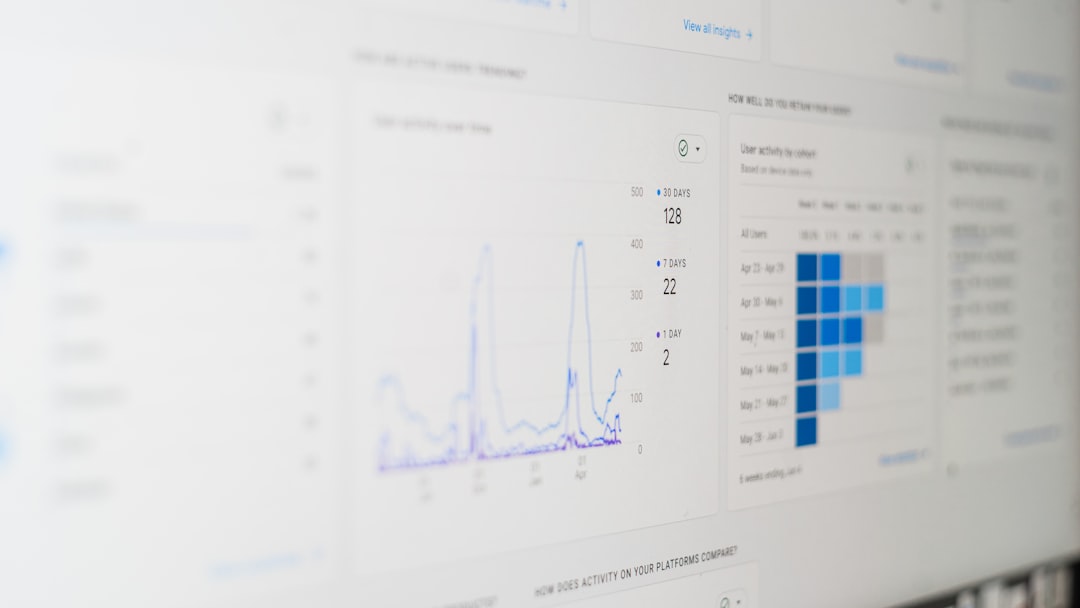
You can gather SERP data using:
- SEO tools
- Rank trackers
- Google Search Console
- Manual searches
Manual searching is simple but limited.
Tools save time. They track trends at scale.
But always verify insights with your own eyes.
Common Mistakes to Avoid
Let’s keep it real. People misuse SERP data all the time.
1. Ignoring Search Intent
Ranking is pointless if content mismatches intent.
2. Obsessing Only Over Position #1
Sometimes a featured snippet steals traffic from the top result.
Context matters.
3. Forgetting About Mobile SERPs
Mobile results look different.
Always check both desktop and mobile views.
4. Not Monitoring Changes
SERPs are dynamic.
What works today may change tomorrow.
The Big Picture
SERP data is more than rankings.
It is user psychology. It is competition analysis. It is content strategy.
Each search results page tells a story.
The story explains:
- What users want
- What Google trusts
- What format works best
- How competitive the space is
If you learn to read that story, you gain an advantage.
Final Thoughts
SERP data may sound technical. But it’s really about observation.
Look at what ranks.
Look at what features appear.
Look at what gets attention.
Then create something better.
Keep your sentences clear. Match intent. Optimize smartly.
SEO success isn’t magic. It’s pattern recognition.
And SERP data gives you the pattern.
Once you understand it, search results stop being random.
They become predictable.
And predictable means profitable.