In a world saturated with carefully curated feeds and rapidly shifting aesthetics, Carmela Clouth stands out as a force of originality and depth. Her work does not simply follow trends—it questions them, reshapes them, and often transcends them. As a multidisciplinary artist navigating digital and physical realms with equal fluency, Clouth embodies a new era of creativity defined by experimentation, emotional resonance, and intellectual courage.
TLDR: Carmela Clouth is redefining modern creativity by merging traditional art principles with cutting-edge digital tools and conceptual thinking. Her work blends disciplines, challenges artistic norms, and invites audiences into interactive, emotionally layered experiences. By embracing experimentation and authenticity, she has positioned herself at the forefront of contemporary artistic innovation. Clouth’s influence extends beyond galleries, shaping how creativity itself is understood in the 21st century.
The Rise of a Multidisciplinary Visionary
Carmela Clouth’s creative journey is marked by one defining trait: fearless integration. Rather than committing to a single medium, she treats art as an ecosystem. Painting, sculpture, digital installations, performance, sound design—each becomes a tool in a broader language she continuously refines. Her refusal to be confined by medium reflects a generational shift in how art is produced and consumed.
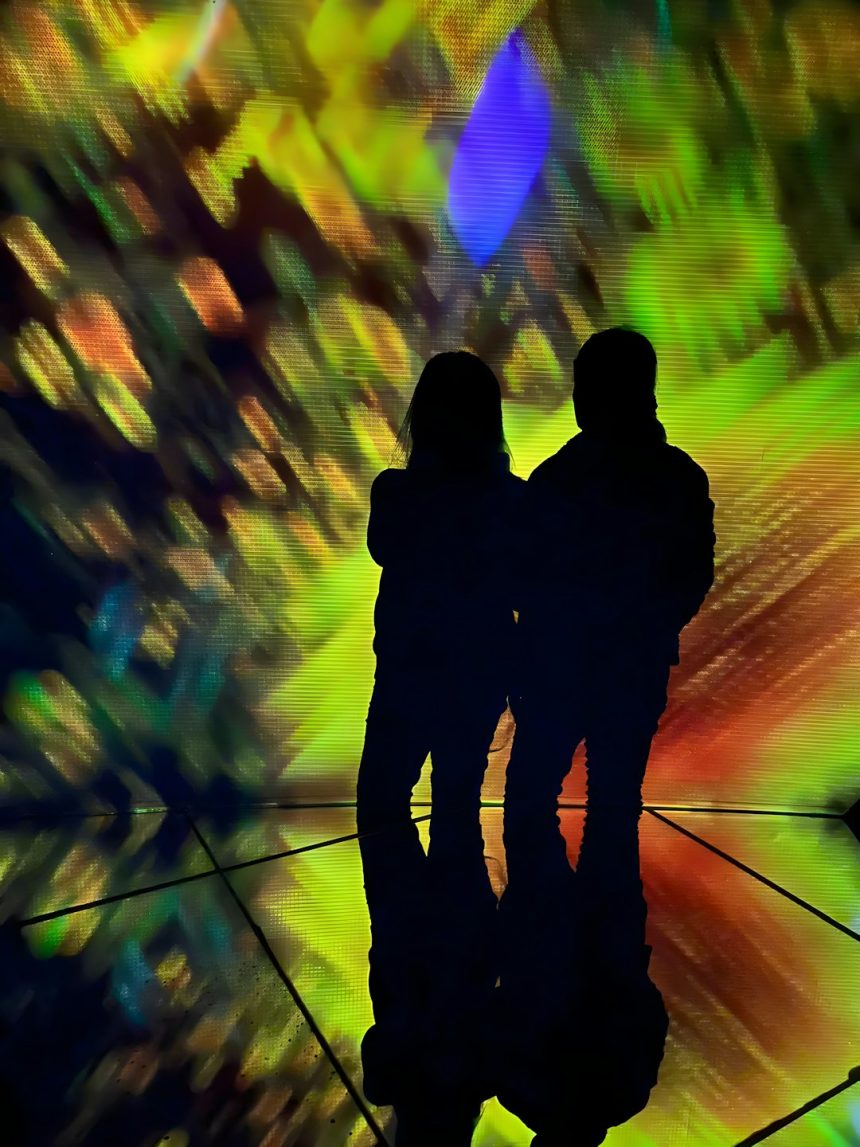
Unlike traditional artists who often identify strictly within one discipline, Clouth operates in intersections. A gallery exhibit may combine immersive projections with tactile sculptures and layered audio landscapes. An online piece might merge motion graphics with interactive storytelling. She collapses the boundaries between physical and virtual, creating hybrid experiences that feel both intimate and expansive.
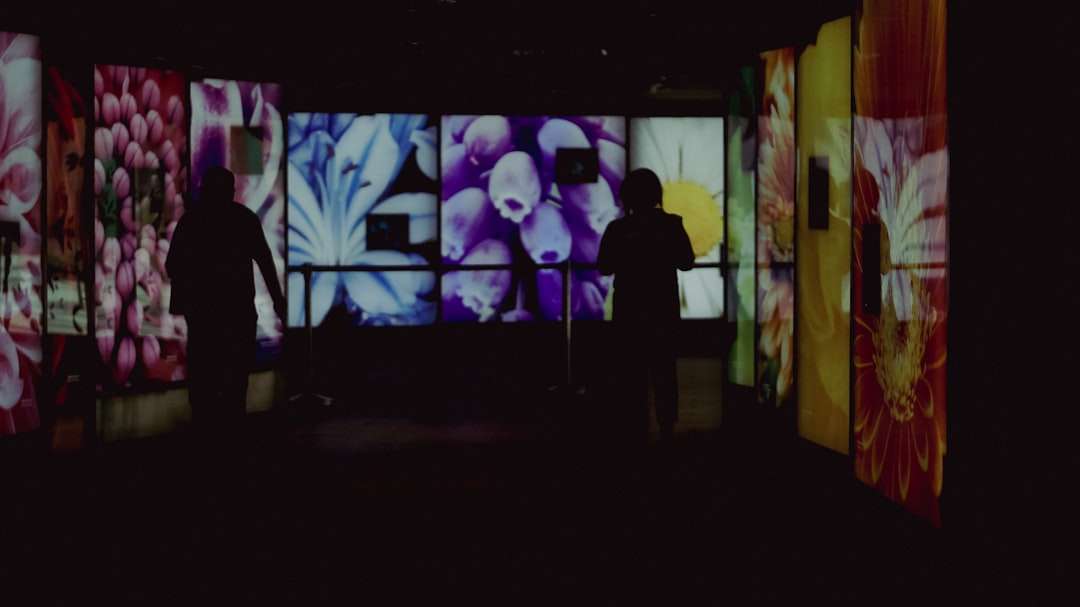
Critics frequently describe her style as “fluid modernism”—a blend of abstract structure and emotional spontaneity. Viewers often step into her installations feeling as if they are entering a conversation rather than observing a static object. This emphasis on dialogue over display is central to her philosophy: art is not complete until someone interacts with it.
Technology as Brushstroke
One of the most defining aspects of Clouth’s work is her sophisticated use of technology. However, she does not approach technology as a gimmick. Digital tools are treated as an extension of craft, akin to a painter’s brush or sculptor’s chisel. By reframing technology as material, she shifts how audiences perceive digital art.
Her creative process often includes:
- Generative algorithms that evolve visual patterns in real time.
- Augmented reality overlays that reveal hidden narrative layers.
- Reactive soundscapes triggered by movement or spatial positioning.
- Mixed materials merging hand-crafted textures with digital surfaces.
This blend of human touch and machine logic creates a compelling tension. The viewer senses both precision and vulnerability. In interviews, Clouth has described her fascination with “controlled unpredictability”—designing frameworks that allow spontaneity to emerge. This interplay between intention and randomness reflects deeper questions about authorship in the digital age.
Is the artist the sole creator, or does the algorithm share the role? Clouth embraces this ambiguity, encouraging viewers to contemplate collaboration between human and machine rather than dominance over it.
Emotion at the Core
Despite her technical innovation, what ultimately elevates Clouth’s work is its emotional gravity. Beneath immersive projections and conceptual frameworks lies a profound exploration of human experience. Themes of memory, identity, displacement, and connection surface repeatedly across her projects.
One acclaimed installation visualized fragmented portraits that slowly reshaped themselves based on audience proximity. As viewers stepped closer, features softened and realigned, suggesting the malleability of identity. From afar, the image appeared distorted; up close, it regained coherence. The message felt clear yet unspoken: perception defines reality.
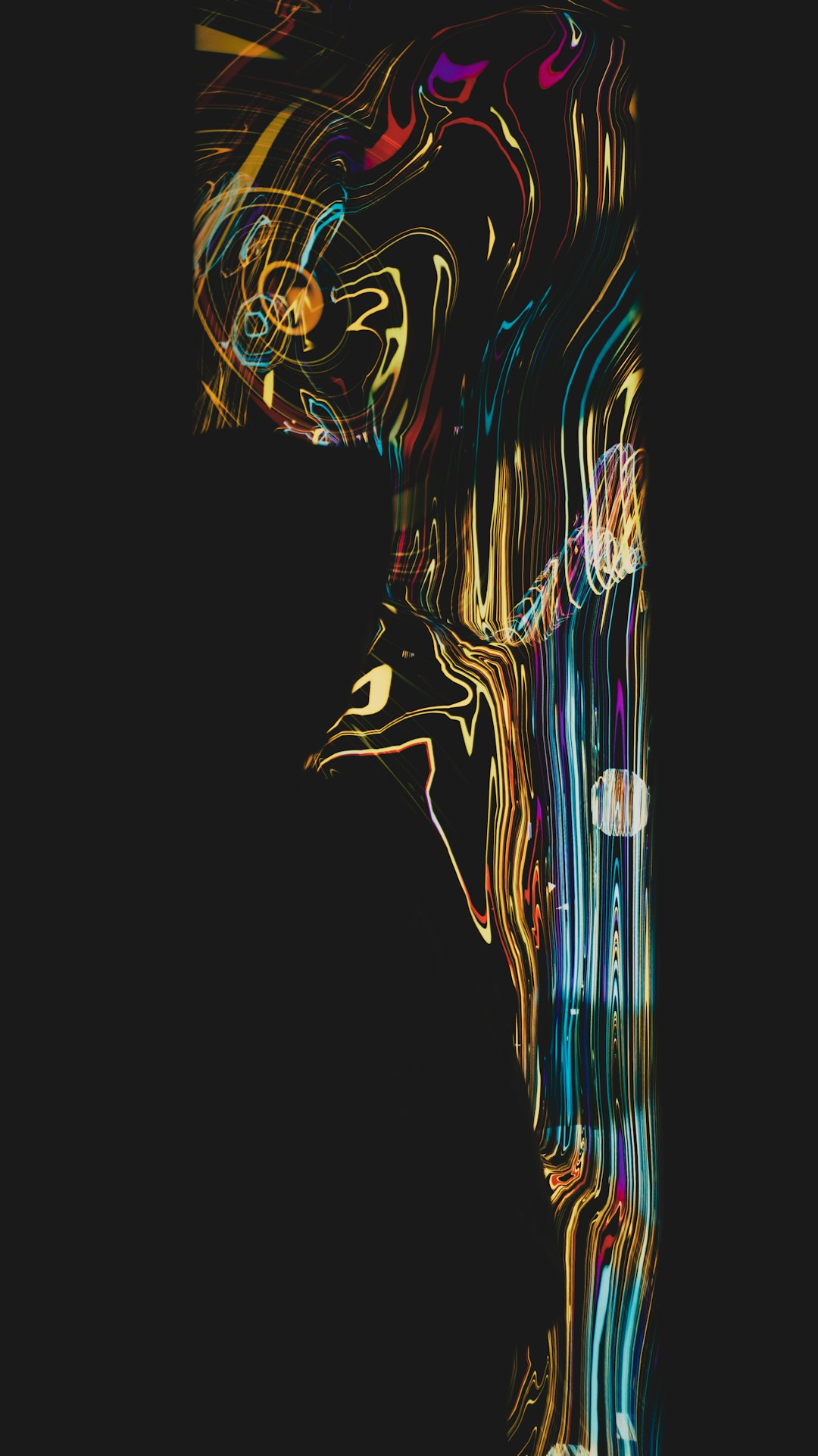
Her ability to embed emotional storytelling within experimental formats is part of what makes her work accessible. Even those unfamiliar with conceptual art often feel moved by the sensory atmosphere she creates. The lighting, sound, and compositional rhythm function almost cinematically, guiding emotional transitions without explicit instruction.
In doing so, Clouth challenges the old stereotype that contemporary art must feel detached or intellectualized. She proves that conceptual depth and emotional immediacy can coexist powerfully.
Redefining Artistic Space
Clouth’s influence extends beyond the artwork itself into the very spaces where art lives. Traditional museums tend to emphasize passive observation. Her installations, by contrast, demand participation. The observer becomes part of the composition, altering its outcome simply by being present.
This shift reflects a broader cultural transformation. Modern audiences expect engagement rather than detachment. Social platforms, gaming environments, and immersive theater have conditioned people to participate. Clouth taps into this expectation while elevating it artistically.
Her approach often incorporates:
- Responsive environments that shift with body movement.
- Layered entry points allowing multiple interpretations.
- Non-linear storytelling where no two visits are identical.
By redefining space as collaborative rather than static, Clouth underscores a major principle of modern creativity: meaning is co-created.
Blurring the Line Between Art and Audience
Perhaps one of Clouth’s most revolutionary contributions is her dismantling of the hierarchy between artist and viewer. In her world, the audience does not passively consume; it completes the circuit.
This philosophy is particularly evident in projects that invite audience-generated input—voice recordings, biometric data, written reflections—that become integrated into the artwork itself. Each exhibition becomes a living archive of shared presence. Over time, the piece evolves into a mosaic of collective experience.
This approach reflects a cultural moment where individuality and community intersect in dynamic ways. Clouth’s art becomes a microcosm of this tension: personal narratives woven into shared structures.
Aesthetic Language of the Future
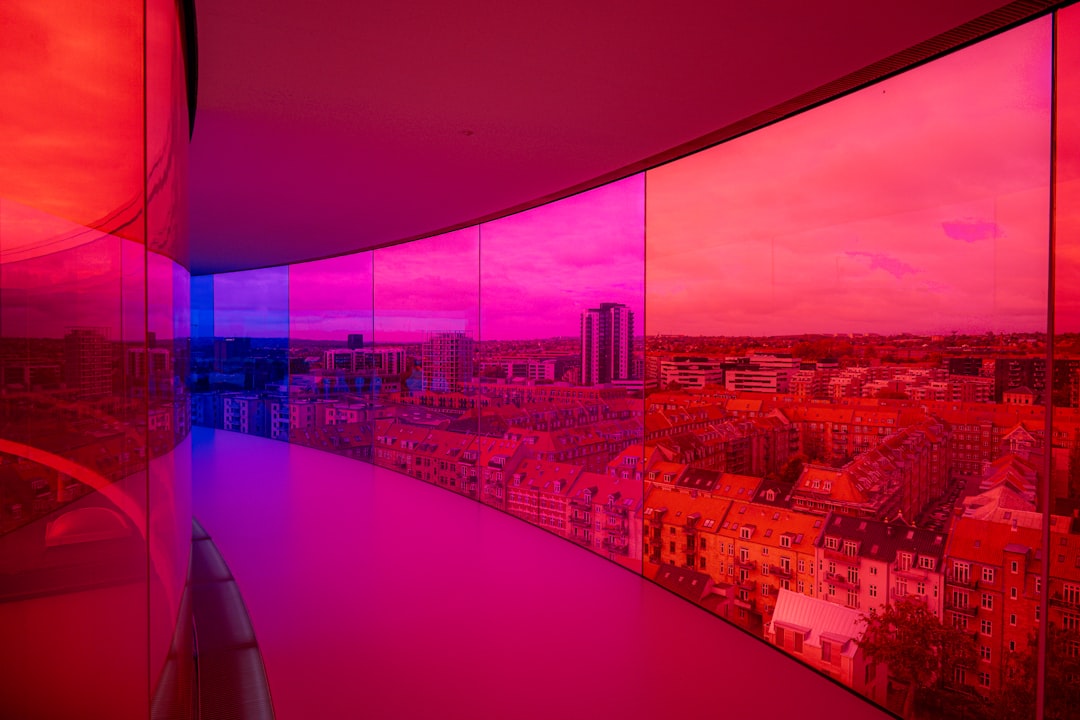
Visually, Clouth’s aesthetic defies easy categorization. It features bold structural contrasts—light against shadow, fluid forms intersecting geometric grids, organic motion restrained within architectural precision. Her color palettes often oscillate between muted earth tones and sudden bursts of electric vibrancy.
This duality mirrors the thematic core of her practice:
- Order and chaos
- Memory and reinvention
- Human intuition and technological logic
- Isolation and interconnectedness
Rather than resolving these contrasts, she sustains them. The tension itself becomes the aesthetic statement. Viewers leave not with fixed answers but with heightened awareness—an expanded sense of what art can communicate.
Impact Beyond the Canvas
Carmela Clouth’s redefining of creativity reaches beyond galleries and installations. She has influenced how emerging artists approach interdisciplinary work, encouraging them to see boundaries as invitations rather than limitations. Educational institutions have taken note, citing her practice as a case study in hybrid artistry.
Her workshops and lectures emphasize three principles:
- Experiment relentlessly.
- Honor emotional authenticity.
- Embrace collaboration with tools, systems, and communities.
These ideas resonate in an era when creative fields are rapidly evolving. Designers code. Programmers compose music. Painters build virtual worlds. Clouth does not merely participate in this shift—she articulates its philosophy.
Moreover, her presence in digital spaces has expanded accessibility. By sharing process insights, conceptual sketches, and interactive previews online, she democratizes aspects of artistic production. Audiences no longer encounter only the finished masterpiece; they witness evolution and experimentation.
The Philosophy of Continuous Reinvention
At the core of Carmela Clouth’s influence lies a commitment to evolution. She does not repeat successful formulas. Each new project carries risk, often departing radically from her previous work. This refusal to fossilize her style reflects a broader definition of modern creativity: adaptability as artistry.
In interviews, she has articulated a belief that creativity thrives in discomfort. Growth, she argues, occurs in the space where certainty dissolves. By embracing uncertainty rather than fearing it, she models a mindset increasingly vital in fast-changing cultural landscapes.
Her career thus far illustrates that redefining creativity is not about novelty alone. It is about maintaining integrity while expanding possibility. It is about merging ancient impulses—to tell stories, to express emotion, to connect—with contemporary tools capable of amplifying those impulses in unprecedented ways.
Why Carmela Clouth Matters Now
Modern creativity is no longer confined to galleries, studios, or academic circles. It lives across networks, devices, and communities. Carmela Clouth’s work captures this reality with striking clarity. By weaving together technology, physical space, emotional narrative, and participatory design, she offers not just art—but a blueprint for the future of expression.
Her redefinition of creativity is not loud or self-congratulatory. It unfolds experientially, through environments that feel both innovative and deeply human. She reminds us that even as tools evolve, the core mission of art remains: to provoke thought, awaken feeling, and spark connection.
In an age often characterized by speed and surface-level engagement, Carmela Clouth insists on depth. She challenges audiences to slow down, step closer, and become part of the work itself. Through this invitation, she transforms creativity from something observed into something lived—a dynamic exchange between artist, artwork, and world.
And in doing so, she does more than redefine modern creativity. She demonstrates that the most powerful art is not bound to a medium or moment. It is bound to curiosity—and to the courage to imagine differently.